The Masai Mara is the name most people say when they mean a Kenyan safari. It is also the place where marketing and reality drift furthest apart. This is the complete guide to the Masai Mara, written for a first time planner who wants straight answers, not a sales page.
You will learn what the Mara is, when to go, where to stay, and what it costs. You will also learn how to read the migration hype, so you can compare operators with confidence.
What Is the Complete Guide to the Masai Mara?
This guide covers what a first time visitor needs: geography, wildlife, seasons, costs, and the reserve versus conservancy decision. For a shorter overview, see our Masai Mara guide.
Where Is the Masai Mara and How Big Is It?
The Masai Mara sits in southwestern Kenya, sharing an open border with Tanzania’s Serengeti National Park. Together they form the Mara-Serengeti ecosystem, roughly 30,000 square kilometers of grassland, riverine forest, and acacia scrub. The Kenyan side makes up about a tenth of that.
The National Reserve covers roughly 1,500 square kilometers. Around it lie several private conservancies, adding another 1,000 or so square kilometers of protected land. These are not national park land, but Maasai group ranches leased by tourism partnerships.
The Mara is not one uniform block. The western Mara Triangle is managed separately, the central and eastern sectors hold most of the lodges, and the northern boundary touches the Talek River. Each zone affects your wildlife odds and sense of solitude.
What Wildlife Lives in the Masai Mara?
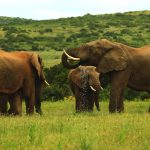
The Mara hosts the Big Five, but treat that phrase with care. Rhino are present but rare and elusive, often hiding in thick bush, and leopard are shy and often hidden in riverine trees. Buffalo, elephant, and lion are common, and cheetah are a regular sight on the open plains.
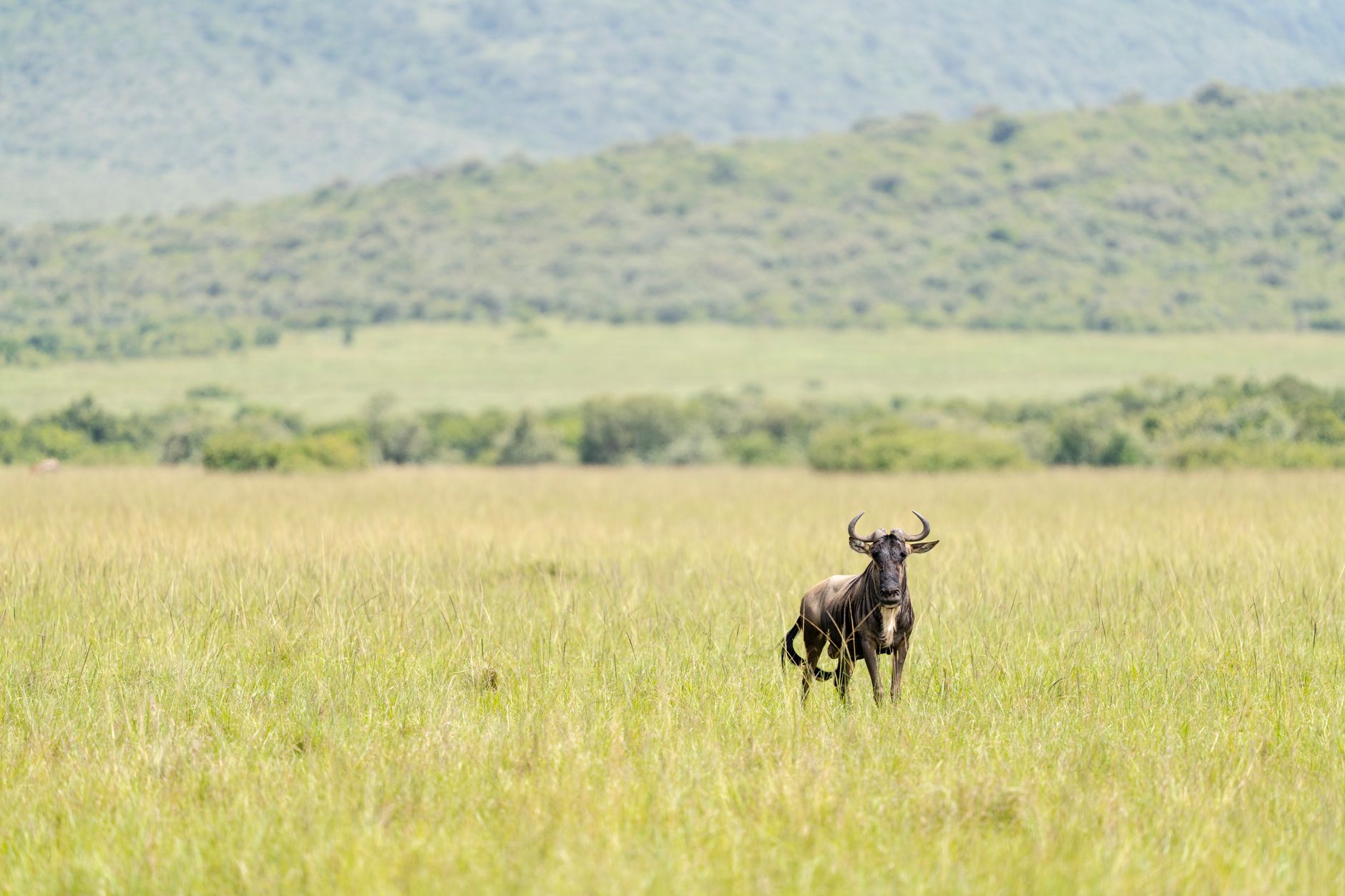
Beyond the Big Five, the Mara is known for its density of plains game. Wildebeest, zebra, and Thomson’s gazelle move in herds that stretch to the horizon, alongside hyena, jackal, bat-eared fox, and serval. Hippo and crocodile are common in the river and its tributaries.
Birdlife is exceptional. Exact counts vary by source, but recorded species run into the several hundreds. Highlights include lilac-breasted rollers, secretary birds, and martial eagles, plus migrants from Europe that arrive between November and April.
Is the Masai Mara the Same as the Serengeti?
No, but they are one ecosystem. The Serengeti is the larger, Tanzanian side, and the Mara is the smaller, Kenyan extension. Wildlife moves freely across the border, which has no fence.
The practical difference is management and terrain. The Serengeti is vast, with huge open plains and fewer roads. The Mara is more compact and easier to cover in a few days, but tends to be more crowded per square kilometer in peak season. Crossing between the two requires border formalities and extra time, so most first time visitors choose one side, not both.
What Is the Best Time to Visit the Masai Mara?
The best time depends on what you want. For dry weather and the highest density of grazing animals, choose the dry months from July to October. Grass is low then, and animals congregate around water.
For birding and green landscapes, the wet months from November to May are better. January and February offer a calmer safari with fewer vehicles. March to May is the long rainy season, when some lodges close and rates drop sharply.
The short rains in November and December are less disruptive. Many experienced guides consider June a good in-between choice, since grass is still short and crowds have not yet peaked.
For river crossings, plan for August to October. For fewer crowds and lower prices, come in June or November. For a deeper seasonal breakdown, see our guide to the best time to visit the Masai Mara.
When Is the Best Month to See the Wildebeest Migration?
The migration is a year-round movement, not a single event. Herds spend the wet season in the southern Serengeti. They then move northwest and north as grass dries, crossing the Mara River several times between July and October.
No one can predict a crossing date. You might see a river full of wildebeest on day one, or wait four days and see nothing. Operators who promise crossing sightings are overpromising.
August and September offer the best crossing odds, and by October the herds often start moving south again. Even in August, a week does not guarantee a crossing, though you will still see a high density of wildebeest and zebra.
How Many Days Do You Need in the Masai Mara?
Three full game drive days is the minimum for a first visit. That gives six or seven drives, enough to cover the main sectors and recover from jet lag. Two days feels rushed, since travel in and out eats a full day each.
Add a walking safari, balloon ride, village visit, or time in a conservancy, and plan for four or five nights instead. The Mara is not a place to do everything in a long weekend.
Should I Stay in the National Reserve or a Private Conservancy?
This is the single most useful decision you can make. The National Reserve is open to anyone who pays the entry fee. It has more vehicles and more lodges, and off road driving is allowed only in limited circumstances. It can feel busy from mid morning to late afternoon.
Private conservancies, including Mara North, Naboisho, Olare Motorogi, and Ol Kinyei, are leased areas with a capped number of beds and vehicles per square kilometer. Night drives and walking safaris are permitted, and you can follow a leopard off road without a queue of vehicles.
The trade off is price. Conservancy fees run higher than reserve entry, and accommodation costs more, but for many travelers the quieter experience is worth it.
How Do You Get to the Masai Mara From Nairobi?
You have two main options: road and air. Road transfers take five to seven hours from Nairobi, depending on the gate and the track after rain. A high clearance vehicle is standard for the murram and dirt sections.
Chartered and scheduled flights take about 45 minutes from Nairobi’s Wilson Airport, landing at small airstrips including Musiara, Kichwa Tembo, and Ol Kiombo. Flying is worth it with limited time or no interest in a day of driving.
Most operators include road or air transfers in their package prices. If you book a self drive safari, read the vehicle requirements carefully first.
How Much Does a Masai Mara Safari Cost?
Costs vary widely, and a flat number would be misleading. Below is a realistic range for typical 2026 packages, indicative only.
| Package type | Price per person per night (indicative) | What is included |
|---|---|---|
| Budget lodge or camp, shared vehicle | USD 150 to 250 | Full board, shared drives, fees often extra |
| Mid range tented camp | USD 300 to 500 | Full board, private or small group vehicle, some drinks |
| Luxury conservancy camp | USD 600 to 1,200 | Full board, private vehicle, walking safari, conservancy fees |
| Fly in package, premium lodge | USD 800 to 1,500 | Flights, all meals, twice daily drives, fees |
Reserve entry fees are separate. For non residents, published 2026 rates run roughly USD 80 to 100 per adult per day, indicative only, and worth confirming before you travel. Conservancies charge their own daily fees, often USD 100 to 200, which go partly to Maasai landowners.
The biggest cost driver is exclusivity, not the lodge itself. A private vehicle and conservancy stay can double or triple your budget versus a shared vehicle in the reserve. For a full breakdown, see our Kenya safari cost guide.
What Should You Know About the Mara Triangle and the Eastern Sector?
The Mara Triangle is the western section, run by a separate trust, with fewer lodges and stricter vehicle limits. Several well known crossing points lie near its edges, though the exact spot shifts each season with water levels and herd movement.
The eastern sector includes the Sekenani and Talek gates, the busiest entry points, with the highest lodge density and vehicle traffic. You will still see great wildlife, but you will share it. The northern and central areas, around Musiara and the Marsh, are known for resident lion prides and are often quieter.
Choose the Triangle or a conservancy for a wilder feel, or the central and eastern sectors for convenience and more lodge choice.
Is the Masai Mara Safe to Visit?
Yes, for the standard risks. Wildlife encounters are managed by staying in vehicles and following guide instructions, and crime is rare within the reserve and conservancies. The main concerns are malaria and the long road transfer, which carries a higher accident risk than flying.
Take antimalarials if advised, use a reliable operator with well maintained vehicles, and stick to daylight hours for game drives.
What Should You Pack for the Masai Mara?
Days are warm and nights are cool, so pack layers. Neutral colors work best, but there is no strict dress code. Bring a good hat, sunscreen, insect repellent, and a flashlight for night walks. Binoculars matter more than a long camera lens for most people, and a general Kenyan safari packing checklist covers the rest.
What Else Is There to Do Besides Game Drives?
Game drives are the core, but the Mara offers more. A hot air balloon ride at dawn is expensive and weather dependent, but gives a different view of the landscape. Book in advance.
Walking safaris, allowed only in conservancies and the Triangle, are led by armed guides and give a sense of scale a vehicle cannot. A Maasai village visit is a common add on. Some are respectful cultural exchanges, others staged photo stops, so ask your operator what the fee supports.
Night drives, legal in conservancies but not the National Reserve, are among the better ways to see leopards, hyenas, and small predators.
What Are the Practical Trade Offs for Health, Safety and Crowds?
The dry season brings the best wildlife viewing but also the largest crowds, and expect several vehicles at any lion sighting in the reserve. Conservancies offer more privacy, though wildlife density can be slightly lower.
The wet season offers empty roads and lower prices, but some camps close and tall grass can hide animals. Rain rarely ruins a safari, since it usually comes in sharp afternoon showers, and the morning light is beautiful.
The altitude is around 1,500 meters, so heat is less intense than at the coast.
Is the Masai Mara Worth It for a First Time Visitor?
Yes, if you go with realistic expectations. The Mara offers consistently high wildlife density, and the migration is genuinely spectacular, even if the crossings are unpredictable.
It is not cheap, not private in the main reserve, and not a place to tick off rare species like rhino or pangolin. But for a classic East African safari, it remains one of the most reliable first trip choices. For something different, consider Samburu, drier and more rugged, or Tsavo, wilder and less crowded.
Ready to Compare Safari Operators?
TouringInsights is an editorial guide, not a tour operator. We do not sell safaris or take bookings. Use a site that lets you compare options side by side.
FindMySafari is a good starting point for filtering by budget and itinerary. Valley Safaris offers well vetted Kenyan operators with transparent pricing. Trunktrails Safaris specializes in custom East Africa trips. Browse their packages, and check fees, inclusions, vehicle capacity, and guide experience before you commit.
Where Can You Find More Safari Planning Resources?
- Masai Mara Great Migration guide from Trunktrails Safaris
- Interactive Maasai Mara map from Valley Safaris
- Masai Mara destination guide on FindMySafari
- Compare Kenya safari packages on FindMySafari