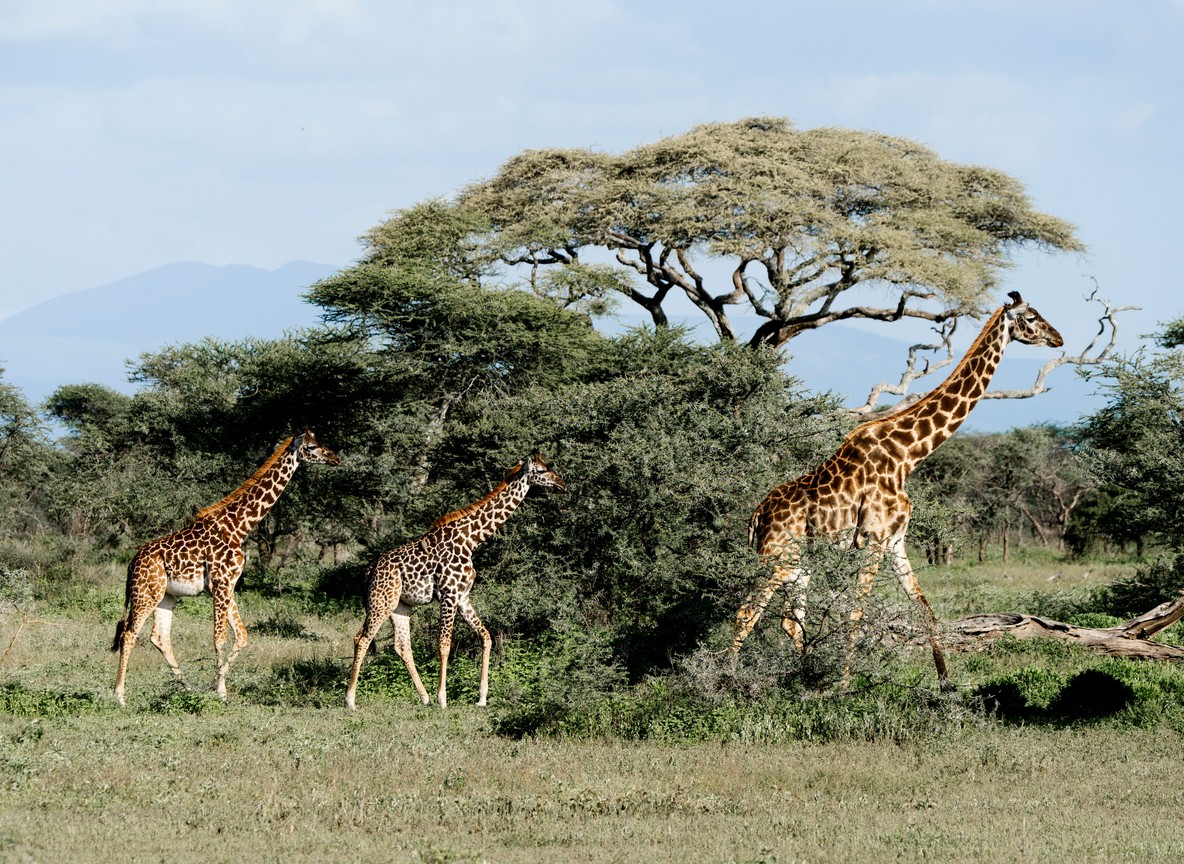
The Nairobi Giraffe Centre visitor guide matters because the site does more than offer a memorable close-up wildlife encounter. It introduces readers to a conservation story that is unusually direct and easy to grasp. You stand at platform height with Rothschild giraffes, feel the strange precision of a long dark tongue curling around feed pellets, and realize that this is not just an entertaining Nairobi stop. It is also a place built around species recovery.
For many readers, the centre becomes one of the clearest examples of how urban-edge conservation can still feel intimate and meaningful. This guide explains what the Giraffe Centre is, why Rothschild giraffes matter, what visitors actually do on site, how the experience fits into a wider Karen day, and why the stop works so well at the beginning of a longer Kenya journey.
What the Nairobi Giraffe Centre Is
The Nairobi Giraffe Centre sits in Karen, one of the greener and more spacious parts of the city. It is best understood as both a visitor experience and a conservation institution. Readers often arrive for the obvious reason, which is the chance to feed giraffes at close range. What gives the place more weight is the broader mission behind that experience.
The centre is associated with efforts to protect and support the Rothschild giraffe, a subspecies whose numbers declined sharply enough to make conservation intervention essential. That context changes the feel of a visit. The giraffes are not just charismatic animals on display. They are part of a larger recovery story.
Why Rothschild Giraffes Matter
Rothschild giraffe is one of the phrases that makes this site important rather than merely photogenic. Readers who know the conservation background usually experience the centre differently because they understand that the animal in front of them belongs to a more vulnerable population than many people assume.
What matters here is not only rarity, but recognition. The Giraffe Centre helps visitors connect a memorable face-to-face wildlife moment with questions of habitat, breeding, reintroduction, and long-term protection.
That is why the site often stays with readers after they leave. It turns a close encounter into a conservation narrative.
What Visitors Actually Do
The centre is compact, which is part of its strength. It does not require a full day to feel worthwhile, and the main elements of the experience are easy to follow.
Feeding Platform
The elevated platform is the core attraction. Giraffe feeding Nairobi queries usually point here because this is the moment visitors are imagining: standing at head height with the animals as they come forward for pellets.
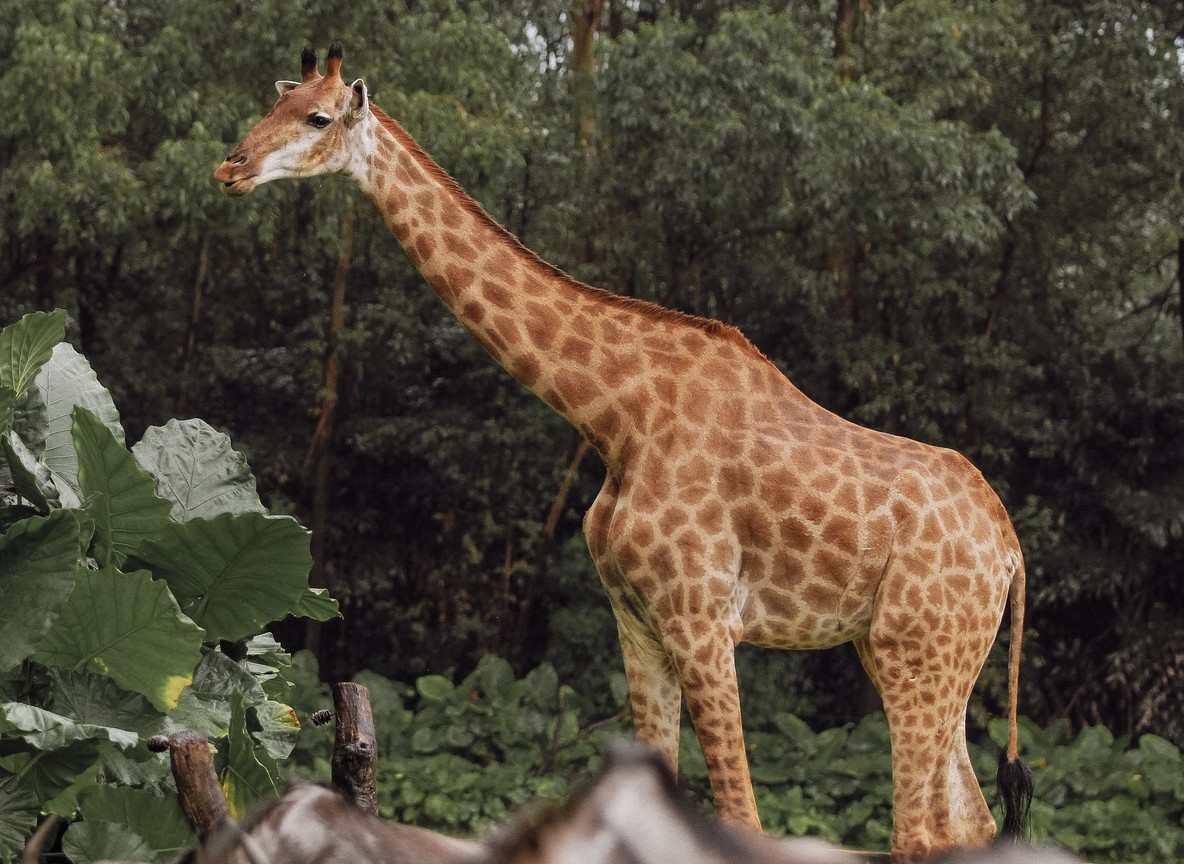
What makes the platform memorable is the combination of scale and calm. Giraffes seem gentle until they are suddenly very close. Their size, lashes, patterned coats, and precise tongue movements become far more striking at platform range than they do from a vehicle or distant viewing point.
Education and Interpretation
The educational component matters more than many first-time readers expect. Displays and interpretation help explain giraffe subspecies, conservation pressures, and the specific role the centre has played in awareness and population support.
This is the piece that keeps the stop from becoming only a photo opportunity.
Nature Trail and Surroundings
The surrounding grounds add a small but useful second layer to the visit. Readers can slow down, move away from the platform energy, and take in more of the Karen setting. That shift matters because the centre works best as a calm wildlife-and-conservation stop rather than as a high-speed attraction.
Why the Experience Works So Well in Nairobi
One reason the Giraffe Centre is so effective is that it offers an unusually strong wildlife moment without asking readers to leave the city entirely behind. It compresses several useful qualities into one stop:
- close animal encounter
- conservation relevance
- easy access from Nairobi
- manageable visit length
- strong family and first-time visitor appeal
This is why the centre is so often recommended to readers with limited time. It produces a clear memory quickly, but without feeling shallow.
Practical Visitor Expectations
The most useful expectation-setting is simple. Readers should not think of the Giraffe Centre as a large reserve or a long walking attraction. It is a focused experience built around one main animal encounter, supporting interpretation, and a short nature component.
Visitors usually benefit from planning around:
- a relatively short visit window
- morning timing for a calmer atmosphere
- photography opportunities at the platform
- pairing the stop with nearby Karen attractions rather than isolating it
That planning logic helps the site feel well-paced instead of rushed.
How It Fits Into a Karen Day
The Karen area is one reason this stop works especially well. The Giraffe Centre is not stranded on its own. It sits within a cluster of places that let readers build a coherent Nairobi day around wildlife, conservation, and local history.
Conceptually, the centre pairs well with:
- the David Sheldrick elephant orphanage for a second conservation-focused stop
- the Karen Blixen Museum for historical and literary context
- nearby cafes and gardens for a slower neighborhood rhythm
- a broader south-of-city route that treats Karen as a distinct Nairobi chapter
Readers do not have to do all of these in one day, but the Giraffe Centre makes more sense when seen as part of the Karen cluster rather than as an isolated checklist item. Readers deciding where it fits logistically often start with the broader Nairobi city guide.
Why It Works at the Start of a Kenya Trip
The Giraffe Centre also serves a useful narrative purpose for readers beginning a wider Kenya journey. A close, accessible conservation site can sharpen attention before bigger safari landscapes enter the picture. The visit makes wildlife feel immediate before the country expands into parks, reserves, or coast-and-bush combinations.
That shift matters. It gives the trip an opening note built around:
- species protection
- urban conservation effort
- first close wildlife encounter
- a slower form of attention than large-park game viewing
Readers who start here often carry a more conservation-aware perspective into the rest of the trip.
What Makes the Stop More Than a Photo Opportunity
The simplest version of the site is easy to summarize: you feed a giraffe and take pictures. That is true, but incomplete. The reason the centre holds its place in Nairobi travel is that the animal encounter has interpretive depth behind it. The visit reminds readers that conservation is not only something that happens in remote parks. It also happens in educational spaces, breeding efforts, local institutions, and city-adjacent landscapes.
That is why the stop has more staying power than many quick attractions. It links delight to understanding.
Explorer Notes
- The Giraffe Centre is strongest when understood as conservation plus encounter, not only as a feeding stop.
- Rothschild giraffe context gives the visit much more weight.
- The compact scale is a strength, not a limitation.
- The site fits naturally into a wider Karen-based day.
- It works particularly well as an opening chapter before a larger Kenya itinerary.
Frequently Asked Questions
How long should readers spend at the Nairobi Giraffe Centre?
Usually around one to two hours is enough to cover the platform, interpretation, and short grounds experience comfortably.
Is the site mainly for children?
No. Families enjoy it, but adults interested in conservation and urban-edge wildlife experiences often find it equally rewarding.
Why are Rothschild giraffes important here?
Because the centre is closely tied to conservation awareness and support for one of the more vulnerable giraffe populations.
Can the Giraffe Centre be combined with other Nairobi stops?
Yes. It fits especially well with other Karen-area attractions and conservation-oriented visits.
Is it worth visiting before a longer safari?
Yes. It creates a strong first wildlife encounter and introduces conservation context before readers move into larger landscapes.
Conclusion
The Nairobi Giraffe Centre visitor guide points toward a simple conclusion: this is one of Nairobi’s most effective wildlife experiences because it combines immediacy with meaning. Readers get the tactile thrill of standing close to giraffes, but they also leave with a clearer sense of why those animals matter and how conservation work can be made visible.
That combination is what gives the site lasting value. It is not merely a city attraction or a pleasant photo stop. It is a compact, well-framed introduction to the kind of conservation awareness that can shape the rest of a Kenya journey, especially for readers coming through on a short Nairobi layover.
Every trip described here can be tailored: dates, budget, camps, and pace built around you.
Get a Personalised Safari