There is a reason so many Nairobi itineraries orbit around one hour in the middle of the day. For a brief public window, visitors gather at the nursery run by the Sheldrick Wildlife Trust and watch orphaned elephant calves charge into a mud bath, wrestle with each other, reach for bottles, and lean into the keepers who have become their surrogate family. The scene is playful, but the context behind it is serious: every calf there has survived loss, injury, drought, poaching pressure, or separation in the wild.
This guide looks at the David Sheldrick elephant orphanage as both a visitor experience and a conservation story. It explains how the nursery works, what travelers actually see during the public session, why the rescue-to-release model matters, and how the Nairobi visit connects to the wider elephant landscapes of Tsavo and southern Kenya.
Why the Nursery Resonates So Strongly
The elephant orphanage Nairobi visitors know today sits within Nairobi National Park and has become one of the city’s most affecting wildlife experiences. What makes it memorable is not simply that the animals are young and charismatic. It is the fact that the nursery is not designed as a static attraction. It is a short public glimpse into an active rehabilitation program.
That distinction matters. The elephants are there temporarily. The goal is not display. The goal is recovery, social development, and eventual return to a wild setting where possible. Readers who visit with that in mind usually come away with a very different impression than they would from a conventional animal-viewing stop.
The Conservation Story Behind Sheldrick
The nursery’s reputation rests on decades of work by the Sheldrick Wildlife Trust, founded in memory of David Sheldrick, the pioneering warden of Tsavo East National Park. Dame Daphne Sheldrick carried that work forward and became one of the central figures in orphan-elephant rehabilitation.
One of the most important breakthroughs in that history was nutritional. Young elephant calves cannot thrive on ordinary milk substitutes, and for years the mortality rate for hand-raised orphans was devastatingly high. Daphne Sheldrick spent decades refining a formula that infant elephants could actually digest and survive on. That scientific persistence changed what elephant rescue could achieve, not only in Kenya but in wildlife care more broadly.
The work did not stop with nutrition. The Trust also developed a long-term behavioural care model built around constant keeper presence, emotional stabilization, and structured social integration. Elephants are highly social animals, and calves that lose their mothers can arrive deeply distressed. Rehabilitation therefore involves psychology and attachment as much as feeding.
How the Rescue-to-Release Pipeline Works
The most useful way to understand the David Sheldrick elephant orphanage is through the full pipeline, not just the public mud bath.
Stage 1: Rescue and Stabilization
Calves are rescued from many different contexts: wells, drought zones, poaching aftermath, human-wildlife conflict areas, or moments of separation where rejoining the herd is no longer possible. The first challenge is survival. These elephants are often dehydrated, injured, frightened, or in shock.
At that point the Trust’s response is intensive. Veterinary care, warmth, bottle-feeding, and human presence all matter immediately.
Stage 2: The Nairobi Nursery
Once stable, calves move into the nursery environment in Nairobi. This is the phase most visitors encounter. Here, older orphans help younger ones settle into a functioning herd structure. Keepers remain deeply involved, but the broader goal is to rebuild the kind of social world that a healthy calf would normally have.
This is why baby elephants Nairobi visitors see often behave with such confidence and playfulness. What looks spontaneous is actually evidence that recovery is working.
Stage 3: Reintegration in Tsavo and Beyond
The nursery is only the beginning. As elephants mature, they are moved to reintegration sites such as Ithumba in Tsavo East and Umani Springs near the Tsavo ecosystem. There, the process shifts toward increasing independence. Elephants begin spending more time in genuine wilderness conditions while still retaining access to familiar keepers and stockades during transition.
This gradual method matters because release is not a single event. It is a long process shaped by trust, social bonds, and the elephant’s own readiness.
What Visitors Actually See at the Mud Bath
For most travelers, the public session is the heart of a Nairobi elephant orphanage visit. During the scheduled viewing hour, keepers bring the calves into the mud wallow and feeding area, and staff members introduce individual elephants and tell their rescue stories.
What readers can expect:
- a one-hour public window centered on feeding and mud-bathing
- close but controlled viewing from a roped perimeter
- commentary introducing the calves by name
- a mix of playful behavior, roughhousing, dust-throwing, and bottle time
- a stronger emotional response than many visitors expect
The best position is usually along the front edge of the viewing area if arriving early enough. That allows visitors to see the calves up close and hear the commentary clearly. Cameras are useful, but this is one of those places where spending part of the hour simply watching often leaves the deeper impression.
Why the Visit Feels Different From a Typical Wildlife Stop
Part of what gives the nursery its impact is that each elephant is introduced as an individual rather than as part of a generic spectacle. Visitors hear where the calf was found, what condition it arrived in, and how it is progressing. The result is a highly specific encounter.
That specificity changes the emotional frame. Readers are not only watching elephants. They are watching a recovery process with names, histories, and visible personalities. Some calves are bolder. Some are clingier. Some dominate the mud bath. Some hang back. The interpretation is not abstract because the rehabilitation itself is personal.
The Adoption Program
The Sheldrick trust adoption program is one of the most widely recognized ways readers can support the nursery beyond a single visit. Through the Trust’s official site, supporters can foster a named orphan and receive updates, photos, and progress notes over time.
For many readers, the appeal is obvious. It turns a moving one-hour visit into a longer relationship with the conservation story. More importantly, it helps explain the scale of resources involved in elephant rehabilitation. Milk, veterinary care, staff support, transport, reintegration infrastructure, and long-term monitoring all carry real cost.
The Tsavo Connection
One of the strongest reasons the nursery matters in a Kenya travel context is that it is not disconnected from the country’s larger safari landscapes. The elephant orphanage Kenya story continues in Tsavo.
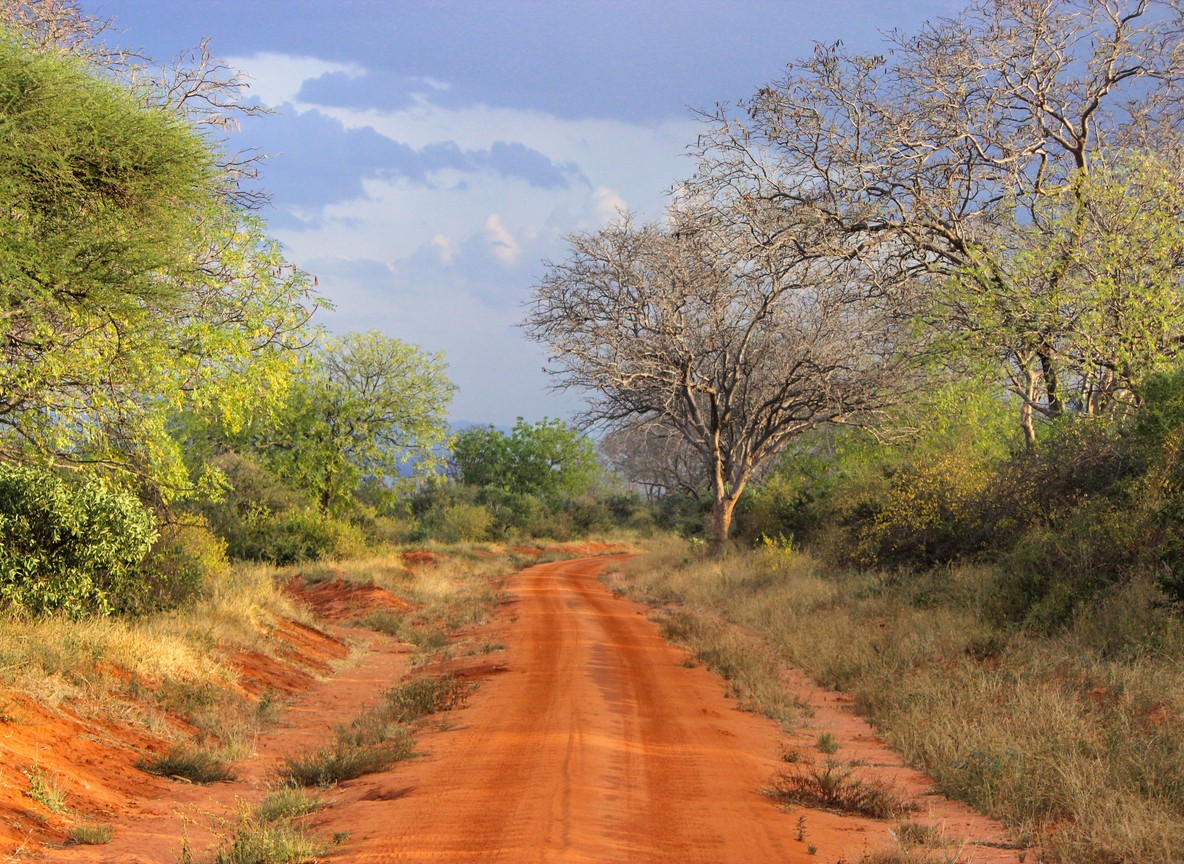
Ithumba, one of the Trust’s most important reintegration centres, lies in Tsavo East. Umani Springs sits closer to the Tsavo West and Kibwezi ecosystem. This means the calves visitors meet in Nairobi are not part of an isolated urban conservation project. They are being prepared, where possible, for a return to genuine elephant country, which is why the wider Tsavo National Park guide adds useful context.
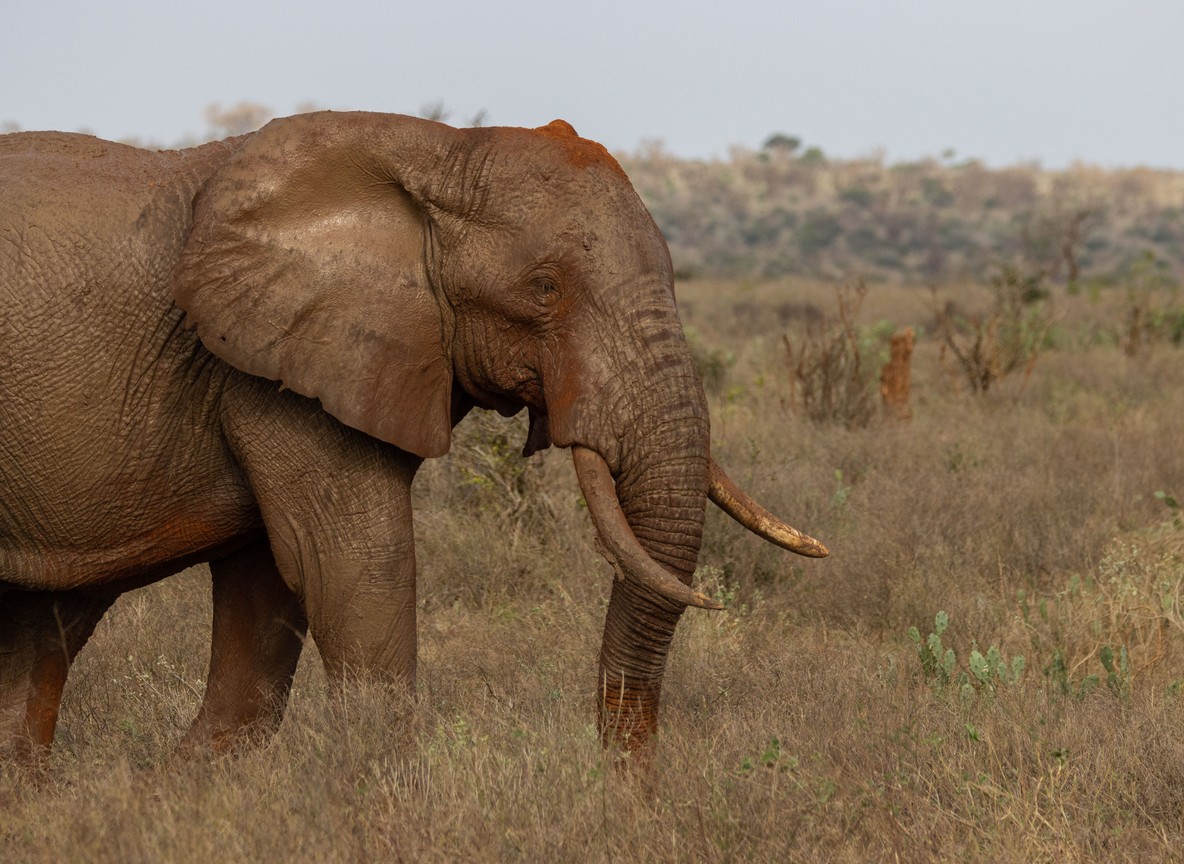
That link changes how many readers think about Tsavo itself. The red-dusted elephants seen later in the national park are no longer just part of a safari image bank. They become part of a wider conservation continuum involving rescue, rehabilitation, reintegration, and, in some cases, wild adulthood with calves of their own.
Building a Nairobi Day Around the Nursery
For travelers with limited time, the nursery often works best as part of a broader Nairobi wildlife day rather than as a stand-alone errand. The nearby Nairobi Giraffe Centre is the most common companion stop, and the pairing works because both are relatively accessible from the same part of the city.
A practical rhythm often looks like:
- morning visit to the Giraffe Centre
- transit toward Nairobi National Park before late morning
- public nursery session around midday
- lunch afterward before continuing with other Nairobi plans or an onward safari departure
What matters most is allowing enough time. The nursery is one of the least effective places to rush. Readers who build the day too tightly often end up treating one of Nairobi’s strongest conservation experiences like a box to tick.
Conservation, Ethics, and Reader Expectations
Readers increasingly care whether wildlife experiences are ethical as well as memorable. The nursery draws strong interest partly because its purpose is transparent. The calves are being prepared for life beyond the nursery, and the public viewing is structured around that priority rather than the other way around.
That does not mean the experience should be romanticized. Elephant rescue is difficult, expensive, and emotionally heavy work. Not every calf survives. Not every reintegration path looks identical. But the nursery’s credibility comes from its seriousness: it presents recovery as a process, not as an easy feel-good narrative.
Explorer Notes
- The nursery is most compelling when understood as a rehabilitation centre, not as a zoo.
- The public mud bath is brief, so timing matters.
- The emotional weight of the visit comes from individual rescue stories.
- The Tsavo reintegration link gives the Nairobi stop broader safari meaning.
- Readers interested in conservation often find the adoption program as important as the visit itself.
Frequently Asked Questions
What is the David Sheldrick elephant orphanage?
It is the Nairobi nursery operated by the Sheldrick Wildlife Trust for orphaned elephant calves undergoing rehabilitation.
Is the elephant orphanage inside Nairobi National Park?
Yes. The nursery is located within Nairobi National Park.
What do visitors see during the public session?
Usually feeding, mud-bathing, keeper commentary, and close observation of the calves’ behaviour during a limited viewing hour.
Can readers support a specific elephant?
Yes. The Trust’s adoption program allows supporters to foster a named orphan and follow its progress.
Do you need to book in advance to visit?
Yes. The public viewing hour has a fixed daily capacity, and Sheldrick sells entry through its own online booking system rather than at the gate, so turning up without a slot risks being turned away. Booking costs a flat conservation donation per adult (a fraction of the price of most Nairobi wildlife activities) and is best done a few days ahead during peak Kenya travel months. The nursery sits inside Nairobi National Park’s Mbagathi Gate area, roughly a 30 to 45 minute drive from most Nairobi hotels depending on traffic, so most visitors arrive by private taxi, Uber, or as part of an organised transfer rather than public transport.
How is the nursery connected to Tsavo?
Older elephants are gradually transferred to reintegration centres in and around the Tsavo ecosystem, especially Ithumba in Tsavo East.
Conclusion
The David Sheldrick elephant orphanage is one of Nairobi’s rare attractions that works on two levels at once. It is immediately memorable for visitors because the calves are charismatic, energetic, and close enough to observe in detail. But it is also meaningful beyond the hour itself because it opens a window into one of Kenya’s most important long-term conservation efforts.
For readers trying to understand Nairobi beyond the usual stop list, that is what makes the nursery worth the time. It is not just a moving encounter with baby elephants. It is a concise introduction to the complexity of elephant rescue, rehabilitation, and return to the landscapes that define so much of Kenya’s wildlife identity. It also pairs naturally with the broader Nairobi guide and the practical Nairobi layover guide.
Every trip described here can be tailored: dates, budget, camps, and pace built around you.
Get a Personalised SafariFurther reading
More safari planning resources
- Map of Tsavo from Valley Safaris
- Big Five safari collection on FindMySafari
- Tsavo destination guide on FindMySafari
- Kenya national parks map from Valley Safaris