The Masai Mara versus Serengeti question comes up in almost every East African safari conversation. Both names carry enormous weight. Both sit at the centre of the world’s greatest wildlife spectacle. And for most travellers, choosing between them feels harder than it should – because the underlying comparison is not really about wildlife quality at all.
Here is the honest framing: the Masai Mara and the Serengeti are two sections of the same ecosystem, separated by a colonial border. The animals do not know which side they are on. What differs is cost, logistics, timing, and the experience that surrounds the wildlife. Once you understand those variables, the choice becomes straightforward.
The Same Ecosystem, Two Different Countries
The Masai Mara National Reserve in Kenya and Tanzania’s Serengeti National Park form a single continuous savannah – the Mara-Serengeti ecosystem. The Kenya-Tanzania border runs through the middle of it. Wildebeest, zebra, gazelle, and the predators that follow them move across this boundary continuously throughout the year.
The Serengeti covers roughly 14,763 square kilometres. The Masai Mara National Reserve covers about 1,510 square kilometres – approximately one-tenth the size – though the broader Mara ecosystem, including surrounding conservancies, extends the effective wildlife zone considerably.
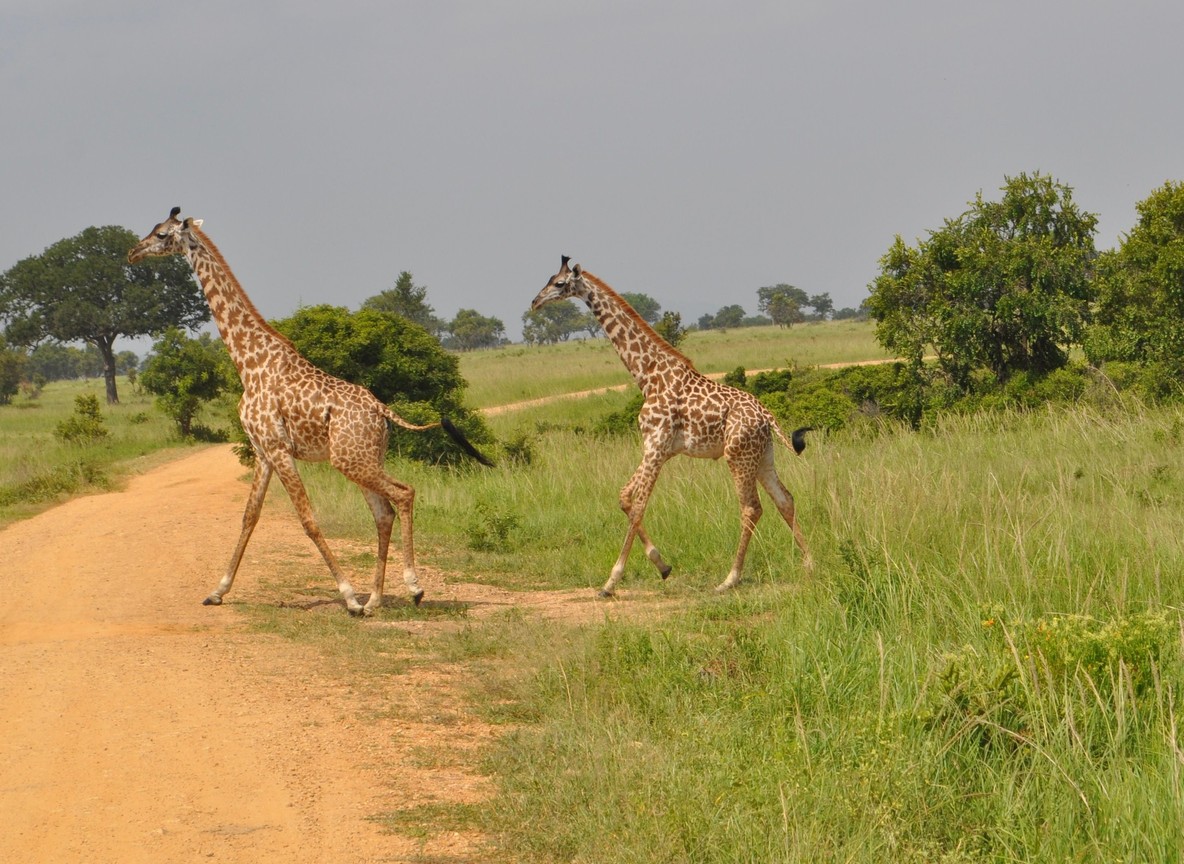
Both parks hold the same core species: lion, leopard, cheetah, elephant, buffalo, hippo, giraffe, and several hundred bird species. The Big Five are present in both, though rhino sightings are rare in the main parks and more likely in specific conservancy zones.
Migration Timing: Which Side Has the Crossings?
The wildebeest migration is the single biggest factor in timing your visit, and it is the clearest differentiator between the two destinations.
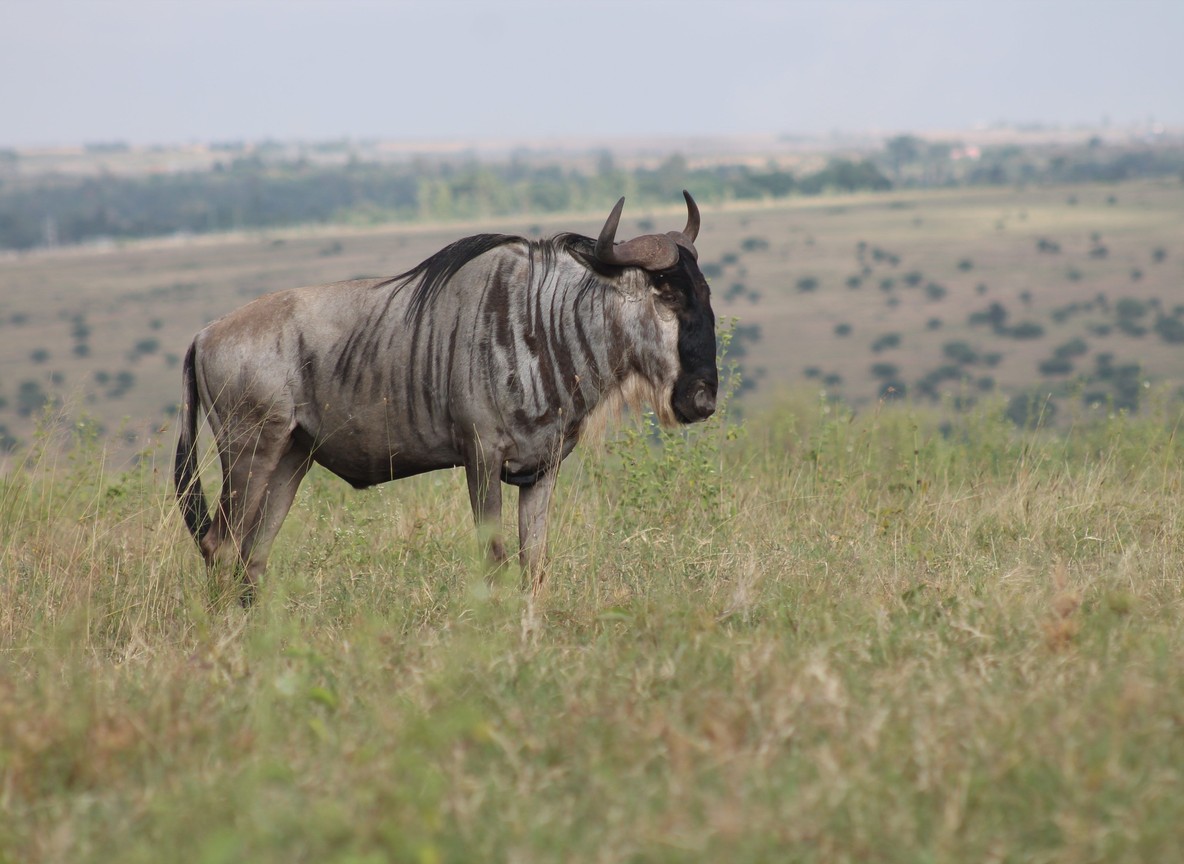
Approximately 1.5 million wildebeest – along with hundreds of thousands of zebra and Thomson’s gazelle – follow a clockwise circuit driven by rainfall and grass availability. Here is where they are at different times of year:
- January to March: Southern Serengeti, where the calving season peaks. This is one of the most dramatic wildlife events in Africa – newborn wildebeest drop at a rate of roughly 8,000 per day at the height of calving, and predators concentrate in extraordinary numbers.
- April to May: Central and western Serengeti as the herds begin moving north.
- June: Grumeti River crossings in the western Serengeti corridor. These are genuine crossing events, though smaller in scale than what happens further north.
- July to October: Herds move into Kenya. The iconic Mara River crossings – where tens of thousands of wildebeest plunge through crocodile-filled water at the great crossing points – happen primarily on the Kenya side during this window. August is typically the peak.
- November: Short rains push the herds back south. The Mara empties out; the southern Serengeti starts filling again.
The practical implication: If you are travelling July through October, the Masai Mara delivers the Mara River crossing experience. If you are travelling November through February, the southern Serengeti’s calving season is a compelling alternative spectacle. For the Grumeti crossings in June, the western Serengeti is the place to be.
Wildlife Beyond the Migration
The migration dominates the conversation, but resident wildlife is strong in both ecosystems year-round.
The Masai Mara is known for one of the highest-density lion populations anywhere in Africa. Several large, well-studied resident prides occupy defined territories and are reliably found by experienced guides. Cheetah are consistently sighted on the open plains. Leopard are present in good numbers, particularly along river corridors. Elephant herds move through the Mara forests and riverbanks. The Mara also records over 450 bird species.
The Serengeti’s greater scale means wildlife is more dispersed – but the numbers are extraordinary. Estimates put some areas of the Serengeti at 70 lions per 100 square kilometres. The southern plains offer cheetah sightings that rival the Mara. The Serengeti’s landscape is also more varied: kopjes (granite outcrops), acacia woodlands, lake ecosystems, and open grassland all feature within the park’s boundaries. A small black rhino population exists in the Moru Kopjes area, though sightings are rare.
At a practical level: The Masai Mara’s smaller size means higher wildlife density per unit of driving time. You cover less ground to see more animals. The Serengeti rewards travellers who want to explore varied landscapes and have more time.
Cost Comparison
This is where a meaningful gap opens up.
| Cost Factor | Masai Mara (Kenya) | Serengeti (Tanzania) |
|---|---|---|
| Park entry fee | $80-$200/day (varies by season) | ~$82/day (TANAPA) |
| Budget camp | From $250/person/night | From $300/person/night |
| Mid-range camp | $350-$700/person/night | $450-$900/person/night |
| Luxury camp | $700-$2,000+/person/night | $900-$3,000+/person/night |
| Internal flight | $150-$250 each way | $200-$350 each way |
| Visa | Kenya eTA ~$32 | Tanzania visa $50-$100 |
The Serengeti commands a premium across almost every cost category. Tanzania’s park fee structure and tourism levy model add up faster than Kenya’s equivalent. High-end properties on both sides reach comparable luxury price points; the gap is most pronounced in the mid-range and budget tiers.
For a 5-night trip, the Masai Mara typically runs 20-35% less expensive all-in than a comparable Serengeti trip. Note that Kenya’s Narok County significantly increased park fees from mid-2026, narrowing the gap during peak migration season.
Getting There: Access and Logistics
Masai Mara: Fly into Nairobi (JKIA or Wilson Airport). Daily scheduled flights on Safarilink, AirKenya, and Fly540 connect Wilson Airport to Mara airstrips – Keekorok, Ol Kiombo, Mara Serena – in approximately 45 minutes. Overland from Nairobi is 5-6 hours by road. Kenya’s eTA is available online and processes quickly.
Serengeti: Fly into Kilimanjaro (JRO) or Dar es Salaam (DAR), then transfer to Arusha or connect to Serengeti airstrips (Seronera, Grumeti, Kogatende, Lobo). The internal flight connections add a full day of travel compared to the Mara. Tanzania requires a separate tourist visa.
For travellers already based in Nairobi, or combining with other Kenya destinations, the Masai Mara is considerably easier to access. The Serengeti makes more sense if you are already in Tanzania or building a Tanzania-primary itinerary that might include Ngorongoro Crater, Zanzibar, or Kilimanjaro.
Travelling directly between the two: There is no direct flight between the Masai Mara and the Serengeti, since one is Kenyan and the other Tanzanian airspace. The Sand River gate on the Mara’s southern boundary sits right at the Serengeti border, but it is largely closed to tourist vehicle traffic outside migration operations. The practical route is a short flight from the Mara to Migori airstrip, a road transfer across the Isebania border post to Tarime on the Tanzanian side, then a connecting flight on to a Serengeti airstrip. Seasonal operators run this route, typically requiring at least two passengers, so book and confirm it in advance rather than assuming it is available on short notice.
Crowd Levels and Vehicle Density
Both destinations struggle with vehicle concentration during peak season. The honest picture:
Masai Mara main reserve: The reserve is Kenya’s most visited park. At the height of migration season – particularly August – it is not unusual to find 15-30 vehicles around an active Mara River crossing. The road network is compact relative to the visitor numbers.
Masai Mara conservancies: This changes everything. The private conservancies surrounding the national reserve – Olare Motorogi, Mara North, Naboisho, Ol Kinyei, and others – operate under strict vehicle limits. Maximum two to four vehicles at any sighting, no exceptions. Night drives are permitted. Off-road driving is allowed. The conservancy experience is genuinely exclusive and often produces better sightings than the main reserve despite sharing the same ecosystem.
Serengeti: The park’s scale absorbs visitors more effectively. The main Seronera hub and active crossing sites in the north get congested, but vast areas of the park remain uncrowded even in peak season. The sense of space is a genuine feature.
For crowd-sensitive travellers, the choices are: Masai Mara conservancy camp (expensive, exclusive), or Serengeti away from the main tourist corridors (requires more planning and distance). On pure scenery, the two parks offer different pleasures rather than a clear winner. The Mara’s rolling grassland and the Oloololo Escarpment give it a classic, cinematic openness, especially at golden hour. The Serengeti’s greater variety, granite kopjes rising out of the plains, the Grumeti’s riverine forest, the short-grass plains near Ngorongoro, rewards travellers who want more visual range across a single trip.
Camp Style and Safari Experience
Both destinations have world-class camp options across all price points.
The Masai Mara is known for classic tented safari camps – canvas walls, wooden floors, outdoor showers, and proximity to wildlife. Conservancy camps are deliberately small, some hosting fewer than 20 guests across the entire property. This model – small guest numbers, high guide-to-guest ratios, flexible game drive scheduling – is one of the strongest arguments for the Mara.
The Serengeti introduced the mobile migration camp concept, where tented camps are struck and relocated to follow the herds through different zones of the park. This is a distinctly different experience to a fixed-location camp and particularly suits travellers who want to stay close to the migration’s front edge throughout their trip.
Both ecosystems have ultra-luxury properties at the top end. The Serengeti’s flagship properties – several run by leading African safari brands – tend to carry higher price tags.
Practical Planning: Who Should Go Where
Choose the Masai Mara if:
- You are travelling July through October and the Mara River crossing experience is a priority
- Cost is a meaningful factor in your planning
- You want exclusive game drives with very few other vehicles (book a conservancy camp)
- You are combining with other Kenya destinations – coast, northern Kenya, Nairobi
- This is your first East African safari and you want maximum wildlife concentration in minimal driving time
Choose the Serengeti if:
- You are travelling January through March and want the calving season on the southern plains
- You are already in Tanzania or building a Tanzania itinerary
- You want the experience of a mobile camp following the migration
- You have more time and want to explore a larger, more varied landscape
- You are combining with Ngorongoro, Zanzibar, or Kilimanjaro
Consider both if: A cross-border itinerary – Kenya’s Masai Mara followed by Tanzania’s northern Serengeti, or the reverse – is the most complete Great Migration experience available anywhere. The two areas complement each other across the migration calendar.
Summary Comparison
| Factor | Masai Mara | Serengeti |
|---|---|---|
| River crossings | Iconic; July-October | Grumeti, June-July |
| Calving season | Nearby but Tanzania-side | Southern plains, Jan-Feb |
| Cost (mid-range) | Lower | 20-35% higher |
| Accessibility from Nairobi | Easy | More connections needed |
| Crowd management | Conservancies solve it | Scale absorbs visitors |
| Camp exclusivity | Conservancy model is world-class | Mobile camps are distinctive |
| Best season | July-October | November-February |
| Wildlife concentration | High (smaller park) | Dispersed but vast |
The Masai Mara and Serengeti are not competitors so much as complements. The decision comes down to when you are travelling, what your priorities are, and whether the logistics of crossing into Tanzania fit your itinerary. For most travellers visiting between July and October, the Masai Mara delivers the migration’s defining moments in a more accessible package. For travellers with flexible timing and a specific interest in calving season or full-circle migration travel, the Serengeti earns its reputation.
Prefer a different route, budget, or travel style? This plan can be adapted to fit.
Customise Your TripFurther reading
More safari planning resources
- Wildebeest migration route map from Valley Safaris
- Great Migration safari collection on FindMySafari
- Interactive Maasai Mara map from Valley Safaris
- Masai Mara destination guide on FindMySafari