The choice between Masai Mara peak vs shoulder season comes down to one clear trade-off: the Great Migration and its river crossings against lower costs, far fewer vehicles, and quieter sightings. Both deliver a genuine safari. What differs is the character of each visit and what you give up to get it.
This guide lays out the honest differences across wildlife, crowd levels, pricing, and conditions so you can match your travel timing to what actually matters on your trip.
When Does Peak Season Run in the Masai Mara?
Peak season spans July through October. These four months align with the wildebeest herds crossing north from Tanzania’s Serengeti plains and the busiest Mara River crossing activity of the year.
What happens month by month:
- July: The first large wildebeest herds reach Kenya. Early river crossings begin.
- August: The single busiest month. Crossings can occur multiple times daily. Camp occupancy and vehicle numbers hit their highest point of the year.
- September: Crossings continue. Herds spread across the wider Mara ecosystem.
- October: Final crossings as herds begin their southward return ahead of the short rains.
A secondary peak runs from late December through January. This coincides with Northern Hemisphere school holidays and draws significant numbers of families and honeymooners. Rates are elevated and availability tightens quickly, though total visitor numbers stay well below the July-August high.
When Is Masai Mara Shoulder Season?
Shoulder season covers the months that sit just outside peak season on either side:
- November: Short rains arrive. Wildebeest herds move south. Visitor numbers drop quickly and rates fall with them.
- January and February: The short dry season. Conditions are clear and warm, with predator density remaining high.
- June: The pre-migration build-up. Herds approach from the Serengeti. The landscape is transitioning from the long rains.
These months are often labeled the Mara’s “quiet season,” but that undersells the wildlife quality on offer.
Masai Mara Peak vs Shoulder Season: Wildlife Compared
The Masai Mara supports resident wildlife year-round. Lions, leopards, cheetahs, elephants, buffalo, and more than 95 species of mammals live in the ecosystem permanently. The migration adds to this rather than replacing it.
Peak season wildlife:
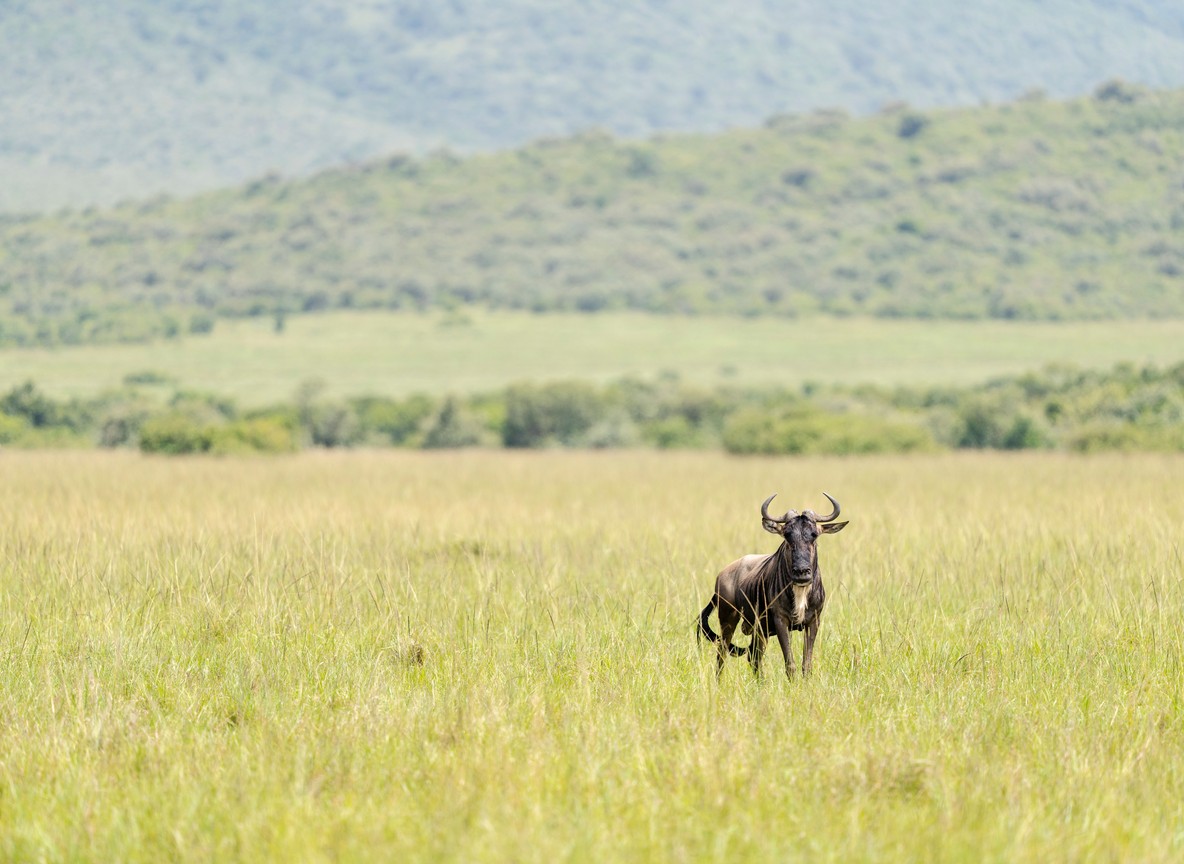
- Wildebeest herds numbering in the hundreds of thousands move through the Mara.
- Mara River crossings bring intense predator-prey events. Crocodiles concentrate at crossing sites.
- Resident and migratory populations overlap, producing maximum wildlife variety.
- Lion prides, cheetah families, and leopards are active and frequently visible, benefiting from abundant prey.
Shoulder season wildlife:
- No wildebeest herds in the Mara itself; they are on the Serengeti or calving further south.
- The full resident population remains active across the reserve.
- January and February coincide with wildebeest calving season on the southern plains just outside the Mara, driving extraordinary predator concentration.
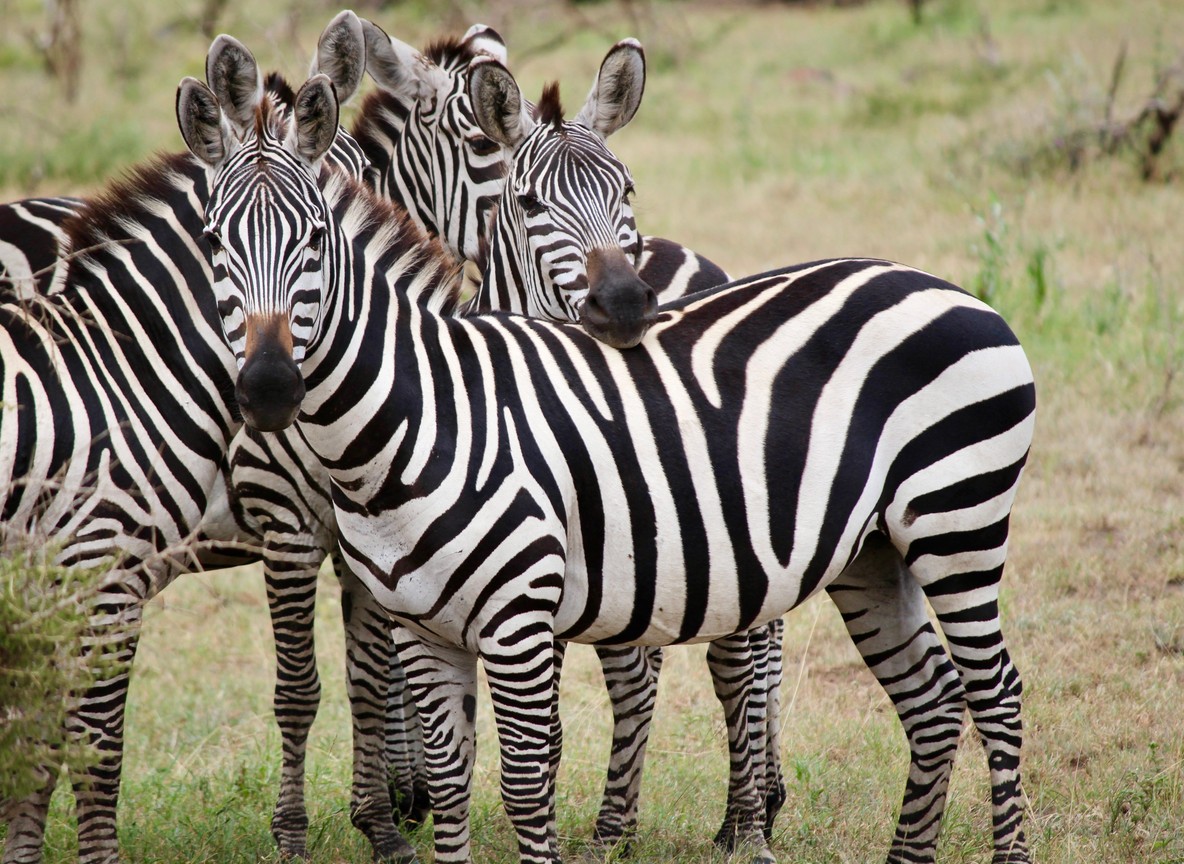
- June brings zebra herds ahead of the main wildebeest movement, along with early migration scouts in strong years.
- November produces newborn prey animals after the short rains, pulling predators into high activity against vivid green scenery.
| Wildlife factor | Peak season (Jul-Oct) | Shoulder season (Jan-Feb, Jun) |
|---|---|---|
| Great Migration herds | Yes | No |
| Mara River crossings | Yes | No |
| Big cat sightings | Excellent | Excellent |
| Predator activity | Excellent | Very good |
| Vehicle density at sightings | High | Low to moderate |
| Photography conditions | Dusty, golden light | Clear light, green landscapes |
One honest note: for big cat viewing specifically, shoulder months, particularly January, February, and June, can produce better individual sighting quality than peak season. Fewer vehicles at each location let guides spend extended time following behavior rather than managing vehicle positioning.
Crowd Levels and Sighting Quality
During August, an active Mara River crossing commonly attracts 40 to 60 safari vehicles. Popular lion or cheetah sightings draw multiple vehicles within minutes. This is a consistent feature of peak season in a well-road-networked open reserve.
In shoulder months, the same lion pride at a kill might attract 5 to 8 vehicles rather than 30. A cheetah on the open plains may have 2 or 3 vehicles nearby instead of 15. Photography is cleaner. Guides have more room to work and can stay with a subject longer without vehicle pressure.
For travelers who find dense vehicle concentrations at sightings frustrating, the shoulder season, or time spent in the private conservancies that enforce strict vehicle caps year-round, delivers noticeably better individual sighting quality.
Cost Differences Between the Seasons
The pricing gap is substantial and often underestimated when travelers first start comparing options.
Peak season rates at most Masai Mara camps run 30 to 60 percent above shoulder season rates. Top-tier camps charge their highest tariffs during July and August. Domestic bush flight prices also rise with demand. Booking windows of 6 to 12 months are standard for preferred properties during the peak.
Shoulder season pricing by month:
- January and February: Lower rates, easier availability, and dry conditions that rival peak season quality in almost every respect except the migration itself.
- June: Rates sit between shoulder and peak. Demand builds as migration anticipation grows but full peak pricing has not yet kicked in.
- November: Lowest rates of the year outside the April-May long rains. Vivid green landscapes and active predators at meaningful cost savings.
For travelers weighing value against experience, January-February and June represent the strongest combination of wildlife conditions and reduced cost.
Peak Season: The Case for Going High-Season
The Mara River crossing is one of the most dramatic wildlife events on earth. Thousands of wildebeest massed at the riverbank, the stillness before they commit, the surge into the water, the crocodiles below. That sequence happens here, in these months, and nowhere else on the continent in quite the same way.
If witnessing the migration at its most intense is the primary purpose of your trip, July through October is the right window. Accept that vehicle density at crossing sites is part of the context. Mitigate it by choosing a camp with a strong position on the river and by spending time in the private conservancies where vehicle limits apply year-round.
Shoulder Season: The Case for Going Off-Peak
January and February are dry, clear, and warm. Predator activity is high. The wildebeest calving on the southern plains brings its own drama, with cheetahs, lions, and hyenas following the herds closely. Rates are competitive and camp availability is good. A number of experienced safari travelers rate this window as the most rewarding time of year in the Mara.
June offers the anticipation of the incoming migration, arriving zebra herds, and a landscape that is still partly green from the April rains. Vehicle numbers are manageable. Some early wildebeest movement is already visible in strong years.
November is the value window. Brief afternoon rains clear quickly. The landscape is photogenic and dynamically lit. Prices are at their lowest point of the year. For budget-conscious travelers and photographers drawn to green-season light and dramatic skies, November is consistently underestimated.
Explorer Notes
- Preferred camps along the Mara River during July and August book out 6 to 12 months ahead. Build this lead time into any peak-season plan.
- Private conservancies surrounding the Mara, including Olare Motorogi, Naboisho, and Mara North, enforce vehicle limits at sightings year-round. If crowd levels concern you, adding a conservancy night is the most reliable way to improve sighting quality.
- The wildebeest calving in January-February takes place on the Tanzanian side of the border but draws predators that range into the Mara. A guide familiar with both sides adds meaningful value in this window.
- November light is soft and dramatic after afternoon showers. Wide-angle landscape work and close animal portraits both reward photographers who plan for this month.
- June is one of the few windows where early migration scouts may already be visible in the Mara while vehicle concentration remains below peak levels.
Conclusion
The Masai Mara peak vs shoulder season decision rests on what you are traveling to see and what you are prepared to spend. Peak season offers the Mara River crossing, an experience that cannot be replicated anywhere else. Shoulder season offers the same exceptional reserve, the same resident wildlife, meaningfully better sighting conditions per vehicle, and significantly lower costs. Neither choice is wrong. The best timing is the one that matches your actual priorities.
Prefer a different route, budget, or travel style? This plan can be adapted to fit.
Customise Your Trip