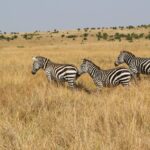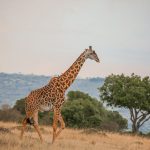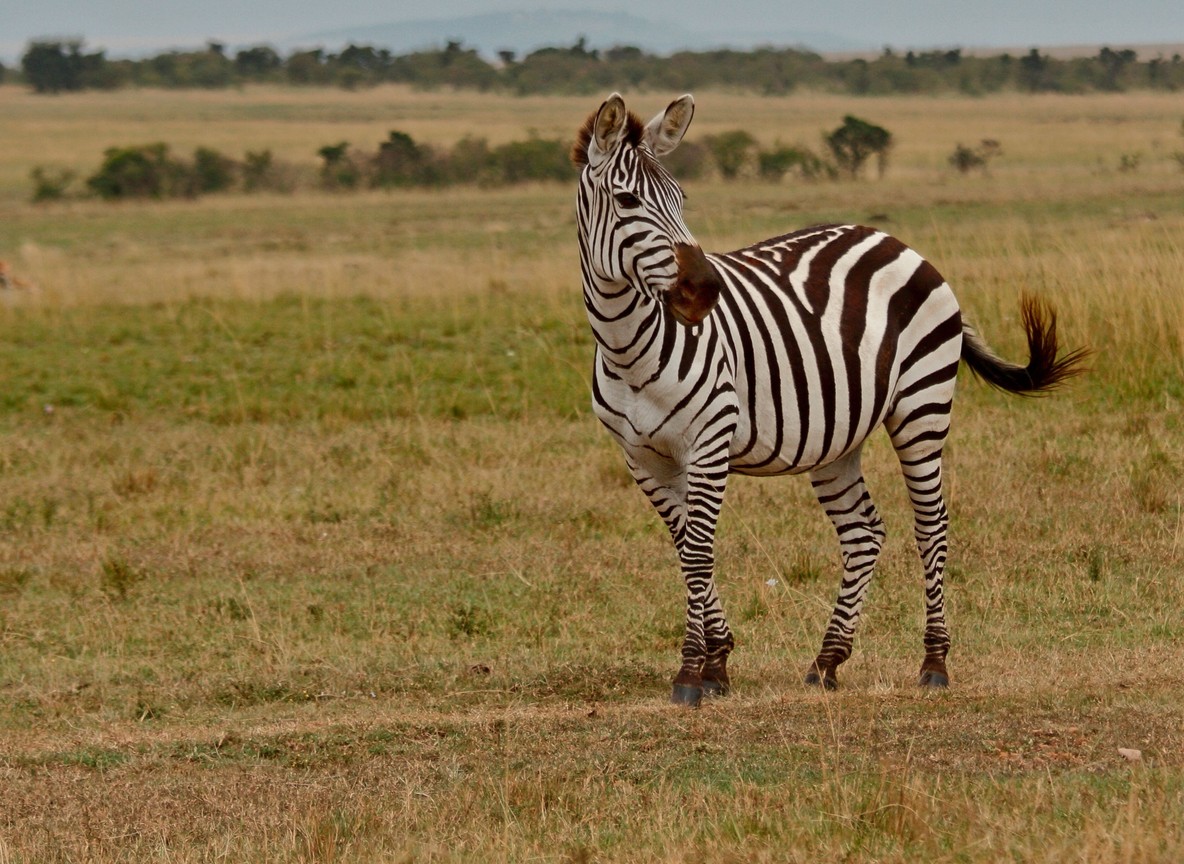
The Masai Mara in Kenya and the Serengeti in Tanzania are not two separate parks that happen to be adjacent. They form a single continuous ecosystem, divided only by a border drawn during the colonial era. The wildebeest herds that define both parks do not recognize that line. They follow rainfall and grass growth across both countries in an annual circuit covering roughly 1,800 kilometers.
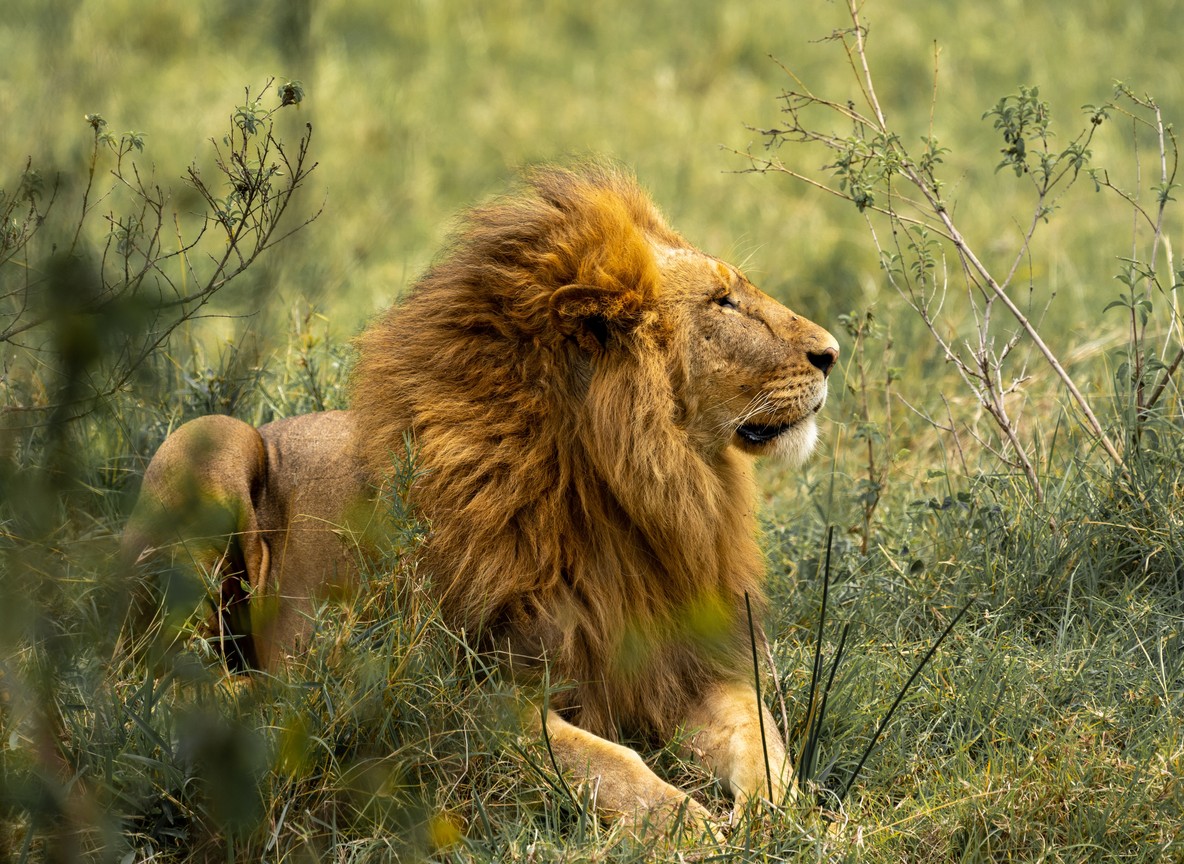
A combined Masai Mara and Serengeti safari lets you follow that circuit. You experience different phases of the Great Migration in each country, move between distinct landscapes and camp settings, and leave with a fuller understanding of how the East African savanna actually functions. This guide covers the timing, logistics, visas, costs, and practical steps for planning a trip that takes in both parks.
Why the Masai Mara and Serengeti Function as One System
The Masai Mara National Reserve occupies southwestern Kenya, directly north of Tanzania’s Serengeti National Park. Together, they make up the Greater Serengeti-Mara Ecosystem, a stretch of open grassland, acacia woodland, and riverine forest that supports one of the largest concentrations of wildlife on earth.
The political border separates them administratively. The wildlife ignores it. Lion prides cross between the two sides. Elephant herds move seasonally without regard for the boundary line. The same wildebeest you watch crossing the Mara River in September may have given birth on the Serengeti’s southern plains in February.
This ecological continuity is the core reason for combining both parks into one itinerary. You are not visiting two similar destinations. You are visiting two phases of the same living system at different points in its cycle.
Timing a Masai Mara and Serengeti Safari Around the Migration
The Great Migration follows a predictable seasonal pattern, though the exact timing shifts year to year depending on rainfall. Understanding this calendar is central to planning a combined trip that catches meaningful activity on both sides of the border.
January to March: The wildebeest calving season unfolds on the Serengeti’s short-grass southern plains, concentrated around the Ndutu area. Around half a million calves are born within a matter of weeks. Predator activity is intense. This is one of the most dramatic wildlife spectacles in Africa, and it takes place entirely in Tanzania.
April to June: The main herds move northward through the central Serengeti toward the Western Corridor. Crossings of the Grumeti River begin in June, typically smaller in scale than the famous Mara crossings but still significant. Kenya’s Masai Mara is quieter during these months, though its resident wildlife remains strong year-round.
July to October: The herds reach the Masai Mara, and the Mara River crossings begin. Large groups of wildebeest plunge into crocodile-filled water to reach the northern Mara grasslands. Peak activity falls in August and September. This is the period most associated with Kenya safari photography.
November to December: The herds move south again through the Serengeti. This transitional period draws fewer visitors and can offer good game viewing with less competition for prime sightings.
For a combined trip, two timing strategies work well. Travelers with a January-to-June window should base their itinerary in Tanzania first to catch the calving season or the Grumeti crossings, then add the Masai Mara as a second leg. Travelers visiting between July and October should open in the Masai Mara for the river crossings, then move into Tanzania for the northern Serengeti landscapes and Ngorongoro Crater.
How to Cross the Kenya-Tanzania Border
Three practical options exist for moving between the two countries.
Commercial flights are the most straightforward choice. Nairobi’s Jomo Kenyatta International Airport connects to Kilimanjaro International Airport and Arusha Airport in Tanzania. The flight takes roughly one hour. Fares typically fall between $150 and $300 per person each way, depending on airline and booking window.
Charter flights are faster and more direct for travelers already based in the bush. Private aircraft can depart from Masai Mara airstrips, including Kichwa Tembo, Ol Kiombo, and Musiara, and fly directly to northern Serengeti airstrips such as Kogatende, Lobo, or Kleins Camp. The flight takes one to two hours and removes the need to pass through Nairobi. Charter costs vary with aircraft type and group size.
Road crossing at the Namanga border post between Kenya and Tanzania is the most economical option. The drive from Nairobi to Arusha takes four to five hours. This route works for travelers with time flexibility who prefer to avoid extra flights, but it adds a transit day to the itinerary.
Visas, Park Fees, and Entry Requirements
Kenya entry for most nationalities requires an Electronic Travel Authorisation (eTA), applied for online before departure. The current fee is $30 USD for most passport holders.
Tanzania entry for most nationalities requires a visa. The single-entry visa costs $50 USD and is available on arrival at major entry points or through the Tanzania e-visa portal. Travelers combining Kenya, Uganda, and Tanzania can apply for the East Africa Tourist Visa at $100 USD, which covers all three countries and offers better value on multi-country trips.
Serengeti park fees in Tanzania are $70 USD per person per day. The Ngorongoro Conservation Area charges a separate crater descent fee of $70 USD per person per day plus per-vehicle fees. Many mid-range and luxury camps include park fees in their daily rate, but confirm this at the time of booking.
Masai Mara fees depend on where you stay. The national reserve charges fees set by the Nairobi County government. Private conservancies bordering the reserve, including Mara North, Olare Motorogi, and Naboisho, charge separate conservancy fees that are typically bundled into the camp rate.
What a Combined Itinerary Costs
A combined Masai Mara and Serengeti safari requires at minimum 12 days to visit both parks with enough time in each. Most travelers plan 12 to 14 nights.
| Component | Estimated Cost Per Person |
|---|---|
| Masai Mara accommodation, 7 nights (mid to luxury) | $2,100 to $10,500 |
| Serengeti accommodation, 5 nights (mid to luxury) | $2,000 to $8,000 |
| Cross-border flights, return | $300 to $800 |
| Tanzania visa | $50 to $100 |
| Tanzania park fees, if not bundled | $70 per person per day |
Total costs for a 12-day combined itinerary typically fall between $5,000 and $22,000 per person, depending on accommodation tier and flight choices. Mid-range tented camps sit at the lower end. Private concession camps and luxury conservancy properties sit at the top.
Explorer Notes
Build in a buffer day. Cross-border logistics, including flights, immigration, and camp transfers, can run longer than expected. A spare day in Nairobi or Arusha gives you room to absorb delays without losing game drive time.
Prioritize the northern Serengeti for migration overlap. If the Great Migration is your primary draw, the Kogatende and Lobo areas in the northern Serengeti are where Mara River crossings happen on the Tanzanian side of the border. These crossings are often less crowded than those in the Kenyan Mara, with similar quality sightings.
Adding Ngorongoro requires extra time. The crater sits about a two-hour drive from Arusha and benefits from an overnight stay on the rim to allow a full-day descent. Budget at least two extra days in Tanzania to include it properly.
Private conservancies around the Mara add flexibility. Camps inside the Mara North, Olare Motorogi, or Naboisho conservancies permit night drives and off-road vehicle movement that the national reserve itself does not allow. If the itinerary allows it, a few nights in a conservancy adds a different dimension to the Kenya leg.
Carry your yellow fever vaccination card. This is not always required but may be requested by immigration officers at East African border crossings, particularly if you have recently passed through a yellow fever risk country. Having the card avoids delays.
A Masai Mara and Serengeti safari covers two of the most celebrated parks in Africa without requiring you to choose between them. With 12 or more days, good timing relative to the migration calendar, and clear logistics across the Kenya-Tanzania border, both sides of the ecosystem are within practical reach. Verify current park fees, visa costs, and entry requirements through the Kenya Wildlife Service and Tanzania National Parks websites before finalizing plans, as these figures update periodically.
Prefer a different route, budget, or travel style? This plan can be adapted to fit.
Customise Your TripFurther reading
More safari planning resources
- Interactive Maasai Mara map from Valley Safaris
- Masai Mara destination guide on FindMySafari
- Wildebeest migration route map from Valley Safaris
- Great Migration safari collection on FindMySafari
Related guides: Tanzania’s New Serengeti Golf Course: Should It Change Your Trip?.