On 27 June 2026, several thousand runners will take to the open savannah of the Lewa Wildlife Conservancy in northern Kenya for what is consistently rated among the world’s most unusual running experiences. The Lewa Safari Marathon is not a city road race. It is a 21km or 42km course across untamed Laikipia plateau terrain, with black rhino, elephant, and buffalo as the backdrop — and conservation as the reason.
Since the race began in 1999, it has raised over KSh 1.3 billion for conservation and community development in the Lewa ecosystem and beyond. That money funds wildlife ranger salaries, anti-poaching operations, school fees for Maasai and Samburu children, and veterinary care for the black rhino population that Lewa helped rescue from near-extinction in northern Kenya.
What the Race Involves
The marathon and half-marathon courses run across Lewa Conservancy at altitudes between 1,700 and 1,800 metres above sea level. The altitude alone makes this a serious athletic undertaking — finishing times run significantly slower than sea-level equivalents. Participants range from elite Kenyan distance athletes to first-time marathon runners from around the world.
Security is managed by armed rangers who monitor the course perimeter for wildlife. The race has an excellent safety record across its 25-year history. Wildlife encounters during the race are part of the experience rather than a hazard to be managed around.
Entry is competitive. Slots fill months in advance. Registration opens through the official Lewa Safari Marathon website (lewasafarimarathon.com), with a portion of entry fees going directly to conservation programs alongside any personal fundraising.
The course itself covers the open grassland of the Laikipia plateau — volcanic upland terrain with long sightlines, dramatic Mount Kenya views, and the characteristic mix of highland acacia scrub and open plain that makes the Lewa landscape visually distinctive from anything in the Mara or Amboseli.
The Conservation Context
The Lewa Safari Marathon exists specifically to fund Lewa Wildlife Conservancy’s operational costs. The conservancy covers 25,000 acres on the Laikipia Plateau and holds one of Kenya’s most significant black rhino populations. It is a UNESCO World Heritage Site, inscribed as part of the Mount Kenya World Heritage Site buffer zone.
Race entry fees and runner fundraising contribute to:
- Ranger salaries and anti-poaching patrol costs
- Veterinary care for rhinos, including the new LiNK veterinary laboratory opened in June 2026
- Community programmes across adjacent Maasai and Samburu communities (40+ schools, health outreach to over 75,000 people)
- Wildlife monitoring technology including GPS and VHF tracking for every rhino on the conservancy
For runners motivated by more than personal performance, this context transforms the race into something closer to a conservation expedition with a starting gun. The runners’ presence on the conservancy — and the money they raise — directly fund the infrastructure that keeps Lewa’s rhinos alive.
Combining the Marathon With a Safari
The Lewa Wildlife Conservancy sits in the Laikipia region, roughly 250 kilometres north of Nairobi — a 30-minute charter flight from Wilson Airport or a 4-hour drive via Thika and Nanyuki. The surrounding landscape is worth exploring before and after the race.
Suggested race-week structure:
| Component | Option A (fly-in) | Option B (road) |
|---|---|---|
| Nairobi to Lewa | 30-min charter from Wilson | 4-hour drive via Thika/Nanyuki |
| Pre-race nights | 2 to 3 nights Lewa or Laikipia camp | 1 to 2 nights (road time reduces pre-race days) |
| Race day | Logistics coordinated from camp | Same |
| Post-race recovery | 1 to 2 nights reduced activity | Same |
| Recommended total duration | 5 to 7 days | 5 to 7 days |
Pre-race days are ideal for game drives and conservation briefings that frame what you will run through on race day. Knowing that the animals alongside the course are individually tracked by name adds a different dimension to running past a black rhino at kilometre 18.
Post-race recovery safaris at reduced activity level — slower drives, more time at waterholes, less early-morning rushing — work particularly well at Lewa. The conservancy’s cool highland temperatures and the camp rhythm of relaxed afternoon viewing suit tired legs.
The Laikipia Landscape as a Safari Destination
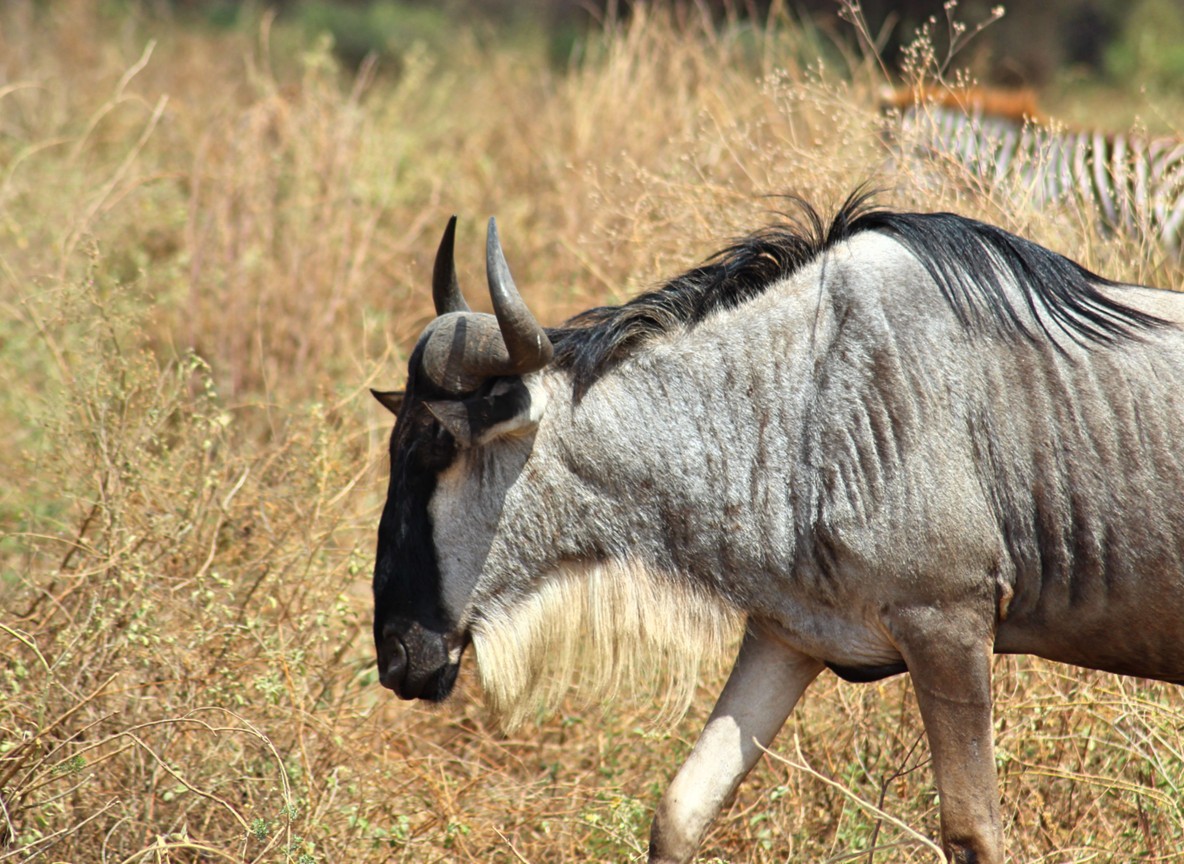
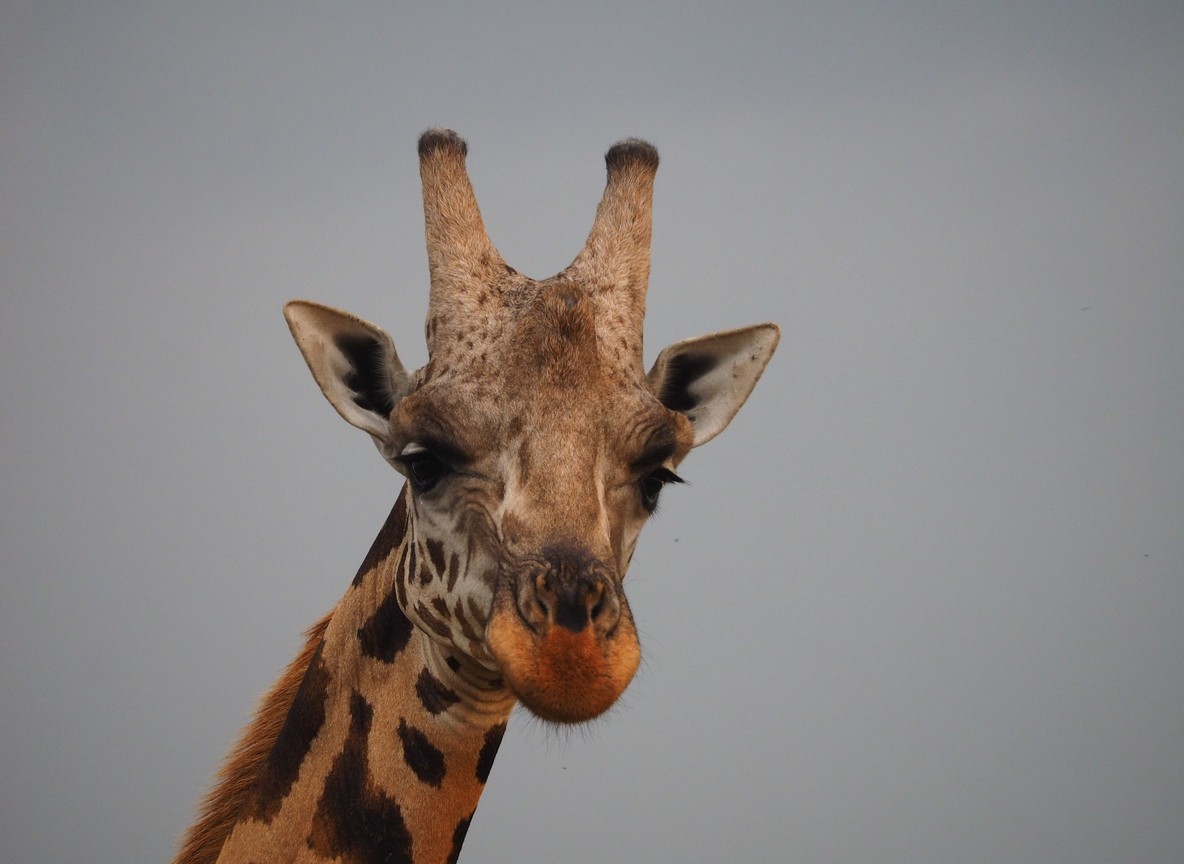
Lewa and its neighbouring Laikipia properties offer a safari experience that is fundamentally different from the southern circuit parks. The wildlife list includes species absent from the Masai Mara and Amboseli: Grevy’s zebra (endangered), reticulated giraffe, beisa oryx, gerenuk, Somali ostrich, and African wild dog.
The Big Five are all present at Lewa. Lions roam stable prides across the grassland zones. Leopards use the rocky ridgelines and riverine thicket and are regularly encountered on night drives. Elephants cross through the conservancy in herds of 30 to 50 using the Ngare Ndare Forest corridor. The rhino population delivers some of the highest sighting rates per game drive of any wildlife area in East Africa.
Visitor numbers at Lewa are substantially lower than at the Masai Mara. The camps are small — none hold more than 16 guests — and the guiding is intensive. This is a destination where the guide-to-guest ratio matters and where repeat visitors come specifically for what the Mara cannot offer.
Camps inside Lewa Wildlife Conservancy:
| Camp | Style | Capacity | Key Feature |
|---|---|---|---|
| Lewa Safari Camp | Classic tented (Elewana Collection) | 12 guests | Dedicated rhino tracking drives |
| Lewa Wilderness | Highland farm lodge | 16 guests | Craig family-owned; original Lewa character |
| Lewa House | Exclusive-use house | 16 guests | Full conservancy buy-out for groups |
| Sirikoi | Owner-run luxury | 10 guests | Guide-intensive; near 1:1 guest ratio |
Combining Lewa With Other Northern Kenya Destinations
The marathon week creates a natural entry point for a broader northern Kenya circuit that many travellers never do. Lewa is the anchor for several itineraries worth considering:
Lewa + Samburu: Samburu National Reserve sits 80 kilometres east of Lewa. Combining the two covers the Laikipia plateau and the riverine game-viewing of the Ewaso Nyiro River — where crocodile, elephant, leopard, and the Samburu Special Five (Grevy’s zebra, reticulated giraffe, Somali ostrich, gerenuk, beisa oryx) are easily accessible.
Lewa + Borana: Borana Conservancy shares a fence with Lewa and has its own rhino population, wild dog pack, and a private wilderness feel. Combining the two over 6 to 7 nights gives access to a continuous 50,000-acre wildlife landscape.
Lewa + Matthews Range: For the most remote northern Kenya experience, the Matthews Range forest conservancy north of Samburu adds forest elephant, kudu, and a walking-first safari philosophy to the circuit.
For context on the timing, logistics, and wildlife conditions across northern Kenya’s main destinations, see touringinsights.com/lewa-wildlife-conservancy for the full Lewa guide and touringinsights.com/best-time-to-visit-northern-kenya-month-by-month-safari-conditions for the seasonal planning context.
Practical Information for 2026
Race date: 27 June 2026
Distances: Full marathon (42km) and half-marathon (21km)
Registration: lewasafarimarathon.com — entries fill months in advance; check the site for 2026 availability
Getting to Lewa: Charter flights from Wilson Airport, Nairobi, to Lewa Downs airstrip are the fastest option (approximately 30 minutes). Scheduled flights to Nanyuki and road transfer are an alternative. Road from Nairobi via Thika and Nanyuki takes approximately 4 hours in good conditions.
Camp booking: Lewa’s four camps are small and fill quickly during the marathon week. Planning 6 to 9 months ahead for the race period is advisable.
What to bring for the race: Altitude-appropriate training is important if your base is near sea level. The 1,700 to 1,800 metre elevation affects pace and recovery. Light layers for pre-dawn starts and sun protection for the open grassland sections are essential.
Turn this reading into a real itinerary with help from a Kenya-based safari team.
Start Planning Your Safari