Most Kenya park experiences ask readers to stay inside a vehicle. Hell’s Gate National Park is interesting because it breaks that rule. Near Lake Naivasha, in the Rift Valley, it gives visitors a way to move through wildlife country by bicycle and on foot, framed by cliffs, volcanic rock, geothermal features, and open grazing ground rather than by the roofline of a safari vehicle.
That difference is what makes the park memorable. This guide looks at what makes Hell’s Gate unusual, how the cycling and gorge walking experiences actually feel, what wildlife readers are likely to encounter, why the geothermal landscape matters, and how the park works especially well when paired with Lake Naivasha instead of treated as a stand-alone stop. The lake-side half of that pairing is covered in the Lake Naivasha guide.
Why Hell’s Gate Feels Different
The defining feature of Hell’s Gate National Park is not only scenery. It is access. Readers can cycle and walk through a national-park landscape with zebra, giraffe, buffalo, antelope, cliffs, towers, and steam vents around them. Very few East African parks offer that kind of bodily freedom.
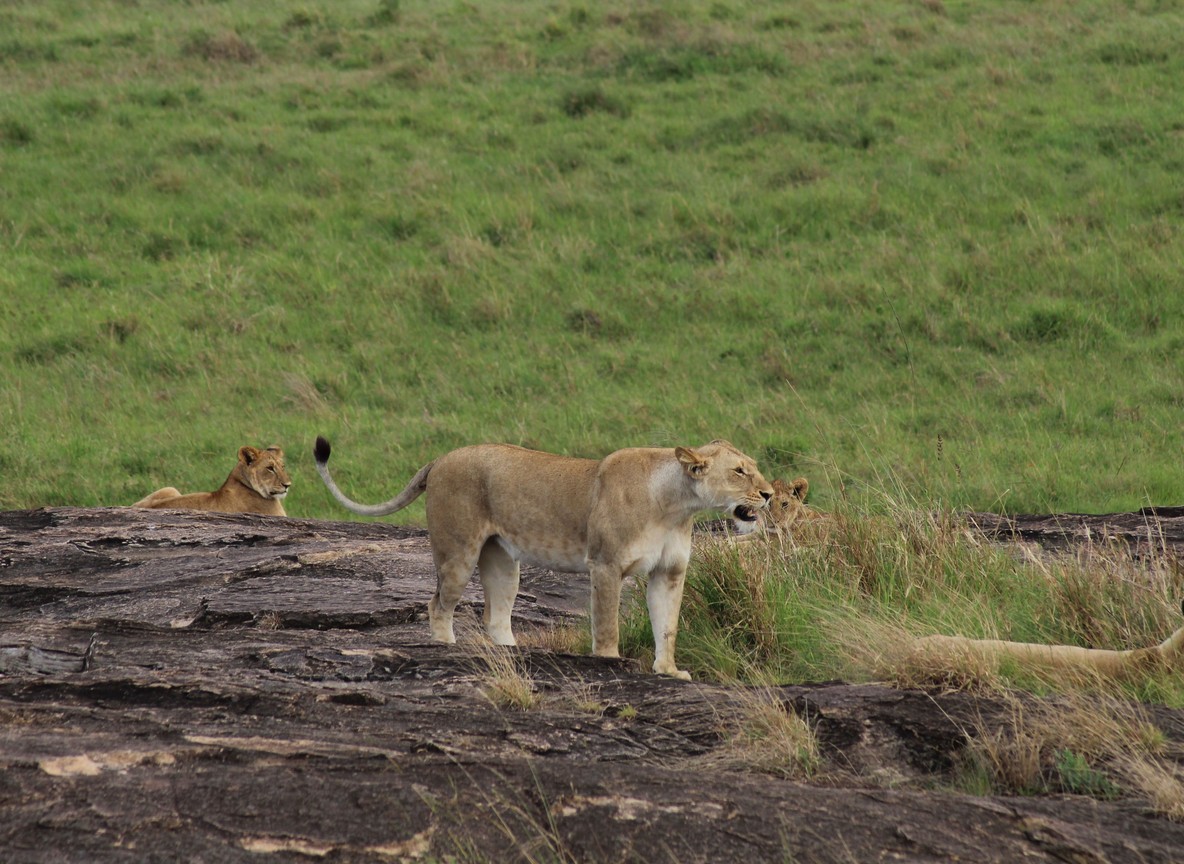
The reason is ecological as much as experiential. The park does not function as a big-cat landscape in the way the Mara or Amboseli does, which makes non-motorized movement practical in a way it would not be in predator-heavy ecosystems.
That changes the whole mood of the visit. Readers are not observing distance through glass. They are moving inside the landscape at human speed.
Cycling in Hell’s Gate
Cycling is the experience most people associate with the park, and for good reason. It turns the route into something more participatory than a normal wildlife drive.
What the Ride Is Like
The riding itself is usually manageable rather than technical. Tracks are broad and generally accessible, and the challenge tends to come more from sun, distance, and stops than from difficult terrain.
What makes cycling in Hell’s Gate memorable is the rhythm:
- long open stretches with cliff walls on both sides
- wildlife grazing or crossing ahead of the route
- the slow build toward the gorge zone
- the feeling of moving through a national park without the acoustic barrier of an engine
That last point matters more than many first-time readers expect. Silence changes attention.
Wildlife on the Cycling Route
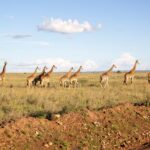
The park does not deliver huge safari densities, but the species encountered feel closer because of the format. Zebra, giraffe, warthog, antelope, and buffalo are among the animals readers may see while riding. Even common species can feel newly impressive when encountered from a bicycle rather than through a game-drive window.
This is why the park often stays in memory out of proportion to its size. The format intensifies relatively ordinary sightings by changing distance, pace, and vulnerability. Readers fitting Hell’s Gate into a wider Rift Valley route can also compare it with the Lake Nakuru guide.
Hiking the Gorge
If cycling gives the park breadth, the gorge gives it texture. The shift from open valley riding to confined rock passage is one of the main reasons the park works so well as a half-day or full-day experience.
Ol Njorowa Gorge
The gorge area introduces a more physical, enclosed side of Hell’s Gate Naivasha. Rock walls narrow, light changes, the ground becomes more uneven, and geothermal traces start to feel less like scenery and more like part of the structure of the place.
This is not simply a scenic walk. It is a move into the geological heart of the park. Readers who enjoy landscape as much as wildlife often find the gorge more memorable than the animals.
Fischer’s Tower
Fischer’s Tower is one of the park’s best-known rock landmarks. Beyond its visual appeal, it helps explain why Hell’s Gate leaves such a distinctive impression. The park is not only about animals in a Rift Valley setting. It is about volcanic architecture, exposed processes, and the feeling that the land itself is active and unfinished.
The Geothermal Landscape
One of the most interesting things about the park is that the scenery is not merely dramatic. It is geologically informative. Steam vents, heated ground, and volcanic formations place Hell’s Gate within the wider geothermal story of the Rift Valley.
Readers often treat the geothermal element as backdrop, but it deserves more attention. It explains:
- why the land feels physically different from many other Kenya parks
- why the gorge and rock towers look the way they do
- how the wider Naivasha-Olkaria area links landscape with energy production
This gives the park intellectual depth. It is one of those places where a visit can be enjoyable at face value or much richer if readers pay attention to the geology under the wildlife experience. For readers comparing active landscapes against more classic safari formats, the wider Kenya safari overview is a useful companion.
Wildlife at Hell’s Gate
No one should visit expecting a classic big-game spectacle. That would misunderstand the park. Its strength is not density. It is access and context.
What readers commonly value includes:
- zebra encountered at eye level while riding
- giraffes moving along the valley floor
- buffalo adding a necessary sense of caution and respect
- birdlife working the cliff and thermal systems
The bird dimension is especially relevant. Raptors and cliff-associated species make strong use of the terrain, which gives the sky above the park nearly as much importance as the ground below it.
Why It Pairs So Well With Lake Naivasha
The strongest version of a Lake Naivasha day trip often includes Hell’s Gate rather than treating the lake as the only stop. The reason is contrast.
Lake Naivasha gives readers:
- water and papyrus
- boat movement instead of cycling
- hippos and waterbirds
- a quieter, more reflective rhythm
Hell’s Gate then adds:
- cliffs and dry valley structure
- active movement on land
- geology and hiking
- a more physical engagement with the landscape
Together they create one of the most balanced short-format days in the Rift Valley. Without the lake, Hell’s Gate can feel singular but narrow. Without the park, Naivasha can feel scenic but incomplete. Combined, they explain each other.
What Kind of Reader Will Value It Most
Hell’s Gate tends to appeal strongly to:
- readers who enjoy active travel rather than vehicle-only experiences
- travelers wanting a Rift Valley stop that feels distinct from classic safari parks
- people interested in geology as much as wildlife
- short-trip visitors building a Nairobi or Naivasha-based day out
It may suit less well:
- readers focused primarily on predator viewing
- travelers with very limited mobility
- people expecting a park to deliver intensity through animal volume alone
How to Think About Safety and Practicality
Because the park allows cycling and walking, readers sometimes either overestimate or underestimate the risk. The reality sits in the middle. Hell’s Gate is more accessible than predator-heavy parks, but it is still a wildlife landscape. Buffalo and terrain both deserve respect.
A sensible visit means:
- understanding the physical demands of cycling or walking in heat
- keeping distance from wildlife rather than treating the park like a recreation trail
- treating the gorge as real terrain, not as a themed attraction
- pairing the visit with enough water, time, and patience
Readers who approach it this way usually find the experience liberating rather than stressful.
Explorer Notes
- Hell’s Gate is memorable because of movement format, not because it competes with the Mara on wildlife density.
- The park works best when readers care about geology, access, and bodily experience as much as species lists.
- Cycling changes the scale of wildlife encounters.
- The gorge gives the visit a second act instead of repeating the open-valley mood.
- Pairing the park with Lake Naivasha usually produces the strongest short itinerary in the area.
Frequently Asked Questions
Is Hell’s Gate good for cycling?
Yes. That is one of its defining features and one of the main reasons readers visit.
Can readers walk in Hell’s Gate?
Yes, in designated areas and with the appropriate arrangements for the gorge section.
Is Hell’s Gate mainly about wildlife?
Partly, but not only. The park is equally about access, geology, and the unusual experience of moving through a national park on foot or by bicycle.
Can Hell’s Gate and Lake Naivasha fit in one day?
Yes. In fact, that combination often creates the best overall rhythm.
Is Hell’s Gate a substitute for a classic safari park?
No. It works best as a different kind of park experience rather than as a replacement for predator-focused reserves.
Conclusion
Hell’s Gate National Park stands out because it changes how readers relate to a wildlife landscape. Instead of staying seated and looking outward, visitors pedal, walk, sweat, pause, and move through the space directly. The wildlife may be lighter than in Kenya’s most famous reserves, but the sense of physical presence is stronger.
That is why the park holds its place so well in Rift Valley travel. It offers not only scenery and animals, but a different grammar of safari entirely. Paired with Lake Naivasha, it becomes one of the clearest examples of how varied Kenya’s short-format nature experiences can be.
Turn this reading into a real itinerary with help from a Kenya-based safari team.
Start Planning Your Safari