
What Makes Kenya’s Conservancies Different (And Better)
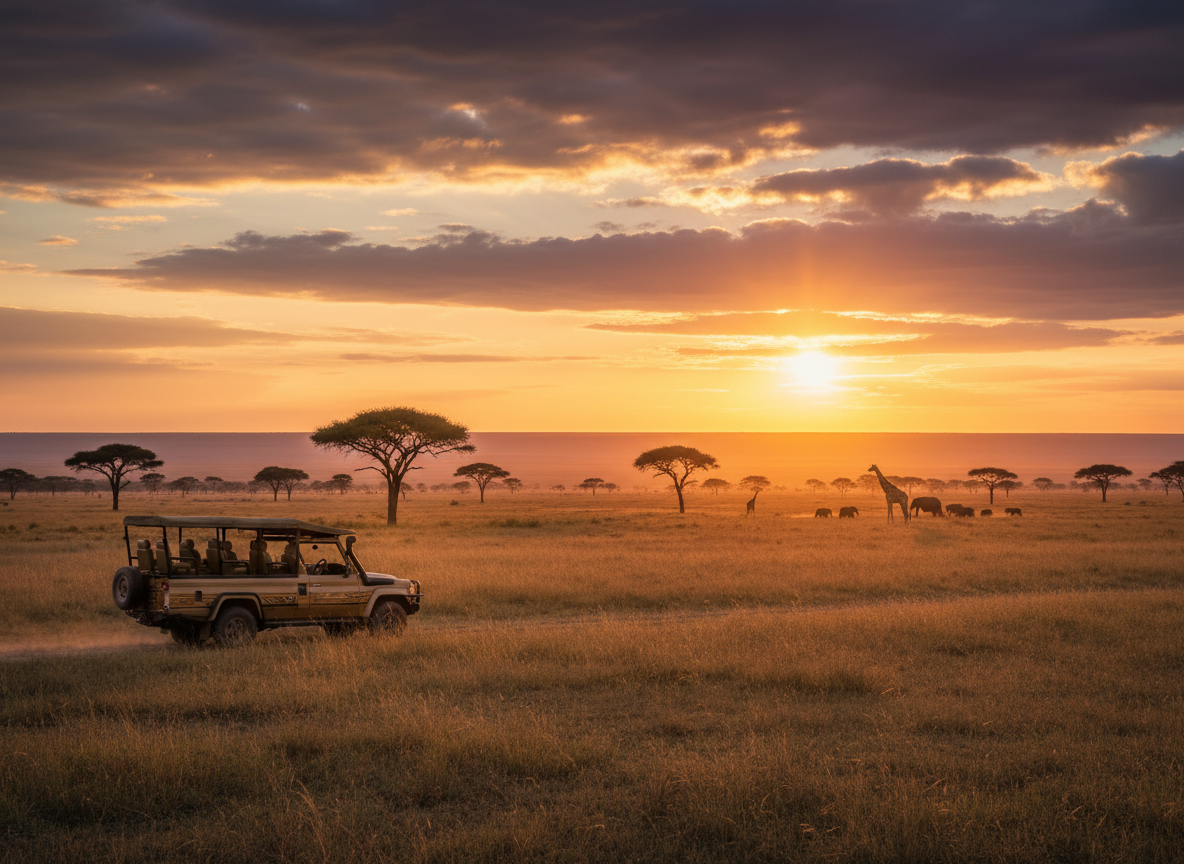
You’ve seen the photos: twenty safari vehicles circling a single lion kill in the Masai Mara. Crowds at river crossings. Lodges packed with hundreds of guests.
That’s the reality of Kenya’s national parks and reserves during peak season—incredible wildlife, but shared with everyone else.
Kenya’s private conservancies offer something different:
Exclusive access. Fewer vehicles. Off-road driving. Night drives. Walking safaris. Direct conservation impact.
Conservancies aren’t just “less crowded” versions of national parks—they’re fundamentally different safari experiences that prioritize wildlife, community benefit, and guest exclusivity over mass tourism.
If you want the Kenya safari experience without the crowds, conservancies are the answer.
What Is a Wildlife Conservancy?
The Model That Changed Kenyan Safari
A wildlife conservancy is privately managed land leased from local Maasai landowners, who receive direct income in exchange for protecting wildlife habitat instead of converting it to agriculture or livestock grazing.
How it works:
- Maasai communities lease their land to conservation organizations or safari operators
- Landowners receive guaranteed income (often more than they’d earn from farming or cattle)
- Wildlife populations recover and thrive
- Safari lodges operate with strict guest limits and environmental standards
- Revenue funds community development (schools, healthcare, water projects)
The result: A conservation model that benefits wildlife, local communities, and travelers—without relying on government funding or charity.
Why Conservancies Offer Better Safari Experiences
Exclusive Access and Low Vehicle Density
National reserves allow unlimited vehicles. Conservancies restrict access to guests staying within their boundaries.
What this means:
- You’ll rarely see more than 2–3 vehicles at a sighting (often you’re alone)
- No crowds at popular spots
- Guides can position vehicles for optimal viewing and photography
- Peaceful, immersive wildlife encounters
Off-Road Driving (The Game-Changer)
In national reserves, vehicles must stay on designated roads. In conservancies, guides can drive off-road to follow wildlife.
What this means:
- Track cheetahs across open plains
- Follow lions on hunts through tall grass
- Position for perfect photography angles
- Get closer to wildlife (within safe, ethical distances)
Night Drives and Walking Safaris
National reserves prohibit night drives and walking safaris. Conservancies allow both.
What this means:
- See nocturnal wildlife (leopards hunting, hyenas, aardvarks, genets, bush babies)
- Experience the bush on foot with armed guides
- Understand ecosystems beyond vehicle-based game viewing
- Add variety and adventure to your safari
Fewer Lodges, Smaller Guest Numbers
Conservancies limit the number of lodges and total guests allowed at any time.
What this means:
- Intimate, exclusive safari atmosphere
- Personalized service and attention
- Lodges designed for couples and small groups, not mass tourism
- Genuine sense of remoteness and wilderness
Direct Conservation and Community Impact
Your conservancy fees directly fund wildlife protection and community development.
What this means:
- Landowners benefit financially from protecting wildlife
- Anti-poaching patrols and wildlife monitoring are funded
- Local communities receive tangible benefits (schools, clinics, water access)
- Your safari contributes to long-term conservation, not just tourism profit
The Best Kenya Conservancies for Safari
Mara North Conservancy
Location: Northern Masai Mara ecosystem
Size: 74,000 acres
Why it’s exceptional: Mara North borders the Masai Mara National Reserve, giving guests access to both conservancy exclusivity and reserve wildlife concentrations. It’s one of the largest and most established conservancies, with excellent predator populations and year-round wildlife.
Wildlife highlights:
- Big cats (lions, leopards, cheetahs)
- Great Migration access (July–October)
- Elephants, giraffes, buffaloes
- Excellent birdlife
Best lodges:
- Elephant Pepper Camp
- Kicheche Mara Camp
- Saruni Mara
Best for: Travelers seeking Mara wildlife with conservancy benefits and migration access.
Olare Motorogi Conservancy
Location: Western Masai Mara ecosystem
Size: 33,000 acres
Why it’s exceptional: Olare Motorogi is known for its exceptional predator density—particularly lions, leopards, and cheetahs. It’s smaller and more exclusive than Mara North, with strict vehicle limits and some of Kenya’s most luxurious safari camps.
Wildlife highlights:
- Highest predator density in the Mara ecosystem
- Great Migration access (July–October)
- Excellent cheetah sightings
- Black rhinos occasionally spotted
Best lodges:
- Mahali Mzuri (Richard Branson’s camp)
- Mara Plains Camp
- Kicheche Valley
Best for: Luxury travelers prioritizing predator sightings and exclusivity.
Naboisho Conservancy
Location: Eastern Masai Mara ecosystem
Size: 50,000 acres
Why it’s exceptional: Naboisho is one of the most successful community-owned conservancies, with strong wildlife populations and excellent guiding standards. It’s less expensive than Olare Motorogi but offers similar exclusivity and wildlife quality.
Wildlife highlights:
- Lions, leopards, cheetahs
- Large elephant herds
- Migration access (July–October)
- Diverse habitats (plains, riverine forest, rocky outcrops)
Best lodges:
- Encounter Mara
- Naboisho Camp
- Basecamp Wilderness
Best for: Travelers seeking excellent value, strong conservation impact, and authentic Maasai cultural experiences.
Ol Pejeta Conservancy
Location: Laikipia Plateau, Central Kenya
Size: 90,000 acres
Why it’s exceptional:Ol Pejeta is Kenya’s largest black rhino sanctuary and home to the last two northern white rhinos on Earth. It’s also a chimpanzee sanctuary and offers Big Five sightings in a less-visited region.
Wildlife highlights:
- Black and white rhinos (guaranteed sightings)
- Big Five (lions, leopards, elephants, buffaloes, rhinos)
- Chimpanzee sanctuary visits
- Wild dogs occasionally spotted
Best lodges:
- Ol Pejeta Bush Camp
- Sweetwaters Serena Camp
- Kicheche Laikipia
Best for: Rhino enthusiasts, families, and travelers seeking Big Five experiences outside the Mara.
Lewa Wildlife Conservancy
Location: Northern Kenya, near Mount Kenya
Size: 62,000 acres
Why it’s exceptional: Lewa is one of Kenya’s oldest and most successful conservancies, credited with pioneering the community-conservancy model. It’s a UNESCO World Heritage Site with exceptional rhino populations and stunning landscapes.
Wildlife highlights:
- Black and white rhinos (one of Africa’s highest densities)
- Grevy’s zebras (endangered species)
- Lions, leopards, elephants
- Over 400 bird species
Best lodges:
- Lewa Safari Camp
- Lewa Wilderness
- Sirikoi Lodge
Best for: Rhino conservation enthusiasts and travelers seeking diverse landscapes and endangered species.
Ol Kinyei Conservancy
Location: Southeastern Masai Mara ecosystem
Size: 7,000 acres
Why it’s exceptional: Ol Kinyei is small, intimate, and community-owned, offering a more authentic, less-commercialized conservancy experience. It’s excellent for walking safaris and cultural interactions.
Wildlife highlights:
- Lions, leopards, cheetahs
- Migration access (August–October)
- Excellent walking safari opportunities
- Authentic Maasai cultural experiences
Best lodges:
- Porini Lion Camp
- Porini Mara Camp
Best for: Budget-conscious travelers and those prioritizing cultural immersion and walking safaris.
How to Choose the Right Conservancy for Your Safari
Decide What Matters Most
- Predators and Big Five: Olare Motorogi, Mara North, Ol Pejeta
- Rhino conservation: Ol Pejeta, Lewa
- Great Migration access: Mara North, Olare Motorogi, Naboisho, Ol Kinyei
- Budget-friendly exclusivity: Naboisho, Ol Kinyei
- Walking safaris and cultural experiences: Ol Kinyei, Naboisho
- Luxury and exclusivity: Olare Motorogi, Mara North
Combine Conservancies with National Reserves
Many travelers combine conservancy stays with time in the Masai Mara National Reserve or other parks.
Suggested itinerary:
- 3 nights in a Mara conservancy (exclusive wildlife experiences)
- 2 nights in Masai Mara Reserve (migration river crossings, if in season)
- Optional: 2 nights in Ol Pejeta or Lewa for rhino conservation experiences
Consider Timing and Migration Access
If witnessing the Great Migration is a priority, choose conservancies that border the Masai Mara Reserve and visit during July–October.
If migration isn’t essential, consider Laikipia conservancies (Ol Pejeta, Lewa) for year-round wildlife and fewer tourists.
Prioritize Lodges That Match Your Style
Conservancy lodges range from comfortable tented camps to ultra-luxury suites. Choose based on your budget, group size, and desired experience.
Conservancy Safari Budget
Mid-Range Conservancy Safari: $400–$700 per person per night
- Comfortable tented camps
- Shared game drives (small groups)
- Full board and conservancy fees included
- Excellent wildlife and exclusivity
Best conservancies: Naboisho, Ol Kinyei, Mara North (select camps)
Luxury Conservancy Safari: $800–$1,500 per person per night
- High-end tented camps and lodges
- Private game drives available
- Premium locations and service
- All meals, drinks, and activities included
Best conservancies: Olare Motorogi, Mara North, Ol Pejeta, Lewa
Ultra-Luxury Conservancy Safari: $1,500–$3,000+ per person per night
- Exclusive-use villas and private guides
- Helicopter transfers and bespoke itineraries
- White-glove service and zero compromises
- Ultimate privacy and personalization
Best conservancies: Olare Motorogi, Mara North (top-tier camps)
Why Trunktrails Safaris Prioritizes Conservancies
At Trunktrails, we believe the best safari experiences happen in conservancies—where wildlife thrives, communities benefit, and travelers enjoy exclusivity without compromise.
We design itineraries that prioritize conservancy time, selecting lodges and locations based on wildlife patterns, conservation impact, and guest experience quality.
What we offer:
- Conservancy-focused itineraries tailored to your priorities
- Access to exclusive lodges and private concessions
- Expert guidance on timing, wildlife, and conservation impact
- Seamless logistics and on-the-ground support
- Honest advice about which conservancies match your goals
Ready to experience Kenya’s conservancies? Explore our private safari experiences and discover what’s possible when exclusivity, conservation, and expert planning come together.