Lake Naivasha is one of the Rift Valley destinations that shifts the meaning of safari slightly. Readers do not come here for classic predator drama or enormous open-country herds. They come for a different rhythm: water, birds, hippos, shoreline movement, and the unusual combination of boat-based wildlife viewing with walking-oriented experiences nearby. That is what gives the lake its appeal.
This Lake Naivasha safari guide looks at what makes the destination distinctive, how the boat safari actually feels, what Crescent Island adds, why flamingo expectations should stay realistic, and why Naivasha often works best when paired with Hell’s Gate rather than treated as a stand-alone lake stop. The land-based half of that pairing is covered in the Hell’s Gate guide.
Why Naivasha Feels Different
Naivasha matters because it softens the safari frame. After drier or more vehicle-centered wildlife experiences, the lake introduces:
- freshwater scenery
- papyrus and lakeshore vegetation
- boat movement instead of game-drive dependence
- hippo and birdlife rather than primarily savanna mammals
- a calmer, more reflective overall pace
This is why Lake Naivasha often fits so well into longer Rift Valley or broader Kenya itineraries. It changes tempo. Readers placing it in a wider lake circuit can also compare it with the Lake Nakuru guide.
The Boat Safari
The Lake Naivasha boat safari is the core experience for most readers. It gives the destination its identity and provides the clearest encounter with the lake as habitat rather than as backdrop.
What the Ride Feels Like
The strength of the boat trip is not only proximity to wildlife. It is the way the lake opens and narrows visually through channels, open water, papyrus edges, and changing bird activity. Readers are no longer moving across land scanning for sightings. They are drifting through an inhabited water system.
That changes attention. Boat safaris tend to feel quieter and more elastic than game drives. Even the act of waiting is different on water.
Hippos on Lake Naivasha
Hippos Lake Naivasha is one of the main wildlife draws, and for good reason. The lake gives readers a strong sense of hippo presence, often more clearly than distant sightings elsewhere. But readers should also understand that hippos are not scenic props. They are powerful, territorial animals whose comfort zone should be respected.
The boat context makes this easier because experienced operators know how to maintain appropriate distances while still giving travelers a strong viewing experience.
Birdlife
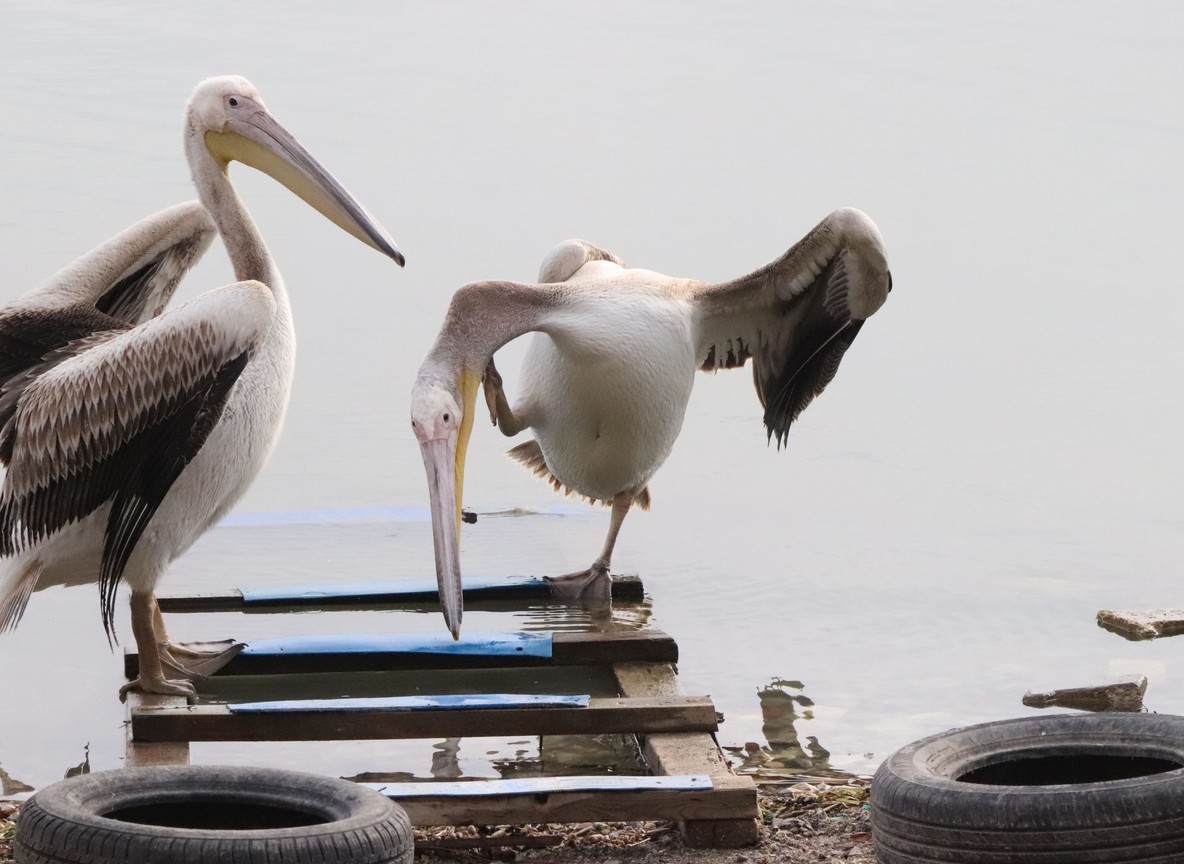
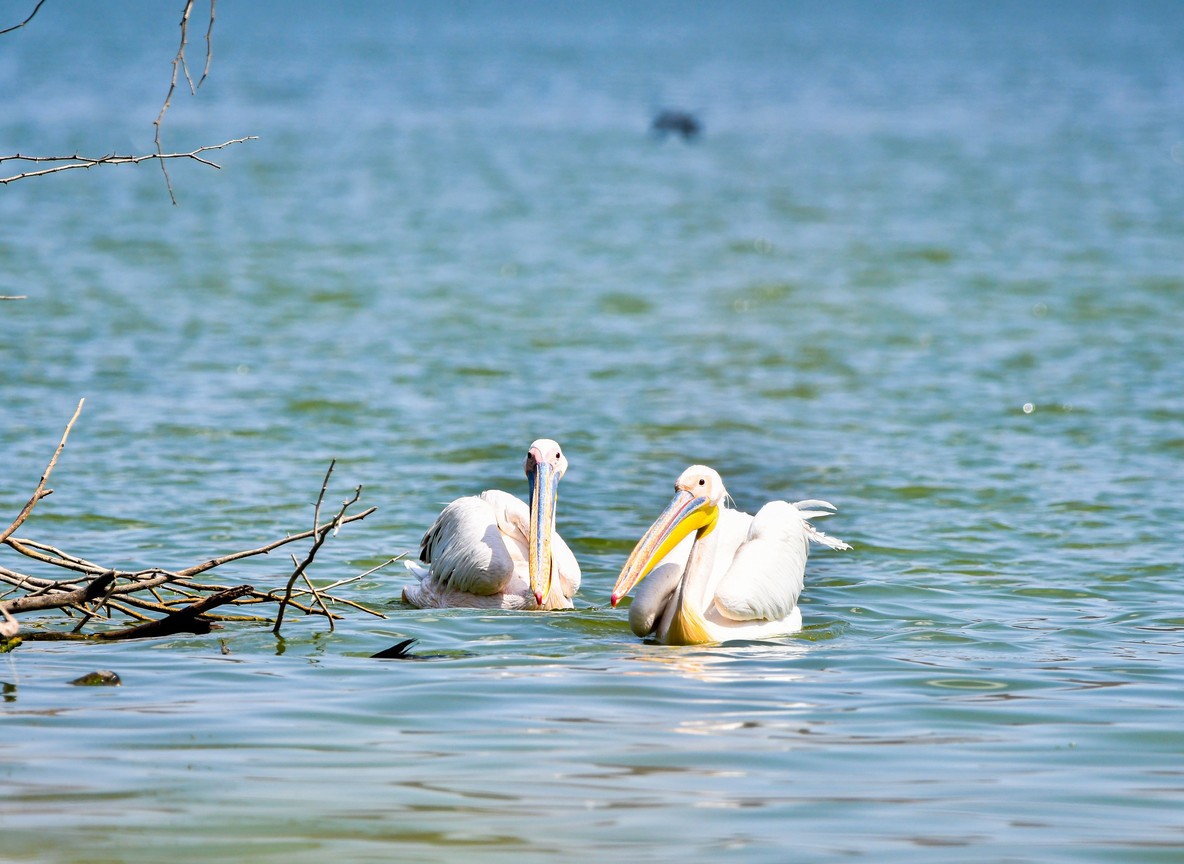
Birding is one of the lake’s major strengths. Readers who come primarily for mammals can still leave remembering fish eagles, cormorants, herons, and the layered movement of lakeshore species. Naivasha rewards anyone willing to watch the air and waterline, not only the larger animals.
Crescent Island
Crescent Island Naivasha is one of the features that makes the lake so unusual in the Kenya travel context. It introduces a walking component that complements the boat safari extremely well.
What makes it work is contrast:
- the boat offers water-based wildlife observation
- the island offers a terrestrial, on-foot sense of scale
- the setting remains open and scenic rather than dense or intimidating
Readers often remember Crescent Island because it turns the lake from a viewing destination into a lived landscape. The shift from boat to walking changes the relationship to the environment completely.
Flamingos and Expectations
Because Naivasha sits within the wider Rift Valley lake system, readers often arrive expecting guaranteed flamingo density. This is where expectations need refinement. Flamingos Naivasha can be part of the experience, but the lake is not the most stable flamingo destination in the Rift Valley, and bird concentrations are influenced by changing ecological conditions.
That does not weaken Naivasha. It simply means the destination should not be understood primarily through a flamingo promise. Its strongest identity comes from:
- freshwater lake atmosphere
- hippo and birdlife
- boat access
- walking potential nearby
Readers who arrive with that framework usually appreciate the place more fully.
Why It Pairs So Well With Hell’s Gate
One of the clearest reasons Naivasha works in itinerary design is how naturally it pairs with Hell's Gate Naivasha. The two destinations do very different things, and that is exactly why the combination is strong.
Naivasha gives:
- water
- birds
- boats
- a softer lakeside pace
Hell’s Gate gives:
- cliffs and geothermal geology
- cycling and walking
- a more physical land-based experience
- a stronger sense of movement through terrain
Together, they create one of the Rift Valley’s most balanced short-format travel combinations.
The Lodge and Lakeside Stay Factor
Naivasha is also one of those destinations where accommodation style affects experience significantly. A lakeside property changes the rhythm of the stay. Readers wake into bird activity, water light, and a softer edge to the day than they would in a city or highway stopover.
That means Naivasha often works better as an overnight or two-night stay than as a rushed pass-through. The lake is most persuasive when readers let it shape morning and evening, not only midday logistics.
Practical Reader Expectations
Lake Naivasha works best when readers understand what it is not. It is not a replacement for a classic big-game park. It is not the best place in the Rift Valley for guaranteed flamingo density. It is not about high-intensity safari spectacle.
It is about:
- water-based wildlife viewing
- birds and hippos
- a different safari cadence
- strong pairing with nearby walking and cycling experiences
Readers who want that usually find Naivasha one of the most satisfying pauses in a Kenya route.
Explorer Notes
- Naivasha changes the safari mood from terrestrial intensity to lakeside observation.
- The boat safari is the core experience, not just an add-on.
- Crescent Island gives the lake one of its most distinctive walking dimensions.
- Flamingos may appear, but the destination should not be judged only on that basis.
- Naivasha and Hell’s Gate are stronger together than apart.
Frequently Asked Questions
Is Lake Naivasha mainly about the boat safari?
For most readers, yes. That is the clearest defining experience.
Are hippos easy to see at Lake Naivasha?
Often yes, though viewing still depends on conditions and respectful boat handling.
Is Crescent Island worth adding?
Yes. It changes the experience from a water outing into a broader wildlife day.
Are flamingos guaranteed at Naivasha?
No. Their presence is variable and should not be treated as the lake’s main promise.
Should readers combine Naivasha with Hell’s Gate?
Usually yes. The contrast between the two makes the route much stronger.
Conclusion
Lake Naivasha works because it loosens safari expectations in productive ways. The destination invites readers to shift from road to water, from herd-thinking to bird-and-shoreline attention, and from speed to rhythm. That alone makes it valuable in Kenya travel.
For readers who give it time, the lake is not only a stop between more famous parks. It is one of the places that teaches how varied a safari landscape can become once water enters the frame.
Turn this reading into a real itinerary with help from a Kenya-based safari team.
Start Planning Your Safari