Lake Nakuru National Park is one of the Rift Valley destinations that many readers first know through a single image: a pink shoreline edged by flamingos. That image is real, but it is not the whole story. The park is also one of Kenya’s most important rhino sanctuaries, a compact but highly productive wildlife area, and a place where birdlife, grassland, woodland, and alkaline-lake ecology all intersect in a relatively small space.
This guide looks at Lake Nakuru National Park beyond the postcard shorthand. It explains why flamingo numbers fluctuate, why rhino matter so much here, what other wildlife readers should expect, and how to think about the park’s strengths in relation to the rest of a Kenya itinerary. Readers placing it within the wider Rift Valley structure can also pair it with the Lake Naivasha guide and the Hell’s Gate guide.
Why Lake Nakuru Matters
Nakuru matters because it compresses a lot into a small area. Readers are not dealing with the huge scale of some other Kenya parks. Instead, the destination often feels more legible. Landscapes, shoreline, grazing areas, wooded sections, and escarpment views all sit close enough together to create a strong one- or two-day wildlife experience.
This gives the park several advantages:
- high interpretive value in a short visit
- strong birding and shoreline ecology
- real rhino significance
- a wildlife experience that works well within Rift Valley routing
Readers often appreciate Nakuru most when they stop thinking of it as only a flamingo lake. Readers comparing Nakuru against Kenya’s other compact wildlife formats can also use the broader Kenya safari planning guide.
The Flamingo Image and the Reality
Lake Nakuru flamingos remain one of the destination’s defining associations, but readers should understand the ecology rather than expecting the same density on every visit. Flamingo numbers respond to changing lake conditions, especially salinity and food availability.
That means:
- spectacular concentrations can happen
- lower numbers can also happen
- the image is rooted in real ecological cycles, not a fixed daily promise
This is important because some readers judge the whole park too narrowly through one expectation. The better approach is to see flamingos as one expression of a broader alkaline-lake ecosystem.
Lesser and Greater Flamingos
The distinction between the two species matters mainly because it reflects feeding differences and ecological conditions. Readers do not need to master ornithological detail to appreciate the point: the birds are not decorative pink surface color. They are part of a dynamic lake system.
Rhino Sanctuary Significance
One of the most important reasons Nakuru deserves attention is its role as a rhino sanctuary Kenya readers should take seriously. The park has long been central to rhino protection, and this gives it a conservation identity that goes far beyond scenery.
For many visitors, rhino become the wildlife memory that equals or even surpasses the flamingos. That is because Nakuru often offers:
- reliable white rhino viewing
- meaningful black rhino possibility
- a stronger sense of protected conservation space
This makes the park especially valuable for readers who care about threatened-species recovery, not only visual spectacle.
Other Wildlife Beyond Flamingos and Rhinos
Another reason to widen expectations is that Nakuru supports much more than its most famous species.
Readers may value:
- lions in wooded and grassland areas
- leopard possibility in thicker habitat
- buffalo and other grazers
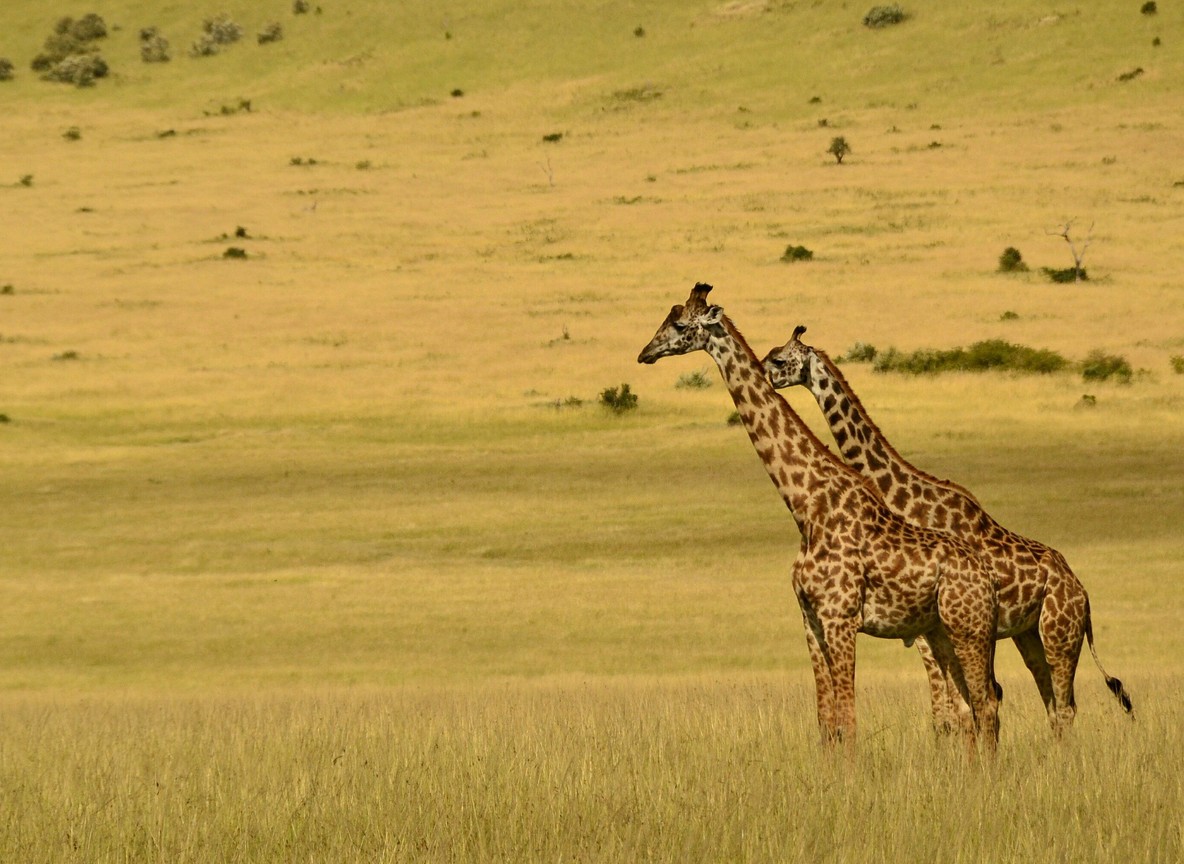
- Rothschild’s giraffe presence
- extensive birdlife well beyond flamingos
The park’s scale actually helps here. Wildlife can feel more concentrated and therefore more readable than in landscapes where distance alone absorbs a lot of viewing time.
Birdlife and Shoreline Ecology
Flamingo watching Kenya often leads readers toward Nakuru, but the broader birding value of the park is equally important. Pelicans, storks, raptors, water-associated species, and wooded-habitat birds all contribute to why Nakuru remains rewarding even when flamingo numbers are lower than expected. Readers following that birding thread further can also move to the Birding in Kenya guide.
This is part of what makes the park strong for bird-oriented travelers. The destination does not collapse if one species or one seasonal concentration is reduced. The system remains active in multiple directions.
Best Time to Visit and Seasonal Thinking
As with other Rift Valley lakes, readers should think in terms of conditions rather than in terms of one eternally perfect month. Water levels, rainfall, and seasonal ecology all affect what the park feels like.
Dryer periods often make wildlife viewing more straightforward, but greener periods can produce different photographic and birding strengths. The key is not to chase a mythical perfect snapshot. It is to understand what the park offers in the conditions of the trip you are actually planning.
How Nakuru Fits Into a Rift Valley Route
Lake Nakuru often works best as part of a wider Rift Valley sequence rather than as an isolated long stay. It pairs especially well with:
- Lake Naivasha for water-and-walking contrast
- Hell’s Gate for active geological landscape
- longer western or Mara routes that use the Rift Valley as a structural corridor
This is because Nakuru gives readers a strong density of wildlife and ecology in a compact frame, which can anchor or rebalance a broader route very effectively.
What Readers Should Expect in Practice
Readers should approach Nakuru with the right framework:
- it is a compact, high-yield park
- flamingos matter, but they are not the sole reason to go
- rhino are central to the conservation value of the destination
- one or two days is often enough to appreciate the park properly
This helps avoid the main planning mistake, which is treating Nakuru as either a guaranteed single-image flamingo spectacle or as a stop too small to matter.
Explorer Notes
- Nakuru is strongest when readers think of it as a rhino-and-lake park, not only as a flamingo destination.
- Flamingo numbers are ecological, not guaranteed.
- The park’s smaller scale is an advantage for readers on shorter Rift Valley routes.
- Birdlife remains rich even beyond the headline species.
- Nakuru works especially well in combination with Naivasha or broader Rift Valley itineraries.
Frequently Asked Questions
Is Lake Nakuru only worth visiting for flamingos?
No. The rhino sanctuary role and broader wildlife value make it important even beyond flamingo viewing.
Are flamingos always present in huge numbers?
No. Numbers vary with lake conditions and ecological cycles.
Is Lake Nakuru good for rhino viewing?
Yes. That is one of its major strengths and one of the main reasons it matters nationally.
How long should readers spend at Nakuru?
Usually one full day or an overnight stay works well, though two days can deepen the experience.
Does Nakuru fit well with other Rift Valley stops?
Yes. It pairs especially naturally with Naivasha and related Rift Valley routes.
Conclusion
Lake Nakuru National Park deserves to be understood as more than a single pink image. The flamingos remain important, but the park’s real strength lies in how many ecological and conservation stories it gathers into one relatively compact destination: alkaline-lake birdlife, rhino protection, woodland predators, grazing species, and a shoreline that changes meaning with season and water level.
That is why the park continues to matter. It is not only spectacular when conditions align. It is interpretively rich even when they do not, especially when read alongside the Lake Naivasha guide.
If this guide has you ready to travel, a safari specialist can handle the route, camps, and logistics end to end.
Want to Book a Tour With Us?