Some wildlife destinations are impressive because they protect landscapes that remained wild. Haller Park is impressive for the opposite reason. It stands on land that had already been broken. What visitors walk through today, north of Mombasa, was once a heavily degraded limestone quarry. The fact that it now supports forest, wetlands, giraffes, hippos, reptiles, birds, and one of Kenya’s most famous animal stories is what makes it memorable.
This Haller Park Mombasa wildlife guide looks at why the site matters beyond a casual coastal stop. It covers the restoration story, the resident wildlife, the Owen and Mzee connection, and how readers might think about Haller Park within a Kenya coast itinerary that includes both beach and nature rather than beach alone.
Why Haller Park Matters
It would be easy to describe Haller Park simply as a family-friendly nature park near Mombasa. That is true, but it leaves out the part that gives the place its character. The park is one of Kenya’s clearest examples of ecological restoration on a damaged industrial site.
That makes the visit different from a standard animal-viewing stop. Readers are not only encountering wildlife. They are seeing what restored habitat can become when recovery is treated as a long-term project rather than a decorative gesture.
From Quarry to Forest
The transformation of the old Bamburi quarry is central to understanding Haller Park. The site had been stripped so severely by limestone extraction that it could no longer support ordinary plant life. Rebuilding it required more than planting trees and waiting.
René Haller and the restoration team approached the problem in stages:
- pioneer species were introduced to stabilize and improve the substrate
- soil-building processes were gradually re-established
- more varied plant communities followed once conditions allowed
- water features and habitat diversity made animal life viable over time
This matters because the park is not an artificial green shell placed over a dead surface. It is the result of ecological succession being deliberately restarted. The quarry-to-forest story is the reason Haller Park feels more intellectually interesting than many short nature stops on the coast.
What the Landscape Feels Like Today
Readers arriving from the coast often expect a small enclosed facility. Instead, the park feels layered. Palm forest sections, ponds, shaded paths, open grazing areas, and wetland edges create a sequence of environments rather than one continuous visual mood.
That variety is part of why the visit works. The walk is not only about ticking off animals. It also shows how different habitat types support different kinds of life in a reclaimed coastal landscape. In a region where many travelers focus entirely on reefs and beaches, that contrast can be refreshing.
The Resident Wildlife
The park’s animal life is one of the reasons it functions so well as an accessible half-day or morning outing.
Hippos
The hippo area is among the strongest visitor draws because it gives readers a close, structured look at one of Africa’s heaviest and most deceptively dangerous animals. In wild river systems, hippos are often half-seen from a distance. At Haller Park, they are easier to observe clearly.
Giraffes and Grazers
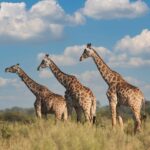
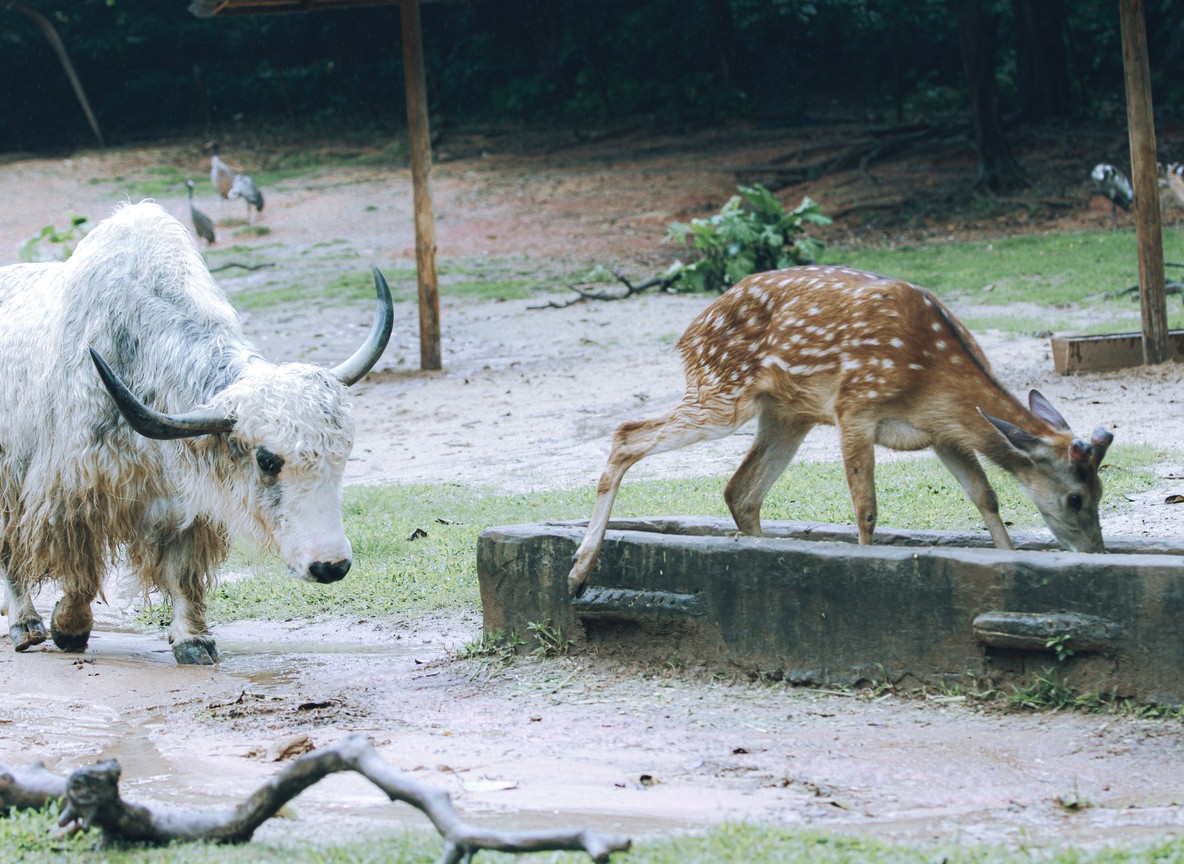
Giraffes moving through the rehabilitated landscape are part of what makes the park visually surprising. Buffalo, antelope, and other herbivores reinforce the sense that this is no longer simply a reclaimed industrial space with planted greenery. It is functioning habitat.
Crocodiles and Aquatic Life
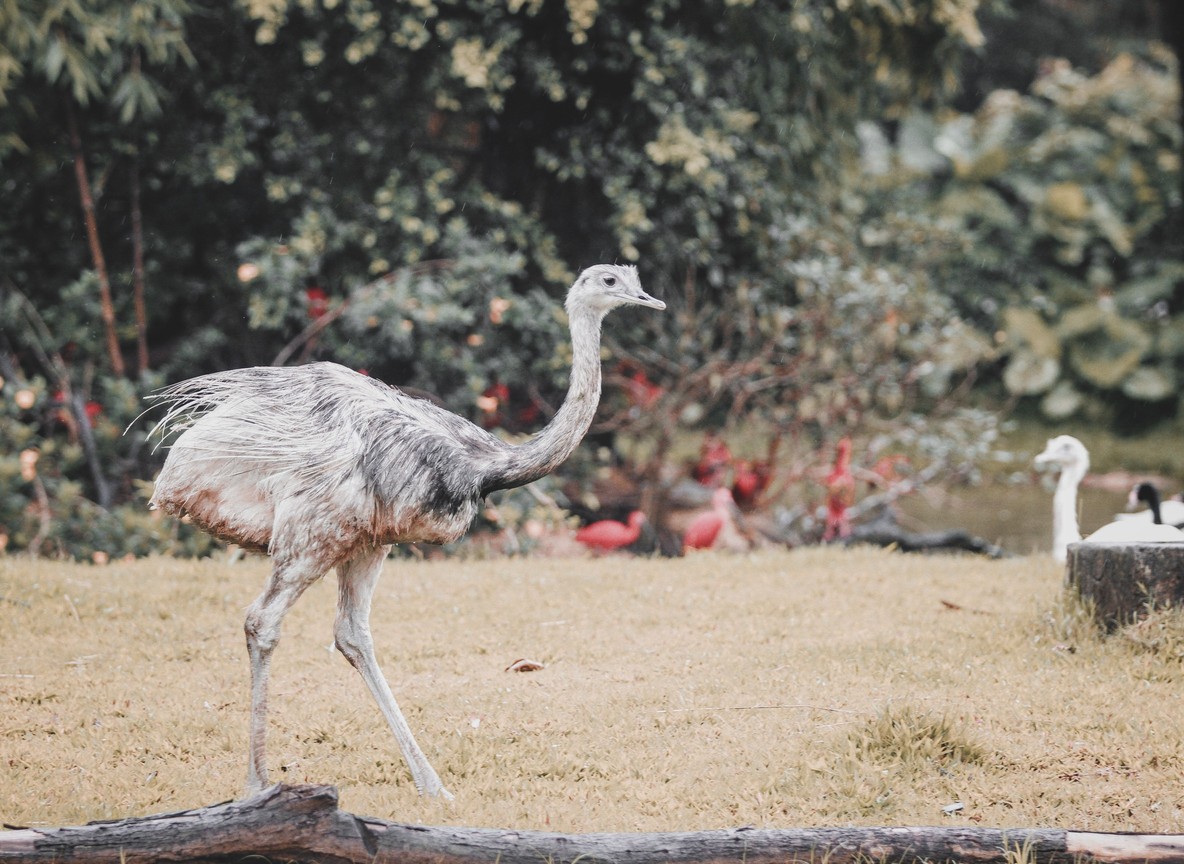
The aquatic sections add another layer to the visit. Reptiles, fish ponds, and waterbird activity help demonstrate how restoration extends beyond tree cover. A living wetland system makes the wider food web possible.
Owen and Mzee
No Haller Park Mombasa wildlife guide feels complete without Owen and Mzee. Their story became internationally known because it brought emotional clarity to a site already rich in restoration significance.
After the 2004 Indian Ocean tsunami, a young hippo calf later named Owen was rescued and brought to Haller Park. There he formed an improbable bond with Mzee, an elderly Aldabra giant tortoise. The story drew attention far beyond Kenya because it seemed to dramatize resilience, adaptation, and companionship across species lines in a way people immediately understood.
For some readers, this is the part of Haller Park they know best. For others, it becomes a useful entry point into the wider story of the site. Either way, Owen and Mzee helped define the park in the public imagination and turned a local restoration landscape into a globally recognizable conservation symbol.
Why the Park Works Well on the Coast
Many Kenya coast itineraries become visually narrow after a few days: beach, reef, hotel, road, repeat. Haller Park interrupts that rhythm. It gives readers a coast-side wildlife and ecology experience without requiring a full inland safari departure.
That is especially useful for:
- families who want a manageable wildlife outing near Mombasa
- readers interested in conservation stories
- travelers with limited time between transfers
- beach-based visitors who want something more educational than a short excursion built around photos alone
This does not make Haller Park a substitute for Tsavo or other major protected areas. It makes it a complementary stop with a different kind of value.
Haller Park and the Kenya Coast Travel Mix
The strongest reason to include Haller Park in a wider trip is that it broadens what the coast means. Readers often think of the coast in simple terms: beaches, marine parks, snorkeling, and resort downtime. Haller Park adds restoration ecology and accessible wildlife to that mix.
It can sit alongside:
- Mombasa Old Town and Fort Jesus
- marine and dhow-based coast activities
- north-coast or south-coast beach stays
- inland transfers toward Tsavo
Readers comparing wildlife-side coast outings often also pair it with Best Beach Destinations in Kenya and nearby north-coast contrasts like Watamu Beach.
That flexibility is part of its appeal. The park does not demand that the whole trip revolve around it, but it meaningfully enriches a coast itinerary when included thoughtfully.
What Readers Should Expect From a Visit
Haller Park is best approached as a walkable, educational wildlife site rather than as a dramatic safari spectacle. The pace is slower. The rewards are cumulative. Readers move through habitat, pause at feeding or viewing points, and gradually understand the restoration logic of the place.
A strong visit usually depends on:
- allowing enough time to move through the full site
- arriving before the day becomes too hot
- paying attention to the restoration story as much as the animals
- seeing the park as part of coastal variety, not as a replacement for a national park
Readers who arrive with that mindset usually leave with a stronger impression than those treating it as a quick add-on.
Explorer Notes
- Haller Park is one of the clearest restoration landscapes many coast travelers will encounter in Kenya.
- The site is most interesting when read as habitat recovery, not only as an animal park.
- Owen and Mzee give the park emotional recognition, but the quarry story gives it depth.
- It fits especially well into coast itineraries that need wildlife without a full safari commitment.
- The visit rewards curiosity more than speed.
Frequently Asked Questions
Is Haller Park a zoo?
Not in the usual sense. It is better understood as a restored nature and wildlife site with managed animal viewing.
Why is Haller Park important?
Because it demonstrates large-scale ecological recovery on previously degraded quarry land.
Is Owen and Mzee part of Haller Park’s history?
Yes. Their relationship became one of the park’s best-known stories and helped make it internationally recognizable.
Can Haller Park replace a safari?
No. It serves a different purpose. It works best as a coast-side wildlife and conservation experience.
How much time should readers allow?
Usually a half day works well, especially if the goal is to walk the site without rushing.
Conclusion
The strongest argument for Haller Park is that it expands what visitors think Kenya’s coast can offer. It is not only a wildlife stop near Mombasa. It is a restoration landscape, a conservation story, and a reminder that damaged places can become biologically rich again when recovery is taken seriously over time.
For readers building a coast itinerary, that makes Haller Park more than a convenient excursion. It becomes one of the few places where coastal travel, environmental history, and accessible wildlife all meet in a single walkable site.
Prefer a different route, budget, or travel style? This plan can be adapted to fit.
Customise Your Trip