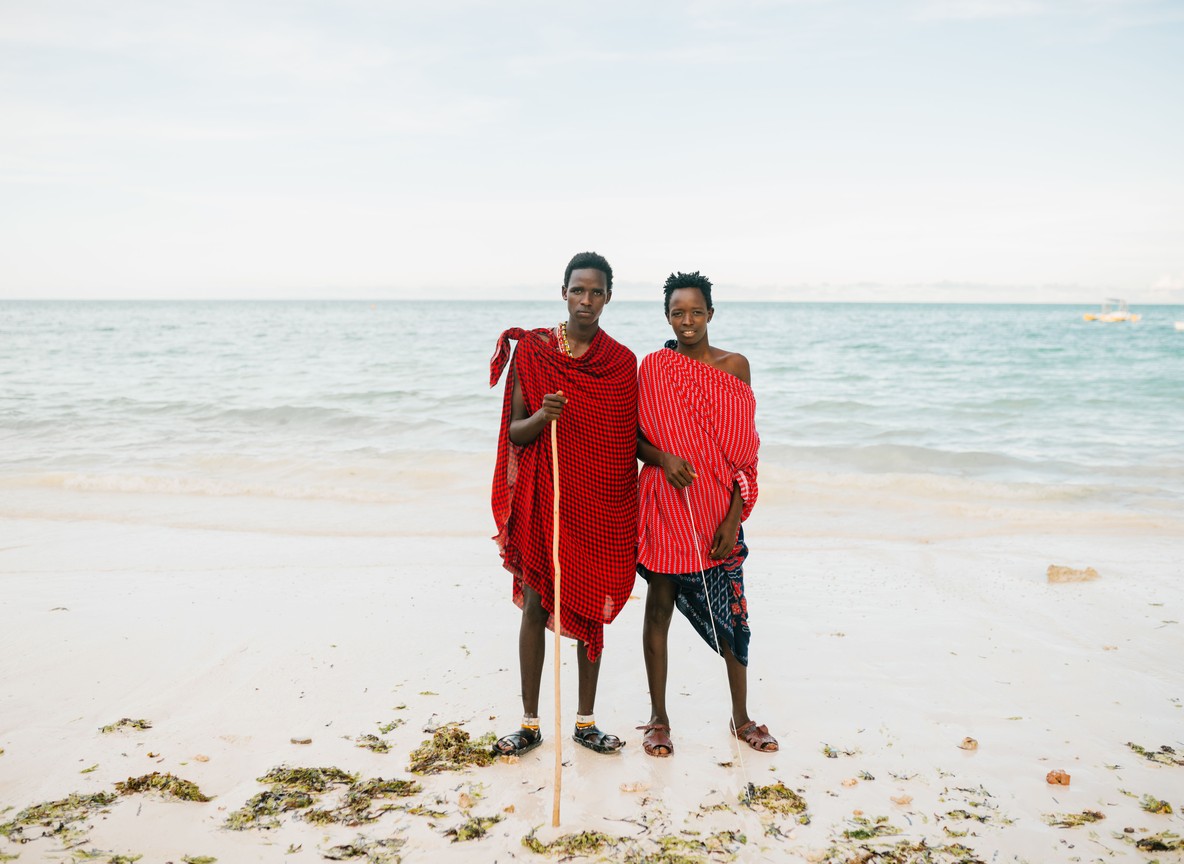
Watamu Beach Kenya marine park matters because Watamu is not simply another attractive beach on the coast. Readers often arrive expecting white sand and clear water, and those elements are certainly present. What gives Watamu deeper identity is the marine ecology just offshore, the sea turtle associations, and the way village life and conservation history remain tied to the shoreline in a way that still feels legible rather than over-abstracted for tourism.

This guide looks at what makes Watamu distinctive, how the marine park shapes the experience, why sea turtles matter so much here, and how readers should think about Watamu within the wider Kenya coast rather than treating it as interchangeable with the rest of the shoreline.
Why Watamu Feels Different
Watamu works because reef, beach, and village exist in unusually close relationship. The place does not feel only like a resort strip or only like a conservation site. It feels like a coastal system in which marine life, local activity, and beach travel all overlap visibly.
Readers often notice:
- strong reef identity
- clearer marine-park association than at many other coast bases
- a smaller and more focused atmosphere than Diani
- a village context that still matters to the travel experience
This is why Watamu often appeals to readers who want something more ecologically specific than a general beach stay, especially when compared with the broader Kenya coast guide and the beach-to-beach Best Beach Destinations in Kenya comparison.
The Marine Park
Marine park Kenya is a broad phrase, but Watamu is one of the clearest places on the coast to understand what it means in practice. The protected marine environment shapes snorkeling, diving, reef health, species expectations, and the overall feeling of the water-based experience.
The park matters because it gives Watamu:
- stronger ecological framing
- clearer wildlife significance
- a more interpretive marine experience than generic swim-and-sun beach travel
Readers are not just moving through attractive water here. They are moving through a protected marine landscape.
Reef and Snorkeling Logic
Snorkeling Watamu Kenya is one of the reasons readers choose this part of the coast in the first place. The reef changes the pace of the trip because the water becomes something to explore rather than simply look at. Fish life, coral structure, tidal conditions, and access points all matter more than they do in a beach stay centered only on sand and accommodation.
Watamu often works especially well for readers who want:
- reef access as a core part of the trip
- stronger marine-life expectation
- a coast experience built around water ecology rather than nightlife or resort activity
This is why the marine dimension feels central rather than optional.
Sea Turtles in Watamu
Sea turtles Watamu Kenya is one of the most important wildlife associations on this stretch of coast. The turtle story matters because it connects the beach directly to conservation rather than leaving the marine wildlife narrative offshore and invisible.
For readers, the significance lies in:
- turtle use of the wider marine and beach environment
- long-term local conservation attention
- the way a charismatic marine species can give the destination stronger ethical and ecological weight
Watamu becomes more than scenic once the turtle context is understood. It becomes a coastline where wildlife protection is part of the place’s identity.
Why Village Context Matters
What strengthens Watamu is that the marine experience does not float free from the human setting around it. Readers who spend time only in accommodation or on boat outings can miss how much the surrounding village matters to the overall feel of the destination.
Village context changes the trip because it adds:
- local coastal rhythm
- a stronger sense of daily life beyond curated leisure
- continuity between fishing, reef use, conservation, and tourism
That does not mean readers need to romanticize local life. It means the destination becomes richer when the village is treated as part of the place rather than as background.
Watamu Versus Other Coast Bases
One of the most useful ways to understand Watamu is to compare it mentally with other Kenya coast options. Unlike Diani, it often feels smaller, more marine-oriented, and less driven by broad-spectrum beach infrastructure. Unlike Lamu, it is less culturally singular and more ecologically tied to its reef and marine park identity. Readers comparing atmosphere and water focus often find the Kilifi Creek guide useful as a nearby contrast piece.
Readers often choose Watamu because they want:
- marine life to matter as much as the beach itself
- a somewhat quieter and more focused coast atmosphere
- a destination where ecology is part of the trip’s center rather than its margin
This is what makes Watamu a strong fit for a particular kind of coast traveler.
When Watamu Works Best
Watamu works best for readers who want a coast stay shaped by:
- reef exploration
- marine wildlife interest
- slower beach rhythm
- a destination whose value goes beyond resort convenience
It may be less ideal for readers seeking the broadest possible dining, nightlife, or resort menu. That tradeoff is useful to understand rather than to hide.
The Conservation Frame
What makes Watamu especially compelling is that marine beauty and marine protection remain closely linked in the travel story. Readers can understand quickly that the destination’s attractiveness depends partly on active conservation rather than on scenery surviving by accident.
That matters because it gives the trip more substance. Reef travel here can become not just recreational, but interpretive.
How to Read Watamu Properly
The most useful way to approach Watamu is not as “another beach” but as a marine-and-coast destination with its own internal logic. That means thinking about:
- what the reef contributes
- how sea turtle context changes the meaning of the beach
- why the village matters
- how the destination differs from more generic coast choices
Readers who approach it this way usually come away with a much stronger sense of place.
Explorer Notes
- Watamu is strongest when treated as a marine destination, not just a beach destination.
- The marine park is central to its identity, not an optional side activity.
- Sea turtles give the destination real conservation weight.
- The village context makes the coast feel grounded rather than detached from local life.
- Watamu suits readers who want ecology and atmosphere more than broad-spectrum resort convenience.
Frequently Asked Questions
What makes Watamu different from Diani Beach?
Watamu is generally smaller, more reef-centered, and more strongly associated with marine ecology and turtle conservation.
Is Watamu mainly for snorkeling and diving?
Those are major reasons people go, but the broader marine-park setting and beach atmosphere matter too.
Why are sea turtles so important in Watamu?
Because they connect the destination’s beach appeal directly to a visible conservation story.
Does Watamu have enough local character beyond the beach?
Yes. The village context is one of the reasons the destination feels more grounded than a purely resort-based stay.
Who is Watamu best suited to?
Readers who want a quieter, more marine-oriented coast experience often find it especially rewarding.
Conclusion
Watamu Beach Kenya marine park remains one of the strongest coast choices for readers who want more than a postcard beach. The reef, the turtle story, the village context, and the protected marine environment all give the destination a clearer ecological identity than many shoreline bases can offer.
That is what gives Watamu its staying power. It is not only beautiful. It is coherent. Readers leave with the sense that the beach, the water, and the life around them actually belong to the same story.
Turn this reading into a real itinerary with help from a Kenya-based safari team.
Start Planning Your Safari