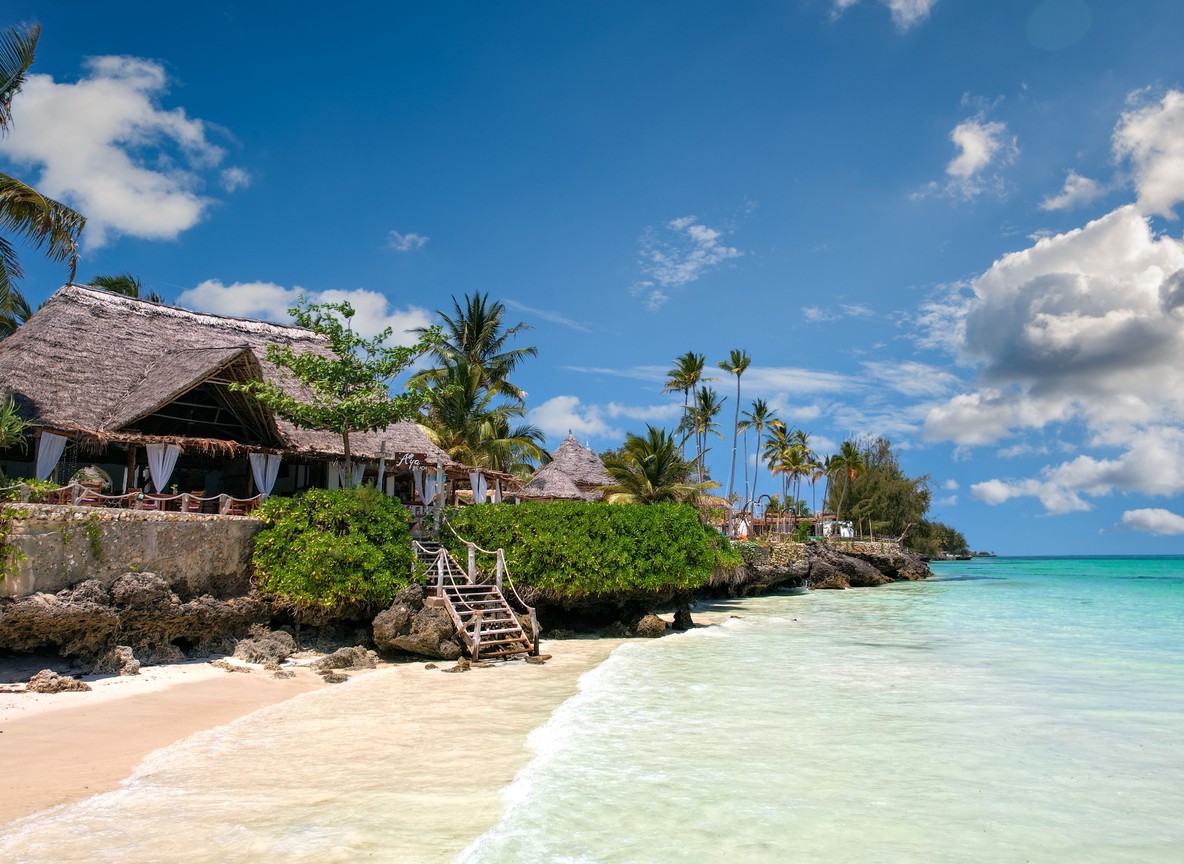
The Kenya coast is easy to flatten into postcard shorthand: white sand, dhow sails, turquoise water, palms. Those elements are real, but they do not explain the coastline properly. What makes the coast interesting is not only beauty. It is variation. Diani does not feel like Watamu. Kilifi does not move like Lamu. Malindi carries a different historical texture from all of them. Even the quieter places south of the better-known beach strips produce a different rhythm of travel altogether.
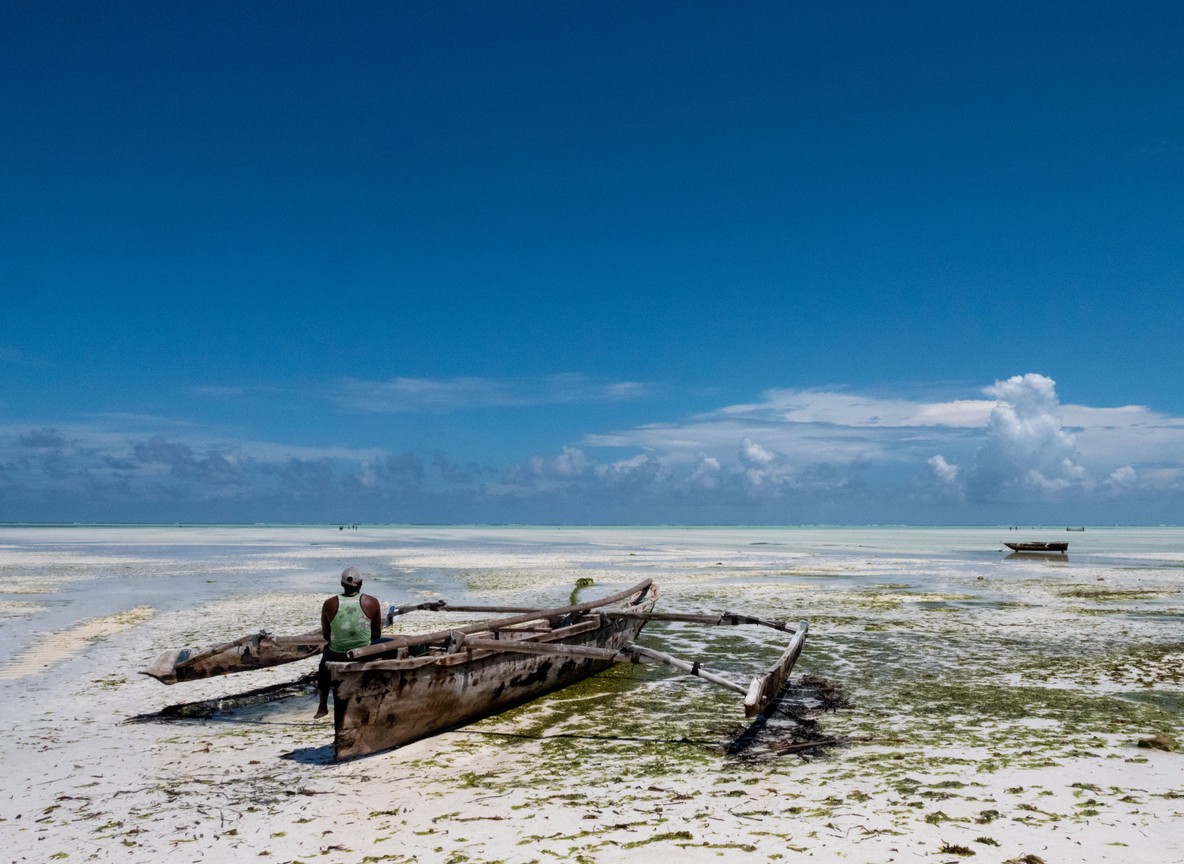
This guide looks at the main Kenya coast destinations in editorial rather than brochure terms. It explains what each stretch is actually like, what kind of traveler it suits, how history and marine life shape the shoreline, and how readers can think about the coast as more than a generic beach add-on to safari.
Why the Kenya Coast Feels So Varied
One reason the coastline stays memorable is that it is not a single uniform beach zone. Over several hundred kilometers, readers move through different combinations of:
- reef-protected sea conditions
- Swahili and coastal town history
- creek systems and mangrove zones
- resort infrastructure or its absence
- marine-park conservation
- island and archipelago culture
This means choosing the right base matters more than many first-time readers expect. “Going to the Kenya coast” is not a complete decision in itself.
Diani Beach
Diani is the most recognizable beach destination on the coast and often the easiest entry point for first-time visitors. Its popularity comes from clarity: wide sand, dependable swimming conditions in the right areas, strong accommodation range, water sports, and good links to the rest of southern coast travel. Readers pairing beach time with bush time usually end up comparing it with the broader safari from Diani Beach options.
For many readers, Diani works because it delivers convenience without feeling visually compromised. It is still beautiful even when relatively active, and it makes beach travel easy to understand.
Diani tends to suit:
- first-time coast visitors
- readers combining beach with safari logistics
- travelers who want options in dining and accommodation
- families and couples wanting accessible beach infrastructure
The main tradeoff is that it can feel more developed and socially visible than quieter stretches further away from the central strip.
Beyond the beach itself, Diani’s activity list runs deep: kitesurfing and windsurfing when the trade winds pick up, deep-sea fishing trips into the nearby Pemba Channel for marlin and sailfish, guided walks through the Kaya Kinondo sacred forest with the local Digo community, and visits to Colobus Conservation to see the endangered Angolan colobus monkeys. Whale sharks pass through the offshore waters between November and February, drawing divers and snorkellers specifically for that window.
Msambweni and the Quieter South
South of the main Diani energy, the coast begins to feel less performed. Msambweni and nearby quieter stretches appeal to readers who want beach atmosphere without a resort-dominant frame.
What changes here is not only crowd level. It is the texture of daily life. Fishing, village rhythm, and lower-density accommodation make the coast feel more lived-in and less packaged. For readers who find the more famous beach zones too curated, this can be a major advantage.
This part of the coast often suits:
- repeat visitors
- readers interested in slower local rhythm
- travelers who care more about atmosphere than activity menus
Watamu
Watamu is one of the strongest examples of how marine ecology shapes coast experience. The area is closely tied to reef and marine-park identity, which changes what readers often value most there. This is less about generic beach lounging and more about the water itself: snorkeling, coral, turtle associations, creek systems, and a wider conservation frame.
Watamu also has a distinct scale. It tends to feel smaller and less all-purpose than Diani. The dedicated Watamu Beach guide helps clarify that difference, and readers often choose it because they want:
- marine life and reef access
- a lighter commercial footprint
- easier alignment with ecological interests
- a coast experience shaped by water quality and habitat rather than by nightlife or hotel concentration
Kilifi
Kilifi works through creek life as much as through open-ocean beach appeal. That alone makes it different. The town’s identity is shaped by the creek and by the slower, more social coastal atmosphere that grows around sheltered water, which becomes much clearer in the full Kilifi Creek guide.
For some readers, Kilifi is less visually immediate than Diani or Lamu. But it often becomes a favorite because it feels balanced:
- town and water remain closely linked
- creek activities change the rhythm of the day
- the surrounding coastline still offers quiet beach space
- the mood is less uniformly resort-led
Kilifi suits readers who like the idea of a coast town with texture rather than a single beach strip with one dominant purpose.
Malindi
Malindi carries more overt historical layering than some of the coast’s beach-first destinations. The Portuguese connection, older town identity, nearby ruins, and marine dimension all give it a more hybrid character. Readers interested in a coast trip with history attached often find Malindi compelling for that reason, especially once they compare it with nearby Marafa Hell’s Kitchen.
It can feel:
- more historically textured than Diani
- more town-based than readers expect
- more mixed in atmosphere than a pure resort destination
That makes it a good fit for travelers who want a coast base that combines water, historical curiosity, and easier access to cultural side trips.
Malindi’s “Little Italy” reputation has a specific origin: Italian space engineers arrived in 1964 to build the San Marco equatorial launch site near the town, and by the 1970s a broader Italian community had settled around Malindi’s tourism industry, opening restaurants, hotels, and beach villas. Roughly 4,000 Italians live there permanently today, alongside a much larger seasonal tourist inflow.
Lamu
Lamu is the coastline at its most distinct. It does not feel like a version of the southern beach corridor. It feels like another coastal idea entirely. The island setting, narrow streets, Swahili architecture, dhow movement, and absence of ordinary vehicle rhythm create a place whose identity is cultural as much as geographical.
This is why Lamu often sits apart in readers’ minds. It is not simply a beach destination. It is a historic coastal world with beaches attached to it.
Lamu Old Town has been a UNESCO World Heritage Site since 2001, recognised as the oldest and best-preserved Swahili settlement in East Africa and continuously inhabited for over seven hundred years. The town is built from coral stone and mangrove timber, with carved wooden doors and inner courtyards that reflect centuries of Swahili, Arab, and Indian Ocean trading influence.
Lamu suits:
- readers interested in architecture and history
- travelers who want atmosphere over generic convenience
- people open to slower, island-based movement
- those seeking a more culturally concentrated coast stay
It is also the part of the coast where planning and current context matter especially strongly, because readers usually need to think more carefully about logistics and present conditions.
Coast and Safari: Complement or Contrast?
The Kenya coast is often paired with safari, but readers should think clearly about why. A coast extension can do two different things.
As Contrast
After days of wildlife concentration, early starts, dust, and long visual attention, the coast can function as release. This is why beach finishes work so well after inland routes. The sensory shift is part of the reward.
As Complement
In other cases, the coast extends rather than relaxes the trip. Marine parks, creek systems, historical towns, and island movement continue the travel story instead of ending it. This is especially true in places like Watamu, Kilifi, or Lamu.
The right coast choice depends on which function the reader wants.
How to Choose the Right Base
The best way to choose a Kenya coast travel guide destination is not to ask which place is “best” in the abstract. It is to ask what kind of coast experience the trip needs, which is why the comparison in Best Beach Destinations in Kenya is often the most practical next read.
Choose Diani If
- it is a first coast visit
- convenience and range matter
- safari linkage is important
- readers want a classic beach base that works without much explanation
Choose Watamu If
- reef and marine ecology matter
- the trip is shaped by snorkeling or diving
- a lighter, more conservation-oriented beach atmosphere appeals
Choose Kilifi If
- creek life sounds more appealing than a resort strip
- readers want a mixed social and water-based setting
- town rhythm matters as much as beach scenery
Choose Lamu If
- the trip is as much about culture as coastline
- readers want historic depth and island atmosphere
- convenience matters less than distinctiveness
Explorer Notes
- The coast is not one destination with different hotel choices; it is a chain of genuinely different travel environments.
- Diani is the easiest entry point but not always the most memorable fit for repeat visitors.
- Watamu matters most when readers care about marine life as much as beach quality.
- Kilifi and Lamu reward travelers who want texture, not just sand.
- Coast planning works best when readers decide whether they want decompression, ecological activity, or cultural immersion.
Frequently Asked Questions
What is the best first-time Kenya coast destination?
Usually Diani, because it offers the clearest and most accessible overall beach experience.
Which coast destination is best for marine life?
Watamu is often the strongest answer because of its reef and marine-park identity.
Is Lamu mainly a beach trip?
Not really. It is more accurate to think of it as a cultural and historical coastal experience with beaches as part of the setting.
Which coast destination feels quietest?
Quieter southern stretches beyond the main Diani zone, as well as selected lower-density coast areas, often suit readers seeking calm.
Can the coast work without safari?
Yes. But many readers find it especially rewarding when paired with inland contrast or wildlife context.
Conclusion
The Kenya coast is strongest when readers stop looking for a single “best beach” and start understanding the shoreline as a set of different coastal worlds. Diani offers clarity and ease. Watamu offers marine focus. Kilifi offers creek rhythm. Malindi offers history. Lamu offers one of the most distinct cultural coast experiences in East Africa.
That range is what gives the coastline its lasting appeal. It allows readers to choose not just a beach, but a travel atmosphere.
Turn this reading into a real itinerary with help from a Kenya-based safari team.
Start Planning Your SafariFurther reading
More safari planning resources
- Kenya tour packages from Valley Safaris
- Diani Beach guide on FindMySafari
- Compare Kenya safari packages on FindMySafari