Rothschild giraffes have long required active conservation support in East Africa, and the Karen facilities helped make them visible to travelers in a way that supported awareness and breeding work. Readers do not need a full conservation lecture to enjoy the property, but understanding that history changes the tone of the experience. It becomes less about novelty and more about proximity to a species with a real recovery story behind it.
The house itself predates the giraffes by four decades. It was built in 1932 by Sir David Duncan, of the Mackintosh’s Toffee family, in the style of a Scottish hunting lodge. It became a wildlife sanctuary only in 1974, when Betty and Jock Leslie-Melville bought the property and 15 acres of its original grounds, founded the African Fund for Endangered Wildlife, and began a Rothschild giraffe breeding programme after adopting an orphaned giraffe named Daisy. That origin story, a chance rescue rather than a hospitality concept, is part of why the property still reads as a genuine conservation project with rooms attached, rather than a hotel that added giraffes for effect.
The Breakfast Experience
This is the part most readers want clarified. Yes, the breakfast encounter is real. Yes, giraffes do appear at the windows. And yes, the experience can feel as theatrical as the photographs suggest.
What matters is understanding how it actually unfolds. Giraffe Manor breakfast is not a staged performance every minute of the morning. The giraffes move according to their own rhythm. Guests are usually given feed pellets, and when the animals come close enough, those interactions become the defining memory of the stay.
The experience tends to work best for readers who understand three things:
- the encounter is brief, even if highly memorable
- timing and patience matter
- the rest of the property contributes as much as the photo moment itself
Arriving with that expectation usually leads to a stronger stay than treating the whole booking as a single viral image to reproduce.
What the Rooms and Houses Feel Like
One of the most practical questions readers ask is whether room choice matters. It does, but perhaps less in the simple way many booking roundups suggest.
Manor House
The original manor house carries the strongest historical atmosphere. Readers drawn to period architecture, fireplaces, old-world detailing, and the feeling of staying inside the iconic structure itself usually prioritize this side of the property.
Garden Manor
The garden-side rooms feel somewhat more contemporary and private. For some readers they are the better choice, especially if the goal is quiet and space rather than the idea of staying in the best-known part of the house.
What matters more than labels is the overall scale. The property remains small enough that room location affects tone, but not so large that one section feels disconnected from the giraffe experience.
Is the Experience Only About the Giraffes?
No, and this is one of the reasons Giraffe Manor Nairobi remains compelling beyond the obvious image. The property also appeals because it delivers:
- strong service in a low-density setting
- a self-contained stay close to major Nairobi conservation stops
- a transition point before or after safari
- a rare sense of quiet within reach of the city
On the ground, that shows up as garden afternoon tea, a croquet lawn and boules court, and the Orchid House, a quiet room holding more than 150 orchid varieties that doubles as a spot for reading or a private dinner away from the main house. None of it depends on a giraffe walking past, which is part of why readers who stay two nights rather than one tend to report a fuller experience.
Readers who care only about feeding a giraffe may still enjoy it, but those who appreciate setting and atmosphere usually get more from the stay. It works particularly well as a soft landing after arrival in Kenya or as a reflective finish after days in the bush.
How It Fits Into a Nairobi Itinerary
This is where the Manor becomes more than a luxury address. Karen and the surrounding southern Nairobi zone make it relatively easy to combine the stay with nearby conservation and nature stops.
The most common pairings include:
- the Giraffe Centre
- the David Sheldrick elephant nursery
- Nairobi National Park
- selected Karen or Langata cultural stops
That gives readers several ways to structure the stay. Some use it as a one-night highlight. Others turn it into a two-night Nairobi chapter that anchors a broader city-and-safari sequence. The better choice depends on whether the Manor is the point of the stop or the setting around a fuller Nairobi wildlife day.
Is It Worth the Price?
This is the unavoidable question. Readers comparing Nairobi luxury lodge options are usually weighing price against uniqueness. On ordinary hotel logic, Giraffe Manor is difficult to justify. On once-only experience logic, it becomes easier to understand.
The value comes from:
- singularity of the setting
- property scale and atmosphere
- conservation context
- the fact that there is no real substitute
Readers looking for pure room value may prefer a different luxury property in Nairobi. Readers looking for a distinctive stay that belongs to Kenya specifically, rather than to generic luxury hospitality, are more likely to find it worth the cost.
What Kind of Traveler It Suits Best
The Manor is not for every reader in the same way.
It tends to suit:
- first-time Kenya visitors wanting a strong Nairobi opening
- readers combining city conservation stops with safari
- couples marking a special trip
- travelers who value memorable hospitality over maximizing game-drive time
It may suit less well:
- readers focused primarily on time in the parks
- travelers who prefer understated luxury without famous photo moments
- people uncomfortable with premium pricing for short experiential stays
Explorer Notes
- The property is best understood as a conservation-linked boutique stay, not just a breakfast photograph.
- Room choice changes the tone of the stay more than many quick reviews explain.
- One night can work, but two nights often gives the experience better breathing room.
- The nearby Giraffe Centre and elephant nursery make Karen a stronger wildlife base than many first-time readers expect, especially alongside the David Sheldrick elephant orphanage guide and the Nairobi travel guide.
- The question is usually not whether the Manor is good, but whether its kind of value matches the traveler.
Frequently Asked Questions
Is Giraffe Manor inside Nairobi city?
It sits in Karen, a leafy suburb on the southern side of Nairobi, rather than in the dense city core.
Do giraffes really come to the breakfast windows?
Yes. That is one of the defining features of the property, although the timing and length of encounters can vary.
Is one night enough at Giraffe Manor?
It can be, especially for readers on a tight schedule. Two nights usually creates a less rushed experience.
Is Giraffe Manor only for luxury travelers?
Mostly yes, given the price point, though some readers include it as a single splurge stay within a broader mixed-budget Kenya itinerary.
Can the stay be combined with other Nairobi wildlife stops?
Yes. That is one of the strongest reasons it fits so well into a Nairobi chapter.
Conclusion
Giraffe Manor Nairobi remains one of the most recognizable travel experiences in Kenya because it delivers something few famous properties actually do: it feels as distinctive in person as it appears in photographs. The giraffe encounters matter, but so do the smaller things around them: the Karen setting, the conservation background, the house scale, and the sense that the stay belongs specifically to Nairobi rather than to global luxury formula.
For readers deciding whether it is worth including, the clearest test is simple. If the goal is maximum safari time, it may be a detour. If the goal is to begin or end a Kenya trip with a stay that is unmistakably tied to place, wildlife, and memory, the case becomes much stronger.
Turn this reading into a real itinerary with help from a Kenya-based safari team.
Start Planning Your SafariFurther reading
More safari planning resources
- Kenya tour packages from Valley Safaris
- Luxury safari collection on FindMySafari
- Compare Kenya safari packages on FindMySafari
- Big Five safari collection on FindMySafari
Some places become famous because they are easy to photograph. Others become famous because the experience itself is genuinely difficult to compare with anything else. Giraffe Manor Nairobi falls into the second category. Readers usually arrive knowing about the breakfast windows and the long-necked silhouettes leaning into the room, but the property is more interesting when understood as a mix of boutique hospitality, conservation history, and carefully managed intimacy rather than as a single social-media moment.
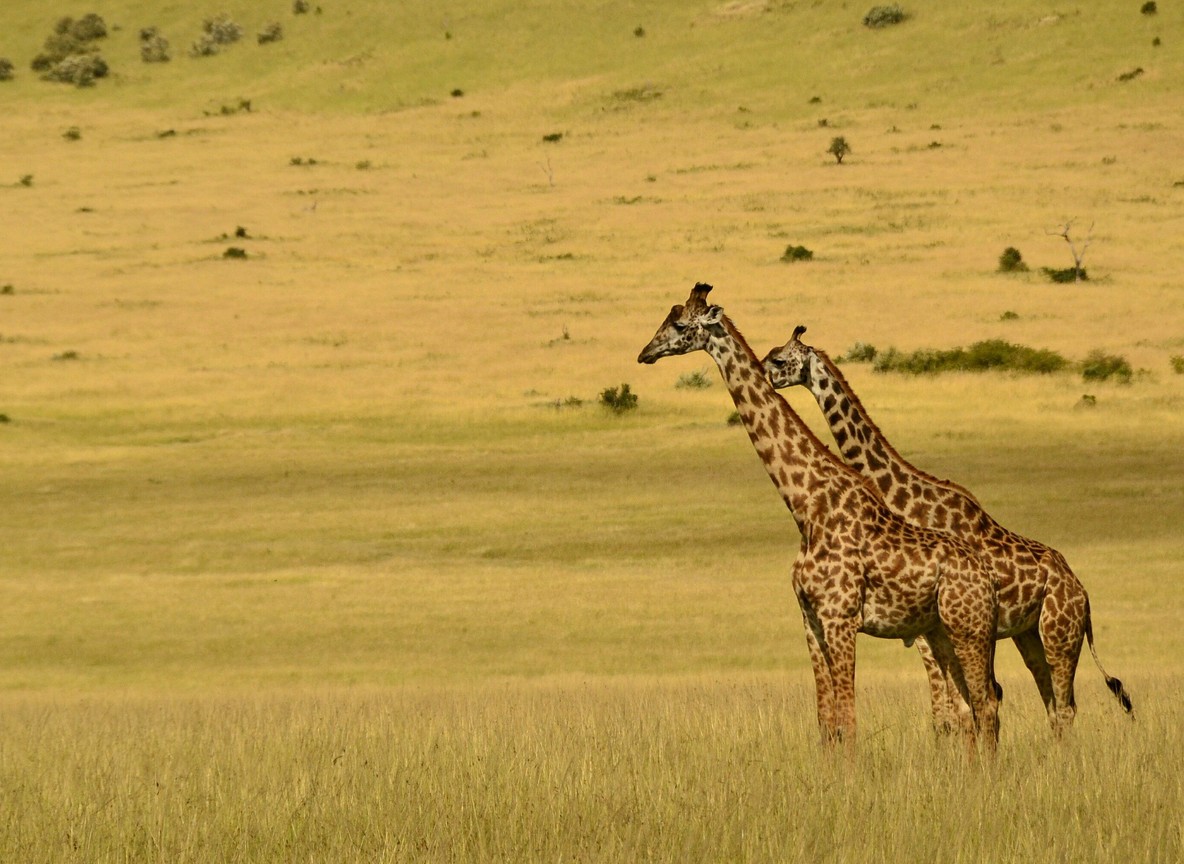
This guide looks at what makes Giraffe Manor distinctive, what the breakfast encounter is actually like, how the rooms and houses differ, what the nearby conservation context adds, and how readers can decide whether the experience belongs in a Nairobi stay or a wider Kenya safari itinerary. Readers comparing where it fits in a high-end route can also pair it with the best luxury safari lodges in Kenya guide.
Why Giraffe Manor Became So Iconic
The reputation of Giraffe Manor Nairobi rests on a very simple image: Rothschild giraffes appearing at windows and terraces of a manor-style house in Karen. But the reason the image has lasted is that the property does not feel like a novelty stop. It feels unusually coherent.
The architecture, setting, and wildlife interaction reinforce one another:
- the house carries a strong 1930s manor identity
- the grounds feel private and green rather than urban
- the giraffe encounters are close enough to feel improbable
- the scale remains intentionally small
That combination matters. Readers looking for a standard luxury hotel with a wildlife gimmick may misunderstand the appeal. The property works because it is closer to a house-party atmosphere with conservation context than to a conventional city hotel.
The Conservation Context Matters
The giraffes most readers associate with the Manor are part of the wider Rothschild giraffe conservation story in Karen, closely linked to the nearby Giraffe Centre and related conservation work in the area. That context gives the stay more weight than a simple animal encounter. Readers who want the practical visitor counterpart can also use the Nairobi Giraffe Centre guide.
Rothschild giraffes have long required active conservation support in East Africa, and the Karen facilities helped make them visible to travelers in a way that supported awareness and breeding work. Readers do not need a full conservation lecture to enjoy the property, but understanding that history changes the tone of the experience. It becomes less about novelty and more about proximity to a species with a real recovery story behind it.
The house itself predates the giraffes by four decades. It was built in 1932 by Sir David Duncan, of the Mackintosh’s Toffee family, in the style of a Scottish hunting lodge. It became a wildlife sanctuary only in 1974, when Betty and Jock Leslie-Melville bought the property and 15 acres of its original grounds, founded the African Fund for Endangered Wildlife, and began a Rothschild giraffe breeding programme after adopting an orphaned giraffe named Daisy. That origin story, a chance rescue rather than a hospitality concept, is part of why the property still reads as a genuine conservation project with rooms attached, rather than a hotel that added giraffes for effect.
The Breakfast Experience
This is the part most readers want clarified. Yes, the breakfast encounter is real. Yes, giraffes do appear at the windows. And yes, the experience can feel as theatrical as the photographs suggest.
What matters is understanding how it actually unfolds. Giraffe Manor breakfast is not a staged performance every minute of the morning. The giraffes move according to their own rhythm. Guests are usually given feed pellets, and when the animals come close enough, those interactions become the defining memory of the stay.
The experience tends to work best for readers who understand three things:
- the encounter is brief, even if highly memorable
- timing and patience matter
- the rest of the property contributes as much as the photo moment itself
Arriving with that expectation usually leads to a stronger stay than treating the whole booking as a single viral image to reproduce.
What the Rooms and Houses Feel Like
One of the most practical questions readers ask is whether room choice matters. It does, but perhaps less in the simple way many booking roundups suggest.
Manor House
The original manor house carries the strongest historical atmosphere. Readers drawn to period architecture, fireplaces, old-world detailing, and the feeling of staying inside the iconic structure itself usually prioritize this side of the property.
Garden Manor
The garden-side rooms feel somewhat more contemporary and private. For some readers they are the better choice, especially if the goal is quiet and space rather than the idea of staying in the best-known part of the house.
What matters more than labels is the overall scale. The property remains small enough that room location affects tone, but not so large that one section feels disconnected from the giraffe experience.
Is the Experience Only About the Giraffes?
No, and this is one of the reasons Giraffe Manor Nairobi remains compelling beyond the obvious image. The property also appeals because it delivers:
- strong service in a low-density setting
- a self-contained stay close to major Nairobi conservation stops
- a transition point before or after safari
- a rare sense of quiet within reach of the city
On the ground, that shows up as garden afternoon tea, a croquet lawn and boules court, and the Orchid House, a quiet room holding more than 150 orchid varieties that doubles as a spot for reading or a private dinner away from the main house. None of it depends on a giraffe walking past, which is part of why readers who stay two nights rather than one tend to report a fuller experience.
Readers who care only about feeding a giraffe may still enjoy it, but those who appreciate setting and atmosphere usually get more from the stay. It works particularly well as a soft landing after arrival in Kenya or as a reflective finish after days in the bush.
How It Fits Into a Nairobi Itinerary
This is where the Manor becomes more than a luxury address. Karen and the surrounding southern Nairobi zone make it relatively easy to combine the stay with nearby conservation and nature stops.
The most common pairings include:
- the Giraffe Centre
- the David Sheldrick elephant nursery
- Nairobi National Park
- selected Karen or Langata cultural stops
That gives readers several ways to structure the stay. Some use it as a one-night highlight. Others turn it into a two-night Nairobi chapter that anchors a broader city-and-safari sequence. The better choice depends on whether the Manor is the point of the stop or the setting around a fuller Nairobi wildlife day.
Is It Worth the Price?
This is the unavoidable question. Readers comparing Nairobi luxury lodge options are usually weighing price against uniqueness. On ordinary hotel logic, Giraffe Manor is difficult to justify. On once-only experience logic, it becomes easier to understand.
The value comes from:
- singularity of the setting
- property scale and atmosphere
- conservation context
- the fact that there is no real substitute
Readers looking for pure room value may prefer a different luxury property in Nairobi. Readers looking for a distinctive stay that belongs to Kenya specifically, rather than to generic luxury hospitality, are more likely to find it worth the cost.
What Kind of Traveler It Suits Best
The Manor is not for every reader in the same way.
It tends to suit:
- first-time Kenya visitors wanting a strong Nairobi opening
- readers combining city conservation stops with safari
- couples marking a special trip
- travelers who value memorable hospitality over maximizing game-drive time
It may suit less well:
- readers focused primarily on time in the parks
- travelers who prefer understated luxury without famous photo moments
- people uncomfortable with premium pricing for short experiential stays
Explorer Notes
- The property is best understood as a conservation-linked boutique stay, not just a breakfast photograph.
- Room choice changes the tone of the stay more than many quick reviews explain.
- One night can work, but two nights often gives the experience better breathing room.
- The nearby Giraffe Centre and elephant nursery make Karen a stronger wildlife base than many first-time readers expect, especially alongside the David Sheldrick elephant orphanage guide and the Nairobi travel guide.
- The question is usually not whether the Manor is good, but whether its kind of value matches the traveler.
Frequently Asked Questions
Is Giraffe Manor inside Nairobi city?
It sits in Karen, a leafy suburb on the southern side of Nairobi, rather than in the dense city core.
Do giraffes really come to the breakfast windows?
Yes. That is one of the defining features of the property, although the timing and length of encounters can vary.
Is one night enough at Giraffe Manor?
It can be, especially for readers on a tight schedule. Two nights usually creates a less rushed experience.
Is Giraffe Manor only for luxury travelers?
Mostly yes, given the price point, though some readers include it as a single splurge stay within a broader mixed-budget Kenya itinerary.
Can the stay be combined with other Nairobi wildlife stops?
Yes. That is one of the strongest reasons it fits so well into a Nairobi chapter.
Conclusion
Giraffe Manor Nairobi remains one of the most recognizable travel experiences in Kenya because it delivers something few famous properties actually do: it feels as distinctive in person as it appears in photographs. The giraffe encounters matter, but so do the smaller things around them: the Karen setting, the conservation background, the house scale, and the sense that the stay belongs specifically to Nairobi rather than to global luxury formula.
For readers deciding whether it is worth including, the clearest test is simple. If the goal is maximum safari time, it may be a detour. If the goal is to begin or end a Kenya trip with a stay that is unmistakably tied to place, wildlife, and memory, the case becomes much stronger.
Turn this reading into a real itinerary with help from a Kenya-based safari team.
Start Planning Your SafariFurther reading
More safari planning resources
- Kenya tour packages from Valley Safaris
- Luxury safari collection on FindMySafari
- Compare Kenya safari packages on FindMySafari
- Big Five safari collection on FindMySafari