The camera question comes up before almost every Kenya safari. Travelers who have been saving for years want to bring something capable. Those who are more casual want to know whether their phone will cut it. And a meaningful number of people are somewhere in between: they own a DSLR from a few years ago and wonder whether it is still the right tool.
Here is an honest breakdown of how each option performs in the field, based on the actual conditions you will face on a Masai Mara game drive.
The Reality of Safari Photography Conditions
Before comparing cameras, it helps to understand what you are working with.
Light: Morning and late afternoon light is excellent: golden, directional, warm. Between 10am and 3pm the light goes flat and harsh. Most productive photography happens in the first two and last two hours of the game drive.
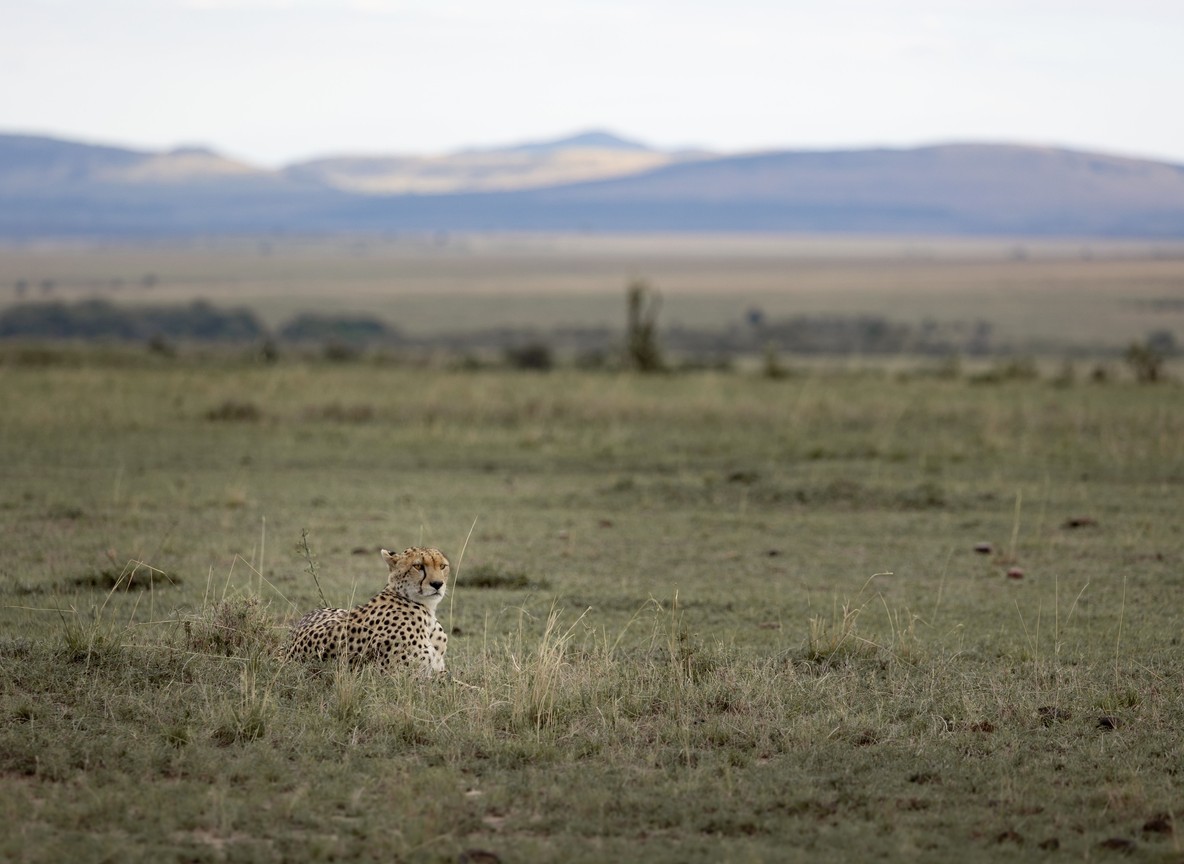
Distance: Many sightings involve subjects 20 to 80 metres away. Focal length is not a nice-to-have. It is the difference between a compelling image and a dot in the frame.
Movement: Game drives run on rough tracks in moving vehicles. Image stabilization and fast autofocus tracking matter more here than in almost any other photography context.
Dust: The red Masai Mara dust gets into everything. Changing lenses in the field is a real risk for your sensor. If you can arrive with a single telephoto zoom that covers your range, you are better off.
Low light at dawn: Early game drives often start before sunrise. Fast lenses (f/2.8 or f/4) help considerably in that window.
DSLR Cameras on Safari
DSLR cameras use a mirror and optical viewfinder system. The best DSLRs for wildlife photography, including the Nikon D500, D850, and Canon EOS 90D, have long track records in the field.
Where DSLRs hold up:
- Strong autofocus with long telephoto lenses via phase-detect systems
- Battery life that typically runs 800 to 1,500 shots per charge
- A mature, extensive lens ecosystem
- Well-sealed bodies that handle dust and heat reliably
- Wide availability of quality used bodies at accessible prices
Where DSLRs show their age:
- Heavier and bulkier than equivalent mirrorless systems
- Brief mirror blackout during burst shooting (you lose the view for a fraction of a second at a critical moment)
- The viewfinder does not show real-time exposure preview, so you are guessing until you chimp
- Animal eye-tracking autofocus is absent from most DSLR bodies
Best fit: Photographers who already own a DSLR system with telephoto glass. If you have the gear, use it. There is no practical reason to switch systems for a safari if what you own is already capable.
Mirrorless Cameras on Safari
Mirrorless cameras have become the dominant choice for new buyers. Sony Alpha, Canon EOS R, Nikon Z, and Fujifilm X series all remove the mirror, which creates the space for new autofocus architectures and thinner bodies.
Where mirrorless wins:
- Animal subject tracking is genuinely exceptional on current bodies like the Sony A9 III, Canon R7, and Nikon Z9
- Real-time exposure preview through the electronic viewfinder means fewer blown shots
- Continuous shooting without mirror blackout keeps the subject in view
- Generally lighter bodies compared to DSLR equivalents
- Video quality is typically better if you want dual-purpose use
Where mirrorless requires planning:
- Battery life is shorter: typically 300 to 600 shots per charge. Carry at least two spare batteries and charge every night
- Older DSLR telephoto lenses can be adapted to mirrorless mounts but with variable autofocus performance
- Premium mirrorless bodies with native telephoto lenses are expensive. The system cost is real
Best fit: Anyone buying new, photographers prioritizing autofocus tracking performance, and travelers who want to travel lighter without sacrificing image quality.
Smartphones on Safari
The iPhone 15 Pro Max, Samsung Galaxy S24 Ultra, and Google Pixel 8 Pro produce exceptional images in the right conditions. But a game drive introduces specific limitations.
What smartphones do well:
- They are always in your pocket, so you never miss a spontaneous moment at camp or on a walking path
- In good light and at short distances, image quality is genuinely impressive
- Social-ready images come straight off the device with minimal processing
- Wide-angle capability for camp shots, landscape frames, and group photos is strong
Where smartphones fall short on safari:
- The best flagship smartphones top out at around 5x optical zoom, equivalent to roughly 120mm. On a game drive, you regularly need 400mm to 600mm. The gap is not minor
- Performance in very low light at dawn drives is poor
- You cannot stabilize a smartphone on a beanbag the way you can a DSLR or mirrorless body
- Battery drain is significant in cold morning air and heavy shooting conditions
Best fit: Casual photographers who want to share moments, or anyone using a smartphone to complement a dedicated camera system. Not adequate as the only camera for anyone who cares about the quality of the wildlife images they bring home.
Lenses Matter as Much as the Body
Whatever system you choose, the glass makes or breaks the result.
Practical recommendations for safari:
- A 100-400mm zoom is the most versatile single lens for most safari situations
- 500mm or 600mm glass is for serious wildlife photography where reach matters more than weight
- A 70-200mm f/2.8 is excellent for larger animals at moderate distances and works well in low light
- A 24-70mm or wide-angle zoom covers landscape, camp, and close-encounter shots
A mid-level mirrorless body with a quality 100-400mm telephoto zoom will outperform an expensive body with a short kit lens on every game drive. The reach question always resolves in favor of glass.
Quick Comparison: DSLR vs Mirrorless vs Smartphone
| Factor | DSLR | Mirrorless | Smartphone |
|---|---|---|---|
| Telephoto reach | Excellent (lens dependent) | Excellent (lens dependent) | Very limited |
| Animal autofocus | Very good | Excellent | Moderate |
| Battery life | Excellent | Good (carry spares) | Poor in field conditions |
| Weight | Heavy | Moderate | Light |
| Low-light performance | Very good | Very good to excellent | Moderate to poor |
| Dust/weather sealing | Good on pro bodies | Good on pro bodies | Limited |
| Best for | Existing system owners | New buyers, performance seekers | Casual/social use |
| Typical cost | Moderate to high | High | Included in phone |
Which Option Should You Choose
Bring a DSLR if:
- You already own a capable body with telephoto glass and do not want to reinvest
- Long battery life in the field matters to you
- You are working with a tighter budget and shopping the used market
Bring a mirrorless if:
- You are buying new and want the best available autofocus, especially animal tracking
- You want a lighter kit without sacrificing image quality
- Video alongside stills is part of your plan
Bring a smartphone as primary camera if:
- You are a casual photographer and memory shots are your goal
- You already own a current flagship phone with good zoom capability
- You are using it alongside another dedicated camera system
The most practical combination for a Masai Mara safari is a mirrorless or DSLR body with a 100-400mm or 150-600mm telephoto, plus a smartphone as a secondary camera for camp shots and quick social moments.
What to Pack for Safari Photography
- Main camera body with telephoto zoom covering 100-400mm or wider
- Two or more spare batteries, charged the night before each drive
- Multiple memory cards
- Beanbag for vehicle window stabilization
- Sensor dust blower, used sparingly and never in the field if you can avoid it
- Waterproof camera bag or dry bag liner
- Lens cloth and caps for each lens
Explorer Notes: Planning Your Photography Safari
A few things worth knowing before you arrive:
- Early morning drives consistently produce the best light. Be ready before 6am.
- Game drives cover rough ground. Lens collars and proper bag padding protect gear.
- The best guide for photography knows when to stop the engine and when to hold position. Communication with your driver before the drive makes a difference.
- Kenya’s conservancies, particularly Mara North, Ol Kinyei, and Olare Motorogi, tend to have fewer vehicles at a sighting than the main reserve, which matters for composition and patience.
If photography is a core part of why you are going, it is worth telling whoever is organizing your itinerary so the camp selection, guide briefing, and drive timing can all be calibrated toward it.
Where to Go Next
If you are planning a photography-focused Kenya safari, consider looking at:
- Masai Mara conservancy options for game drive conditions and exclusivity
- Camera and gear checklists for Kenya for packing specifics
- Best time to visit the Masai Mara for light quality and wildlife density by month
For camp-specific photography conditions in the Maasai Mara ecosystem, trunktrailssafaris.com has detailed itinerary notes on which conservancies suit photography-focused guests best.
Prefer a different route, budget, or travel style? This plan can be adapted to fit.
Customise Your TripFurther reading
- WWF wildlife conservation
- Magical Kenya (Kenya Tourism Board)
- Maasai Mara Wildlife Conservancies Association