Can I See the Big Five in Samburu? 4 Animals to Expect
If you are asking yourself, can I see the Big Five in Samburu, the honest answer is: mostly. Samburu National Reserve gives you four of the five, lion, leopard, elephant and buffalo, but rhino is not part of the package here. That distinction matters, because a lot of trip planning gets built around a checklist that Samburu alone cannot complete. This guide walks through what you will actually find, why rhino is the exception, and how to close that gap without reshaping your whole safari.
Samburu sits in northern Kenya, drier and quieter than the Mara or Amboseli, and it rewards a slower kind of looking. It also has a second, less famous checklist worth knowing about before you go.
Does Samburu National Reserve Have the Big Five?
Samburu National Reserve has four of Africa’s Big Five: lion, leopard, elephant and African buffalo. Rhino is not normally found in the reserve, so Samburu alone is not a dependable full Big Five destination. For all five, pair it with a rhino area such as Ol Pejeta, Lewa, Sera or Lake Nakuru.
That gap is not a marketing gimmick or a seasonal quirk. It reflects the reserve’s history and habitat, and it means guides here will rarely, if ever, radio in a rhino sighting inside Samburu’s boundaries. Travelers who arrive expecting one are usually disappointed by something that was avoidable with a bit of planning.
Which Big Five Animals Can You See in Samburu?
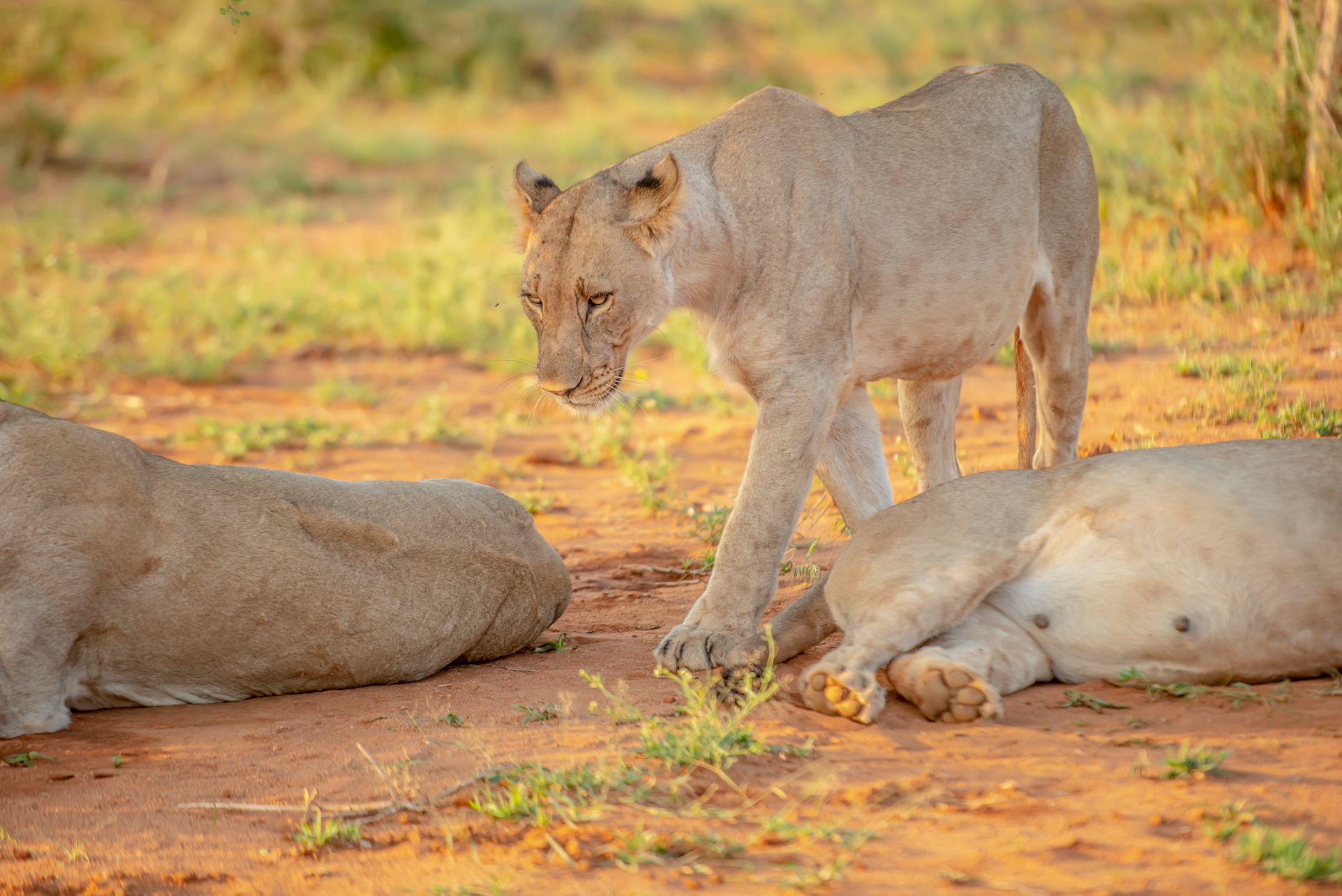
Lion, leopard, elephant and buffalo are the Big Five animals to target in Samburu. Elephants and buffalo are strongest near the Ewaso Ng’iro River, while lions use open areas and leopards favor thicker riverine cover and rocky ground. Sightings remain wild and cannot be guaranteed, especially for leopard.
Elephants are often the easiest of the four. Samburu’s dry landscape pushes them toward the river, and family groups linger there through the heat of the day. Buffalo follow a similar pattern, grazing close to water and moving in herds that are hard to miss once you know where to look. Lions range more widely across open ground and lugga beds, so a good guide reading fresh tracks matters more here than in denser parks. Leopards are the wildcard. They favor the thick riverine bush and rocky outcrops along the Ewaso Ng’iro River. A sighting often comes down to luck, timing and a guide who knows a particular tree or rock face.
Can You See Rhinos in Samburu?
Rhinos are not normally seen inside Samburu National Reserve. To add rhino to a northern Kenya safari, combine Samburu with nearby Lewa, Sera or another dedicated rhino conservancy.
The reason is straightforward rather than mysterious. Rhino is difficult because it is absent from Samburu National Reserve proper, not merely hard to find there. Some nearby conservation areas, including Sera Rhino Sanctuary and Lewa, do offer rhino experiences. These are separate destinations with their own entry arrangements, and should not be presented as sightings inside Samburu itself. Build them into the itinerary on purpose rather than hoping for a lucky crossover.
What Are the Samburu Special Five?
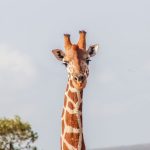
The Samburu Special Five are Grevy’s zebra, reticulated giraffe, gerenuk, Beisa oryx and Somali ostrich. These northern species are Samburu’s signature wildlife attraction, and several are easier to find here than in Kenya’s southern parks. They occupy river corridors, dry scrub and open plains, rewarding careful observation beyond the classic Big Five checklist.
This is where Samburu earns its reputation among repeat safari travelers. Grevy’s zebra, with its narrower stripes and rounder ears, is genuinely rare outside this part of Kenya. Gerenuk stand on their hind legs to browse, which is a strange and memorable sight the first time you see it. Reticulated giraffe have crisper, more geometric markings than the giraffe further south. None of these animals carry the same name recognition as a lion or an elephant. For a lot of visitors, though, they end up being the highlight of the trip.
Where Are the Best Places to See Wildlife in Samburu?
The Ewaso Ng’iro River corridor is the best starting point because it concentrates elephants, buffalo, lions, giraffes and many other animals around permanent water and riverine vegetation. Game drives should also cover open plains, acacia woodland and rocky areas, while nearby Buffalo Springs and Shaba expand the wider ecosystem’s habitat range.
Most camps and lodges sit close to the river for exactly this reason. A morning drive along the water tends to produce the most animal density in the shortest time. Afternoon routes into drier scrub are where the Special Five species show up more reliably. Buffalo Springs National Reserve and Shaba National Reserve both adjoin Samburu and share the same open ecosystem. They are worth including if your itinerary allows a full day of exploring rather than a single quick loop.
When Is the Best Time to See Wildlife in Samburu?
Samburu offers wildlife year round, but dry periods are generally easiest for concentrated sightings. Animals gather around the Ewaso Ng’iro River then, and vegetation is thinner. January to March and June to October often provide strong game viewing conditions. Rainy months bring greener scenery and fewer visitors, but animals are more dispersed, so sightings can require more patience.
If your main goal is ticking off the four available Big Five species plus the Special Five, lean toward the drier windows. If you would rather have quieter camps and softer light for photography, the rainy months are a reasonable trade. You will just need to accept animals being more spread out. Neither choice is wrong. It depends on what you are optimizing for.
How Can You See All Five by Combining Samburu With Another Reserve?
Combine Samburu’s four regular Big Five species and Special Five with a dedicated rhino destination. Ol Pejeta and Lewa are strong northern Kenya pairings, while Lake Nakuru adds a practical rhino stop on a southern circuit. Allow at least two or three nights in Samburu so river wildlife and rare northern species get proper time.
For travelers building a northern loop, the best time to visit Ol Pejeta for rhino is worth checking before you set dates. Ol Pejeta sits close enough to Samburu to fold into the same trip without much extra driving. Those routing through central Kenya instead sometimes prefer the best months for rhino in Lake Nakuru, which pairs more naturally with a Mara-based circuit. Either way, treat the rhino leg as its own stop rather than an extension of Samburu’s game drives.
What Is Samburu’s Big Five Status at a Glance?
Samburu confirms four of the five Big Five species, with rhino as the one gap. The table below breaks down where each animal is found and how likely you are to see it.
| Big Five animal | Present in Samburu Reserve? | Typical habitat | Sighting likelihood |
|---|---|---|---|
| Lion | Yes | Open plains, lugga beds | Frequent, needs good tracking |
| Leopard | Yes | Riverine thicket, rocky outcrops | Occasional, less predictable |
| Elephant | Yes | Ewaso Ng’iro River corridor | Frequent, strongest in dry months |
| Buffalo | Yes | Near water, riverine grass | Frequent |
| Rhino | Not normally | N/A within the reserve | Not expected; visit Lewa, Sera or Ol Pejeta instead |
Numbers are not fixed here because wild animal movement varies by season and year. Treat the frequency column as a general expectation, not a guarantee.
Frequently Asked Questions
Does Samburu have the Big Five?
Samburu National Reserve has four of the Big Five: lion, leopard, elephant and buffalo. Rhino is not normally present in the reserve, so travelers should not expect to complete the Big Five there alone.
Can you see rhinos in Samburu?
Rhinos are not normally seen inside Samburu National Reserve. To add rhino to a northern Kenya safari, combine Samburu with nearby Lewa, Sera or another dedicated rhino conservancy.
What are the Samburu Special Five?
The Samburu Special Five are Grevy’s zebra, reticulated giraffe, gerenuk, Beisa oryx and Somali ostrich. They are the region’s standout wildlife. Seeing them is one of the main reasons to visit Samburu, even if the classic Big Five is not complete.
Where can I see the Big Five in Samburu?
Search the Ewaso Ng’iro River corridor first, especially for elephants, buffalo and lions. Leopards are more often associated with riverine cover, wooded areas and rocky terrain, but sightings are unpredictable. Buffalo Springs and Shaba can broaden the search across the greater Samburu ecosystem.
Can I see all five animals in one Kenya safari?
Yes, but Samburu should be paired with a reliable rhino destination rather than treated as a complete Big Five park. Ol Pejeta, Lewa or Lake Nakuru can provide the rhino component, while Samburu adds four classic species and the Special Five.
If Samburu’s four out of five has you comparing options, it’s worth reading what to expect when seeing the Big Five in Amboseli. The full five are more consistently possible there in one reserve. A Samburu safari guide is a good next stop for logistics. Big Five Kenya covers how the checklist plays out across the country’s other parks.
How Should You Plan a Samburu Trip?
Samburu rewards travelers who go in with realistic expectations rather than a checklist mentality. Four Big Five species, a rare Special Five, and a river ecosystem that rewards slow game drives make Samburu one of Kenya’s distinctive stops. That holds even without rhino. If you want to see how different operators structure a Samburu itinerary, including rhino add ons, it helps to look around first. Compare safari operators like FindMySafari, Valley Safaris and Trunktrails Safaris, and browse packages before settling on dates.
Where Can You Find More Safari Planning Resources?
- Samburu map and Special Five from SafariPure
- Samburu National Reserve guide from Trunktrails Safaris
- Map of Samburu from Valley Safaris
- Big Five safari collection on FindMySafari