Can I See the Big Five in Amboseli?
If you are planning a first trip to Kenya, you have probably typed can i see the big five in amboseli into a search bar. Maybe more than once. No. Amboseli is not a reliable complete Big Five destination. Elephants, lions and buffalo are realistic sightings, leopards are present but elusive, and rhinos should not be expected on a normal game drive. The park is better known for unusually strong elephant viewing, open landscapes and Mount Kilimanjaro views than for completing the Big Five checklist.
That distinction matters when you are choosing where to spend your safari days. Amboseli National Park sits in southern Kenya, close to the Tanzanian border, and its name is almost synonymous with elephants. Large herds move across the swamps and dry plains beneath Kilimanjaro, often close enough for genuinely memorable photographs. Lions and buffalo are also part of daily life in the park. Leopards exist here too, but they keep to cover and are far harder to find than in some other Kenyan parks. Rhinos are simply not part of the picture, for reasons rooted in the park’s conservation history rather than bad luck on any single drive.
Many visitors build an Amboseli stop into a wider Kenya itinerary precisely because it does one thing so well. Rather than treating the Big Five as a scorecard, think of Amboseli differently. It is the strongest elephant destination in the country, with three more Big Five species as a bonus and a fair chance at the fourth.
Which Big Five Animals Can You See in Amboseli?
You can see African elephants, lions and buffalo regularly enough to make them core Amboseli targets, while leopard sightings are possible but uncommon. Rhinos are absent from the normal visitor experience, so Amboseli is best described as a Big Four destination with one exceptionally strong species. The park’s famous elephant herds move around its wetlands and plains.
Amboseli elephants are the headline act. Family groups gather at swamps such as Enkongo Narok and Longinye. This happens especially in the drier months, when permanent water draws them in from surrounding dispersal areas. Watching a herd cross open ground with Kilimanjaro as a backdrop is one of the defining images of an Amboseli safari. It is one reason the park keeps its reputation even without a full Big Five list.
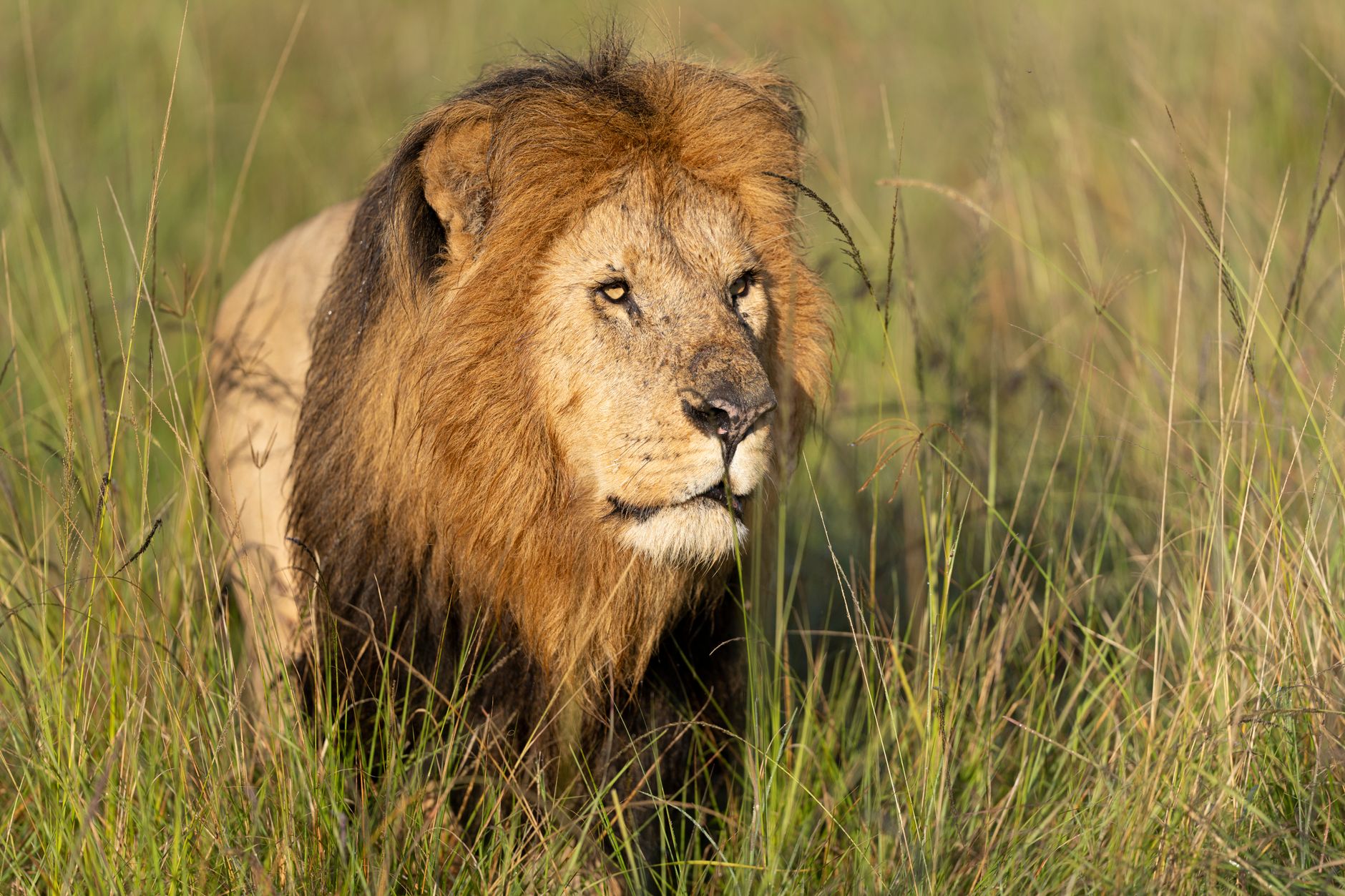
Amboseli lions are less numerous than in the Masai Mara but well established, particularly around the grasslands where prey concentrates. Buffalo herds favor the marshy areas near permanent water and are usually straightforward to find with a good guide. Amboseli leopards are the trickiest of the four. They are solitary, mostly nocturnal, and prefer denser vegetation along watercourses, which is scarcer here than in parks with more woodland cover. A leopard sighting in Amboseli is a genuine highlight precisely because it is not guaranteed.
How Likely Are Elephant, Lion, Buffalo and Leopard Sightings?
Elephants are the most dependable major sighting, especially around swamp edges and movement routes between water and feeding grounds. Buffalo are commonly found near wetlands, and lions can be seen around areas where prey gathers. Leopards are the least predictable of the four because they favor thicker woodland or riverine cover and are most active around dawn and dusk.
A useful way to think about it is by habitat rather than species alone. The swamps and their fringes are where elephants, buffalo and often lions overlap. A morning spent circling the wetland areas tends to be productive across three of the four species. Leopards are the exception. Guides tend to look for them along the few pockets of denser bush and riverine woodland. Success usually depends on patience, timing and a driver who knows recent movement patterns. Early morning and late afternoon drives give better odds than the heat of midday, when most cats rest out of sight.
It is worth setting expectations honestly before you go. A three or four day stay gives you a strong chance at elephants, buffalo and lions. It also gives a fair shot at leopard if your guide has current information. A single overnight stop lowers those odds simply because there is less time on the ground.
Why Are Rhinos Not Seen in Amboseli?
Rhino should not be part of an Amboseli safari plan because the park does not have a normal resident rhino population. Black rhinos historically occurred in the wider area but were lost after heavy poaching and other pressures. Travelers who want dependable rhino viewing should add a destination such as Ol Pejeta rather than rely on Amboseli.
This is not a case of rhinos being merely rare or hard to spot, the way leopards are. Amboseli rhinos are not part of the park’s standard wildlife population, and no amount of extra game drive time changes that. If seeing a rhino matters to you, the practical answer is to combine parks rather than hope for a surprise sighting. Ol Pejeta Conservancy, for example, protects both black and southern white rhino in fenced, actively managed sanctuary areas, which makes sightings far more consistent. Our guide to the best time to visit Ol Pejeta for rhino viewing covers seasonal patterns. It also explains how to plan that leg of a trip alongside Amboseli.
Some travelers also ask about Lake Nakuru, another park historically associated with rhino sanctuaries within its boundaries. If your itinerary already runs through the Rift Valley, it is worth checking our notes on the best time to visit Lake Nakuru. That guide works well as an alternative or addition to Ol Pejeta.
When Is the Best Time to See Wildlife in Amboseli?
The dry months generally make wildlife easier to locate because animals concentrate around permanent water, vegetation is thinner and roads are more manageable. Amboseli remains a year-round wildlife destination, however, and wet periods can improve scenery, birdlife and fresh grazing. For predators and leopards, early morning and late afternoon drives are more useful than midday outings.
The best time to visit Amboseli for wildlife concentration tends to be the drier stretches of the year. Animals cannot spread out across the wider ecosystem then, so they gather near the swamps. That is also when elephant sightings are at their most reliable, since herds rely on the permanent wetlands. Wetter periods bring their own rewards, including greener landscapes and more active birdlife. There are also generally fewer vehicles at popular sightings, even if game can be more dispersed.
Whichever season you travel, pack for dust, sun and cool early mornings on open vehicles. Our guide on what to wear on a Kenya safari is worth reading before you go. The wrong clothing choices can affect both comfort and, in some cases, how wildlife reacts to your vehicle.
How Does Amboseli Compare With Kenya’s Best Big Five Destinations?
Choose Amboseli for elephant behavior, large scenic herds, wetlands and Kilimanjaro views. Choose the Masai Mara for stronger classic big cat and leopard opportunities, and Ol Pejeta for much more dependable rhino viewing. Amboseli can complement rather than replace those destinations. This works well when a Kenya itinerary needs both distinctive elephant experiences and a realistic chance of seeing all five species.
| Destination | Elephants | Lions | Buffalo | Leopards | Rhinos |
|---|---|---|---|---|---|
| Amboseli | Excellent, large herds | Good, not guaranteed | Good, near swamps | Rare, elusive | Not present |
| Masai Mara | Good | Excellent | Good | Good, better odds | Rare, some conservancies only |
| Ol Pejeta | Good | Good | Good | Moderate | Excellent, dedicated sanctuary |
This is the practical case for combining parks rather than expecting one park to do everything. Many Kenya itineraries pair Amboseli with the Masai Mara for a stronger overall Big Five outcome. Our masai mara vs Amboseli comparison can help you decide how many nights to allocate to each. Others add Ol Pejeta as a focused rhino stop. Some extend into Nairobi National Park on arrival or departure days instead. It sits close to the airport and offers worthwhile wildlife viewing in a short window. Our notes on the best time to visit Nairobi National Park explain how to fit that in without adding extra travel days.
If your main goal is completing the Big Five checklist, our broader guide to the Big Five in Kenya can help. It lays out which parks cover which species most reliably, so you can build an itinerary around realistic expectations rather than hope.
Frequently Asked Questions
Can you see the Big Five in Amboseli?
You can see four members of the Big Five in Amboseli: elephant, lion, buffalo and, with luck, leopard. Rhinos are not a realistic sighting in the park, so visitors should not expect to complete the full Big Five there.
Does Amboseli have rhinos?
Rhinos are not normally present in Amboseli National Park, and a standard Amboseli game drive is not a rhino viewing experience. Add Ol Pejeta or another Kenyan rhino conservancy if seeing rhino is a priority.
Are leopards found in Amboseli?
Leopards are found in the Amboseli area, but sightings are rare because they are solitary, secretive and associated with thicker woodland or riverine cover. The best chance usually comes from patient guiding during early morning or late afternoon drives.
What animals can you see in Amboseli National Park?
Amboseli is especially famous for elephants, but visitors may also see lions, buffalo, elusive leopards, cheetahs, zebras, wildebeest, giraffes, hyenas, hippos and many bird species. The exact sightings vary with water, season, animal movement and time spent on game drives.
Is Amboseli good for a Big Five safari?
Amboseli is excellent for elephants and offers realistic sightings of lions and buffalo. It is not the strongest single park for a complete Big Five safari, though. Combine it with the Masai Mara for big cats or Ol Pejeta for rhinos if completing the Big Five matters to you.
How Do You Plan the Rest of Your Trip?
Amboseli works best as one strong piece of a wider Kenya safari rather than a single stop expected to deliver everything. Once you know how elephants, lions, buffalo and leopards fit into your plans, it is worth comparing safari operators. Different itineraries link Amboseli with parks like the Masai Mara or Ol Pejeta in different ways. Sites such as FindMySafari, Valley Safaris and Trunktrails Safaris let you browse packages side by side. You can weigh routes, pacing and the parks each one includes before deciding how to build your own Big Five trip.
Where Can You Find More Safari Planning Resources?
- Amboseli map and guide from SafariPure
- Amboseli National Park guide from Trunktrails Safaris
- Map of Amboseli from Valley Safaris
- Big Five safari collection on FindMySafari