Lake Nakuru National Park is a popular safari stop from Nairobi. The park is compact, with a lake, woodland and grassland that hold rhinos, giraffes, buffaloes and predators. But if you ask when is the best time to visit lake nakuru, the answer depends on what you want from the trip. This guide compares the months by weather, wildlife, flamingos, costs and crowds.
When Is the Best Time to Visit Lake Nakuru?
For the best all-round Lake Nakuru safari, choose January-February or June-September, when drier conditions improve road access and make rhinos, buffaloes, giraffes and predators easier to spot. These two dry-season windows are broadly favorable. January-February is warmer and drier, while June-September usually offers especially reliable game drives.
That does not mean other months are a waste. The park has wildlife year-round. The right choice depends on your goal. Use this quick comparison to start planning.
| Your goal | Best months | Why it works |
|---|---|---|
| All-round game viewing | Jan-Feb, Jun-Sep | Drier tracks, shorter grass, active animals |
| Flamingos | Jan-Mar, Jul-Oct | Favorable conditions, but lake levels can change |
| Rhinos and predators | Jan-Feb, Jun-Sep | Easier spotting in open, dry habitat |
| Birding | Nov-Dec, Apr-May | Migrant and resident birds, green scenery |
| Lower costs and fewer crowds | Apr-May | Low-season rates, wetter roads |
| Photography | Jan-Feb, Jun-Sep | Clear light, active wildlife at dawn and dusk |
If you are not familiar with the park, start with the Lake Nakuru National Park guide for a full overview of the drive, roads and highlights.
What Is the Weather and Season Pattern at Lake Nakuru?
Lake Nakuru is mild year-round, with cool early mornings, pleasant afternoons and occasional showers outside the main rainy periods. April and May are usually the wettest months, while January-February and June-September are drier and easier for travel; November-December can bring short rains, green scenery and strong birding conditions.
The Lake Nakuru dry season generally runs from late June through September and again in January and February. The Lake Nakuru rainy season is centered on April and May. In between, the short rains in November and December are lighter and rarely ruin a safari.
Mornings can feel cold because the park sits high in the Great Rift Valley. You will want a fleece or light jacket for a 6:00 a.m. game drive. By midday the sun is strong. Pack layers and use this guide on what to wear on a Kenya safari before you leave home.
When Is the Best Time to See Flamingos at Lake Nakuru?
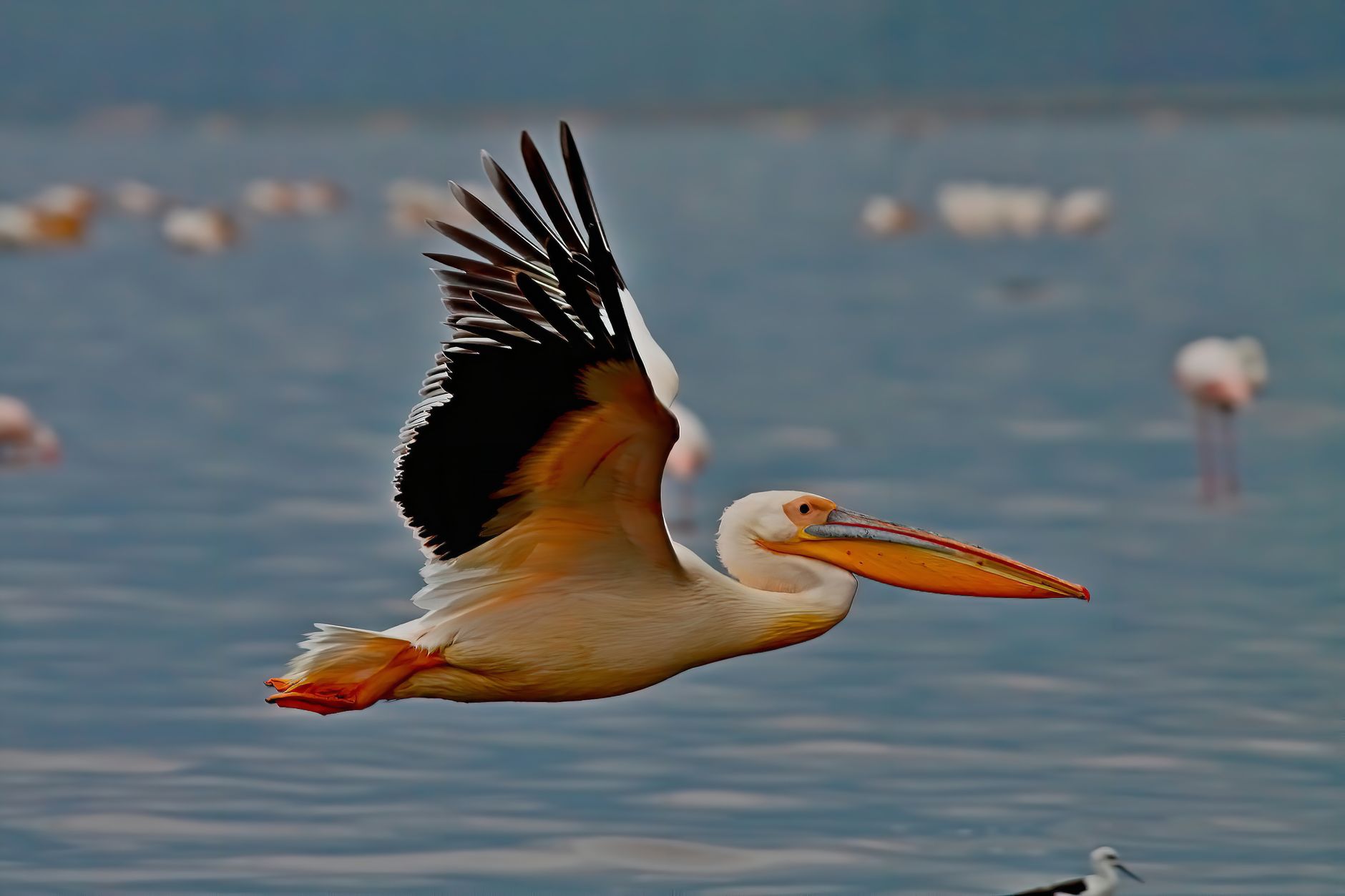
January-March and July-October are commonly favorable periods for flamingo viewing, but no month guarantees a large pink shoreline. Flamingo distribution responds to lake depth, salinity, algae and water-level changes, so recent local conditions matter more than a fixed calendar promise.
Lake Nakuru’s flamingo numbers have shifted over the years. The dense pink bands seen in old photos can change as the lake rises or becomes less salty. Check current park reports or ask your safari operator before you go. A good operator will give you an honest update about where the birds are gathering.
The best time to see flamingos at Lake Nakuru is therefore tied to water conditions, not just the season. If flamingos are your main reason to visit, leave room in your plan for flexibility.
What Is the Best Time for Rhinos, Lions and Other Wildlife?
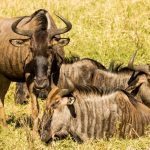
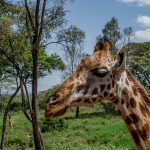
Choose January-February or June-September for the clearest general wildlife viewing. Shorter grass, firmer tracks and more predictable animal movements can make white and black rhinos, buffaloes, giraffes, lions and leopards easier to find, although Lake Nakuru’s compact habitat supports wildlife sightings throughout the year.
The park is a rhino sanctuary. White rhinos are the easier of the two species to see because they graze in open grassland. Black rhinos are present but more secretive. Leopards also live here, yet they are rarely seen in daylight.
For the clearest Lake Nakuru wildlife viewing, plan for early morning and late afternoon. Those are the hours when predators and grazers are most active. If your itinerary also includes the Mara, the best time to visit Masai Mara may affect your wider dates, so check both parks before you book.
Is Lake Nakuru Worth Visiting During the Rainy Season?
Yes, particularly for green landscapes, birdwatching, dramatic photography, fewer visitors and possible lower accommodation rates. April and May can bring heavier rain and softer roads, so travelers should allow flexible driving time and avoid choosing this period solely for the easiest game viewing.
The long rains turn the park lush. For birders, this can be a strong season because migrant species are present and resident birds are easier to find. Photographers often enjoy the moody skies and fresh green backdrop.
Budget travelers may find the rainy season attractive. Many Kenya camps and lodges use lower rates during the long rains. To understand how season changes price across the country, the Kenya safari cost guide gives a useful overview.
How Many Days Do You Need at Lake Nakuru?
One full day is enough to see much of this compact park, especially with an early start. An overnight stay is better because it allows both an early-morning and late-afternoon game drive and fits more easily into a Nairobi, Lake Naivasha or Masai Mara itinerary.
The drive from Nairobi usually takes two to three hours. You can arrive in the morning and still have solid game viewing before lunch. But if you want a relaxed trip, overnight at a lodge near the park or at Lake Naivasha. That way you can be at the gate for opening and again near closing.
Many travelers use Lake Nakuru as a two-day loop with Lake Naivasha. The route also runs through the Rift Valley escarpment. If you are driving onward toward the Mara, the Great Rift Valley viewpoints on the Nairobi to Masai Mara route make a good photo stop.
What Time of Day Is Best for a Lake Nakuru Safari?
Start close to the 6:00 a.m. gate opening and plan a second drive in the late afternoon before the 6:00 p.m. closing. Cooler golden-hour conditions increase activity from predators and grazing animals, while softer light improves photography. An overnight stay makes it easier to experience both productive viewing windows.
Midday is the quiet part of the day. Lions and leopards rest in shade, and many grazers stand still under trees. If you only have a single day, arrive early and plan your main driving between sunrise and mid-morning.
The cold dawn start is worth it. You see more animals, and you get the park before the crowds build. Bring a warm layer, a rain jacket and your camera.
Is Lake Nakuru Crowded in July and August?
Yes, July and August are popular because of dry-season conditions and school-holiday travel, so camps and vehicle availability should be booked earlier than in the long rains. April and May generally offer fewer visitors and potentially lower accommodation rates, making them attractive for budget-conscious travelers who can accept wet roads and cloudy weather.
The park is small, so at peak times you may share a rhino sighting with other vehicles. That is normal in any popular Kenya park. If quiet roads matter more than peak wildlife conditions, January and February are a strong alternative. November can also be calm.
For first-time safari planners, the trade-off is simple. High season gives easier game viewing but busier roads. Low season gives more privacy and lower rates, with wetter conditions and more difficult driving.
What Do Travelers Often Ask About Lake Nakuru?
These are the questions travelers ask most before planning a Lake Nakuru safari.
What Is the Best Month to Visit Lake Nakuru?
January or February is usually the strongest single choice for warm, mostly dry weather and dependable general game viewing. June through September is another excellent window, especially for rhinos, predators, clear photography and firm safari tracks.
What Is the Best Time to See Flamingos at Lake Nakuru?
January-March and July-October are commonly favorable for flamingos, but sightings vary with lake levels, salinity, algae and bird movements. Check current park conditions before traveling because flamingos may gather in different areas or occur in smaller numbers than historic photographs suggest.
Is Lake Nakuru Worth Visiting in the Rainy Season?
Yes, particularly for green landscapes, birdwatching, dramatic photography, fewer visitors and possible lower accommodation rates. April and May can bring heavier rain and softer roads, so travelers should allow flexible driving time and avoid choosing this period solely for the easiest game viewing.
How Many Days Do You Need at Lake Nakuru?
One full day is enough to see much of this compact park, especially with an early start. An overnight stay is better because it allows both an early-morning and late-afternoon game drive and fits more easily into a Nairobi, Lake Naivasha or Masai Mara itinerary.
What Time of Day Is Best for a Lake Nakuru Safari?
Early morning, from around the 6:00 a.m. opening until mid-morning, is usually best for active predators and cooler conditions. Late afternoon before closing is the other strong window, when temperatures fall and animals become more active.
How Do You Plan a Lake Nakuru Safari?
Once you know your priority, the next step is to match it with a reliable operator. FindMySafari, Valley Safaris and Trunktrails Safaris make it easy to compare safari operators and browse packages that include Lake Nakuru, the Masai Mara or the wider Rift Valley. A good operator will also give you an honest update on flamingos and road conditions before you set your dates.
Where Can You Find More Lake Nakuru Safari Planning Resources?
Use these partner and guide resources to compare routes, check park conditions and compare operators for Lake Nakuru and the wider Rift Valley. These links are useful for cross-checking seasonal patterns, road conditions and current package options before you finalize your Lake Nakuru safari dates.
- Best time to visit Kenya map from SafariPure
- Lake Nakuru safari guide from Trunktrails Safaris
- Rift Valley lakes map from Valley Safaris
- Compare Kenya safari packages on FindMySafari