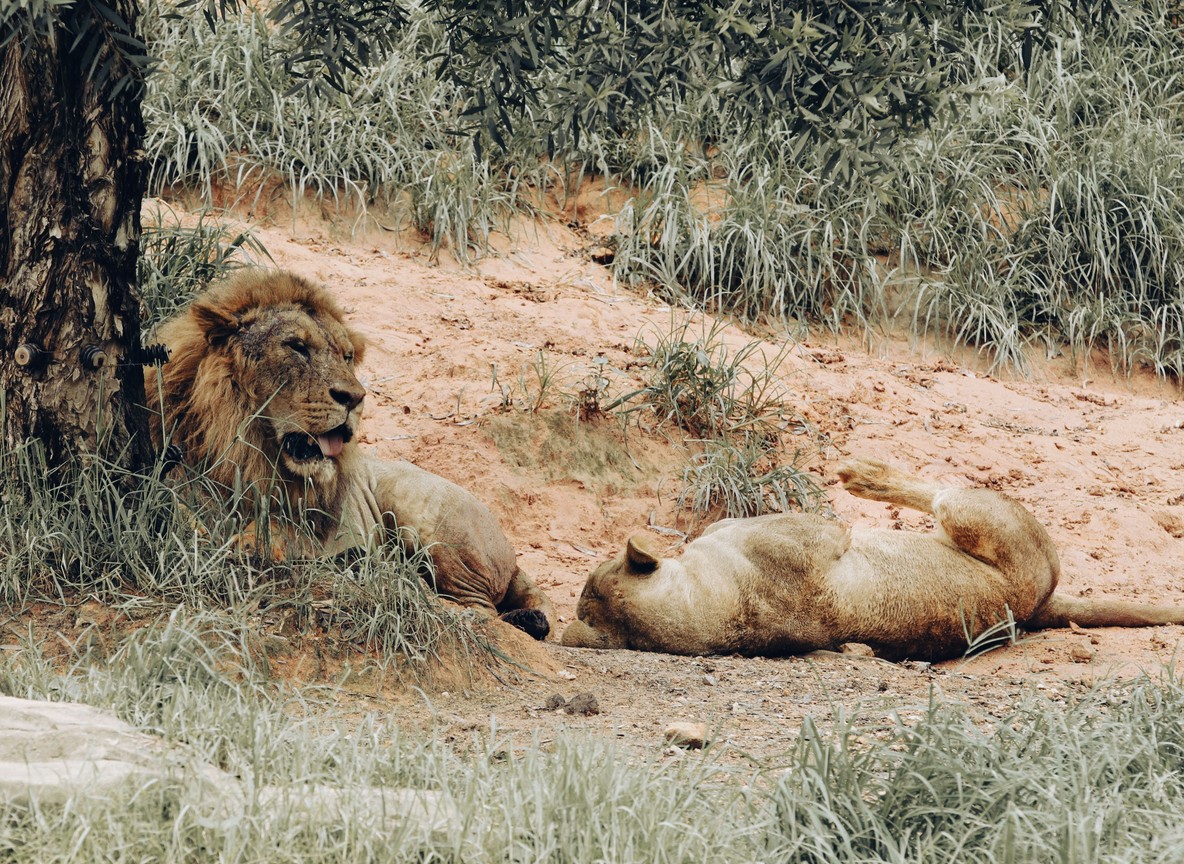
Kenya’s safari reputation is built largely on the high-end conservancy camps and luxury lodge experiences that dominate travel media. What gets less attention is that the same wildlife — the same lions, the same elephants, the same rift valley flamingos — is accessible at a fraction of the cost if you make the right park and accommodation choices.
A realistic budget for a structured Kenya safari, inclusive of park fees, accommodation in a KWS banda or budget camp, meals, and a shared safari vehicle, typically runs from around $150 to $220 per person per day. That is less than a single night at many Masai Mara luxury camps, and it gets you the same animals.
This guide covers the most value-driven Kenya parks, how accommodation choices affect the total cost, and what solo travellers specifically need to know about keeping costs manageable.
Why Kenya Works for Budget Safari Travel
Several structural features of Kenya’s safari system favour budget-conscious travellers:
Public park access. Kenya Wildlife Service manages a network of national parks that are open to all visitors with no minimum stay or compulsory guided booking requirement. You pay the gate fee and enter. In parks like Hell’s Gate, you can walk or cycle independently without hiring a guide.
KWS banda and campsite network. Inside many parks, KWS maintains self-catering accommodation (bandas — simple stone or timber cottages) and public campsites. These options put you inside the park boundary at costs far below lodge rates.
Community conservancy camps. Community-owned camps adjacent to national parks often charge significantly less than commercial lodges while providing authentic wildlife access and directing income to local communities.
Group joining tours. Solo travellers can join group departure safaris operated by Nairobi-based operators, sharing vehicle and guide costs across a group. This is the most cost-effective format for solo budget safari travel in Kenya.
The Most Affordable National Parks in Kenya
Tsavo East and West
Tsavo is Kenya’s largest national park ecosystem — over 20,000 square kilometres across two parks. It is substantially less visited than the Masai Mara and Amboseli, which translates directly into lower accommodation costs and a more uncrowded game drive experience.
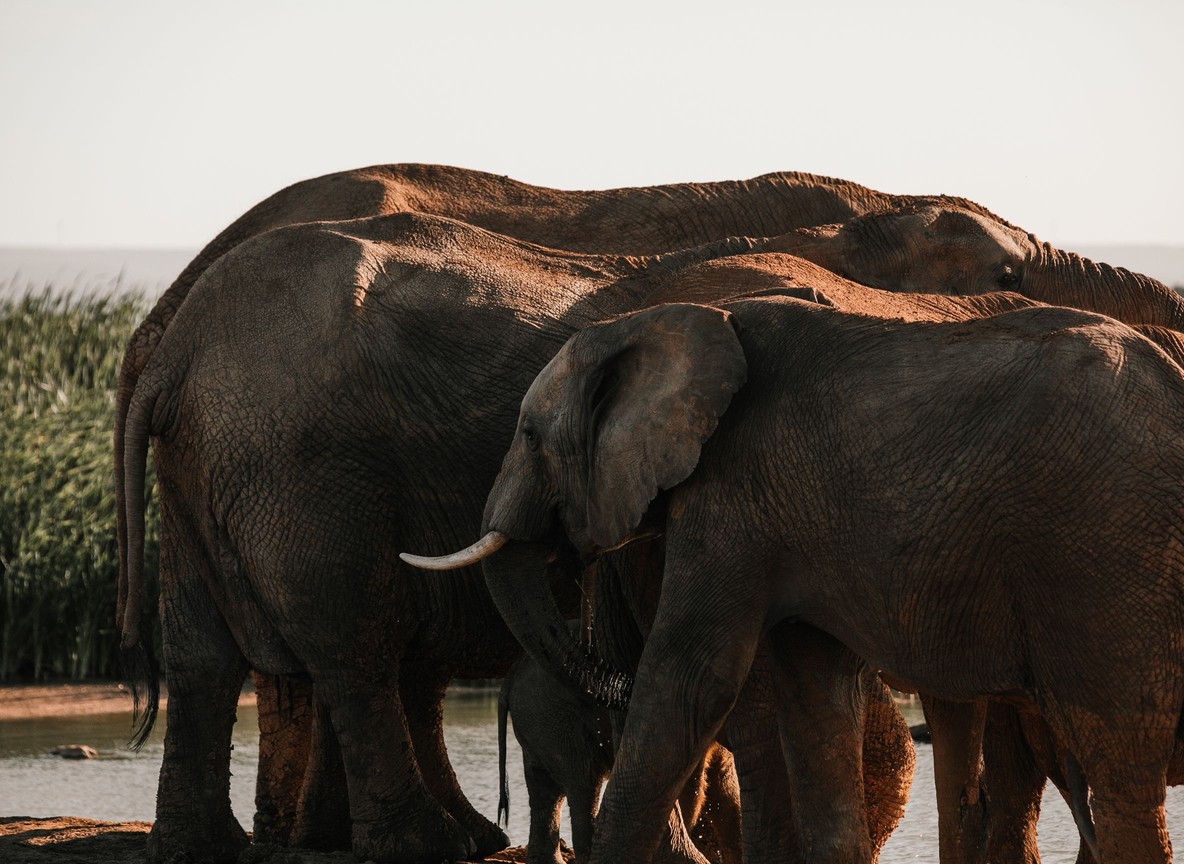
The wildlife is extensive: Tsavo is known for its large elephant population whose animals are famously stained red by the iron-rich laterite soil. Lions, leopards, buffalo, cheetahs, and large herds of zebra are all present. Tsavo West adds Mzima Springs, a crystal-clear volcanic-filtered hippo pool, and the Shetani lava field.
Accommodation costs: KWS public campsites inside Tsavo range from approximately $15 to $25 per person per night. KWS bandas (self-catering cottages) run around $30 to $55 per person. Budget-focused lodges just outside the park boundary are also available.
Why Tsavo works for budget travellers: The scale of the ecosystem means game drives rarely feel crowded. Road transfer from Nairobi to Tsavo is along the main Nairobi-Mombasa highway, which is well-maintained and reduces transfer costs compared to routes to more remote parks.
Hell’s Gate National Park
Hell’s Gate is unique in Kenya’s park system: it is the only national park where visitors can cycle or walk independently through the wildlife areas. Zebras, warthogs, baboons, and buffalo graze calmly around cyclists on the main circuit.
The park sits 90 kilometres from Nairobi in the Rift Valley near Lake Naivasha, making it accessible as a day trip or overnight from Nairobi. Non-resident adult entry fees are currently in the $15 to $26 range per day — among the lowest in the KWS system. Bicycle hire is available near the gate.
The park’s dramatic gorge — cut by geothermal activity through ancient lava flows — provides some of the most photogenic landscape in Kenya at any price point. Adjacent Olkaria Geothermal Spa, fed by natural hot springs, makes a compelling afterthought.
Best combined with: Lake Naivasha for a two-day Rift Valley budget circuit.
Lake Nakuru National Park
Lake Nakuru sits 160 kilometres north of Nairobi in the Rift Valley at 1,750 metres altitude. It is a UNESCO World Heritage site and an Important Bird Area, famous for its flamingo concentrations and for containing one of the highest rhinoceros densities in Kenya (both black and white rhino).
The Big Five are all present: lion and leopard use the forested hillsides, buffalo graze the lake margins, and rhino are reliably encountered near the southern end of the lake. Rothschild’s giraffe — a critically endangered subspecies — were reintroduced here and are regularly seen.
Non-resident adult entry fees are currently around $60 per day, significantly lower than Masai Mara or Amboseli. Budget accommodation is available in Nakuru town a short drive from the gate.
Best combined with: Hell’s Gate and Lake Naivasha for a multi-day Rift Valley circuit that covers three distinct wildlife environments at a combined cost well below single-park luxury options.
Budget Accommodation Options
KWS Bandas and Public Campsites
Kenya Wildlife Service maintains banda accommodation and public campsites inside several national parks. These are the lowest-cost way to sleep inside a park legally and safely.
Bandas are self-catering cottages with basic facilities — bedding, simple kitchen equipment, and shared or en-suite bathrooms depending on the specific site. Sleeping inside the park means you wake to the sounds of the ecosystem and can depart on game drives at first light without an approach transfer.
Bookings are made through the KWS online reservation system (kws.go.ke). Key parks with banda and campsite options include Tsavo East, Tsavo West, Amboseli, Lake Naivasha, and Lake Nakuru.
Cost range: $15 to $55 per person per night depending on park and accommodation type.
Community Conservancy Camps
Community conservancy camps sit on land adjacent to national parks, owned and managed by local Maasai or Samburu communities. Guest fees fund leasehold payments to landowners, keeping the land in wildlife use rather than being converted to agriculture.
These camps typically offer a full tented camp experience — meals included, game drives available, genuine bush atmosphere — at rates significantly below commercial lodges. Costs typically range from $80 to $150 per person per night, compared to $300 to $600 for commercial mid-range camps in the same region.
Budget Guesthouses in Gateway Towns
For parks with easy town access (Lake Nakuru, Lake Naivasha, Hell’s Gate), sleeping in the nearest town and entering the park daily is a legitimate strategy. A $25 to $50 guesthouse room in Nakuru or Naivasha town, combined with a daily park entry fee, is substantially cheaper than park accommodation while still providing full park access.
Solo Travel on a Kenya Safari
The Group Joining Tour
The single most effective structure for solo budget safari travel in Kenya is the group joining tour — a scheduled departure with a fixed itinerary, shared between typically four to eight travellers. Each person pays their share of the vehicle, guide, park fees, and accommodation. Per-person costs drop dramatically compared to chartering a private vehicle.
For solo travellers, joining tours also solve the social dimension of a safari: sitting alone in a vehicle for three days is a different experience from sharing the wildlife encounters with a small group of travellers from different backgrounds.
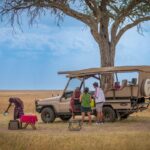
What a group tour typically includes: Ground transport in a shared 4×4 safari vehicle with pop-up roof, park entry fees, accommodation (budget camp or banda), full-board meals on safari days, and a licensed guide.
Practical Cost Planning
A realistic solo budget for a five-day Kenya safari on a group joining tour:
- Vehicle/guide share: $50 to $80 per person per day
- Park entry fees: $52 to $100 per person per day (varies by park)
- Accommodation: $20 to $80 per person per night
- Total per day (all-in): approximately $150 to $220
Higher costs occur in parks with premium entry fees (Masai Mara conservancy fees add significantly). Lower costs are achievable in Tsavo, Hell’s Gate, and Lake Nakuru circuits.
Tips for Reducing Costs Without Compromising the Experience
Travel in the green season. April through June and October through November are lower-demand periods when accommodation rates drop 20 to 35 percent at many camps while wildlife remains excellent. The long rains (April to May) produce lush scenery and good birding; the short rains (October to November) are usually manageable.
Combine parks on a single circuit. Multi-park circuits amortise the fixed costs of a guide and vehicle across more days, reducing the per-day cost. A four-day Tsavo East and West circuit, for example, splits guide and vehicle costs more efficiently than two separate one-park visits.
Use KWS online booking. Direct booking through kws.go.ke for bandas and campsites avoids intermediary markup. Advance booking of three to four weeks is advisable for popular sites in peak months.
Carry your own snacks. In-park cafeterias and lodge restaurants carry significant premiums. On group tours, meals are typically included but personal snacks and drinks for game drives are not.
For related planning, see the Kenya safari packing list 2026 and the Amboseli budget safari planning guide on Touring Insights.
If this guide has you ready to travel, a safari specialist can handle the route, camps, and logistics end to end.
Want to Book a Tour With Us?