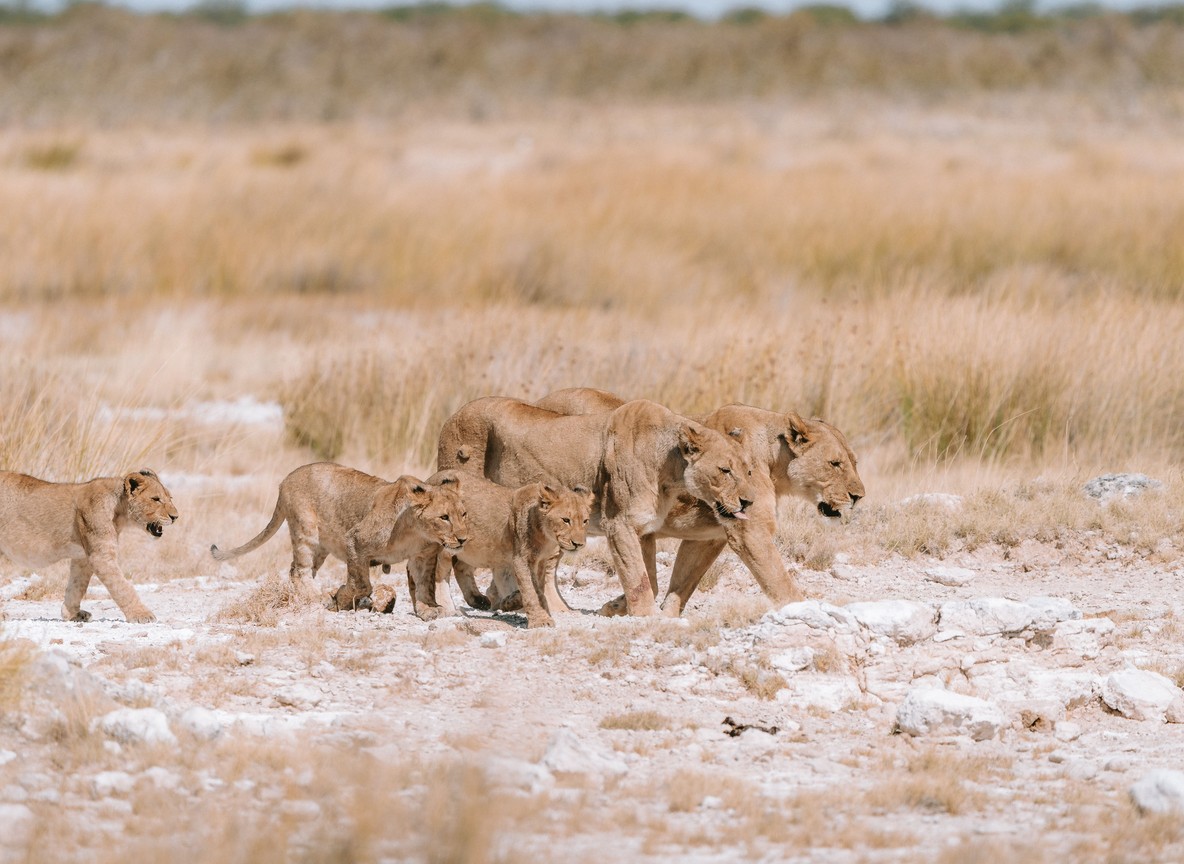
The Masai Mara National Reserve gets the fame, but the private conservancies ringing it often deliver better lion sightings. Fewer vehicles, off-road driving, and community-run land management concentrate predators in places most day-trippers never reach. Touring Insights compares four of the strongest conservancies for lions, Ol Kinyei, Naboisho, Olare Motorogi, and Mara North, on the numbers that actually matter: size, access, fees, and how crowded a sighting really feels.
Why Conservancies Often Beat the Reserve for Lions
The Masai Mara National Reserve covers roughly 1,510 km2 and takes a large share of the ecosystem’s daily visitor traffic. Vehicle limits at popular sightings are loose, so a single resting pride can draw a dozen or more vans during peak migration months.
The conservancies bordering the reserve work differently. Each one caps the number of beds allowed per acre, links payments directly to Maasai landowners, and limits vehicles at any single sighting, often to five or fewer. Guides can also drive off-road and run night drives, both banned inside the main reserve. That combination lets prides move, hunt, and rest with less disturbance, which is part of why predator numbers concentrate in specific conservancies.
None of this means the reserve lacks lions. It means a conservancy stay trades a lower chance of crowds for a smaller area to explore, and a conservancy fee on top of your camp rate.
Community ownership also changes incentives on the ground. Maasai landowners lease grazing rights to camp operators, and that lease income depends on wildlife staying healthy and visible. Livestock grazing is managed on a rotation in most conservancies, which reduces conflict with resident predators compared to open community land outside any conservancy boundary.
Ol Kinyei Conservancy: The Original Low-Density Model
Ol Kinyei was one of the first conservancies formed in the Mara ecosystem, established in 2005 through a lease agreement between Koiyaki Maasai landowners and Porini Camps. At roughly 24 km2 (6,000 acres), it is one of the smaller conservancies, but it caps guest beds tightly and keeps vehicle density low across its grassland and riverine forest.
Several resident lion prides use Ol Kinyei’s varied terrain, moving between open plains and thicker cover along seasonal watercourses. Guides here report high encounter rates precisely because so few vehicles compete for the same sighting. Porini Lion Camp, the conservancy’s only permanent camp, keeps a small footprint that matches the low-impact model the whole conservancy was built around.
Naboisho Conservancy: Scale Plus Big Cat Density
Naboisho, formed in 2010, is the largest of the four at approximately 203 km2 (50,000 acres). It sits directly north of Ol Kinyei and shares an open boundary with several other conservancies, giving wildlife room to roam beyond any single fence line.
Naboisho markets itself, with reason, as holding one of the highest lion densities in the Mara ecosystem, alongside strong leopard numbers around Leopard Gorge, a rocky outcrop long featured in wildlife documentary series. Multiple prides hold territory across the conservancy’s grassland, and several camps, including Naboisho Camp and Encounter Mara, run guided walks and night drives that the main reserve does not permit.
Olare Motorogi Conservancy: Premier Photographic Ground
Olare Motorogi formed from the 2013 merger of the neighboring Olare Orok and Motorogi conservancies, covering about 142 km2 (35,000 acres) along the Mara’s northeastern edge. It has built a reputation among wildlife photographers as one of the most productive predator areas in Kenya, with lions, leopards, and cheetahs frequently sighted within a short drive of camp.
Camps here, including Porini Lion Camp’s sister property Kicheche Mara Camp and Mahali Mzuri, keep vehicle numbers per sighting strictly capped. That rule, more than any single population count, is what makes an Olare Motorogi lion sighting feel different from one at a crowded river crossing point inside the reserve.
Mara North Conservancy: The Biggest Buffer Zone
Mara North Conservancy, established in 2009, spans roughly 299 km2 (74,000 acres), making it the largest conservancy directly bordering the reserve’s northern boundary. Its size and position next to the Mara River give it a role as a buffer and dispersal area during the July to October wildebeest migration.
Lion prides here range across open plains and the wooded riverine strips near the boundary, and several camps, including Kicheche Valley Camp, Karen Blixen Camp, and Elephant Pepper Camp, operate within its borders. Because Mara North covers so much ground, sightings can require longer drives between camps and known territories, a tradeoff against the smaller, denser conservancies to the south.
Masai Mara Conservancies Compared
| Conservancy | Size | Established | Known For | Camps |
|---|---|---|---|---|
| Ol Kinyei | 24 km2 (6,000 acres) | 2005 | Low vehicle density, small resident prides | Porini Lion Camp |
| Naboisho | 203 km2 (50,000 acres) | 2010 | High lion and leopard density, Leopard Gorge | Naboisho Camp, Encounter Mara |
| Olare Motorogi | 142 km2 (35,000 acres) | 2013 merger | Premier photographic predator sightings | Kicheche Mara Camp, Mahali Mzuri |
| Mara North | 299 km2 (74,000 acres) | 2009 | Largest area, migration buffer zone | Kicheche Valley, Karen Blixen Camp |
Figures above are indicative, drawn from conservancy operator materials, and can shift slightly as boundaries or lease agreements change. Confirm current size and camp lists with the conservancy or your booking partner.
Getting There: Distances, Fees and Airstrips
Most of these conservancies sit north and east of the main reserve, reached by road or scheduled light-aircraft flight from Nairobi. The road route runs roughly 270 km from Nairobi to the Mara region via Narok town, typically 5 to 6 hours depending on the state of the Narok-Mara road. Flights from Nairobi’s Wilson Airport take about 45 minutes and land at conservancy-specific airstrips rather than the reserve’s main strips.
| Detail | Ol Kinyei / Naboisho | Olare Motorogi | Mara North |
|---|---|---|---|
| Nearest airstrip | Ol Kiombo or Naboisho Airstrip | Mara North Airstrip (shared) | Mara North Airstrip |
| Flight time from Wilson Airport | ~45 minutes | ~45 minutes | ~45 minutes |
| Road distance from Nairobi | ~270 km, 5-6 hours | ~270-280 km, 5-6 hours | ~275-285 km, 5-6 hours |
| Conservancy fee (indicative) | USD 80-100/adult/night | USD 90-110/adult/night | USD 80-100/adult/night |
Conservancy fees above are indicative ranges bundled into most camp rates rather than charged separately at a gate. Always confirm current fees directly with the conservancy or your camp before booking, since several revise rates each year.
Explorer Notes
Ask your camp which prides currently hold territory nearby before you book. Lion territories shift over months, and a camp’s guiding team tracks this daily, so a direct question gets a far more current answer than any general write-up.
Night drives and off-road tracking are the real differentiator here, not just conservancy size. If a lion sighting at night or a close off-road approach matters to you, confirm the conservancy allows it, since rules vary even between neighboring conservancies.
Consider a two-conservancy stay if your schedule allows. Several camps arrange transfers between Naboisho and Olare Motorogi, or between Ol Kinyei and Naboisho, letting you compare denser small-conservancy tracking against a larger buffer-zone landscape in one trip.
Pack a longer lens than you think you need. Off-road access means guides can position closer to a resting pride than reserve rules allow, but cubs and hunting sequences still play out at a distance that rewards 300mm or longer glass.
Frequently Asked Questions
Which Masai Mara conservancy has the most lions? Naboisho and Olare Motorogi are the two most frequently cited for high lion density among conservancy operators, though exact counts shift with territory changes and are not independently published each year.
Are conservancies better than the Masai Mara National Reserve for lion sightings? Often yes, for a lower-crowd experience. Vehicle limits per sighting and off-road access tend to produce closer, calmer viewing than busy reserve sightings during peak season.
Do I need to pay a separate fee to visit a conservancy? Most camps bundle the conservancy fee into your nightly rate. Confirm this directly, since a handful of properties still itemize it separately.
Can I visit more than one conservancy on the same trip? Yes. Several camps arrange short transfers between neighboring conservancies, particularly Naboisho, Olare Motorogi, and Ol Kinyei, which sit close together.
Is the dry season the best time for lion sightings in these conservancies? The June to October dry season generally offers easier tracking as grass thins out, though resident prides in these conservancies are viewable year-round.
Once you know which conservancy fits your priorities, the next step is matching it to camp dates and a flight schedule. Check Touring Insights’ Tour Packages page for current Masai Mara conservancy options, or speak with a licensed booking partner about availability before you lock in flights.
What to Read Next
- Porini Lion Camp: Olare Motorogi Conservancy Guide
- Lions vs Leopards vs Cheetahs in the Masai Mara
- Laikipia Conservancies Compared
Further reading
More safari planning resources
- Kenya national parks map from SafariPure
- Interactive Maasai Mara map from Valley Safaris
- Big Five safari parks guide on Touring Insights
- Big Five safari collection on FindMySafari
Related guides: Inside a Mara Lion Rescue: How KWS Vets Treated a Wounded Lion After a Buffalo Fight.