Most Kenya hiking guides send you to Mount Kenya or the Aberdares. Few mention the Nguruman Escarpment, a 50 km wall of rock that forms the western edge of the Great Rift Valley southwest of Nairobi. The trek to its crest is steep, dusty, and run entirely by the Maasai families who own the land it crosses. Touring Insights breaks down the route, the real costs, and how it compares to Kenya’s other walking-safari options.
Where the Nguruman Escarpment Is
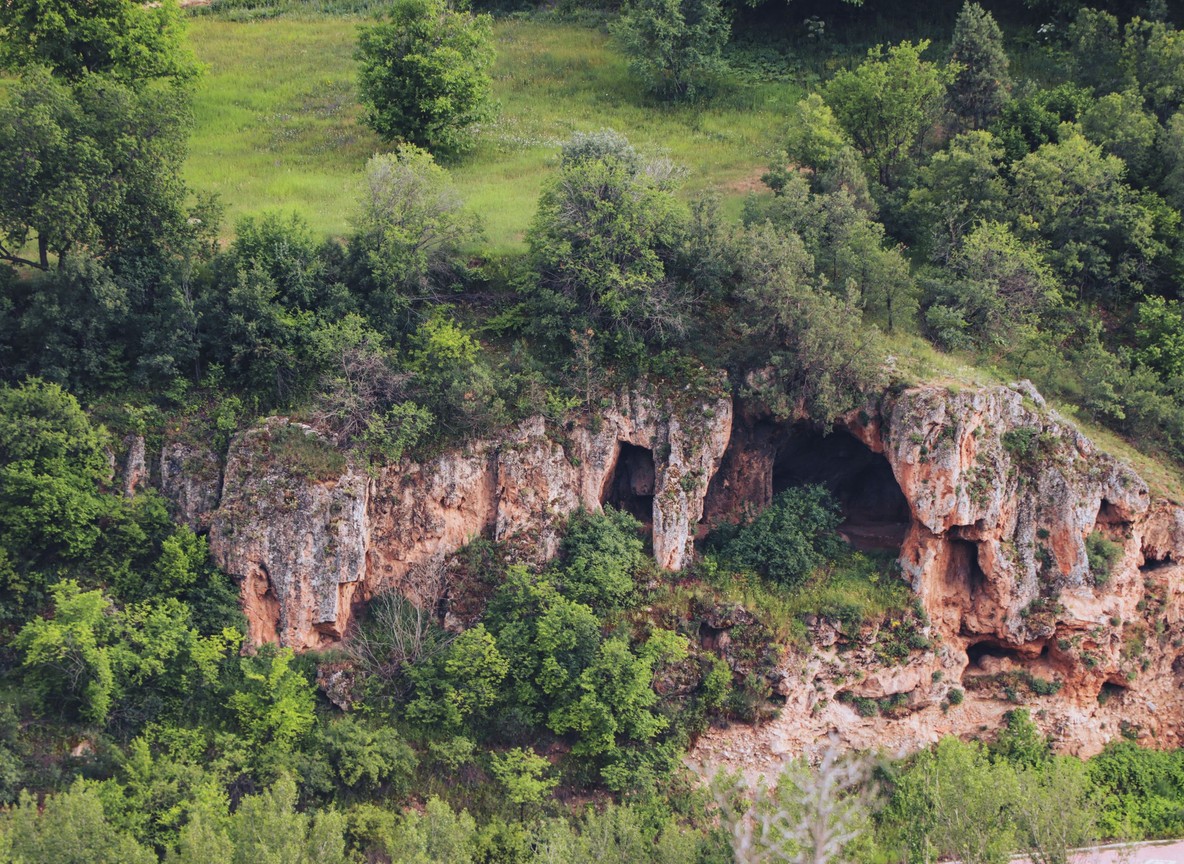
The escarpment runs roughly 50 km along the Rift Valley’s western wall, southwest of Nairobi. Its crest tops out near 2,300 m, while the valley floor below sits at around 900 m. That gap of roughly 1,400 m is what makes the climb feel like a genuine mountain trek rather than a bush walk.
The Southern Ewaso Ng’iro River flows along the escarpment’s base, and Shompole Conservancy sits on its southern reaches. Lake Magadi lies just to the east, and Lake Natron is visible from higher points near the Tanzanian border. The Loita Hills rise to the west, across the same stretch of Maasai-owned rangeland.
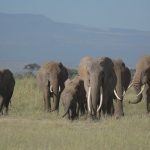
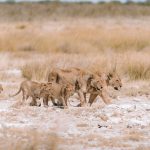
The valley floor here is dry acacia bushland, home to gazelle, giraffe, and the occasional elephant moving between the escarpment and Shompole Conservancy. Higher up, the trail crosses into a belt of cedar forest that stays noticeably cooler than the plains below. Vervet monkeys and a wide range of raptors are common sights on the climb, though this is a walking and culture trip first, not a wildlife-density destination like the Mara or Amboseli.
Getting There: Road and Transport Options
Nairobi to the Nguruman area covers roughly 150-160 km by road, a 3 to 4 hour drive on the Magadi Road. The route runs through the Ngong Hills, drops onto the Rift Valley floor, skirts Lake Magadi, then continues on dirt tracks into Maasai grazing land. A 4WD vehicle with good ground clearance is standard for the final stretch; saloon cars struggle once the tarmac ends.
A single daily bus, run by Ostrich Services, connects Kiserian to Nguruman for travelers without their own transport. Most visitors arrange a private vehicle and driver-guide through a partner operator instead, since the trailhead villages have no formal transport hub.
| Leg | Distance | Time | Road type |
|---|---|---|---|
| Nairobi to Lake Magadi | approx. 115 km | 2-2.5 hours | Tarmac (Magadi Road) |
| Lake Magadi to Nguruman/Entasopia area | approx. 35-45 km | 1-1.5 hours | Dirt, 4WD recommended |
| Total Nairobi to trailhead | approx. 150-160 km | 3-4 hours | Mixed |
How the Trek Works: Route, Distance, and Difficulty
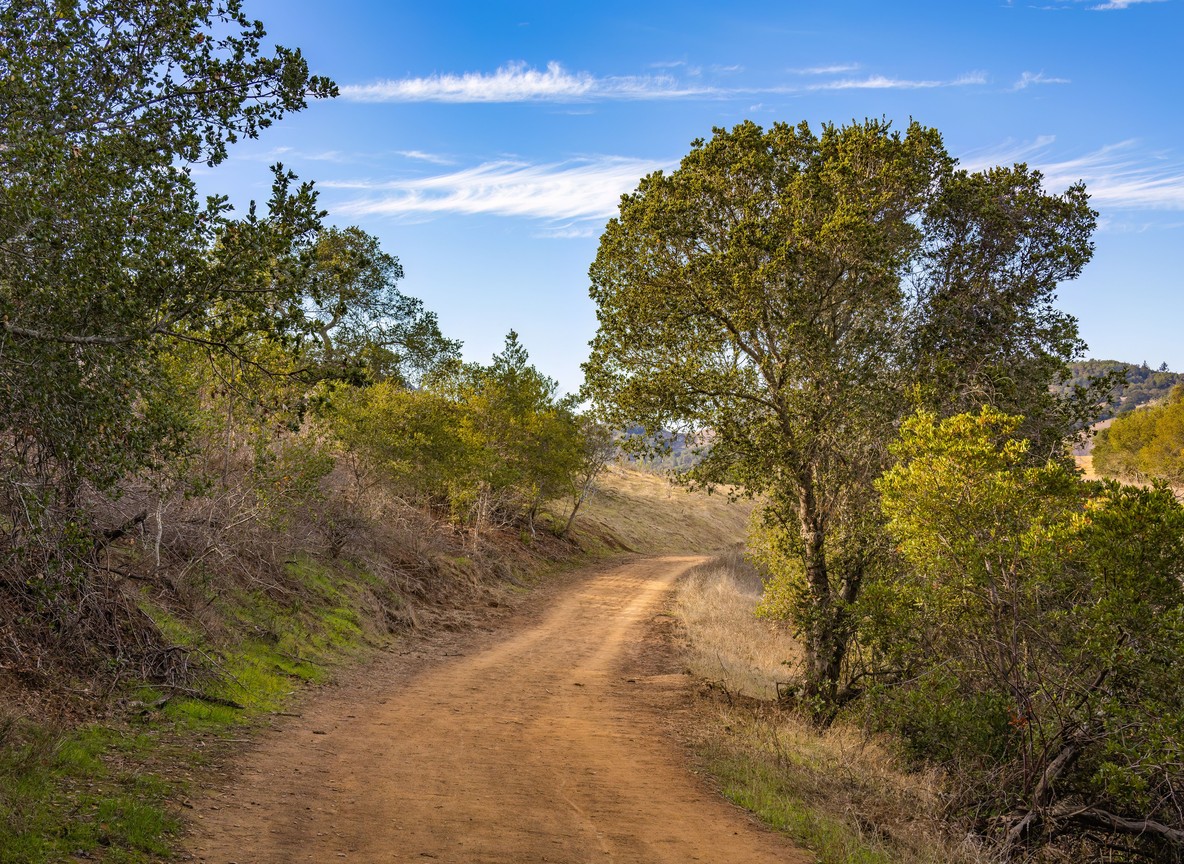
Most treks start near Entasopia School, a village landmark on the escarpment’s lower slopes, and follow a rocky dirt trail up toward Entasopia River and its waterfalls. The climb gains roughly 1,000 m from the trailhead area, moving through open savanna into pockets of cedar forest higher up the wall.
A round trip to the waterfalls and back typically takes 5 to 6 hours on foot, depending on fitness and pace. Guides rate the trail moderate rather than technical, though one short section near the falls involves a near-vertical scramble of about 10 m down bare rock. Sturdy boots and trekking poles make a real difference here.
Multi-day versions of the trek exist for travelers who want to camp on the escarpment itself rather than day-trip from the valley floor. These extend into cedar forest sections higher up the wall, with Maasai guides choosing camp spots near water and shade.
The Maasai-Guided Experience
The Maasai families who live along the escarpment own and farm this land, and every trek runs through their guiding. There is no ranger station or park gate here; access depends entirely on local goodwill and a hired guide who knows the terrain.
A typical visit pairs the hike with a stop at a Maasai boma, where guides explain grazing patterns, homestead layout, and how families have adapted pastoralism to the escarpment’s steep terrain. Meals of roasted goat, known locally as mbuzi choma, are a common addition for groups staying overnight. Treat this as a working landscape, not a staged cultural show. Ask before photographing people or homes.
Guiding income here supports households directly, since there is no park authority or concession fee splitting the money elsewhere. Booking through a known local contact or a Nairobi-based operator with existing Nguruman relationships helps make sure that fee actually reaches the family hosting your trek, rather than a middleman added late in the chain.
What It Costs: Fees, Guides, and Camps
There is no single published fee schedule for the Nguruman trek, since it runs outside the Kenya Wildlife Service park system. Costs are negotiated locally and vary by group size and season. The ranges below are indicative; confirm current rates with your operator or camp before you travel.
| Cost item | Indicative range (USD) |
|---|---|
| Maasai guide fee, day trek | $15-30/day, negotiated locally |
| Multi-day guide with porter support | $30-50/day |
| Camping fee near Entasopia or Cool Waters Camp | $10-25/night, indicative |
| Private 4WD hire from Nairobi (round trip) | $150-250/day, indicative |
| Waterfall access fee | Not formally fixed; small local fee often requested |
Cash is the only practical currency once you leave the tarmac. Bring small denominations, since change is limited in villages along the route.
Nguruman Escarpment Trek vs Loita Hills Walking Safari
Travelers choosing between southern Kenya’s two main Maasai-guided walking routes often weigh Nguruman against the Loita Hills, another community-run trekking area west of the Mara ecosystem. Both put a Maasai guide at the center of the trip, but the landscapes and logistics differ.
| Feature | Nguruman Escarpment | Loita Hills |
|---|---|---|
| Landscape | Rift Valley wall, 900-2,300 m elevation | Rolling highland forest, gentler relief |
| Nairobi distance | approx. 150-160 km (3-4 hrs) | approx. 250-280 km (5-6 hrs) |
| Trek style | Steep day hike or multi-day camp climb | Multi-day forest walking safari |
| Signature feature | Entasopia waterfalls, cedar forest belt | Naimina Enkiyio (“Forest of the Lost Child”) |
| Access | 4WD plus local Maasai guide, no formal gate | 4WD plus local Maasai guide, no formal gate |
Pick Nguruman for a shorter trip from Nairobi with a hard climb and a waterfall payoff. Pick Loita Hills if you have more days and want a longer forest walking safari over a gentler gradient.
When to Go: Best Months for the Rift Wall Walk
The dry months from June to October and January to February give the most stable footing on the escarpment’s rocky trail. Rains between March and May turn the dirt approach roads slick and can strand a 2WD vehicle entirely, so a 4WD becomes non-negotiable in that window. Early morning starts matter year-round, since the valley floor heats up fast once the sun clears the escarpment.
Explorer Notes
Confirm your guide arrangement before you leave Nairobi, not on arrival. There is no booking office at the trailhead, and showing up unannounced can mean a long wait while word travels to find an available guide.
Pack more water than feels necessary. Shade is limited below the cedar forest belt, and there is no reliable shop or refill point between Lake Magadi and the escarpment villages.
The 10 m scramble near Entasopia Waterfalls is the trip’s one genuine pinch point. If anyone in your group is uneasy on exposed rock, ask the guide about turning back at the viewpoint above it instead of pushing to the base.
Phone signal drops out completely on much of the dirt approach road. Tell someone your return time before you set off, and carry a paper map or downloaded offline route as backup.
Frequently Asked Questions
How far is the Nguruman Escarpment from Nairobi? Roughly 150-160 km, a 3 to 4 hour drive via Magadi Road. The last stretch past Lake Magadi is dirt track and needs a 4WD vehicle.
How long does the Nguruman escarpment trek take? A day trek to Entasopia Waterfalls and back takes about 5 to 6 hours on foot. Multi-day versions add a night or two camped higher on the escarpment.
Do you need a Maasai guide for the Nguruman trek? Yes. The escarpment is Maasai-owned land with no park infrastructure, so access and route knowledge depend entirely on a local guide, arranged in advance.
Is the Nguruman Escarpment trek difficult? Guides rate it moderate. The main challenge is a steady 1,000 m climb plus one short, near-vertical rock scramble close to the waterfalls.
What is the best time to trek the Nguruman Escarpment? The dry months, June to October and January to February, offer the firmest trail conditions and the most reliable road access.
Ready to build a South Rift itinerary around the Nguruman Escarpment? Visit our Tour Packages page or ask a Rift Valley partner operator to pair this trek with a Lake Magadi or Shompole Conservancy stay.
What to Read Next
- New to walking safaris? Start with our Kenya Walking Safaris guide.
- Curious how a walking trip compares to a game drive? Read Walking Safari vs Vehicle Safari in Kenya.
- Want the fuller cultural picture? See our Maasai Culture and Traditions guide.
Further reading
- Magical Kenya (Kenya Tourism Board)
- WWF wildlife conservation
- Maasai Mara Wildlife Conservancies Association