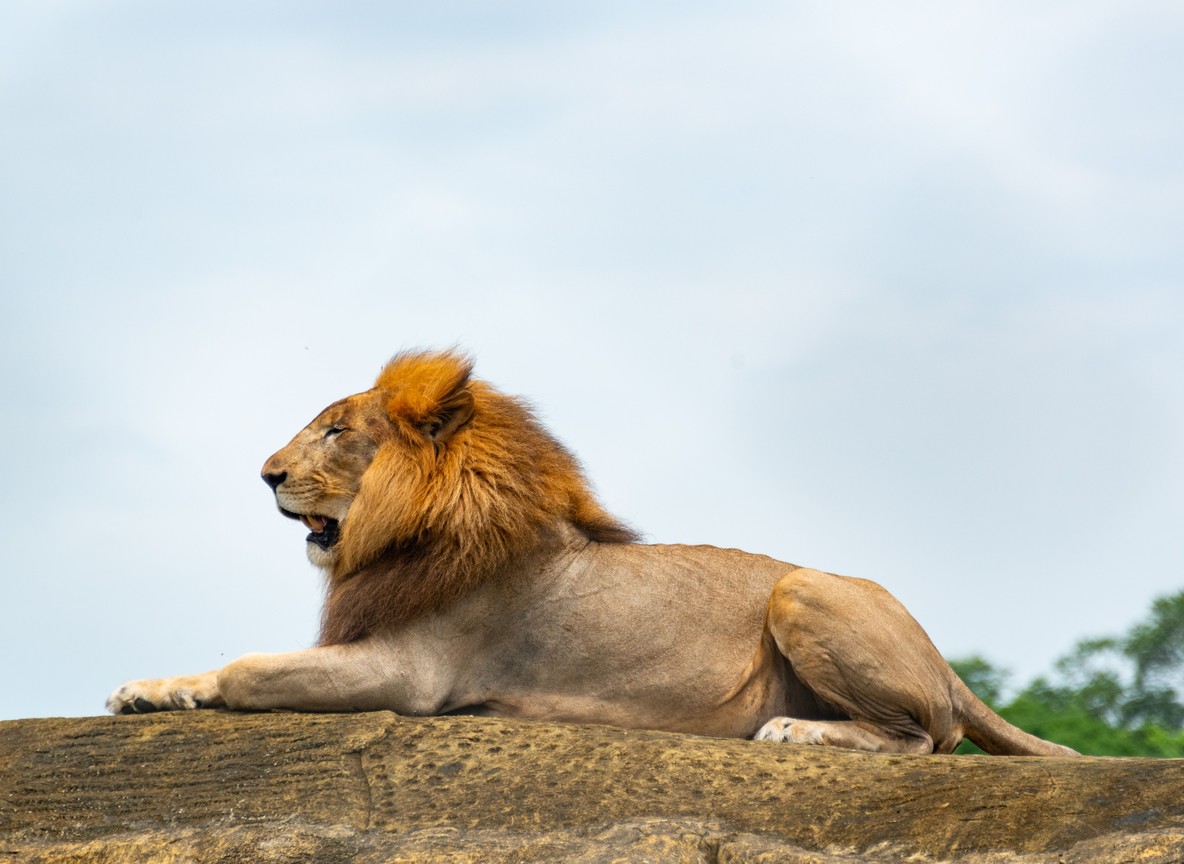
A lion with a torn flank and a buffalo horn puncture does not usually get a second chance in the wild. On July 23, 2026, one did. Rangers and vets from the Kenya Wildlife Service (KWS) Mara Veterinary Unit reached a wounded male lion near Olkeju Rongai in the Maasai Mara ecosystem. Guides know him as Half Tail. He carries fresh injuries from two separate fights. One is a puncture wound from a buffalo hunt. The other is territorial gashes from a rival coalition. Touring Insights walks through what the callout involved, who Half Tail is, and what this kind of field response looks like for a KWS mobile vet team.
Who Is Half Tail, the Injured Mara Lion
Half Tail is also known locally as Kidong’oe. He belongs to the Rongai Rockers, a small coalition of male lions. This coalition holds territory around the Olkeju Rongai drainage on the reserve’s eastern edge. Guides and researchers who track the Mara’s named prides identify him as a son of Olobor. Olobor is one of the ecosystem’s well-known older males from past coalitions. Coalition males like Half Tail typically hold territory in pairs or trios. That means fights are part of daily survival, not a rare event.
The injuries reported this time came from two sources. A buffalo, likely defending a calf or fighting off a hunt attempt, left a deep puncture wound. Separately, a clash with a rival male coalition added fresh bite and claw wounds. Those wounds are consistent with a territorial dispute. Either injury alone can sideline a lion for weeks. Together, they put Half Tail at real risk of infection. He was also at risk of a secondary attack while too weak to defend his ground.
How the KWS Mara Veterinary Unit Responded
The KWS Mara Veterinary Unit is a mobile field team. It serves the greater Maasai Mara ecosystem, covering the reserve and the surrounding conservancies. Reports of Half Tail’s condition reached the unit through ranger patrols and guide networks. That is a common first-alert channel in an area this large. Once the location near Olkeju Rongai was confirmed, the team moved out. Their vehicle carries equipment for field darting and wound treatment.
Field treatment for a wild lion follows a standard sequence. The vet team locates and sedates the animal from a safe distance. They work fast once it is down. A typical callout involves cleaning and treating the wound site. It also means administering antibiotics to prevent infection and checking for internal damage before the sedative wears off. The team monitors the lion until it is fully alert. Only then can it rejoin its coalition or move to cover on its own. Speed matters here. Every minute a wild predator is down, it stays exposed to hyenas, other lions, or further injury.
Why Buffalo Fights and Territorial Wounds Are So Common in the Mara
Cape buffalo are one of the few prey animals capable of seriously injuring or killing a healthy adult lion. A cornered or wounded buffalo fights with its horns rather than running. Misjudge the angle of an attack, and a lion can take a horn straight through muscle, or worse. Coalition lions in busy territories like the eastern Mara hunt buffalo more often than solitary lions. A group can bring down bigger prey, and their territory borders buffalo-heavy habitat near the Olkeju Rongai and Sand River drainages.
Territorial fights add a second layer of risk. Male lion coalitions defend a range against rival males looking to take over pride access. Half Tail’s coalition holds ground in one of the more contested stretches of the reserve’s eastern boundary. A weakened male recovering from one injury becomes a target for a rival testing that same territory. That overlap of two risks in one week is part of why the KWS response mattered.
What This Field Response Involved: Quick Facts
| Detail | Information |
|---|---|
| Date of incident | July 23, 2026 |
| Lion identity | Half Tail, known locally as Kidong’oe |
| Coalition | Rongai Rockers |
| Lineage | Son of Olobor |
| Location | Near Olkeju Rongai, eastern Maasai Mara ecosystem |
| Injuries | Buffalo-hunt puncture wound and fresh territorial-fight wounds |
| Responding team | KWS Mara Veterinary Unit |
| Reserve size | Maasai Mara National Reserve, approx. 1,510 km2 |
| Nearest access gate | Sekenani Gate, eastern reserve boundary |
| Nairobi to Mara distance | approx. 270-290 km by road, or 45-50 min by air to Mara airstrips |
Treat the injury description as reported by field sources at the time of the callout. Full recovery outcomes for wild lions are confirmed through follow-up monitoring, not the initial response alone.
What a Lion Vet Callout Looks Like on the Ground
A callout like this rarely follows a fixed schedule. It starts with a report, usually from a guide, ranger, or research team who spots an animal in distress during a game drive or patrol. The KWS unit then has to locate the same animal again. That can take hours if the lion has moved into thick cover. Darting a large predator safely requires a clear shot and a safe follow-up approach. Teams often bring a second vehicle to keep other wildlife at a distance while they work.
Once treatment starts, the unit works against a clock set by the sedative, not by convenience. Wound cleaning, antibiotic dosing, and a basic health check for internal injuries all happen inside that window. The team also tags or photographs identifying features. That is how researchers link a treated lion like Half Tail back to ongoing coalition and pride records across the ecosystem.
Follow-up matters as much as the initial callout. A vet team rarely treats a wild predator once and moves on. Rangers and researchers who know the eastern Mara territories check back on a treated lion over the following days and weeks. They watch for signs the wound is healing rather than infected. That follow-up is harder with a wide-ranging coalition male than with a pride female who stays closer to a den site. Half Tail and his coalition partners can cover many kilometers of drainage line in a single night. Guides who spend time in the area often become an informal extension of that monitoring network. They pass sighting reports back through the same radio channels that carried the original injury report to KWS.
Why This Kind of Response Matters for the Wider Pride
A coalition male is not just an individual animal. Half Tail and his Rongai Rockers partners hold breeding access to at least one pride in their territory. His survival affects cub survival too. If a territory-holding coalition loses a member to injury or a rival takeover, incoming males from a new coalition will often kill existing cubs. That brings females back into breeding condition faster. This single, brutal fact is why a vet response to one injured male can ripple through an entire pride’s reproductive cycle for the following year.
This is also why KWS treats buffalo and territorial injuries as priority callouts rather than routine monitoring. A coalition down to one functioning male defends its ground poorly against rivals testing the boundary. Getting Half Tail back to full strength protects more than his own life. It protects the stability of the pride structure around Olkeju Rongai for the season ahead.
Explorer Notes
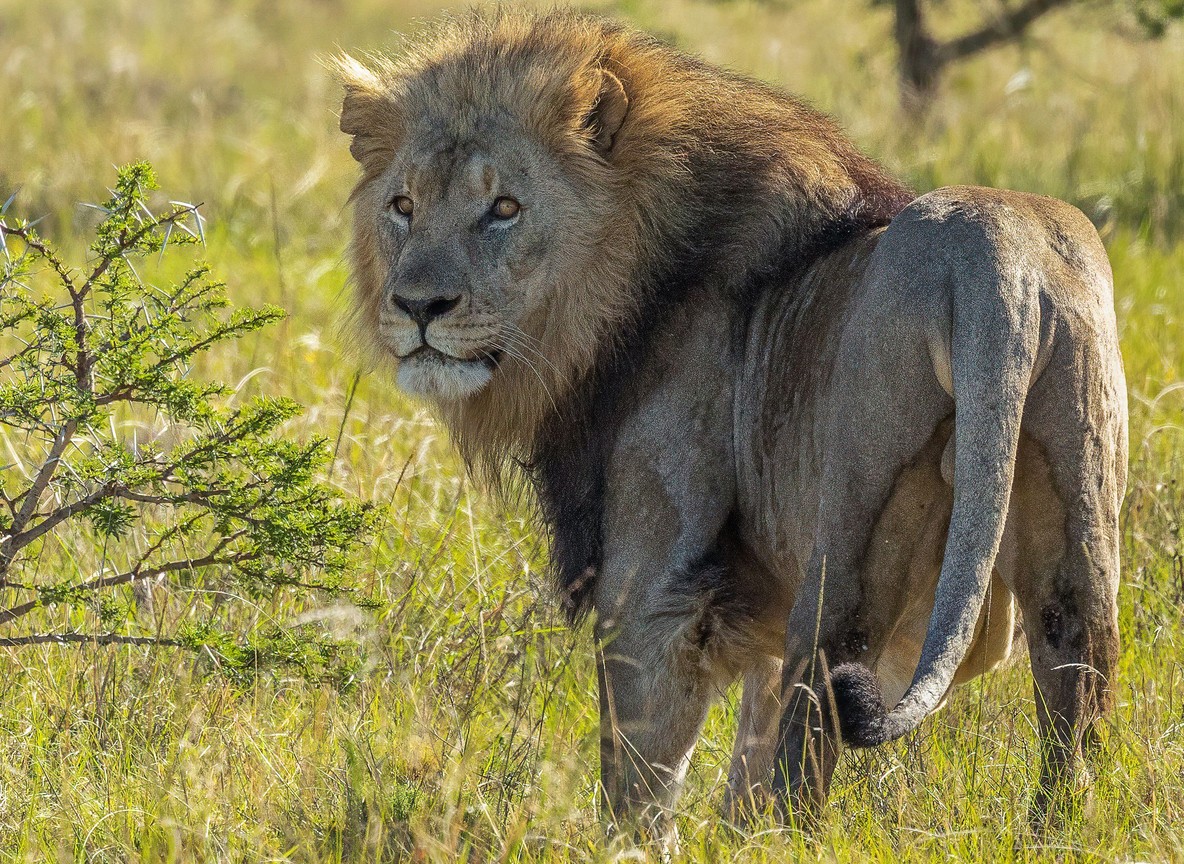
Guides working the Olkeju Rongai and Sand River area say coalition males like the Rongai Rockers favor drainage lines during the dry season. Buffalo and other prey concentrate near remaining water there. If you want a realistic chance of seeing this coalition, ask your guide to check recent sighting boards before heading out. Territory holders shift range in response to injury or rival pressure. A lion recovering from a wound like Half Tail’s often rests in heavy cover for days. Patience and a guide who knows the drainage lines matter more than driving fast between spots. Early morning game drives near territory boundaries also raise your odds of catching a coalition patrolling its edge. Confrontations with buffalo or rival males are most likely to have happened the night before.
What to Read Next
- Curious how conservation teams track and protect other Mara wildlife day to day? Read our KWS-Mara Elephant Project partnership guide.
- Planning a stay near the territories this coalition patrols? See our Porini Lion Camp, Olare Motorogi Conservancy guide.
- Want to compare how lions stack up against the Mara’s other big cats? Check our lions vs leopards vs cheetahs guide.
FAQ
Who is Half Tail, the lion treated by KWS vets in the Maasai Mara? Half Tail, also called Kidong’oe, is a male lion from the Rongai Rockers coalition. He is a son of Olobor. The KWS Mara Veterinary Unit treated him on July 23, 2026 for a buffalo-hunt puncture wound and territorial-fight injuries.
Why do lions get injured fighting buffalo? Cape buffalo can seriously wound or kill a lion with their horns when cornered or defending a calf. That makes buffalo hunts one of the more dangerous prey choices for a lion coalition.
How does the KWS Mara Veterinary Unit treat an injured wild lion? The mobile field team locates and sedates the lion, then cleans and treats the wound. They administer antibiotics and check for internal injuries. The team monitors the animal until it is alert enough to move on its own.
Where did the KWS lion rescue happen? The callout took place near Olkeju Rongai, in the eastern section of the Maasai Mara ecosystem, close to the Sekenani Gate area.
Can safari visitors see the Rongai Rockers coalition in the Mara? Sightings are not guaranteed since coalitions patrol wide territories. Guides working the eastern Mara near Olkeju Rongai and the Sand River track this coalition regularly and can check recent sighting reports.
Field callouts like this happen more often than most safari itineraries let on. If this kind of conservation work is part of what draws you to the Mara, visit our Tour Packages page to compare camps in the eastern conservancies. Or ask a partner operator which lodges sit closest to the Olkeju Rongai drainage.