Amboseli is one of Kenya’s most versatile safari destinations — it works well for couples, for families with children, for solo travellers, and for mixed groups. But “works well” does not mean “works the same way.” Couples and families need different things from a safari experience, and planning an Amboseli trip without understanding those differences typically produces a trip that is adequate rather than excellent.
This guide maps the practical differences between planning Amboseli for a couple versus for a family, covering accommodation, drive structure, trip length, transfer options, and what each type of traveller tends to get most from.
What Couples Usually Want from Amboseli
Couples — particularly those celebrating a honeymoon, anniversary, or milestone trip — tend to prioritise atmosphere alongside wildlife quality. The emotional texture of the trip matters: how the camp feels in the evening, whether game drives feel private or crowded, whether the pace allows for spontaneous moments rather than schedule-driven activity.
Amboseli is well-suited to couple travel for several reasons:
- The park’s compact size and open landscape make it visually cinematic in a way that immediately creates shared “this is extraordinary” moments
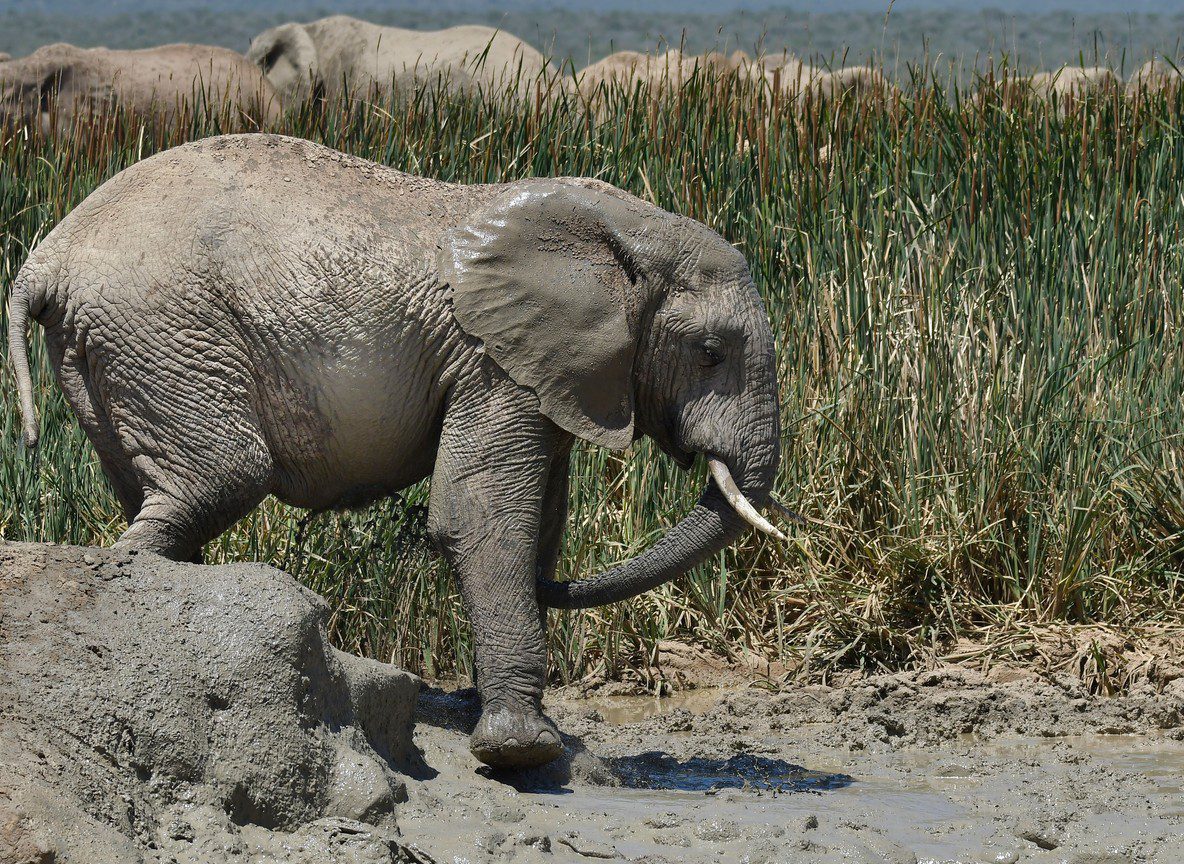
- The dawn light on Kilimanjaro, the afternoon elephants gathering at the swamp, the sounds of the ecosystem at night — these experiences register very strongly for two people experiencing them together
- A number of Amboseli camps and lodges operate conservancy or private-land stays adjacent to or outside the national park where guest numbers are lower and the experience feels more exclusive
For couples, the accommodation choice matters more than in a large group booking. A camp with a private deck, an unobstructed landscape view, and a calm, unhurried atmosphere delivers a substantially different experience from a large lodge-format property with pool bar, buffet meals, and multiple vehicles on every drive.
Fly-in access particularly suits couple travel. The 45-minute Wilson Airport to Amboseli flight arrives fresh and efficiently, leaves the partnership with more energy for the afternoon game drive on arrival day, and adds a premium dimension to the trip without requiring a complex itinerary.
What Families Usually Want from Amboseli
Families travelling with children have a different priority structure. The wildlife experience matters — and Amboseli is genuinely well-suited to introducing children to safari, particularly because elephants are so reliably visible and emotionally engaging for young people — but the logistics of the trip carry more weight than for couples.
Key family priorities in Amboseli:
- Room configuration. Most double-occupancy safari rooms do not accommodate children easily. Families need to confirm whether a property has dedicated family rooms, interconnecting rooms, or triple-occupancy options. Not all Amboseli properties cater for families in this way.
- Meal timing. Children typically eat on different schedules than adults. Camps and lodges that operate fixed communal dining at set hours can be challenging with young children who are hungry or tired at different times.
- Game drive duration and flexibility. A standard Amboseli morning drive runs three to four hours. For children under six or seven, that can be a long time in a vehicle. Choose operators and camps that allow shorter drives or flexible break points.
- Road or air. The four-to-five hour road journey from Nairobi can be taxing for young children, particularly if they are prone to motion sickness on corrugated roads. Families with young children should consider flying in, which reduces transfer time dramatically.
- Camp safety and child supervision. Some wilderness camps have minimal safety infrastructure relative to a large lodge. Families with very young children should check whether the property is genuinely suited to young guests.
Accommodation Choices: Couples vs Families
| Factor | Couples | Families |
|---|---|---|
| Ideal accommodation type | Intimate tented camp, conservancy property | Lodge with family rooms, pool, children’s facilities |
| Privacy importance | High | Moderate |
| Meal structure preference | Flexible, romantic | Predictable, child-friendly |
| Pool or communal area | Optional | Often useful |
| Drive flexibility | High | Higher need for short/flexible drives |
| Best area | Conservancy or scenic boundary camp | Inside-park lodge or practical boundary camp |
Trip Length
Both couples and families typically do best with two nights in Amboseli as a minimum. Two nights gives four game drives across three days — two morning drives and two afternoon drives — enough to encounter elephants in different conditions, make a Kilimanjaro dawn attempt, and experience the park’s transition from morning to afternoon character.
Three nights is worth considering for:
- Families where children need more pace management and more camp rest time
- Couples who want a more immersive, less rushed experience and are using Amboseli as a primary destination rather than one segment of a longer itinerary
One night — while technically possible — is a compromise for both groups. Couples in particular often find that a one-night stay does not have time to develop the atmosphere that makes a romantic safari stay memorable.
Game Drive Structure
For couples: A private vehicle for game drives is strongly recommended. A couple in a vehicle with a dedicated guide and driver-naturalist can control pace, stop for as long as they want with any sighting, and manage the drive around their own energy and photographic interests. Shared game drives can work cost-effectively but lose the intimacy and flexibility that make couple safari drives so rewarding.
For families: Private vehicles are also the better option for families, for different reasons. The flexibility to stop, take breaks, manage children’s attention spans, and adapt the drive to the family’s energy level in real time is much harder to achieve in a shared vehicle. Some lodges include shared drives in their packages — for families with older children who are genuinely safari-engaged, this can work. For families with younger or less patient children, the extra cost of a private vehicle is usually well justified.
What Works Best in Both Cases
Amboseli rewards early morning drives regardless of traveller type. The dawn window — departing at first light, roughly 6am — is when Kilimanjaro is clearest, predators are most active, and the light is best for photography. Both couples and families benefit from structuring their Amboseli stay around this morning drive rather than treating it as optional.
A two-night minimum, two morning drives, and two afternoon drives is the structure that consistently produces the most complete Amboseli experience for both couples and families — and the most positive memories when travellers look back on the trip.
For more on structuring an Amboseli visit, see the Amboseli with kids guide and the Amboseli honeymoon guide on Touring Insights.
If this guide has you ready to travel, a safari specialist can handle the route, camps, and logistics end to end.
Want to Book a Tour With Us?Further reading
- Magical Kenya (Kenya Tourism Board)
- WWF wildlife conservation
- Maasai Mara Wildlife Conservancies Association