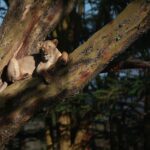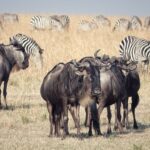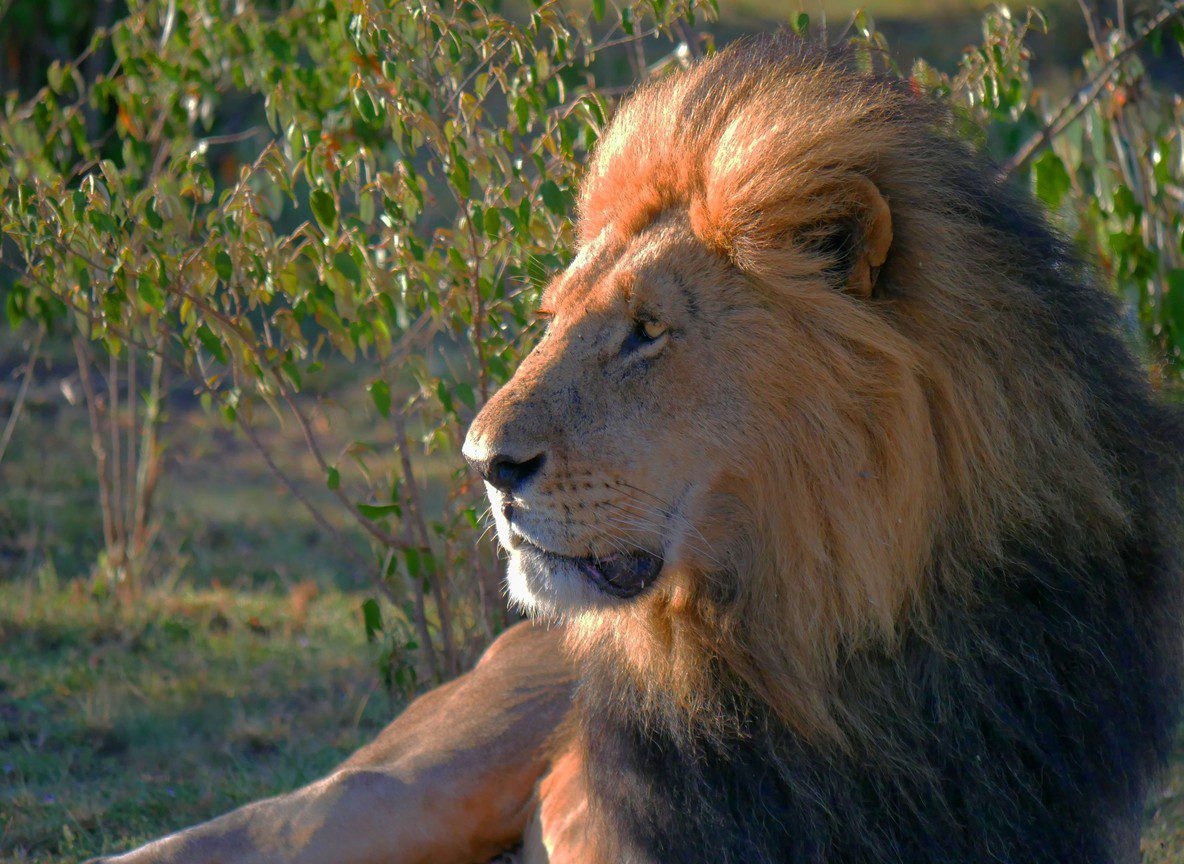
A Kenya safari does not have to be expensive to be real. The wildlife at a $200-per-night camp is the same as the wildlife at a $1,500-per-night camp. Lions hunt on the same plains. Elephants use the same river crossings. Cheetahs scan the same horizon. What shifts with price is comfort, privacy, vehicle exclusivity, and the extras that surround the game drives rather than the drives themselves.
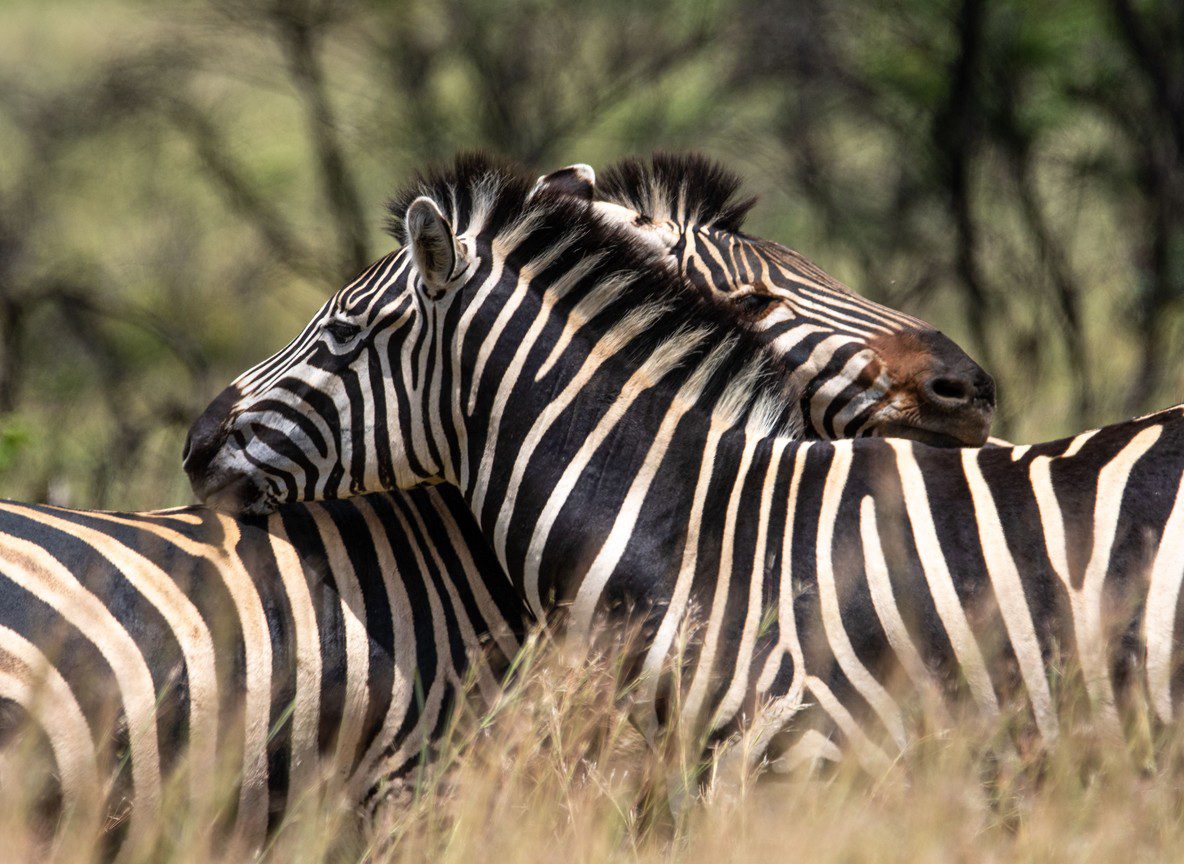
This guide gives you the actual numbers, the parks with the best value-to-wildlife ratio, the timing that cuts costs significantly, and the decisions that most affect what you spend.
What an Affordable Kenya Safari Actually Costs
Kenya safari pricing breaks down into accommodation, park fees, game drives, and transfers. Understanding each element separately prevents the bundled-package confusion that leads most travellers to overestimate or underestimate what they will spend.
| Tier | Daily Rate per Person | What Is Included |
|---|---|---|
| Budget | USD 150 to 300 | Shared 4WD vehicle, basic tented camp or banda, park fees, meals |
| Mid-range | USD 300 to 600 | Small group or private vehicle, comfortable lodge, qualified guide |
| Luxury | USD 600 to 2,000+ | Private vehicle, exclusive conservancy, high-end tented camp |
At the budget end, USD 150 to 300 per day all-inclusive puts you in a proper 4WD Land Cruiser with a trained guide, three meals, and a tented camp within a functioning park or reserve. That is the real experience — not a simulation of it.
What drives cost up fast:
- Solo travel (the vehicle cost is fixed regardless of how many guests are in it)
- Peak season, particularly July to October, when rates increase 30 to 40 percent
- Parks with high entry fees, particularly the Masai Mara, where non-resident fees for 2026 are USD 200 per person per day for the national reserve alone
The Best Parks for Budget Safari in Kenya
Not all parks cost the same to enter. Park entry fees are one of the largest levers on total safari cost, and most budget travellers focus on camp rates while overlooking the fee structure entirely.
Tsavo East and Tsavo West charge USD 52 per adult non-resident per day versus USD 80 to 200 at the Masai Mara. Tsavo East covers 13,747 square kilometres — one of the largest national parks in the world — with red-dusted elephants, large lion prides, the Aruba Dam waterhole, and the Galana River system. Wildlife density per square kilometre is lower than the Mara, but vehicle density is also dramatically lower. For a budget safari that still delivers authentic, crowd-free wildlife experience, Tsavo is the most compelling option.
Samburu National Reserve has lower entry fees than the Masai Mara and offers the Samburu Special Five — Grevy’s zebra, reticulated giraffe, gerenuk, Somali ostrich, and beisa oryx — species unavailable in any southern Kenya park. The riverbank camps along the Ewaso Nyiro are excellent value. Samburu attracts serious wildlife enthusiasts and photographers but is well below the Mara in terms of visitor numbers and accommodation costs.
Lake Nakuru National Park is compact enough to cover in two days, has moderate entry fees, and combines accessible flamingo viewing with rhino, leopard, and lion. It pairs well with Lake Naivasha for a cost-efficient central Rift Valley circuit accessible from Nairobi.
Ol Pejeta Conservancy is not free — conservancy fees apply — but the wildlife density and quality, particularly for rhino (the highest density in Kenya), justifies the cost relative to what you see. It sits naturally on a central Kenya circuit with Aberdare.
How to Make a Masai Mara Safari Affordable
The Masai Mara is Kenya’s most famous wildlife destination and its most expensive. For travellers who specifically want the Mara, these approaches reduce the total cost:
Travel in the green season. April through June is the Mara’s low season. Camp rates drop 30 to 40 percent. Wildlife is excellent — predators are active, prey animals are dispersed but healthy, and birding peaks in the lush vegetation. The main trade-off is afternoon rain, which in most years falls in short bursts rather than sustained downpours. Game drives typically run unaffected.
Choose road transfer over flights. Charter flights from Wilson Airport to Mara airstrips cost USD 200 to 400 per person each way. Road transfers run USD 60 to 100 per person on shared transport. On a five-day trip for two people, the flight choice adds USD 1,600 to 3,200 to the total. If five to six hours on a well-maintained road is acceptable, this is a significant saving.
Stay in the conservancies. Private conservancy camps surrounding the Masai Mara National Reserve charge lower conservancy fees than the reserve’s national park rate and often provide more exclusive access. Some offer comparable wildlife sightings to the reserve itself with significantly fewer vehicles and lower accommodation costs per night.
Share a vehicle. A private Land Cruiser for two people costs roughly the same as a private Land Cruiser for six. Joining a small-group shared safari splits the vehicle cost four to seven ways. For solo and couple travellers, group departure safaris cut the daily rate by 30 to 50 percent without reducing the wildlife quality.
Green Season: The Budget Traveller’s Best Tool
The single most effective cost-reduction strategy for a Kenya safari is choosing the shoulder or green season rather than peak.
Peak season (July to October): Great Migration at the Masai Mara, highest wildlife density, highest prices, maximum vehicle numbers at popular sightings.
Green season (April through June): Lush vegetation, active predators, excellent birding, 30 to 40 percent lower accommodation rates, and significantly fewer visitors at all parks. The rain, where it falls, is usually brief.
Short dry season (January to March): Strong wildlife across all parks, calving season in the Mara and Serengeti, very good conditions. Rates are higher than green season but well below peak.
Booking green season requires being comfortable with the possibility of afternoon rain on some days. For travellers with flexibility on dates, the green season is the most rational planning choice: better value, fewer crowds, and wildlife that is fully operational.
What Budget Travellers Often Underestimate
Vehicle type matters more than camp rating. Sharing a Toyota van with seven other travellers, where only window-seat passengers have unobstructed views, is fundamentally different from being in a pop-top Land Cruiser. Many budget packages use vans to keep costs down. Ask specifically whether your game drive vehicle is a Land Cruiser or Land Rover with a pop-top roof, or a closed van.
Guide quality is not a function of camp price. Budget camps with excellent guides outperform luxury camps with poor ones consistently. When evaluating a budget package, ask about the guide’s training and experience, not just the tent rating.
Camps outside park boundaries. Many budget packages save on park-fee costs by placing guests in camps outside the national park. Every game drive then requires paying the park entry fee at the gate. Across a four-night stay, these per-day fees can add USD 300 to 800 per person to the total cost — often making the “cheaper” outside-park camp more expensive overall than an inside-park option.
Frequently Asked Questions
What is the cheapest Kenya safari I can book? KWS public campsites inside national parks run from USD 30 per person per night for camping. Add shared game drive costs, park fees, and food and the total per person per day runs USD 80 to 120. This is the genuine floor for a safari in Kenya‘s parks.
Is a shared group safari a real safari? Yes. Wildlife does not respond to group size. A shared vehicle with six guests in a pop-top Land Cruiser with a qualified guide provides the same sightings as a private vehicle. The difference is scheduling flexibility and the ability to stay at a sighting as long as you want rather than when the group is ready to move.
When is the cheapest time to visit Kenya? April and May (long rains) produce the lowest rates. November (short rains) also offers significant discounts. June is the start of the dry season and a good shoulder option before peak-season pricing begins in July.
Planning Your Affordable Kenya Safari
For the specific park comparisons that help you decide where your budget goes furthest, the Tourinsights Tsavo vs Amboseli guide compares Kenya’s two main southern parks on cost, wildlife, and terrain. For a northern Kenya alternative to the Mara, the Tourinsights Samburu guide covers the Special Five ecosystem and what camp rates look like at different tiers.
Have questions about this itinerary or destination? Get answers from a safari specialist before you commit.
Inquire More