Planning a Kenya safari from Poland raises questions that generic English guides rarely answer. Flights from Warsaw, the visa process for Polish citizens, and costs in zloty, not just dollars, all need local context. This is TouringInsights Kenya safari planning for Polish speakers, written to fill that gap with practical advice on routing, budgets, seasons, and health prep. No fluff, no invented superlatives, just the facts that help you decide if a Kenyan safari is right for you.
What Is TouringInsights Kenya Safari Planning for Polish Speakers?
This guide answers the questions Polish travelers ask before booking: visas, flights from Warsaw, costs in zloty, time zones, health prep, and the best season to travel. It draws on verified, current information rather than recycled generic advice.
Do Polish Citizens Need a Visa for Kenya, and How Does the eTA Work?
Yes. Polish citizens need a visa, but you do not need to visit an embassy. Since January 2024, Kenya has used an Electronic Travel Authorization, known as the eTA, which replaced the older eVisa system. You apply online through Kenya’s official eTA website. Fill in a form, upload a passport photo and your data page, then pay by card. The fee is approximately USD 30. Convert that to PLN at the current exchange rate before you apply, since rates change.
Processing usually takes a few days, but apply at least two weeks ahead. Print the approval you receive by email. Keep it with your passport, since you may need to show it in Nairobi or at check in in Europe.
One detail matters: the eTA is linked to your passport number, so renewing your passport afterward makes the eTA invalid. Keep your passport valid for at least six months beyond your arrival date.
Are There Direct Flights from Warsaw to Nairobi?
No, there are no direct flights from Warsaw to Nairobi, so you will need at least one connection. The most common options run through the Gulf hubs. Emirates flies Warsaw to Dubai then on to Nairobi. Qatar Airways offers a similar route via Doha. Turkish Airlines connects through Istanbul. These routes usually take 9 to 12 hours of flying time, plus a layover of 2 to 5 hours.
When comparing prices, include baggage fees and seat selection. A round trip economy ticket from Warsaw to Nairobi typically runs 3,000 to 5,500 PLN per person. This is an indicative range. It shifts with season and how far ahead you book.
What Is the Time Difference Between Poland and Kenya?
Kenya stays on East Africa Time all year, UTC plus 3 hours. Poland shifts between UTC plus 1 in winter (CET) and UTC plus 2 in summer (CEST). So Kenya is 2 hours ahead of Poland in winter and 1 hour ahead in summer. When it is 12:00 in Warsaw, it is 14:00 in Nairobi in winter, or 13:00 in summer.
Because the difference is small, jet lag is usually mild. Most safaris start early, around 6:00 for morning game drives. If you arrive in the afternoon, stay awake until an early dinner. This helps you sleep through the night and be ready for the next morning.
When Is the Best Time to Go on Safari from Poland?
Kenya has two dry seasons and two wet seasons. Wildlife viewing is usually best in the dry seasons, when animals gather around water and the grass is shorter.
The main dry season runs late June to October, lining up with Polish summer holidays. Prices peak and camps fill fast, so book at least 6 months ahead for July or August travel.
The short dry season, January to February, is a good alternative. Expect warm weather, easy wildlife viewing, and thinner crowds. It suits families with young children or anyone traveling outside the summer rush.
The wet seasons run March to May and November to December. The long rains make roads muddy and close many camps. The short rains in November cause less disruption and lower prices.
For the wildebeest migration crossing the Mara River, plan for July to September, the busiest and most expensive window. Our guide to the best time to visit the Masai Mara covers monthly detail.
How Many Days Should a First Kenya Safari Be?
A first safari from Europe should run at least 7 days on the ground. That gives you 5 full safari days plus a travel day at each end. A common itinerary looks like this: fly into Nairobi on day 1 and overnight there. Travel to the Masai Mara on day 2 for an afternoon game drive. Spend days 3 and 4 with full morning and afternoon drives in the Mara. Move to a second park, such as Amboseli, on day 5, and spend day 6 there. Return to Nairobi and fly home on day 7.
With 10 to 12 days, add Samburu, Tsavo, or a few days at the coast in Diani. Our guide to the Masai Mara has sample itineraries for pacing.
Kenyan roads can be rough. Nairobi to the Mara takes 5 to 6 hours by road, or 45 minutes by domestic flight at a higher cost.
How Much Does a Kenya Safari Cost in PLN?
Safari costs are usually quoted in US dollars and vary by season, camp level, and whether you book a group or private safari. Here is a ballpark per person per night, including meals, game drives, and park fees:
| Safari Style | Cost per Person per Night (USD) | Cost in PLN (indicative range) |
|---|---|---|
| Budget camping or guesthouse | 150 to 250 | 600 to 1,000 |
| Mid range lodge or tented camp | 300 to 500 | 1,200 to 2,000 |
| Luxury lodge or exclusive camp | 700 to 1,200 | 2,800 to 4,800 |
| High end exclusive use conservancy | 1,500 to 3,000 | 6,000 to 12,000 |
These ranges are indicative. An 8 day, 7 night trip for two in mid range lodges typically costs 8,000 to 14,000 PLN per person all in. This covers internal flights, park fees, meals, and game drives, but excludes international flights.
Park fees are separate, usually paid at the gate or included by your operator. The Narok County Government sets non resident fees for the Masai Mara National Reserve at USD 100 per adult per day from January to June. Fees rise to USD 200 from July to December during peak migration season. Conservancies like Mara North and Naboisho charge more, often 100 to 150 USD per day, since they limit visitor numbers. See the full breakdown of Kenya safari costs.
Is It Cheaper to Book Through a Polish Agency or Directly with a Kenyan Operator?
There is no single rule. Polish agencies offer local language support and EU consumer protections, often packaging flights with the safari. Kenyan operators often charge less since there is no European middleman. You need to do more homework though: check reviews on SafariBookings or TripAdvisor, and confirm exactly what is included.
At TouringInsights, we help you compare both routes. Get quotes from a Polish agency and one or two Kenyan operators. Compare inclusions, not just headline price, since a cheaper quote may exclude park fees or internal flights.
For a first safari, the safety net of a Polish agency may be worth the premium. Repeat travelers can often stretch their budget further going direct with a trusted Kenyan operator.
Is English Enough, or Do You Need a Polish Speaking Guide?
English is widely spoken in Kenya, an official language alongside Swahili. Guides and lodge staff speak at least working English, so basic communication is not a problem. A safari involves nuanced information, though, and a guide who explains animal behavior, bird calls, and Maasai culture in your own language adds real value. Polish speaking guides exist but are uncommon, mostly through Polish specialized tour operators.
Your guide will likely speak English with most international or Kenyan operators, which works well for most travelers. For elderly family members or those less confident in English, ask your operator about arranging a Polish speaking guide and expect a premium.
What Vaccinations and Health Documents Do Polish Travelers Need for Kenya?
Kenya requires a yellow fever certificate only if you arrive from a country where yellow fever is present. Poland is not on that list. If you connect through a country with yellow fever risk though, you may be asked for the certificate in Nairobi. Check before you fly.
Routine vaccinations should be current. Travel clinics commonly recommend hepatitis A and B, typhoid, tetanus diphtheria, and rabies. This is especially true if you plan time in rural areas or with animals. Anti malaria medication is strongly recommended, since Kenya has malaria risk in most lowland areas, including the Masai Mara and the coast. Talk to a tropical medicine doctor 4 to 6 weeks before departure.
Bring a basic first aid kit with oral rehydration salts and antiseptic wipes. Stick to bottled or filtered water, since tap water is not safe to drink in most of Kenya. There is no COVID test requirement as of mid 2026, but check official sources close to departure since this can change.
What Should Polish Travelers Pack for Kenya’s Climate?
Kenya’s climate is equatorial and warm year round at lower altitudes, though early mornings on safari can be cool, especially in July and August. A practical packing list:
- Light, breathable clothing in khaki, beige, or olive. Avoid bright blue or black, which attract tsetse flies.
- A fleece jacket for morning drives, since highland temperatures can drop below 15 C.
- Comfortable, closed walking shoes, a wide brim hat, sunglasses, and high SPF sunscreen.
- Insect repellent with at least 30 percent DEET, and small binoculars, 8×42 magnification.
- A power bank and headlamp, since many camps use shared solar charging and are off grid at night.
Skip heavy winter clothes. Daytime temperatures run 22 to 30 C, and the coast at Diani is hotter and more humid. The full Kenya safari packing list has a downloadable version.
Should You Combine a Safari with the Coast?
Yes. For many first timers, a safari plus a few beach days is a great way to end the trip. It helps you unwind after early mornings on game drives.
Fly from the Mara or Amboseli to Mombasa, a flight of about 1.5 hours, then transfer by road to Diani. Or drive from Nairobi in 9 to 10 hours. The best coastal months match the safari calendar: January to February and June to October. The long rains in April and May make the beach less pleasant. See our Diani beach guide for hotels and activities.
What Are the Best Safari Regions for First Timers?
The Masai Mara anchors most first safaris, with the best chance of seeing lions, leopards, cheetahs, and the rest of the Big Five. The wildebeest migration from July to September is a highlight.
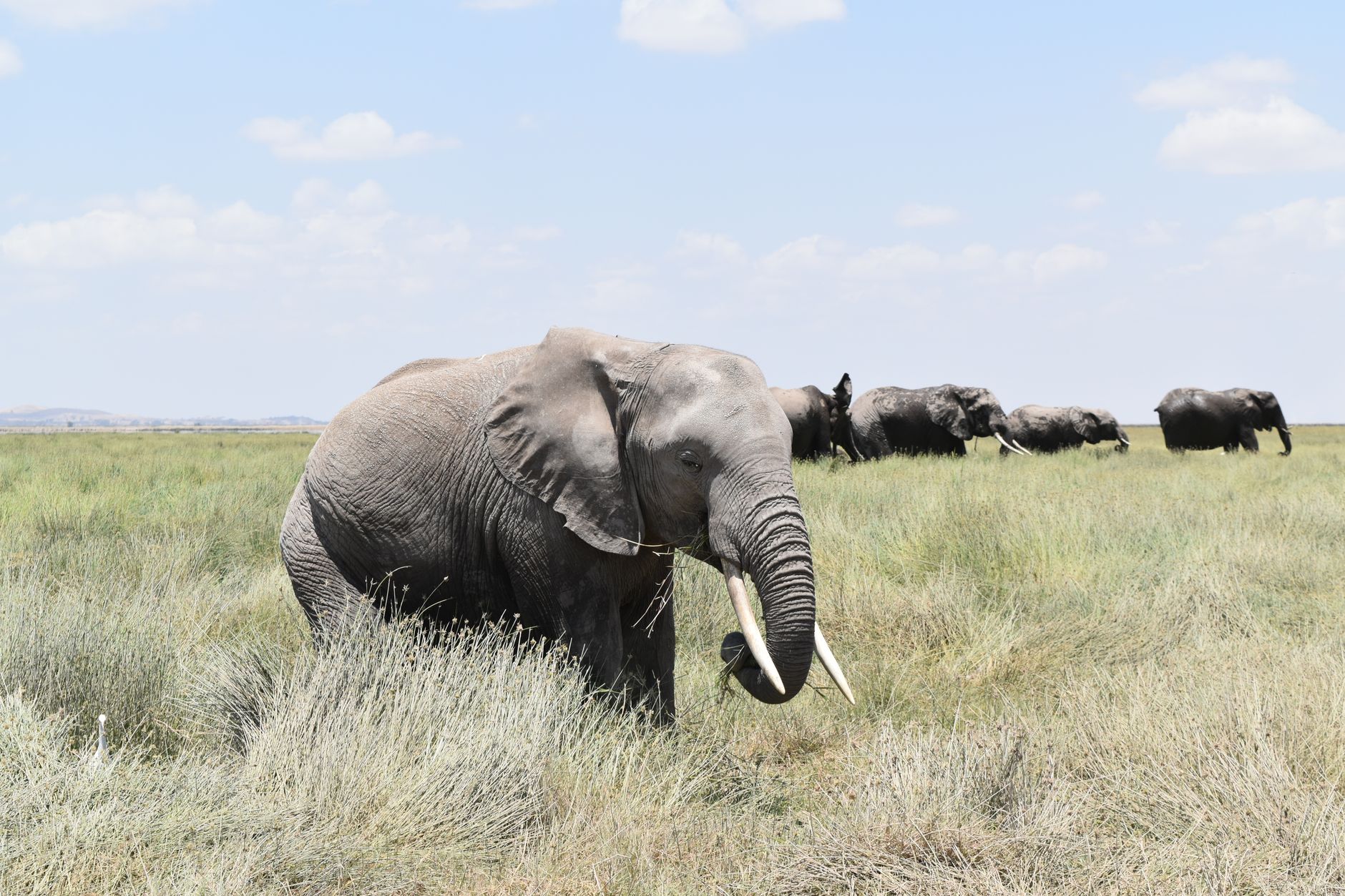
Amboseli is excellent for elephants and views of Mount Kilimanjaro. Lake Nakuru is smaller and known for rhinos and flamingos. Samburu is drier and home to species like the Grevy’s zebra.
For a quieter experience, stay in a conservancy next to the main reserve. Mara North, Naboisho, and Olare Motorogi have lower vehicle densities. They often allow night drives, at a higher price. Compare Masai Mara and Amboseli, or read our guides to Samburu, Lake Nakuru, and Tsavo for options beyond the classic route.
How Should You Compare Safari Operators for Your Poland to Kenya Trip?
To browse packages and get quotes, compare safari operators such as FindMySafari, Valley Safaris, or Trunktrails Safaris. They can match you with ground operators in Kenya and handle much of the logistics.
Compare at least three options before deciding, and confirm that your chosen operator is licensed by the Kenya Tourism Board.
Where Can You Find More Safari Planning Resources?
- Diani Beach guide from Trunktrails Safaris
- Kenya tour packages from Valley Safaris
- Diani Beach guide on FindMySafari
- Compare Kenya safari packages on FindMySafari
More safari planning resources
- Diani Beach guide from Trunktrails Safaris
- Best time to visit Kenya month-by-month map from Valley Safaris
- Diani Beach guide on FindMySafari
- Compare Kenya safari packages on FindMySafari
Related guides: TouringInsights Kenya Safari Planning for Odia Speakers.