Planning a safari from Odisha or anywhere in India feels like a big step. You have questions about flights, visas, costs, and what to pack. This guide gives you honest answers. TouringInsights Kenya safari planning for Odia speakers starts here, with practical facts for a first time visitor.
Kenya is one of the best places in Africa for wildlife. You can see lions, elephants, and rhinos in a single trip. The country is safe for tourists when you follow standard travel rules. And for Indian travelers, Kenya is easier to reach than you might think.
What Does TouringInsights Kenya Safari Planning for Odia Speakers Cover?
This guide walks through the practical side of a Kenya trip. You will find flight routes from India, the eTA process, safari costs in USD and INR, park choices, food options, packing tips, and safety notes. Each section answers a question that a first time traveler from Odisha is likely to ask.
Why Kenya for Odia Speaking Travelers?
Kenya offers a mix of adventure and comfort. You can sleep under canvas in the wild or enjoy a full service lodge with a pool. The parks are well managed, and guides are highly trained. For first time safari planners, Kenya gives you a strong chance to see the Big Five.
Indian travelers feel at home here. Many lodges serve vegetarian meals daily. Some have Indian chefs or a la carte menus with dal and rice. In Nairobi, you will find restaurants serving idli, dosa, and biryani easily. You are never far from familiar food.
Also, Kenya uses the Kenyan shilling, but US dollars are widely accepted at camps and lodges. Major credit cards work at hotels and park gates. You do not need to carry large amounts of cash.
What Is the Best Time of Year to Visit Kenya?
Kenya has two dry seasons and two wet seasons. The dry months from June to October are the best for wildlife viewing. Animals gather around water sources, which makes them easier to spot.
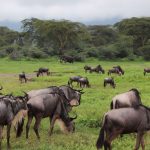
The Great Migration crosses the Masai Mara between July and October. This is a dramatic time to visit. River crossings are not guaranteed, but the sheer number of wildebeest is impressive.
The short rains come in November and December. The long rains fall from March to May. During wet months, parks are lush and green. Bird watching is excellent, and prices are lower. However, some roads become muddy, and a few camps close.
For a first trip, target the dry season. If you want lower prices and fewer crowds, consider late January to February. This window is dry and warm. For a deeper look at month by month conditions, read our best time to visit Kenya guide.
How Do I Get to Kenya from India?
There are no direct flights from Bhubaneswar to Nairobi. You will connect through a major hub like Mumbai, Delhi, or Hyderabad. Kenya Airways operates a direct flight from Mumbai to Nairobi, typically taking around 5.5 to 6 hours. From Delhi or Hyderabad, you will usually connect through Mumbai or another hub.
You can also fly via Dubai, Doha, or Abu Dhabi. Emirates, Qatar Airways, and Etihad offer one stop options with an easy connection.
Your total travel time from Odisha is usually 12 to 15 hours, depending on the layover. Book your flights early, especially for June to October. Prices rise as the season approaches.
Once you land at Jomo Kenyatta International Airport in Nairobi, you can take a domestic flight to the parks or hire a driver. Most safari packages include airport transfers and internal flights.
Do Indian Citizens Need a Visa or eTA for Kenya?
Yes. Indian passport holders need a travel document before arriving. Kenya now uses an electronic Travel Authorization, or eTA.
Apply online at the official Kenya eTA website. The process takes a few minutes. You will need your passport, a photo, and proof of accommodation. You must also show a return ticket.
The eTA costs around 34 USD for most nationalities, but verify the current fee on the official site. Processing takes up to three working days. Apply at least two weeks before your flight to be safe.
Your passport must be valid for at least six months from your date of entry. Carry a printed copy of your eTA and your hotel bookings. Immigration officers may ask to see them.
Which Parks and Conservancies Should I Prioritize?
Kenya has many parks. For a first safari, focus on four main areas.
The Masai Mara is the crown jewel. It offers open grasslands and large lion prides. It is one of the best places to see cheetahs and leopards. The Mara also has private conservancies like Mara North and Naboisho, where you can go off road and walk with guides. See our full Masai Mara guide for details.
Amboseli National Park is known for large elephant herds and views of Mount Kilimanjaro. The park is dry and dusty, but the wildlife is stunning. It is a good choice if you want to see elephants up close. Compare the two in our Masai Mara vs Amboseli article.
Samburu National Reserve sits in the north. It has a rugged landscape and unique species like the Grevy’s zebra and reticulated giraffe. It is quieter than the Mara and offers a different feel. Read our Samburu safari guide for more.
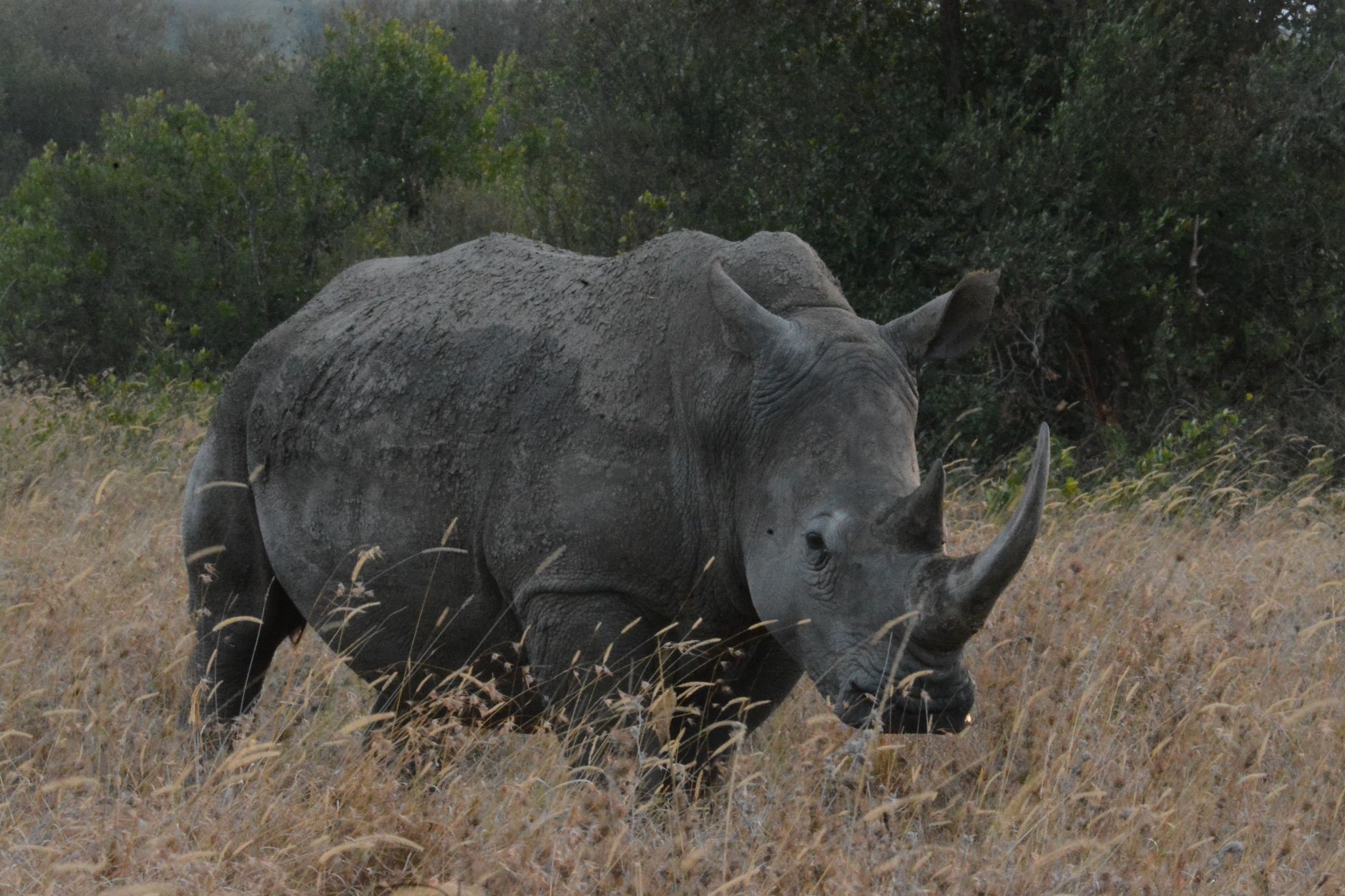
Ol Pejeta Conservancy is a rhino sanctuary in central Kenya. You can see both black and white rhinos here. It is also home to the Sweetwaters Chimpanzee Sanctuary, a rescue and rehabilitation center rather than a wild population. Our Ol Pejeta conservancy guide covers everything.
How Much Does a Kenya Safari Cost per Person?
Costs vary by season, camp quality, and trip length. A budget safari using basic tents and public campsites might cost 150 to 250 USD per person per day. This includes park fees, a shared 4×4 vehicle, meals, and a guide.
Mid range safaris cost 300 to 500 USD per day. You stay in comfortable tented camps or lodges with en suite bathrooms and good food.
Luxury safaris cost 600 to 1200 USD per day or more. You get private vehicles, gourmet meals, and spacious suites. Some high end camps charge over 2000 USD per night.
In Indian rupees, a 7 day mid range safari works out to roughly 1.5 to 2.5 lakh per person, not including flights. Return flights from India to Nairobi often fall in the range of 25,000 to 40,000 INR, but this is a highly variable, sale dependent estimate. Fares can run well above this in peak season, so check multiple booking sites before you commit.
Park fees are separate and usually included in your package, but they vary by park and by season. Here is a snapshot of current entry fees for two of the most visited parks:
| Park | Entry fee, per adult per day (non-resident) | Season |
|---|---|---|
| Masai Mara (Narok County) | USD 100 | January to June |
| Masai Mara (Narok County) | USD 200 | July to December, peak season |
| Amboseli (KWS) | USD 90 | Year round |
Fees change, so always confirm the current rate with your operator before you book. Use our Kenya safari cost page for a fuller breakdown.
What Is the Difference Between a National Park and a Private Conservancy?
National parks are public land managed by the government. You must stay on designated roads. You cannot go off road for a better view, and walking safaris are not allowed.
Private conservancies are community owned or privately leased areas next to parks. They have fewer vehicles and more flexible rules. You can go off road to follow a leopard. You can take guided walking safaris and night drives. In the Mara, conservancies like Naboisho and Olare Motorogi offer a wilder experience with more privacy.
For a first safari, combining a national park with a conservancy gives you the best of both. See the park for classic views, then relax in the conservancy for a more intimate encounter.
Where Should I Stay and What Food Is Available?
Lodges and camps range from permanent stone buildings to luxury canvas tents. All offer full board, which includes breakfast, lunch, and dinner.
Vegetarian food is common in Kenyan safari camps. Most kitchens prepare fresh vegetables, grains, and eggs. Some camps offer Indian style dishes like paneer, dal, and chapati upon request. Tell your operator in advance about your dietary needs.
In Nairobi, you can find North Indian restaurants near the city center. Some hotels have Indian breakfast buffets. Outside Nairobi, your camp is your food source, so trust the kitchen staff.
Tipping is standard practice. A guide tip of 10 to 15 USD per guest per day is customary. Camp staff appreciate a share of the same amount.
What Should I Pack for a Kenya Safari?
Pack light. You need neutral colored clothing, khaki, beige, and olive. Avoid bright colors and camouflage, which is illegal for civilians.
Include a lightweight jacket for early morning game drives. The mornings can be cold, especially in July and August. Bring a wide brim hat, sunglasses, sunscreen, and insect repellent.
For footwear, a pair of sturdy walking shoes and sandals are enough. Do not bring new boots that need breaking in.
Binoculars are essential. An 8×40 or 10×42 model works well. Your guide will have a spotting scope, but your own pair helps.
Carry a power bank for your phone and camera. Camps often have charging points, but a backup helps. Also bring a small flashlight for night walks.
For a full checklist, see our Kenya safari packing list.
What Health Precautions Do I Need?
You do not need a yellow fever vaccination unless you are coming from a country with yellow fever risk. India is not a high risk country, but Kenya may ask for proof if you transit through certain African nations. Check with your doctor.
Malaria is present in Kenya, including the safari areas. Take anti malaria tablets as prescribed. Start them before your trip and continue after you return.
Drink only bottled or filtered water. Brush your teeth with bottled water. Eat fully cooked hot food. Avoid salads and raw vegetables at roadside stops.
Carry a basic first aid kit with bandages, antiseptic, and pain relievers. Also bring anti diarrhea tablets and rehydration salts.
Is Kenya Safe for Indian Tourists?
Yes, Kenya is safe for tourists who follow standard precautions. The safari circuits are well developed and secure. You will travel with a guide, and camps have staff who look after your safety.
In Nairobi, avoid walking alone at night. Use hotel taxis or ride hailing apps. Keep your passport and cash in the hotel safe. Do not display expensive jewelry.
The areas near the coast and parks are generally calm. Kenya has a visible tourist police presence in major safari towns. As long as you stay with your operator’s plan, you are safe.
How Many Days Do I Need for a Good Kenya Safari?
A minimum of 5 days is enough to see one park well. For example, 3 nights in the Masai Mara and 1 night in Nairobi gives you 4 full game drive days.
A week is better. Seven days lets you combine the Mara with Amboseli or Lake Nakuru. You get two different landscapes and more wildlife variety.
Ten days allows a more relaxed pace. You can add Samburu in the north or a beach extension in Diani. Read our Diani beach guide if you want to combine safari with ocean time.
What Mistakes Should First Time Kenya Safari Travelers Avoid?
Do not pack too many clothes. You will live in safari shirts and shorts.
Do not expect to see every animal on day one. Wildlife is not on a schedule. Let your guide set the pace.
Do not skip the conservancies. Many of the best sightings happen there.
Do not book the cheapest option without reading details. Check what is included: park fees, meals, and transport.
Do not forget your eTA. Arriving without it means denial at the airport.
Also, avoid planning a travel day right after a long flight. Give yourself a night in Nairobi to rest. Then fly to the park fresh.
How Do I Compare Safari Operators and Browse Packages?
Different operators offer different styles. Some focus on budget camping, others on luxury. The best approach is to compare a few packages side by side.
Look at what each package includes. Ask about vehicle type, group size, and whether park fees are covered. Ask about the camp’s food policy for vegetarians.
You want an operator with a good vehicle, not a crowded van. A pop up roof 4×4 is ideal. Ask if the vehicle is shared or private.
Compare reviews from Indian travelers specifically. They will mention food, local sim cards, and comfort in a way that matters to you.
Take your time. A good safari is worth planning carefully. Start with your dates, then your budget, and then let the experts arrange the rest.
Where Can I Find More Safari Planning Resources?
For a transparent way to compare safari operators and browse packages, these resources are a good starting point.
- Kenya wildlife tours from Trunktrails Safaris
- Best time to visit Kenya month-by-month map from Valley Safaris
- Compare Kenya safari packages on FindMySafari
- Masai Mara Great Migration guide from Trunktrails Safaris