Planning a Kenya safari from the Netherlands feels exciting and a bit overwhelming. You have flight options, vaccine questions, park choices, and a budget to figure out. Most English guides assume you live in London or New York. Most Dutch guides stay thin on detail. This TouringInsights Kenya safari planning for Dutch speakers guide fills that gap. It combines real park knowledge with the practical specifics you need from the Netherlands, like KLM routes and LCR health advice.
What Does TouringInsights Kenya Safari Planning for Dutch Speakers Cover?
This guide walks through timing, budget, parks, flights, visas, health prep, and packing, all with the Dutch traveler in mind. Each section answers one practical question so you can plan step by step instead of piecing together advice from scattered forums.
What Is the Best Time to Visit Kenya for Safari?
Kenya has two dry seasons and two wet seasons. The dry months from late June to October are the most popular. This is when the Great Migration reaches the Masai Mara. Wildlife viewing is excellent because animals gather around permanent water.
The short dry spell from January to February is another strong window. The grass is low, the weather is warm, and predators are easy to spot. This period is quieter and slightly cheaper than the July to October peak.
The long rains run from March to May. Many lodges close or offer steep discounts. Roads get muddy, and some parks are hard to reach. If you value solitude and lower prices, this can work, but you need a flexible plan.
For Dutch travelers, the school holidays are the real constraint. The May break falls in the wet season. The summer break, from late June to August, overlaps closely with peak migration viewing. That convenience comes with peak prices, including higher park entry fees. If you can travel outside school holidays, consider February for better value and clear skies. Our guide to the best time to visit the Masai Mara breaks this down month by month.
How Many Days Do You Need for a Kenya Safari?
A safari is not a checklist. Rushing between parks eats your time and your patience. For a first visit, plan for at least six full safari days. Ten days gives you room for a beach extension or a slower pace.
A classic six-day itinerary covers two or three destinations. Many travelers split time between the Masai Mara and Amboseli. Each park offers a different landscape and different wildlife. If you want to see flamingos or rhinos, add Lake Nakuru or Ol Pejeta.
Longer trips of ten to fourteen days allow you to combine the Mara with Samburu in the north or add a few days on the Diani coast. The coast is a good way to recover after dusty game drives. Be honest about travel time. Internal flights save hours, but they add cost. Driving between parks is scenic but slow. Budget at least a half day for every transfer.
What Are the Top Safari Destinations in Kenya?
The Masai Mara is the headline act. Its open grasslands hold one of the highest densities of big cats in Kenya. During the migration months, wildebeest cross the Mara River in dramatic fashion. But the Mara is excellent even outside migration season. Resident elephants, lions, and cheetahs are visible year round. Our complete guide to the Masai Mara breaks down the best areas and camps.
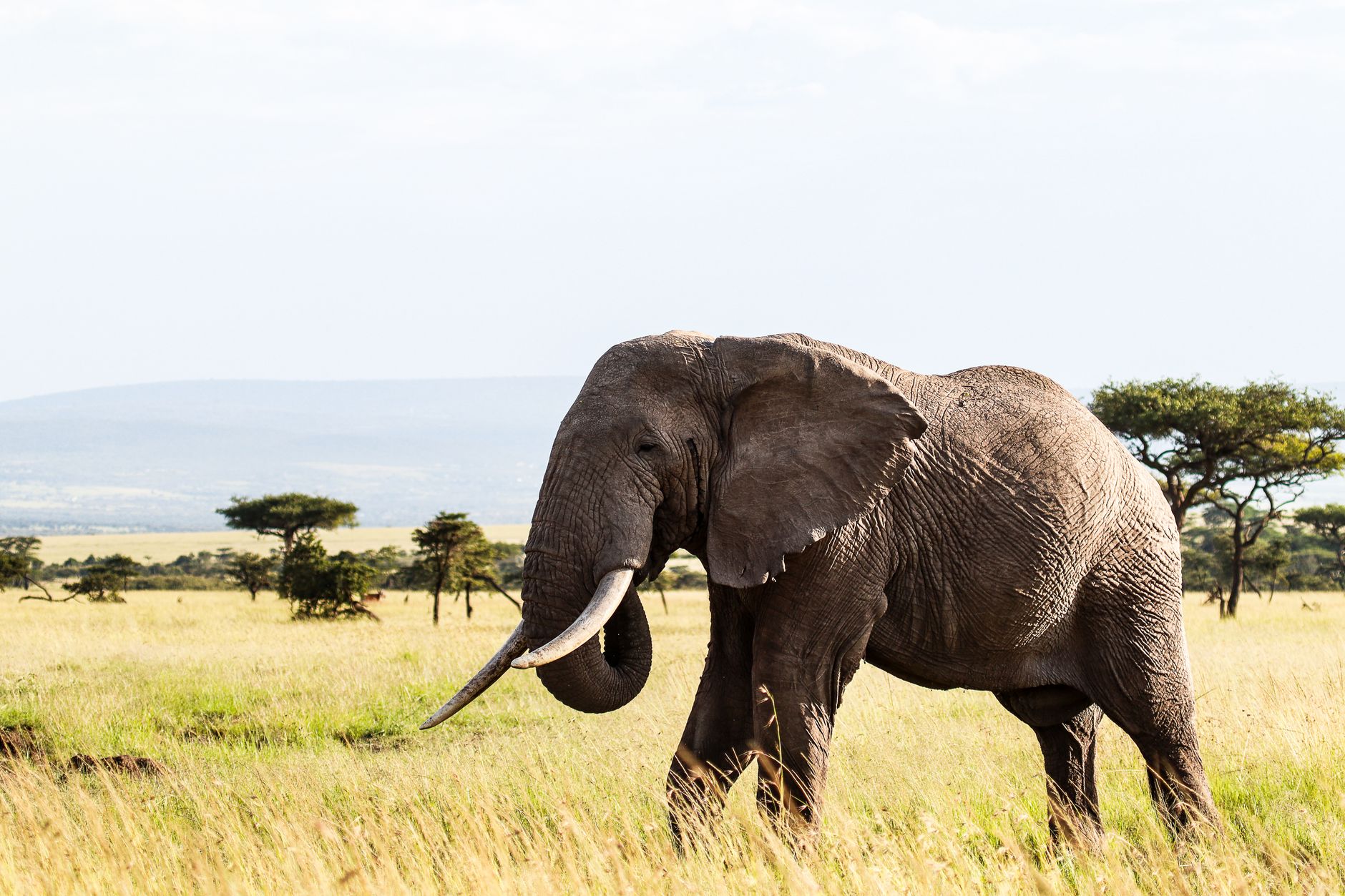
Amboseli is famous for its elephant herds and views of Mount Kilimanjaro. The park is smaller and easier to navigate. You can see large herds of elephants within a short drive of the gates. It is a strong choice for a first safari because the wildlife viewing is reliable.
Samburu in the north is drier and more remote. It hosts species you rarely see elsewhere, like the reticulated giraffe and Grevy’s zebra. The landscape is dramatic, with rocky hills and the Ewaso Ng’iro River. It adds variety to a trip but requires a longer transfer from Nairobi.
Lake Naivasha and Lake Nakuru offer wetland birdlife and easy day trips from Nairobi. Lake Nakuru is one of the best places in Kenya to see rhinos, both black and white. These parks work well at the start or end of a safari.
What Is the Difference Between a National Park and a Private Conservancy?
This distinction matters more than most guides admit. National parks are public land managed by the Kenya Wildlife Service. Anyone can enter with a park fee. Vehicles can crowd around sightings during peak season.
Private conservancies like Ol Kinyei, Naboisho, and Lewa are leased from Maasai or other communities. Access is limited to guests staying at the lodges inside. That means fewer vehicles, more freedom to drive off road, and a more intimate experience.
Walking safaris and night drives are allowed in most conservancies. Both are banned inside national parks. If those experiences matter to you, choose a conservancy. The cost is higher, but the wildlife viewing is often better.
For Dutch travelers who value quiet and photography, a conservancy is worth the premium. If budget is your main concern, a national park keeps costs down without sacrificing the core safari experience.
Is There a Direct Flight from Amsterdam to Nairobi?
Yes. KLM operates a direct flight from Amsterdam Schiphol to Nairobi Jomo Kenyatta International Airport. The flight takes about nine hours. This is the most convenient option for Dutch travelers.
Kenya Airways also flies from Amsterdam, though the schedule can vary by season. Check both airlines for price and timing. Direct flights remove the stress of a layover in the Middle East or Europe.
From Nairobi, you can take a short domestic flight to the Masai Mara, Amboseli, or Samburu. These flights use small aircraft and offer spectacular views. Or you can hire a driver guide and travel by road. Most first-time visitors prefer flying for the Mara and driving for the shorter routes.
Pack light if you fly domestically. Weight limits are strict on small planes, usually around 15 kilograms per person in a soft duffel bag. Hard suitcases are not ideal.
Do Dutch Citizens Need a Visa for Kenya?
Dutch citizens do not need a traditional visa anymore. Since January 2024, Kenya replaced its visa system with an Electronic Travel Authorization, known as an ETA. You apply online through the official Kenya ETA portal before you travel. The process is usually quick. You will need a passport valid for at least six months, a passport photo, and a copy of your flight itinerary.
The ETA fee is around USD 30, though you should confirm the current amount on the official portal, since fees can change. Print or save a copy of your approval to show at immigration. Carry your yellow fever certificate as well. Kenyan immigration may ask for it.
Check the official Kenya ETA website for the most current requirements. Rules change, and unofficial sites often charge extra fees for the same service.
What Vaccinations Do I Need Before a Kenya Safari?
Visit a travel clinic in the Netherlands at least six weeks before departure. The Landelijk Coördinatiecentrum Reizigersadvisering, or LCR, sets the official Dutch guidance. Their advice is practical and evidence based.
Yellow fever vaccination is recommended for Kenya, but the entry requirement depends on your travel history. If you fly direct from Amsterdam, the certificate is often not checked. But if you travel through a yellow fever endemic country, you will need proof of vaccination. Play it safe and get the shot.
Malaria is present in most safari areas, including the Masai Mara and Amboseli. LCR recommends prophylactic medication for most routes into these areas. The right medication and schedule depend on your health history, so this is a decision for your travel clinic, not a guidebook. Ask them for a written plan and follow it exactly, including the timing before and after your trip.
Other recommended vaccines include hepatitis A, typhoid, and tetanus. Rabies vaccination is advised for travelers who might spend time in remote areas or come into close contact with animals. Your travel clinic will tailor the advice to your route.
How Much Does a Kenya Safari Cost per Person?
Safari pricing varies wildly, so be careful with rounded numbers. A decent budget safari costs roughly 150 to 250 euros per person per day. This includes a simple lodge or camp, meals, park fees, and a shared vehicle with a guide.
Mid-range safaris run about 250 to 450 euros per person per day. You get comfortable lodges with pools, smaller groups, and sometimes private vehicles.
Premium conservancy safaris start around 500 euros per person per day and can easily double. These include private guides, walking safaris, and excellent food. Our Kenya safari cost guide breaks these ranges down by park and season.
Some figures in this range are guided by current market rates, not exact quotes. Always request a written breakdown from your operator. Confirm what is included. Park fees alone are a big part of the swing. In the Masai Mara, the non-resident entry fee is USD 100 per person per day from January through June. It rises to USD 200 per person per day from July through December, roughly 185 to 190 euros. That higher rate covers the peak migration months most first-time visitors want to see, so budget for it early.
Be careful with very low prices. A 100 euro per day budget safari often means cramped vehicles, basic tents, and long drives. It works, but manage your expectations.
Group Safari or Private Safari: Which Is Better for First-Timers?
Group safaris are cheaper and socially fun. You share a minibus or Land Cruiser with six to eight other travelers. The itinerary is fixed. You leave when the group leaves, and you stop where the driver decides. For solo travelers or couples on a budget, this is a fine option.
Private safaris cost more, but they pay for flexibility. You decide the pace, the start times, and the stops. If you want to spend an extra hour waiting for a leopard to move, you can. For photographers and honeymooners, the premium is worth it.
For your first safari, a private safari with a good guide is the better experience. The difference in cost is often smaller than you think, especially if you travel as a pair. A private vehicle also gives you a better view of wildlife. In a shared vehicle, you might fight for window space.
What Should I Pack for a Kenya Safari?
Lightweight, breathable clothing in neutral colors works best. Avoid bright colors that can startle wildlife and stand out on game drives. Long sleeves and pants protect against the sun and mosquitoes during the evening.
You need a warm layer for early morning drives. Temperatures in the Mara can drop to 10 degrees Celsius at dawn. A fleece jacket and a scarf are essential.
Comfortable shoes for walking and closed sandals for camp are enough. You will not need hiking boots unless you book a walking safari. Some conservancies require stable footwear for walking, so check with your operator.
A good camera with a zoom lens, binoculars, and a power bank are worth packing. Keep a dustproof bag for your gear. Sunscreen, lip balm, and insect repellent are non-negotiable.
Do not bring plastic bags. Kenya has a ban on single-use plastic bags. Use reusable bags or a daypack instead.
Can You Combine a Kenya Safari with a Beach Holiday?
Yes, and it is a popular choice for Dutch travelers. The coast around Diani Beach offers white sand and warm Indian Ocean water. After a week of early wake-ups and dusty roads, a few days on the coast is a calm reset.
Internal flights connect Nairobi to Mombasa or Ukunda. The flight takes about an hour. Or drive from the safari parks to the coast, though the roads from the Mara are long.
Budget two to three nights at the coast. This is enough time to relax, snorkel, or take a dhow trip. Avoid adding a coast extension if your safari is only five or six days. You will feel rushed in both places.
Is Kenya Safe for Tourists Traveling from the Netherlands?
Kenya is generally safe for tourists who follow sensible precautions. The safari circuits are well established, and security is strong in the parks and conservancies. Violent crime against tourists is rare, but it does happen in Nairobi.
In Nairobi, avoid walking alone at night. Use hotel taxis or ride-hailing apps. Keep your valuables out of sight. This is the same advice you would follow in any major city.
The border regions near Somalia and parts of the coast have higher security risks. Tour operators avoid these areas, and advisories from the Dutch Ministry of Foreign Affairs are updated regularly. Check their travel advice before you book.
A reputable safari operator handles the logistics and keeps you away from risky areas. This is one of the strongest reasons to travel with a vetted company instead of organizing everything yourself.
How Should You Choose a Safari Operator?
Ask for recommendations and read reviews from other Dutch travelers. A good operator provides clear itineraries, discloses park fees, and answers your questions honestly.
Check that the operator uses experienced guides who know the specific parks on your route. A guide who knows the Mara well is worth more than a fancy lodge.
Ask about vehicle condition. Older Land Cruisers break down more often. Confirm that your vehicle has pop-up roofs and comfortable seating.
Compare at least three operators before you decide. Ask for a written itinerary with costs per person, inclusions, and exclusions.
How Do Popular Safari Parks in Kenya Compare?
| Park | Best For | Best Months | Entry Fee (Indicative) |
|---|---|---|---|
| Masai Mara | Big cats, migration, open plains | June to October, January | USD 100/day, Jan-June; USD 200/day, July-December peak season |
| Amboseli | Elephants, Kilimanjaro views | June to October, January | USD 90/day flat, non-resident |
| Samburu | Dry-country species, solitude | Year round | 50-80 USD per day |
| Lake Nakuru | Rhinos, flamingos, birds | Year round | USD 90/day flat, non-resident |
Fees are indicative and can change. Amboseli, Samburu, and Lake Nakuru are managed by the Kenya Wildlife Service, so check current rates there. The Masai Mara is different. It is administered by the Narok County Government, not the Kenya Wildlife Service, so confirm Mara fees with your safari operator instead.
Where Can You Compare Safari Operators?
Now that you have a clearer picture of timing, budget, and parks, the next step is finding the right operator. TouringInsights researches and plans Kenya safaris, and you can see current itineraries at touringinsights.com.
If you want to compare safari operators and browse packages more broadly, visit FindMySafari, Valley Safaris, or Trunktrails Safaris. These platforms let you read reviews, compare itineraries, and see what different companies include in their packages.
A little comparison work now saves you money and stress later.
Where Can You Find More Safari Planning Resources?
- Kenya wildlife tours from Trunktrails Safaris
- Kenya tour packages from Valley Safaris
- Diani Beach guide on FindMySafari
- Diani Beach guide from Trunktrails Safaris
More safari planning resources
- Kenya wildlife tours from Trunktrails Safaris
- Best time to visit Kenya month-by-month map from Valley Safaris
- Diani Beach guide on FindMySafari
- Diani Beach guide from Trunktrails Safaris
Related guides: Kenya Safari Planning for German Speakers: 2026 Guide.