Planning a first Kenya safari involves enough decisions without adding language and dietary concerns. This is TouringInsights Kenya safari planning for Hebrew speakers, covering visas, kosher food, Shabbat, the best time to go, and finding a guide who speaks Hebrew. TouringInsights is a safari operator, and this guide sticks to practical facts rather than a sales pitch, whether you plan with us or elsewhere.
What Does TouringInsights Kenya Safari Planning for Hebrew Speakers Cover?
Kenya safari planning for Hebrew speakers breaks down into three areas. First, logistics: visas, flights, and vaccinations, which are the same steps any traveler takes. Second, religious practice: kosher food and Shabbat, which take extra lead time but are workable. Third, trip design: when to go, how many days, which parks, and whether you need a Hebrew-speaking guide. Working through these in order keeps the planning manageable.
Do Israeli Citizens Need a Visa to Visit Kenya?
Yes. Israeli citizens need pre-approval to enter Kenya, arranged online before departure. Kenya replaced its old e-Visa system with an Electronic Travel Authorization, or ETA, in 2024. Apply through the current official government site rather than an old bookmark or a third-party page. Apply at least a week before travel, though two weeks is safer, since processing time varies and you should not book flights that depend on same-day approval.
The tourist ETA is typically issued for a single entry. Validity periods and fees are set by the Kenyan government and can change. Check the current validity window and fee on the official site before you apply, rather than relying on a fixed number quoted elsewhere.
You also need a passport valid for at least six months beyond arrival, with two blank pages. Save your ETA approval to your phone and print a copy to carry with your passport. Immigration at Jomo Kenyatta International Airport in Nairobi is straightforward if your documents are in order.
Are There Direct Flights From Tel Aviv to Nairobi?
No direct flights operate regularly between Tel Aviv and Nairobi as of mid-2026. You will connect through a hub such as Istanbul, Dubai, Addis Ababa, or Cairo. Turkish Airlines via Istanbul and Ethiopian Airlines via Addis Ababa are common choices. Flight time from Tel Aviv to Nairobi is roughly in the six to eight hour range in the air, depending on route and airline. Total travel time with a layover often fills a full day. If a connection is tight, consider an overnight stop in the hub city, especially with safari luggage.
Is Kenya Safe for Israeli and Jewish Travelers?
Kenya is generally safe for tourists, including Israeli and Jewish travelers. The safari circuit is well established, and tourism is a major part of the economy. Nairobi has a visible security presence at hotels, malls, and airports. The parks you will visit, such as the Masai Mara, Amboseli, and Samburu, are far from any border tensions. Petty crime exists in Nairobi, so use hotel safes, avoid flashing valuables, and use app-based taxis at night. Kenya has long had warm relations with Israel, and you should expect no specific safety concerns beyond normal travel caution.
Nairobi also has an active Jewish community. The Nairobi Hebrew Congregation, also called the Nairobi Synagogue, is a small, historic congregation in the city center. It holds services on Shabbat and holidays, though the schedule varies. If you will be in Nairobi on a Friday evening or Saturday morning, contact the synagogue ahead of time. Outside Nairobi there is no synagogue, and safari camps are remote, so plan for Shabbat well in advance if you observe.
Can You Get Kosher Food on a Kenya Safari?
This is the question Hebrew speakers ask most. The short answer is yes, with planning. No lodge in the Masai Mara or Amboseli runs a fully kosher kitchen, so you have three practical options.
The easiest is to ask a lodge to accommodate you. Several upscale camps near the Mara, including some in the Mara Naboisho and Mara North conservancies, will prepare simple kosher-style meals of fish, eggs, dairy, and produce on request. Many can also use separate utensils to avoid mixing with meat. Notify the lodge two to three weeks ahead.
If you keep strictly kosher, bring your own shelf-stable meals, vacuum-sealed meats, and snacks. Most camps have a fridge and can heat food. You can also buy fresh produce, eggs, and fish in Nairobi, and a kosher supplier connected to the synagogue community can source meat and cheese there.
The third option is self-catering. Many safari houses and villas in the Mara and Laikipia have a private chef, and you can hire a kosher chef from Nairobi or cook yourself. It costs more but gives full control.
Be specific about what “kosher” means for you, since the word is understood in Kenya but not always in detail. Ask for written confirmation from the camp and repeat the details a week before arrival.
What Is the Best Time of Year for a Kenya Safari?
The best time depends on what you want to see. For the Great Migration in the Masai Mara, peak months are July through October, when wildebeest and zebra herds are present in large numbers. River crossings happen most often in August and September, though they are never guaranteed. Calving season runs from late January through March, when predators follow the newborn herds.
The dry season, June to October, offers the best overall game viewing because animals gather near water and grass is low. The wet season, November to May, is greener, bird-rich, less crowded, and cheaper. The long rains in April and May can flood roads and close some lodges, so check conditions before booking that window.
For Hebrew speakers, the Jewish holiday calendar matters. The High Holidays and Sukkot usually fall in September or October, overlapping peak migration season, and a lodge that allows a sukkah is rare. Many travelers instead go after Simchat Torah, during Passover in April, or during the February calving season, which rarely collides with major holidays. See the best time to visit the Masai Mara for a fuller look at seasonal trade-offs.
What Safari Types Suit a First-Time Visitor?
You have three main choices: group tour, private guide, and self-drive.
A group tour is the most budget-friendly. You share a vehicle and a fixed itinerary with other travelers, trading flexibility for lower cost and built-in company. Most group tours use an English-speaking driver-guide; Hebrew-speaking group tours are rare, though some Israeli agencies organize them a few times a year.
A private guide is the best choice for most first-timers. You get a vehicle and guide to yourself and set the pace, at a higher cost. A small number of Kenyan guides speak Hebrew, ranging from conversational to fluent, and they book up early. Ask your operator to confirm the guide’s language level, ideally with a phone or video call before you commit.
Self-drive is possible but not recommended for a first safari, since Nairobi traffic is chaotic and park tracks can be rough. A knowledgeable guide also knows where to find animals and how to behave around them. Save self-drive for a later trip.
How Many Days Do You Need for a First Kenya Safari?
Seven to ten days is the right range, enough to visit two or three ecosystems without rushing. A common route is three days in the Masai Mara, two in Lake Nakuru, and two in Amboseli. Add a day in Nairobi on each end for travel and jet lag. Fewer than seven days means too much time on the road. More than ten is fine if you have the budget, but not necessary. Including flights from Israel, a total trip of ten to twelve days is realistic.
What Vaccinations Do You Need for Kenya?
Yellow fever vaccination is required if you arrive from a country with yellow fever risk. Israel is not on that list, but if you transit through a country like Ethiopia or Uganda, Kenyan authorities may ask for a certificate. Get the vaccine at least ten days before travel and carry proof.
Other recommended vaccines include hepatitis A, typhoid, and tetanus. Malaria is present in Kenya, including in safari areas, and the Masai Mara is considered moderate risk. Talk to a doctor about antimalarial options such as Malarone or doxycycline. If you are weighing whether to skip prophylaxis, discuss that choice with a travel medicine professional rather than deciding on your own. Use DEET repellent, wear long sleeves in the evening, and sleep under a mosquito net when available.
What Should You Pack for a Kenya Safari?
Packing is simpler than most people expect. Stick to neutral colors such as khaki, olive, beige, and brown, and avoid bright colors and white, which stand out to animals.
Bring long pants and long-sleeved shirts for evenings, a light fleece for early morning game drives, and a lightweight rain jacket. Mornings and evenings can be cold from June to August. For footwear, one pair of sturdy walking shoes and one pair of sandals is enough unless you plan a walking safari.
Other essentials include a wide-brimmed hat, sunscreen, sunglasses, and a headlamp, since camps are often dark at night. A camera with a 200mm to 400mm zoom lens works well for wildlife, while a phone covers landscapes and group photos. Pack a power bank, and bring personal medication for the full trip plus a few extra days, since remote camps have limited supplies.
How Much Does a Kenya Safari Cost?
A first Kenya safari costs between $250 and $1,500 per person per day, depending on your choices. Here is a breakdown by accommodation tier.
| Accommodation tier | Cost per person per night | What you get |
|---|---|---|
| Budget campsite | $60 to $120 | Basic tent, shared bathroom, meals cooked over fire |
| Mid-range lodge or camp | $250 to $450 | En suite room, three meals, game drives included |
| Luxury camp | $600 to $1,200 | Private deck, all meals, drinks, guided walks, often in a private conservancy |
| Ultra-luxury camp | $1,500 to $2,500 | Butler service, private vehicle, exclusive use areas, premium dining |
These rates usually include full board and two game drives a day, but not park entry fees, which are separate. The Masai Mara is managed by Narok County, not Kenya Wildlife Service. Its non-resident fee runs around $100 per person per day from January through June, rising to around $200 per person per day from July through December during the peak migration window. Confirm current rates before booking. Amboseli, run by KWS, charges a flat $90 per person per day for non-residents. Conservancies price separately, and some quoted rates already include park fees, so always ask what is covered.
Flights from Israel cost roughly $600 to $1,200 round trip. Add ETA fees, travel insurance, and tips for guides and camp staff, which typically run $10 to $20 per person per day. See the Kenya safari cost guide for more detail on budgeting.
Masai Mara or Amboseli: Which Suits a First-Time Visitor?
For most first-timers, the Masai Mara is the better choice. It is Kenya’s most famous reserve, with high densities of lion, leopard, elephant, and buffalo. Its open grassland makes viewing easier, and the wildebeest migration from July to October is a major draw.
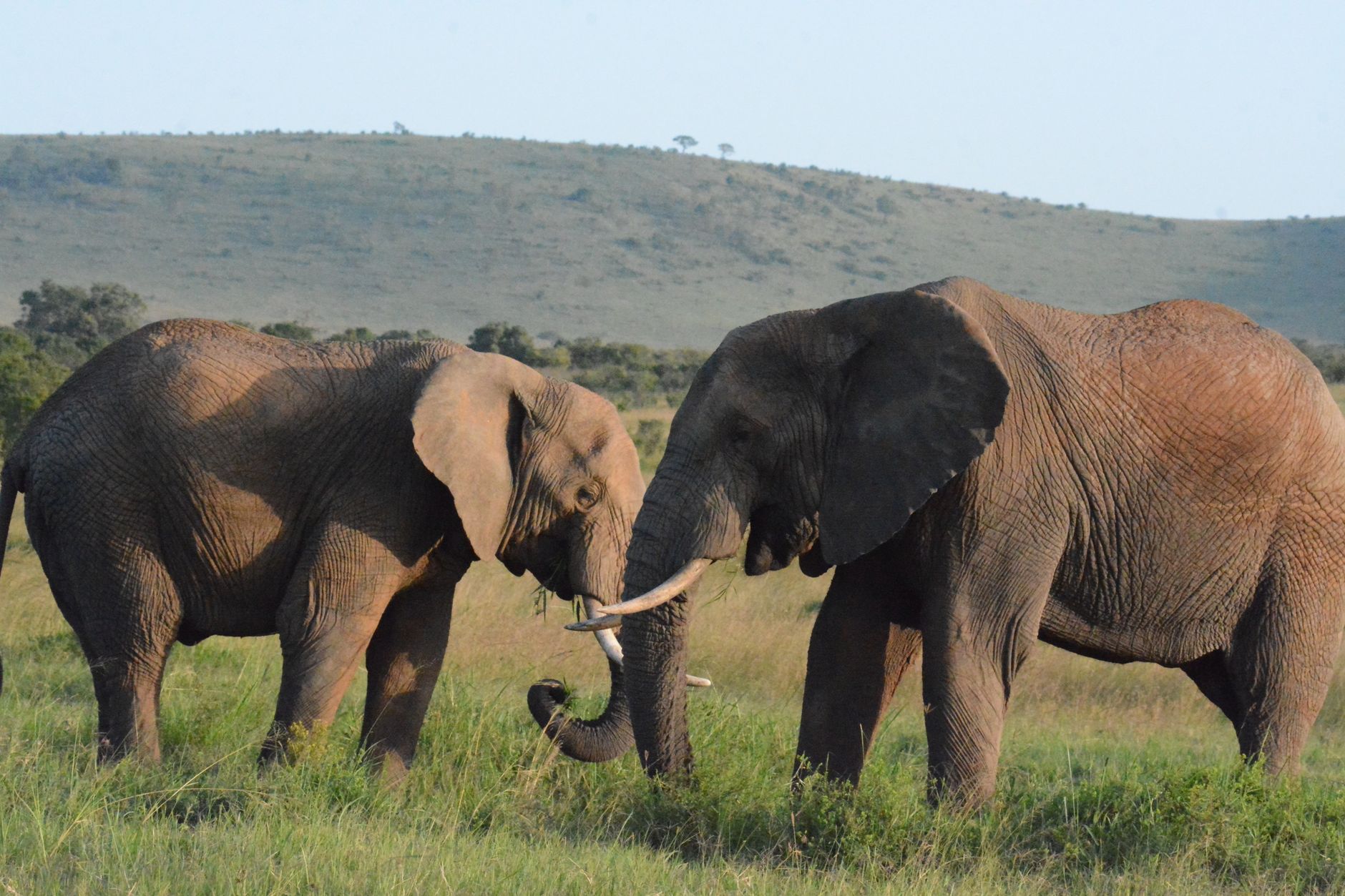
Amboseli is a strong second choice. It sits at the foot of Mount Kilimanjaro, Africa’s highest peak, and is known for large elephant herds and excellent dry-season viewing around its swamps. If you have time, visit both, since the Mara offers predators and migration while Amboseli offers elephants and mountain views. If you can only pick one, choose the Mara. See the complete guide to the Masai Mara for a deeper look.
Can You Find a Hebrew-Speaking Guide in Kenya?
Yes, but plan ahead. A small number of Kenyan guides speak Hebrew, mostly based in Nairobi and working with Israeli tour agencies. Their fluency ranges from conversational to fluent. The most reliable way to find one is through an Israeli safari agency that works with local operators and can confirm language level. If you are booking independently, ask your operator for a video call with the guide to verify.
If a Hebrew-speaking guide is not available, most Kenyan guides have excellent English. You can ask for one who explains wildlife in simple, clear terms, which is often easier to follow than fast, technical English.
How Can Hebrew Speakers Finish Kenya Safari Planning?
Once the basics are settled, work backward from your travel dates. Confirm kosher arrangements with a lodge in writing at least two to three weeks out. Get any Hebrew-speaking guide request confirmed in writing too, since both are limited resources that fill up. Decide early whether your trip needs to work around the Jewish holiday calendar, since that shapes which season you choose. Lock in your ETA approval and yellow fever documentation well before departure so nothing is left to the final week.
From there, compare safari operators and browse packages on FindMySafari, Valley Safaris, or Trunktrails Safaris. These platforms let you match with operators who can confirm kosher arrangements and Hebrew-speaking guides for your preferred dates. That way you are comparing real availability rather than guessing.
Where Can You Find More Kenya Safari Planning Resources?
- Masai Mara Great Migration guide from Trunktrails Safaris
- Best time to visit Kenya month-by-month map from Valley Safaris
- Masai Mara destination guide on FindMySafari
- Kenya wildlife tours from Trunktrails Safaris
More safari planning resources
- Kenya wildlife tours from Trunktrails Safaris
- Best time to visit Kenya month-by-month map from Valley Safaris
- Masai Mara destination guide on FindMySafari
- Masai Mara Great Migration guide from Trunktrails Safaris
Related guides: TouringInsights Kenya Safari Planning for Hausa Speakers.