Most safari itineraries end at a beach chair. That undersells the Kenyan coast. Between Mombasa and Lamu sits a chain of Swahili trading towns. Some are still lived in, some reclaimed by forest, and they trace nearly a thousand years of Indian Ocean trade. A safari built around wildlife can be bookended with a heritage stretch. It adds real depth without adding much travel time. This guide covers where the sites are and how long each takes to reach. It also covers roughly what to budget, so the coast leg reads as a planned extension rather than an afterthought.
Why Pair a Safari With the Swahili Coast
Kenya’s savanna parks and its coast tell two different stories. The Masai Mara and Amboseli cover wildlife and Maasai pastoralist land. Its coast covers thirteen centuries of trade between East Africa, the Arabian Peninsula, India, and eventually Portugal and Britain. Swahili culture grew out of that contact. It is a Bantu-speaking coastal society that absorbed Arab, Persian, and Indian influence into its language, architecture, and cuisine. Pairing the two shows a fuller side of the region. Seeing a lion in the Mara and walking Lamu’s coral-stone alleys in one trip beats either visit alone. The logistics also work in the traveler’s favor. Nairobi connects to both safari country and the coast by short flights. A heritage extension rarely costs more than a day or two of extra time.
Fort Jesus and Old Town Mombasa: Where the Trail Starts
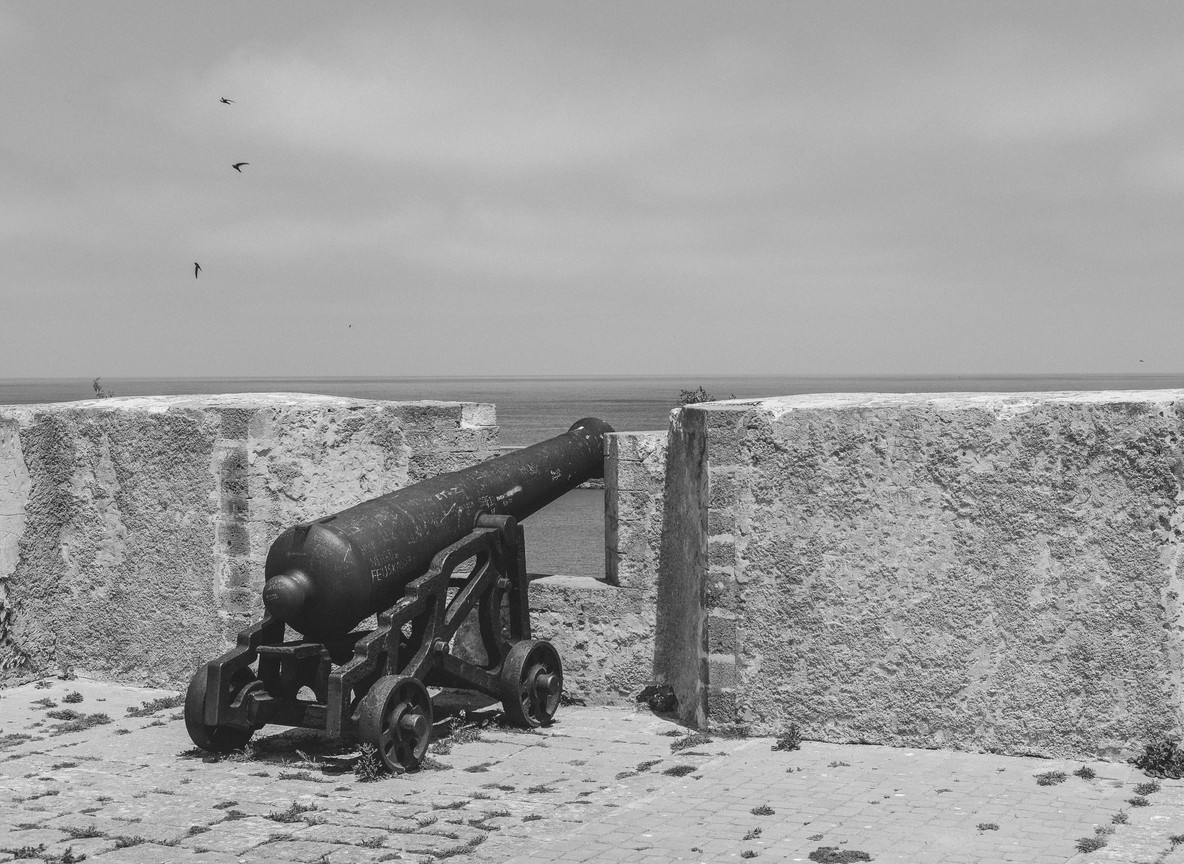
Fort Jesus anchors most coast itineraries because Mombasa is where most travelers land first. The Portuguese built the fort between 1593 and 1596 to guard the harbor entrance. Italian architect Giovanni Battista Cairati is credited with its star-shaped design. Control of the fort changed hands between the Portuguese, Omani Arabs, and the British over the following three centuries. The walls still carry cannon scars from those sieges.
UNESCO listed it as a World Heritage Site in 2011. The listing recognizes it as one of the most complete examples of 16th-century Portuguese military architecture outside Europe. Mombasa’s Old Town surrounds the fort. It’s a walkable district of narrow streets, carved wooden doors, and Swahili and Omani-Arab buildings that predate the fort. Set aside a half day for the fort and the surrounding streets. A local guide at the entrance makes the layered history easier to follow than the signage alone.
Gedi Ruins: A Swahili City the Forest Took Back
Gedi Ruins sit inside Arabuko-Sokoke Forest Reserve, a 420 km2 block of coastal forest between Malindi and Kilifi. It is the largest remaining fragment of East Africa’s coastal forest. Gedi thrived as a Swahili trading settlement from the 13th century until its abandonment in the 17th century. Historians still debate the reasons why. Coral-stone mosques, a palace, and merchant houses remain standing. Many have fig and baobab roots now growing straight through the walls. It is one of the few Swahili ruin sites. The forest reclamation here is as much a part of the visit as the archaeology. Arabuko-Sokoke is a serious birding destination in its own right, home to species found almost nowhere else in Kenya. That makes Gedi a natural stop for travelers combining heritage with wildlife interests.
Lamu Old Town: East Africa’s Oldest Living Swahili Settlement
Lamu is the furthest site from Mombasa and the one most worth the extra travel. UNESCO listed Lamu Old Town as a World Heritage Site in 2001. The listing cites it as the oldest and best-preserved Swahili settlement in East Africa, inhabited over 700 years. Unlike Gedi, Lamu never emptied out. Its stone town still functions as a living community, with no cars on the island. Donkeys and dhows do most of the transport work. Carved doors, inner courtyards, and rooftop makuti-thatch details echo the Swahili-Arab style found at Fort Jesus and Gedi. Here, though, it’s still in daily use. Shela Beach is a 20-minute dhow ride from Lamu town. It gives the trip a beach component without leaving the island’s heritage context.
Getting There From Safari Country: Distances and Times
The routes below assume a starting point in Nairobi or the Masai Mara. These are the two most common safari bases travelers extend from.
| Route | Distance | Typical Time | Notes |
|---|---|---|---|
| Nairobi to Mombasa (road) | 485 km | 7-8 hours | Most travelers fly instead |
| Nairobi to Mombasa (flight) | – | ~1 hr 10 min | Multiple daily departures |
| Masai Mara to Mombasa | – | ~2 hrs 30 min total | Connects via Nairobi; no direct flight |
| Mombasa to Malindi (road) | 120 km | ~2 hours | Tarmac road, coastal route |
| Malindi to Gedi Ruins | 16 km | 20-25 min | Short detour off the Malindi-Mombasa road |
| Mombasa or Malindi to Lamu (flight) | – | 35-45 min | Lands at Manda Airport |
| Manda Airport to Lamu town | – | 20-30 min | Boat transfer across the channel |
| Mombasa to Jumba la Mtwana ruins | 25 km | ~35 min | North of Mombasa, near Kilifi |
How Many Days to Give the Heritage Leg
A single-site stop works if time is tight. Fort Jesus and Old Town Mombasa fill a half day comfortably on the way to or from the airport. No extra overnight is needed. Adding Gedi Ruins pushes the extension to two full days. Malindi is worth an overnight to see the ruins without rushing. A full Swahili coast circuit, covering Mombasa, Gedi, and Lamu, runs closer to four or five days including travel. That extra time pays off. Lamu benefits from at least two nights, enough to see the old town on foot and take a dhow trip. Indicative non-resident entry fees run roughly $10-15 at Fort Jesus and $10-12 at Gedi Ruins. Lamu’s museums charge similar small entry fees per site. These are planning-stage ranges, not fixed prices. Confirm current fees locally or through a booking partner before finalizing a budget.
Explorer Notes
A few field details that do not always make it into standard coast write-ups. Fort Jesus gets crowded with cruise-ship day groups when a ship is in port at Mombasa. Arriving right at opening avoids the worst of it. Gedi Ruins has resident colobus monkeys in the canopy above the ruins. They are worth a slow look up rather than only down at the stonework. Lamu’s stone town has no street signs in most alleys, and getting mildly lost is normal. Hire a local guide for the first walk rather than relying on a map app. GPS accuracy inside the old town is unreliable.
Dhow trips out of Lamu run best in the morning before the afternoon wind picks up. For an evening trip, a sunset sail back toward town beats a sunset departure. Pack lightweight, modest clothing for all three sites. Lamu in particular is a conservative Muslim community; cover shoulders and knees even in beach-adjacent parts of town.
Frequently Asked Questions
Can I visit the Swahili coast heritage sites without doing a safari first? Yes. Mombasa and Lamu both have direct flights from Nairobi, so the coast works as a standalone trip. Most travelers combine it with a safari simply because the flight connections make this easy. Both fit into one visit to Kenya.
Is Lamu safe to visit? Lamu town and Shela Beach see regular tourist traffic and are generally treated as safe coastal destinations. As with any travel, check current government travel advisories for the wider Lamu County area before booking. It only takes five minutes.
Do I need a guide at Fort Jesus and Gedi Ruins? Not strictly, but the sites reward one. Both have licensed guides available at the entrance. Fort Jesus layers Portuguese, Omani, and British history, and Gedi carries its original Swahili builders’ story. A guide makes both easier to follow than reading placards alone.
What is the best order to visit the three sites? South to north works best geographically. Visit Fort Jesus and Old Town Mombasa first, then Gedi Ruins via Malindi, then fly on to Lamu. Reversing the order works equally well if a flight schedule makes more sense the other way.
How does this heritage trail fit with a Masai Mara or Amboseli safari? Fly Mara-to-Nairobi or Amboseli-to-Nairobi, then connect on to Mombasa or direct to Lamu. There is no direct flight from the safari circuits to the coast. Nairobi is the standard connection point either way.
What to Read Next
- Lamu Cultural Festival 2026: Dates, Dhow Races and Swahili Heritage
- Kenya Coast Complete Guide
- Zanzibar vs Kenya Coast Extension After Safari: Which Beach Is Better
Touring Insights covers the coast as a planning add-on, not a package we sell directly. For operators who run Mombasa, Malindi, and Lamu extensions alongside a Kenya safari, check the site’s Tour Packages page. It lists current itineraries that pair the two.