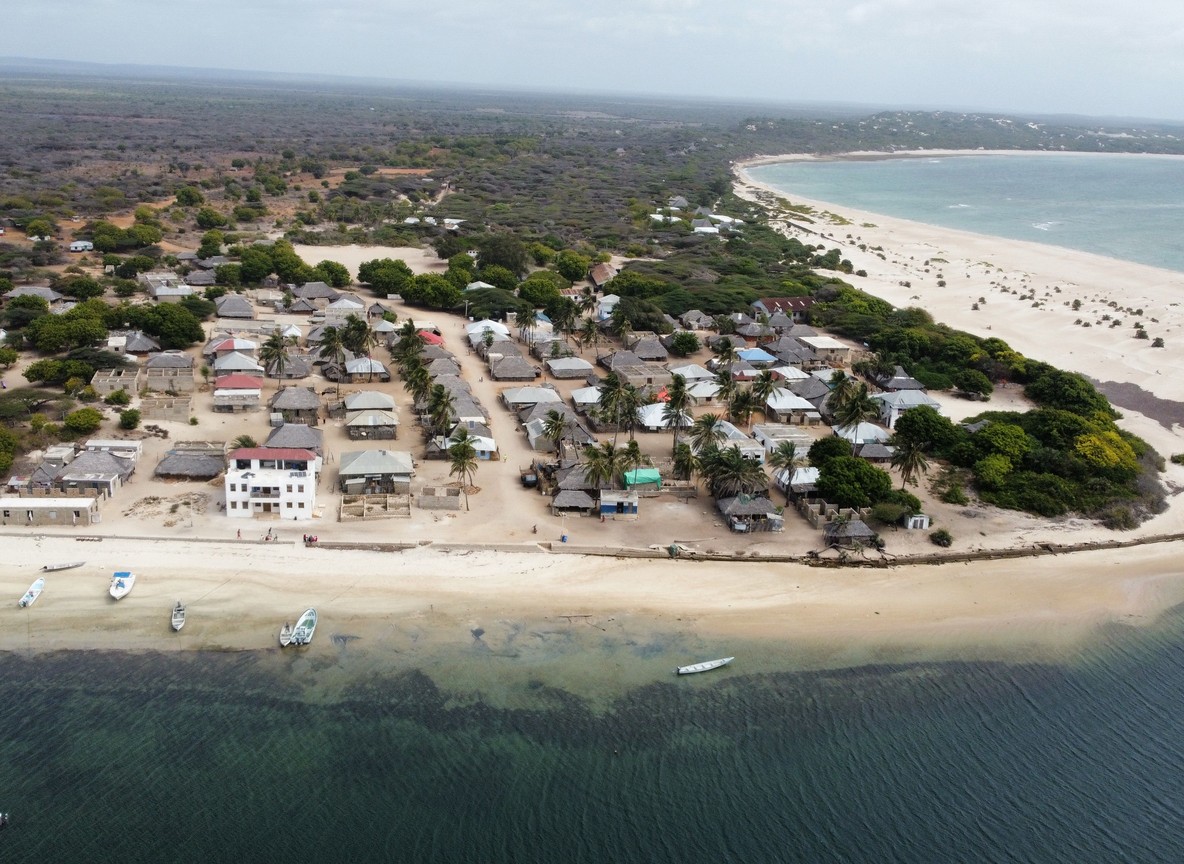
Most safari trips end at the coast with a beach chair and a sundowner. The Lamu Cultural Festival gives that ending a reason to be the main event. For three days on Lamu Island, dhow races fill the channel, donkeys sprint down the seafront, and Swahili poets perform in a town that has barely changed in five centuries. It draws more than 20,000 visitors most years, yet it stays a genuinely local celebration rather than a staged show for tourists.
This guide covers the 2026 dates, what actually happens at each event, and the real logistics of getting to an island with no cars. Treat every price and schedule detail below as indicative and confirm specifics closer to travel, since a community festival can shift by a day or two.
What Is the Lamu Cultural Festival
The Lamu Cultural Festival is an annual celebration of Swahili heritage held in Lamu Old Town, the oldest continuously inhabited Swahili settlement in East Africa. Kenya’s Ministry of Tourism and the National Museums of Kenya organize it alongside the local community, and it has run most years since the early 2000s. Unlike a manufactured tourist event, the races and competitions grew out of everyday Lamu life. Fishermen already race their working dhows; donkey owners already know whose animal is fastest.
Lamu Old Town earned UNESCO World Heritage status in 2001 for its unbroken Swahili architecture and urban form. The festival is the town’s biggest showcase of the living culture behind that heritage listing. Narrow coral-stone streets, carved wooden doors, and rooftop verandas form the backdrop for every event.
Swahili culture on this coast blends Bantu, Arab, and Persian influence built up over roughly a thousand years of trade. Lamu kept that heritage more intact than Mombasa or Zanzibar, partly because the island stayed off the main tourist circuit for decades. The festival is the clearest window into that culture a short trip can offer. Fishing families running the market stalls by day are often the same crews racing dhows and reciting poetry by night.
Lamu Cultural Festival 2026 Dates and Schedule
The 2026 edition runs from November 30 to December 2, timed to the tail end of the short dry spell before Kenya’s short rains taper off at the coast. Organizers typically confirm the full programme two to three months ahead. Treat this window as reliable, but check the National Museums of Kenya or Lamu County tourism office closer to your travel dates for the finalized daily schedule.
Events spread across three days: an opening ceremony and cultural parade on day one, the dhow and donkey races on day two, and closing competitions with prize-giving on day three. Evenings bring open-air Swahili poetry, taarab music, and henna painting in Lamu’s main square.
Dhow Races: The Festival’s Signature Event
Dhow racing is the event most visitors travel for. Local sailors compete in traditional wooden dhows, the same vessel design that carried trade goods along the Swahili coast for centuries before engines existed. Categories usually include a racing class for the lighter, faster boats and a working-dhow class for the larger cargo vessels still used for fishing and transport.
The course runs along the channel between Lamu town and Manda Island, close enough that spectators watch from the seafront promenade without needing a boat of their own. Best viewing spots fill up fast, so arrive at the waterfront at least an hour before the scheduled start.
Sailors build and repair these dhows using techniques passed down through generations of boat builders, mostly without written plans. Hulls are still stitched and pegged by hand in yards along the Lamu waterfront. A walk past those yards on a quiet day shows the craft behind the spectacle. Winning a race carries real local status, and crews often train for weeks beforehand in the same channel used on race day.
Donkey Races, Bao, and the Swahili Games You Won’t See Elsewhere
Lamu has no cars. Donkeys move goods, people, and building materials through streets too narrow for vehicles, and the island is home to thousands of them. The festival’s donkey races turn that everyday reality into pure entertainment, with owners and jockeys sprinting bareback down the main seafront street to loud community cheering.
Bao, a traditional strategy game played across East Africa with seeds and a carved wooden board, gets its own tournament during the festival. Watching two skilled players move fast enough to blur the seeds is worth ten minutes of anyone’s schedule, even without understanding the rules. Swahili poetry recitals and traditional dance performances round out the daytime programme, most staged in the open square near the Lamu Museum.
The Procession to Habib Swaleh’s Tomb
One of the festival’s most visually striking moments is the procession to the tomb of Habib Swaleh. He was the 19th-century scholar who founded the Riyadha Mosque and shaped Lamu’s religious and cultural life. Residents walk through town in traditional dress, and the route draws large crowds along the narrow streets near the mosque.
This is a genuine community and spiritual occasion, not a performance staged for cameras. Visitors are welcome to watch respectfully from the sidelines. Modest dress covering shoulders and knees is expected throughout Lamu Old Town, and it matters even more during this procession.
Getting to Lamu Island: Flights, Boats, and Distances
Lamu sits roughly 1,110 km northeast of Nairobi by air on Kenya’s northern coast, near the Somali border. There are no roads onto Lamu Island itself, so every route ends with a short boat crossing.
| Route | Distance / Mode | Approx. Time | Indicative Cost |
|---|---|---|---|
| Nairobi (Wilson Airport) to Manda Airport | ~1,110 km, scheduled flight | ~1 hr 40 min | $150-250 one-way |
| Mombasa (Moi Int’l) to Manda Airport | ~230 km, scheduled flight | ~45 min | $100-180 one-way |
| Malindi to Lamu by road and boat | ~150 km road plus short crossing | ~4-5 hrs total | Varies by shared transport |
| Manda Airport to Lamu Old Town | Boat transfer across the channel | ~20-30 min | Usually included in lodge transfers |
| Lamu Old Town to Shela village | Coastal path or short boat | ~45 min walk / ~15 min boat | Free walk / small boat fee |
Safarilink and Jambojet both run scheduled flights to Manda Airport (airport code LAU) from Nairobi, with more frequent departures added around festival dates. Book the flight leg early since seats tighten fast once the festival schedule is public.
Where to Stay for the Festival
Lamu Old Town and neighboring Shela village hold most of the accommodation, and each puts you at a different distance from the festival action.
| Base | Distance from Festival Waterfront | Best For | Price Tier (indicative) |
|---|---|---|---|
| Lamu Old Town | On-site, walking distance | Front-row race viewing, night events | Mid-range |
| Shela Village | ~3.5 km, boat or beach walk | Quieter nights, beach access | Mid-range to luxury |
| Manda Island | Short boat ride across the channel | Private, resort-style stays | Luxury |
Rooms in Lamu Old Town sell out well ahead of festival weekend. Book at least two to three months out if you want a rooftop view of the dhow race course.
Explorer Notes
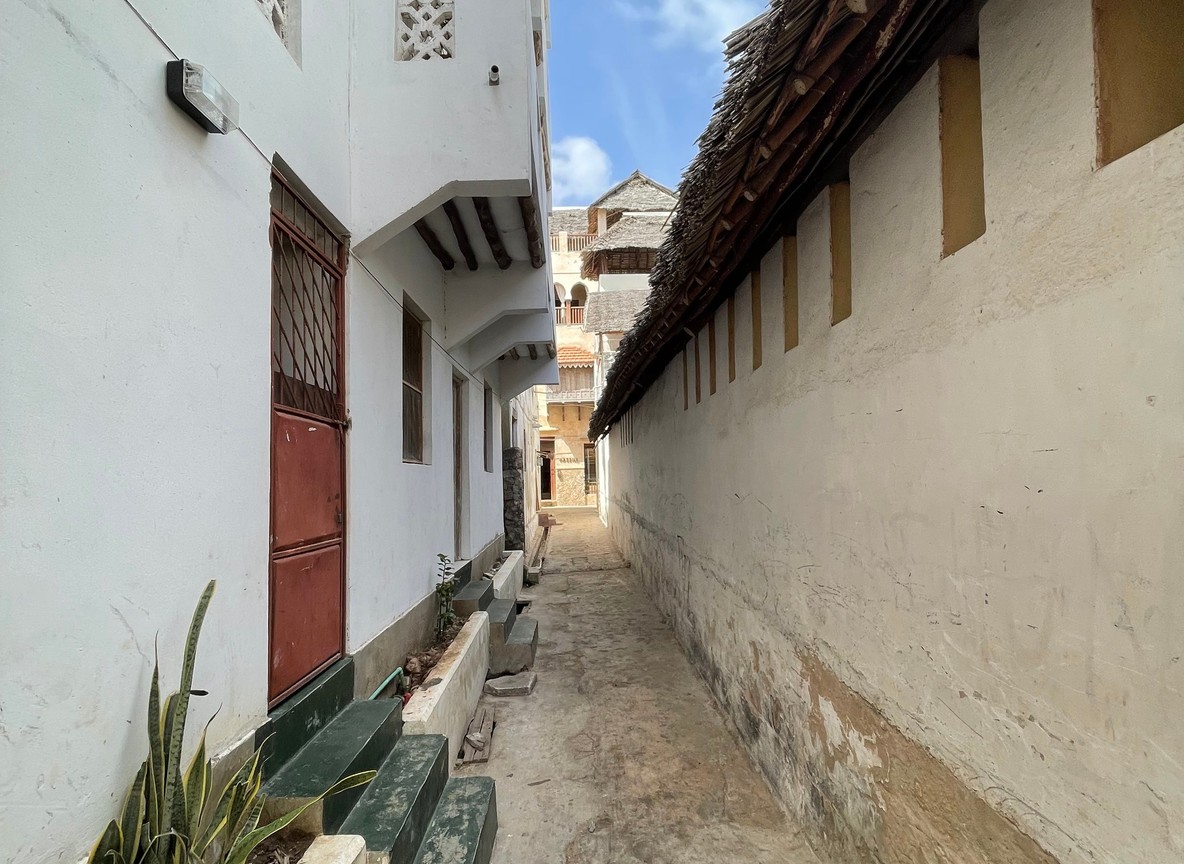
A few things we have seen catch first-time festival visitors off guard. First, Lamu’s heat and humidity peak in the early afternoon, so plan race-viewing and museum visits for morning or late afternoon and rest indoors midday. Second, cash matters more here than almost anywhere else on the Kenyan coast. Card machines are unreliable in Lamu Old Town, so carry Kenyan shillings for meals, boat transfers, and tips. Third, the donkey race route and dhow course both shift slightly year to year, depending on tides and community planning. Ask your host on arrival exactly where to stand rather than relying on last year’s photos. Finally, pair the festival with a night or two in Shela village if you want beach downtime. The contrast between Lamu’s dense, historic streets and Shela’s open sand makes the trip feel like two destinations in one.
What to Read Next
- Planning the coastal leg of a longer trip? See our safari and coast combo guide.
- Curious how Lamu compares to Kenya’s other beach towns? Read our Watamu, Diani, or Lamu comparison.
- Building out a full Kenya cultural calendar? Check our Kenya cultural festival guide.
FAQ
When is the Lamu Cultural Festival in 2026? It runs November 30 to December 2, 2026, on Lamu Island off Kenya’s northern coast.
Do I need a boat to reach the festival events? Most events happen along the Lamu Old Town waterfront, reachable on foot from town accommodation. Only Manda Airport arrivals and Manda Island stays require a boat crossing.
Is the Lamu Cultural Festival free to attend? Street events including the dhow races, donkey races, and processions are free to watch from public areas. Some evening cultural performances may carry a small entry fee at the venue.
What should I wear to the festival? Modest, lightweight clothing covering shoulders and knees works best, especially near mosques and during the procession to Habib Swaleh’s tomb.
Can I combine the festival with a Kenya safari itinerary? Yes. Many travelers fly Nairobi to Lamu directly, or route through Mombasa after a Maasai Mara or Amboseli safari. Lamu sits well outside the main safari circuit but works well as a coastal close to the trip.
A festival like this rewards travelers who build in a full week rather than a rushed weekend hop. Visit our Tour Packages page to see how a Lamu extension fits onto a Kenya safari itinerary, or check with a coastal partner operator on current boat and flight schedules before you book.