Most Amboseli lodges sit inside the park boundary, competing for the same swamp-edge game drive routes. Satao Elerai sits outside it. It sits on a 5,000-acre conservancy the local Maasai community leases for wildlife instead of cattle. That single choice explains almost everything else about the camp. It brings the empty view of Kilimanjaro and walking safaris a national park would never allow. Tourism revenue also flows straight to the families who own the land. The camp also sits inside a corridor the African Wildlife Foundation (AWF) identified as critical for elephant movement. Elephants move between Amboseli and Kilimanjaro’s forests in Tanzania. That context matters more than the marketing photos suggest. Touring Insights breaks down what Satao Elerai actually is, where it sits, and who it fits. Read this before you weigh it against the lodges inside the park.
Where Is Satao Elerai and Why the Kilimanjaro View Is Different
Satao Elerai (also called Elerai Camp) sits about 12km southeast of Amboseli National Park‘s boundary. It sits on the Elerai Conservancy near the Kenya-Tanzania border. The camp sits south of the park rather than inside it. That means Kilimanjaro rises almost directly behind the property, not across a distant, often hazy plain. Guests get the mountain view without the queue of vehicles. That queue gathers at Amboseli’s classic photo spots near Observation Hill. The tradeoff is distance from the park’s densest wildlife concentrations, around Enkongo Narok and Olokenya swamps. Those swamps sit closer to lodges based inside the park boundary.
Kilimanjaro is famously shy. Kenya’s Amboseli region sits close enough to see the mountain on a clear day. But cloud cover often swallows the peak by mid-morning, more often than travel photos suggest. Satao Elerai sits directly south of the park rather than west of it. That position shortens the sightline. It also cuts the haze that builds over the open plains later in the day. That single geographic fact is the reason the camp markets itself around the mountain view, not around Big Five density. Big Five density is a different, and honestly stronger, selling point for lodges based inside the park.
The Elerai Conservancy: A Maasai-Owned Wildlife Lease
The Elerai Conservancy covers roughly 5,000 acres of land owned by the local Maasai community. Landowners lease it for conservation and tourism rather than grazing. Satao Elerai is the conservancy’s anchor lodge. Lease payments from the camp’s operations flow back to the landowning families. This is the same model used across southern Kenya’s private conservancies. Communities keep ownership of the land, and a lodge operator pays for exclusive tourism access. In return, wildlife gets space that a fenced ranch or farm plot would not allow. Guests staying at Satao Elerai can join Maasai guides on bush walks and cultural visits. Amboseli National Park’s vehicle-only rules do not permit either activity.
AWF and the Kitenden Corridor: What “Built With AWF” Actually Means
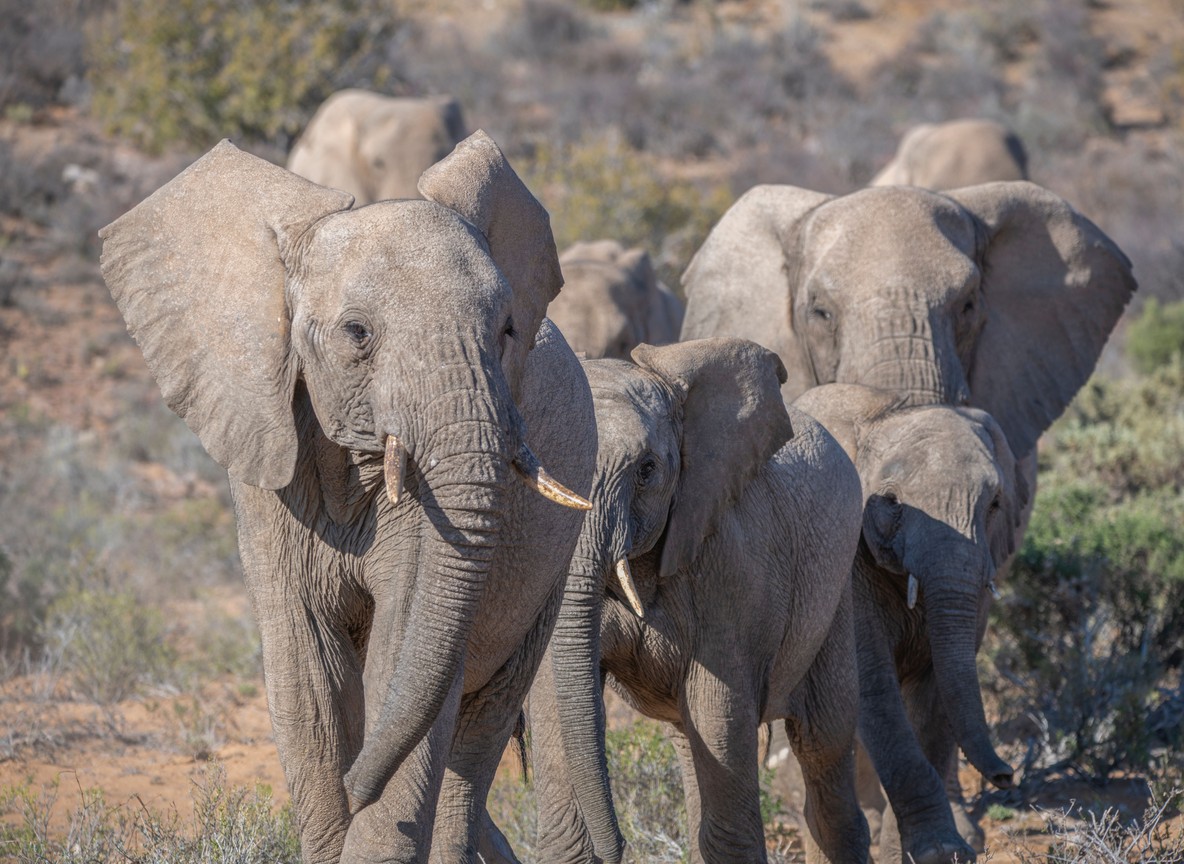
The African Wildlife Foundation identified the land around Elerai as part of the Kitenden Corridor. That corridor is a wildlife passage connecting Amboseli National Park to the Kilimanjaro Forest Reserve across the border in Tanzania. Amboseli holds an estimated 1,400 elephants. Those elephants regularly leave the park to follow rain and forage on community land like Elerai. AWF has worked with neighboring Maasai group ranches, including Olgulului, on bi-annual lease payments. Those payments keep land open for wildlife instead of being converted to fenced agriculture. The lodge itself is a private tourism operation, not an AWF-run facility. Its existence still depends on the same conservation-lease structure AWF helped establish in the wider corridor. Touring Insights flags this distinction because travelers sometimes assume “AWF-linked” means AWF operates the camp. It does not. AWF’s role is land conservation strategy. Satao Elerai is a separately run lodge that benefits from, and pays into, that same system.
Best Time to Visit Satao Elerai for Kilimanjaro Views
Kenya’s dry months, roughly June through October and again in January and February, give Kilimanjaro its clearest exposure. Skies stay sharper through the morning. The mountain often stays visible past the hour when clouds would normally close in. By contrast, the long rains from March through May, and the shorter rains around November, bring lower cloud ceilings. Kilimanjaro may hide for days at a time. Dry season also concentrates wildlife around fewer water points, which helps the conservancy’s game drives. Even so, Elerai’s density never matches the park’s swamp-fed core. Travelers building a trip around the Kilimanjaro photograph should target the dry windows and build in at least two nights. A single overcast morning can mean returning home without the shot.
Satao Elerai Facts: Location, Access, and Fees
| Detail | Figure |
|---|---|
| Distance from Amboseli National Park boundary | approx. 12 km southeast |
| Distance from Nairobi via Namanga | approx. 278 km, 4 hr drive |
| Elerai Conservancy size | approx. 5,000 acres |
| Accommodation | 12 deluxe tents, 5 cottage rooms (17 total) |
| Camp’s private airstrip | approx. 15 min drive from lodge |
| Transfer from Amboseli airstrip | approx. 90 min drive |
| Amboseli National Park entry fee (non-resident, 2026) | USD 90/day |
| Ecotourism Kenya certification | Silver |
Who Satao Elerai Fits Best
Solo and couple travelers get the most from Satao Elerai. They tend to want an uncrowded Kilimanjaro shot and a conservancy experience over a checklist of Big Five sightings. The camp works well paired with a day or two inside Amboseli National Park itself. Its conservancy wildlife density runs lower than the swamp areas. It suits travelers who want walking safaris and cultural time with Maasai guides, not just vehicle game drives. The fit weakens for travelers whose main priority is maximizing Big Five sightings in the shortest possible time. Lodges based inside the park boundary sit closer to Amboseli’s most reliable game-viewing circuits.
Satao Elerai vs. Lodges Inside Amboseli National Park
| Factor | Satao Elerai (Elerai Conservancy) | Lodges Inside Amboseli NP |
|---|---|---|
| Kilimanjaro view | Close, often unobstructed | Distant, can be hazy midday |
| Activities allowed | Game drives, walking safaris, cultural visits | Game drives only |
| Wildlife density | Moderate, conservancy-managed | High, especially near swamps |
| Vehicle crowding at sightings | Low | Can be significant in peak season |
| Land ownership model | Maasai community lease | KWS-managed public park land |
| Park entry fee required | Only on days you enter the park | Yes, every park day |
Booking Considerations Before You Commit
Confirm which transfer option the camp is quoting. It could be the 90-minute drive from Amboseli’s public airstrip. Or it could be a charter into the camp’s own airstrip, 15 minutes away. The price difference between those two options can be significant. It is easy to miss in a quick itinerary review. Ask your operator whether your stay includes any Amboseli National Park game drives. The conservancy sits outside the park, and those entries are billed separately at the current non-resident rate. If a walking safari or Maasai village visit matters to your trip, confirm it is scheduled rather than assumed. Some packages default to vehicle-only drives unless you request otherwise.
Explorer Notes
Ask your guide at Satao Elerai which direction the morning light hits Kilimanjaro. Do this before you book a sunrise game drive. The mountain often clears fastest in the first hour after dawn, and clouds return by mid-morning. Timing matters more here than at lodges further from the peak. Cultural time with the Elerai community might be part of why you chose this camp over a park lodge. If so, say so directly when booking. Some packages bundle a village visit by default, and others treat it as an add-on. Camps also vary in how much notice they need to arrange it properly. Pack for cooler mornings than you would expect this close to the equator. The conservancy’s elevation and its proximity to Kilimanjaro’s cold air push dawn temperatures lower. Midday numbers do not capture that drop.
What to Read Next
- Community Conservancy Stay vs. Park Lodge Near Amboseli
- Best Time to Visit Amboseli for Kilimanjaro Views
- Amboseli Super Tuskers: A Guide to the Park’s Famous Elephant Herds
FAQ
Where exactly is Satao Elerai located? Satao Elerai sits on the Elerai Conservancy, about 12km southeast of Amboseli National Park’s boundary. It sits close to the Kenya-Tanzania border, at the foot of Mount Kilimanjaro.
Is Satao Elerai inside Amboseli National Park? No. It sits on private community conservancy land outside the park. Guests typically pay for separate park entry on the days they drive into Amboseli itself.
Does AWF own or run Satao Elerai? No. The African Wildlife Foundation identified the surrounding Kitenden Corridor as critical elephant habitat. It also works on conservation land leases in the area. Satao Elerai itself is an independently run lodge, not an AWF facility.
How many rooms does Satao Elerai have? The camp has 17 rooms total: 12 deluxe tents and 5 cottage rooms.
Can you do walking safaris at Satao Elerai? Yes. The camp sits on community conservancy land rather than inside the national park. That makes guided bush walks and cultural visits possible. Amboseli’s park-only game drives do not allow either one.
Satao Elerai is one option among several conservancy camps around Amboseli. The right fit depends on how you want to split time between the park and the surrounding community land. For a broader look at how Amboseli’s lodges compare, check the Tour Packages page. It lists current conservancy and park-based options.
Further reading
More safari planning resources
- Amboseli map and guide from SafariPure
- Map of Amboseli from Valley Safaris
- Amboseli National Park guide on Touring Insights
- Amboseli destination guide on FindMySafari
Related guides: Amboseli Camps With Views of Observation Hill: What the Location Delivers.