Headlines called it a win for the Ritz-Carlton Masai Mara Safari Camp. A Kenyan court dismissed a lawsuit that tried to stop the property from operating. But the actual ruling says something narrower than most of those headlines suggest. Touring Insights read past the press releases to what the Environment and Land Court in Narok actually decided. That distinction matters if you are trying to understand the ritz carlton mara corridor lawsuit. It matters especially before booking a trip near the Sand River.
Who Sued Over the Ritz-Carlton Mara Camp, and Why
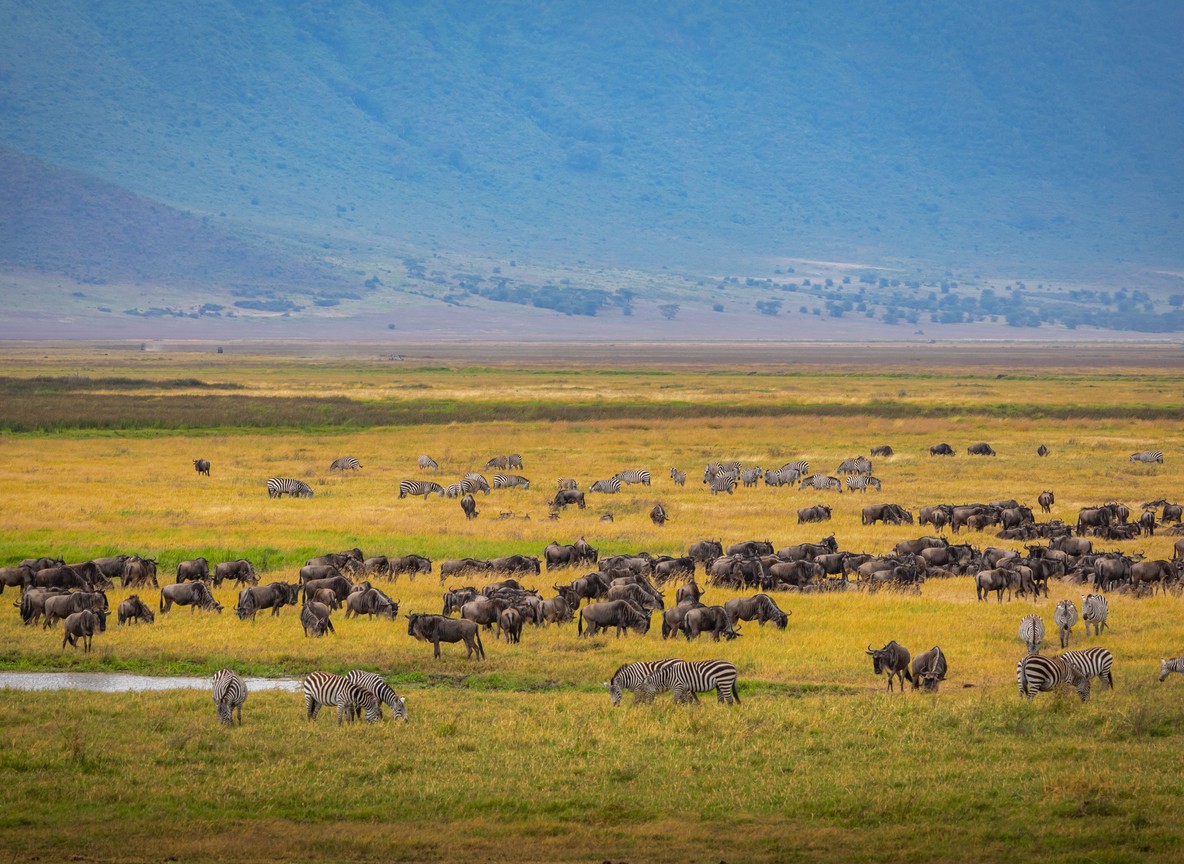
Dr. Joel Meitamei Ole Dapash filed a Notice of Motion on August 8, 2025. He represents the Institute for Maasai Education, Research and Conservation. In the motion, he asked the court for conservatory orders to stop the camp from opening and operating. His petition named Ritz-Carlton, parent company Marriott International, local developer Lazizi Mara Limited, and Kenyan government authorities as respondents. The core claim: the 20-suite camp sits across a wildebeest migration corridor connecting the reserve to Tanzania’s Serengeti. It was built with private plunge pools along the Sand River inside the Maasai Mara National Reserve. Dapash argued the project violated constitutional protections covering environmental conservation, public participation in development decisions, and Maasai cultural heritage.
This was not a fringe complaint filed by an outsider. Dapash’s organization works directly on Maasai land rights and conservation research in the greater Mara ecosystem. That gives the petition a community-conservation framing rather than a purely commercial rivalry. His filing asked the court to weigh a familiar tension in this part of Kenya. High-value tourism development competes against a landscape wildlife has used for far longer than any lodge has existed. That framing is why the case drew attention well beyond Narok County, from conservation groups and travel media alike.
What the Court Actually Ruled
Justice Lucy N. Gacheru issued her ruling on February 26, 2026. She struck out the petition. But she did not rule that the camp is clear of the corridor. She also did not rule that it blocks one. Her decision turned on jurisdiction, not evidence. Kenyan law requires environmental licensing disputes to first go through the National Environment Tribunal. That is a specialist body set up under Section 129 of the Environmental Management and Coordination Act. Section 117 of the Wildlife Conservation and Management Act sets a similar requirement for wildlife-related complaints. Dapash filed directly in court without first taking his case to the tribunal. Because of that, Justice Gacheru held that the court had no jurisdiction to hear it. This is called the doctrine of exhaustion: use the mechanism Parliament created before asking a judge to step in.
Why a Procedural Dismissal Is Not an Environmental Clearance
This is the part most coverage got wrong. A dismissal for prematurity is not a finding that the camp is safe, legal, or free of impact. Justice Gacheru did not evaluate the underlying Environmental Impact Assessment. She did not weigh migration data from wildlife researchers. The judge also did not rule on whether the community consultation process met legal standards. Greenpeace Africa made this point directly after the ruling. The group noted that the court simply determined it was the wrong forum, not that the concerns were wrong. Some outlets ran headlines suggesting the camp had been “cleared of all wrongdoing.” That framing overstates what a jurisdictional dismissal actually settles.
The Sand River Site and the 15-Kilometre Audit Claim
Location sits at the center of the dispute. Dapash’s petition placed the camp inside a corridor used by migrating wildebeest along the Sand River. The court record referenced an environmental audit. It placed the camp more than 15 kilometres from the nearest recognized wildlife migration corridor. That figure came from an audit submitted in the case, not from an independent tribunal review of migration science. On that basis, the judge found no demonstrated illegality and no imminent harm sufficient to justify blocking an already-built property. Whether that 15-kilometre distance holds up against seasonal wildebeest movement data is a technical question. It is exactly the kind the National Environment Tribunal exists to test, and it has not done so yet.
What Happens Next: The National Environment Tribunal Route
The ruling does not close the door on the corridor question. It points toward a specific reopening: a properly filed complaint at the National Environment Tribunal. That body can compel evidence and hear expert testimony on migration patterns. It can also review the original Environmental Impact Assessment on its merits. Nothing in Justice Gacheru’s ruling prevents Dapash, another conservation group, or affected community members from filing there. A separate, later petition targeted a different Mara property, the JW Marriott Masai Mara Safari Camp. It ran into the identical jurisdictional wall months after this ruling. Two petitioners, two properties, and the same procedural lesson: skip the tribunal and a court will send the case back.
Why Migration Corridor Disputes Keep Reaching Kenyan Courts
The Ritz-Carlton case is not an isolated event. Kenya’s Environment and Land Court has heard a string of similar petitions in recent years. High-end camps and lodges keep expanding into areas near the Mara ecosystem’s edges. Development brings jobs, county revenue, and conservancy fees that fund community programs. It also raises legitimate questions about where wildlife can still move freely. More permanent structures keep going up along rivers and escarpments the migration has always used. Kenyan law tries to resolve that tension through a specific process. Environmental licensing review comes first, litigation only after that process runs its course. The recurring problem is that petitioners keep filing in court before finishing that first step. They are often community groups or individual conservationists without large legal teams. Courts then dismiss on jurisdiction, and the underlying ecological question goes unanswered again.
What This Means for Your Masai Mara Trip
For travelers, the practical picture is simple even though the legal one is not. The Ritz-Carlton Masai Mara Safari Camp is open, licensed, and not under any order restricting bookings or operations. No court has ordered construction reversed or the property closed. If you are booking a stay near the eastern Sand River section of the reserve, check the table below. It covers the real numbers worth knowing before you go.
| Detail | Figure |
|---|---|
| Masai Mara Reserve entry fee, non-resident adult | USD 100/day (Jan-Jun 2026), USD 200/day (Jul-Dec 2026) |
| Talek Gate to Nairobi | ~245 km, roughly 5-6 hours by road |
| Sekenani Gate to Nairobi | ~230 km, roughly 5-6 hours by road |
| Nearest airstrip to Sand River camps | Ol Kiombo Airstrip, ~10-20 min transfer |
| Ritz-Carlton Masai Mara Safari Camp | 20 tented suites, private plunge pools, Sand River frontage |
Reserve fees are set by Narok County and can shift again. Confirm the current published rate with your operator or at the gate before travel.
Explorer Notes
Guides who work the Talek and Sand River side of the reserve describe corridor use the same way. It shifts. Wildebeest do not follow a fixed line on a map every year. Rainfall timing, grass condition, and predator pressure all move the herds a little differently from one season to the next. That is why the 15-kilometre audit figure cited in this case will not settle the argument on its own. If you want a straight answer on how animal movement has looked near a specific camp, ask your guide directly. Do not rely on a single court filing or a single press release. Long-tenured drivers on this side of the Mara usually have a clearer read on it. Their view often beats either side of the legal dispute.
Frequently Asked Questions
Did the court rule that the Ritz-Carlton Mara camp does not block a wildlife corridor? No. Justice Gacheru dismissed the case because it was filed in the wrong forum. She did not review or reject the corridor claim on its merits.
Is the Ritz-Carlton Masai Mara Safari Camp still open? Yes. The ruling did not order any closure, construction reversal, or restriction on bookings.
Who filed the lawsuit against the Ritz-Carlton Mara camp? Dr. Joel Meitamei Ole Dapash of the Institute for Maasai Education, Research and Conservation filed the petition in August 2025.
Can the corridor question still be tested in a different forum? Yes. The National Environment Tribunal is the body the court said should hear this kind of dispute first. It was set up under Kenya’s Environmental Management and Coordination Act.
Does this case affect Masai Mara entry fees or gate rules? No. The seasonal fee change to USD 100 or USD 200 per day for non-resident adults is a separate Narok County decision. It is unrelated to this lawsuit.
What to Read Next
- Planning fees into your budget? See our Masai Mara park fees guide for 2026.
- Want the fuller picture on this property? Read our Ritz-Carlton Masai Mara conservation debate breakdown.
- Timing a trip around the herds? Check our guide to the best time for the wildebeest migration.
If the corridor question matters to how you choose a camp, ask about it directly when you plan your route. Visit the Tour Packages page for current Masai Mara itineraries. There you can find operators who can speak to specific camp locations along the Sand River.
Further reading
More safari planning resources
- Wildebeest migration map from SafariPure
- Wildebeest migration route map from Valley Safaris
- Mara River crossing guide on Touring Insights
- Great Migration safari collection on FindMySafari
Related guides: Teen Volunteering in Arusha: The Adult-Companion Rule Explained.