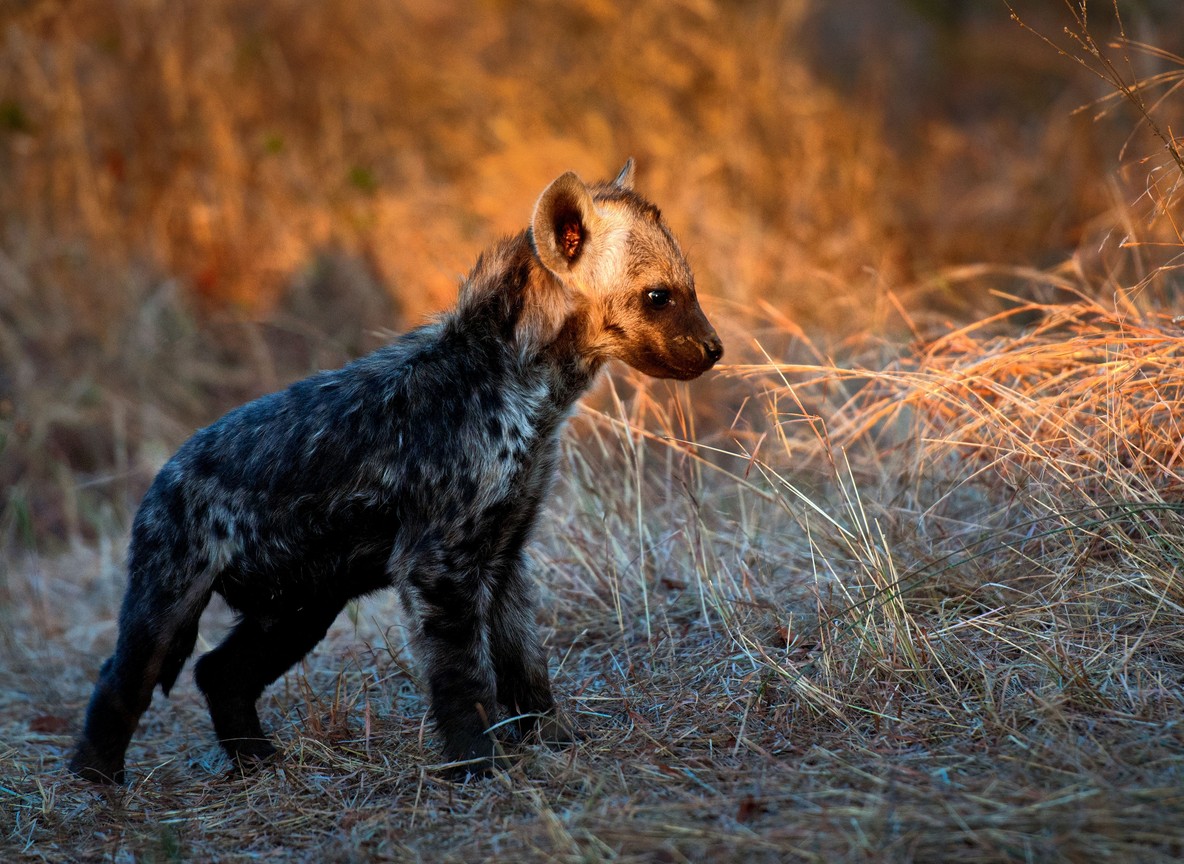
A spotted hyena cub was found alone near the Heritage Hotel-WRTI Gate outside Naivasha on Monday, with no mother and no clan in sight. Kenya Wildlife Service veterinarians from the Rift Valley Mobile Veterinary Unit picked it up. They moved it to the KWS Canine Unit in Naivasha, where it is now getting round-the-clock feeding and monitoring. This orphaned hyena cub kenya rescue is small on its own, but it opens a window into a rescue system most safari travelers never see. Touring Insights walks through what happens after a call like this comes in, and where that pipeline connects to your own trip planning.
KWS used the moment to push back on hyena stereotypes too. Its statement called the species “far more than scavengers.” KWS described them as skilled hunters and nature’s clean-up crew, reducing disease spread and helping keep ecosystems balanced. That framing matters, because how Kenya treats a rescued hyena depends partly on how much the public values the species in the first place.
What Happened Near Naivasha’s Heritage Hotel-WRTI Gate
The cub turned up near the Heritage Hotel-WRTI Gate, a landmark entrance close to the Wildlife Research and Training Institute campus on the edge of Naivasha town. No adult hyenas were nearby when it was found, which is unusual. Spotted hyena mothers rarely leave cubs unattended for long, especially in the first weeks after birth, when cubs cannot yet follow the clan on hunts.
The Rift Valley Mobile Veterinary Unit responded and assessed the cub on site before transport. That unit exists precisely for calls like this. Injured, orphaned, or conflict-affected wildlife turns up across a wide Rift Valley catchment that a single fixed clinic could never cover fast enough.
Why Orphaned Hyena Cubs End Up Alone
Cubs get separated from their clan for several overlapping reasons. A mother can be killed by a vehicle on a road bordering wildlife habitat. She can also be snared by a poacher’s trap set for other species, or driven off by a rival clan during a territory dispute. Cubs can also simply wander from a den while the clan is away hunting and fail to find their way back before dark.
Naivasha’s mix of farmland, lakeshore, and protected pockets like Hell’s Gate National Park creates exactly the fragmented habitat where this happens. Wildlife corridors here cross roads, fence lines, and settlements. A cub separated from its den has little chance of surviving alone for more than a day or two.
Naivasha’s Squeeze: Farms, Lake, and Wildlife Sharing One Corridor
Naivasha sits inside one of the Rift Valley’s busiest working landscapes. Flower farms, fishing communities, hotels, and smallholder plots ring the lake. Wildlife corridors linking Hell’s Gate National Park, Mount Longonot National Park, and the open range beyond run straight through that mix. A hyena clan denning near the escarpment can end up crossing a highway, a farm boundary, and a hotel access road within a single night’s hunt.
That squeeze raises the odds of exactly the kind of separation this cub likely experienced. Kenya Wildlife Service has flagged Naivasha’s human-wildlife interface before, most recently around flooding that displaced lakeshore communities and submerged research infrastructure near WRTI. Denser human activity around a shrinking wild margin means more chances for a cub to lose track of its clan. It also means more calls for the Rift Valley Mobile Veterinary Unit to answer.
Inside the Rescue: Kenya’s Field-to-Facility Pipeline
Kenya’s wildlife rescue system works in stages, moving an animal from the field to short-term stabilization and then to longer-term care. The table below traces the path this cub is following, alongside the comparable pipeline for other rescued species.
| Stage | Facility | Distance/time from Nairobi | Role |
|---|---|---|---|
| Field rescue | Heritage Hotel-WRTI Gate, Naivasha | approx. 90 km, 1.5-2 hrs via A104 | Initial pickup and field assessment |
| Stabilization | KWS Canine Unit, Naivasha | Same Naivasha base | Round-the-clock feeding, treatment, monitoring |
| Long-term rehab (carnivores) | Nairobi Animal Orphanage, Nairobi National Park, Langata Road gate | approx. 90 km, 1.5-2 hrs back to Nairobi | Rehabilitation, permanent housing for non-releasable cases |
| Comparison: elephant/rhino calves | David Sheldrick Wildlife Trust Nursery, adjacent to Nairobi National Park’s main gate | approx. 90 km from Naivasha | Milk-dependent calf rehab, eventual release into Tsavo |
Naivasha’s location matters here. It sits roughly 90 km northwest of Nairobi on the A104 highway, about 1.5 to 2 hours by road. That is close enough for a cub needing specialist care to reach Nairobi facilities within a single day.
What Happens Next: Rehabilitation, Release, or Permanent Care
Most orphaned carnivore cubs that survive the first critical weeks follow one of three paths. Some recover enough to be released back into a suitable protected area once they can hunt and avoid humans. Others move to the Nairobi Animal Orphanage, founded in 1964 at the KWS headquarters gate on Langata Road, for longer rehabilitation before a release decision is made. A smaller number never regain the wild instincts needed to survive alone, and stay in permanent, managed care.
Spotted hyena cubs are unusually dependent on their mothers. They nurse for over a year in wild clans, far longer than most African carnivores. Hunting skill and social rank are also learned within a matriarchal clan structure that a solitary rehabilitation setting cannot fully replicate. That makes early-stage survival, the phase this Naivasha cub is in now, the hardest part of the whole process.
Spotted Hyenas Deserve Better PR
Spotted hyenas hunt roughly 70% of what they eat rather than scavenging it, contrary to the popular image. They live in matriarchal clans of up to 80 animals, organized around a shared den where cubs are raised communally. The Mara-Serengeti ecosystem holds one of the region’s densest hyena populations, with the Serengeti sector alone estimated at 500 to 1,000 animals. IUCN puts the continent-wide spotted hyena population at 27,000 to 47,000 individuals.
Their ecological job is blunt but essential. Hyenas clear carcasses fast, which limits the spread of disease through a shared water hole or grazing ground. A healthy hyena clan is one sign, among several, that a landscape’s larger predator-prey balance is intact.
Where to See Hyenas Legitimately on a Kenya Safari
Travelers curious about hyenas after a story like this one have real options for seeing them in the wild, not just at a rehab facility.
| Location | Distance/time from Nairobi | Indicative entry fee (non-resident) |
|---|---|---|
| Maasai Mara National Reserve (Talek or Sekenani Gate) | approx. 270 km, 5-6 hrs by road, or approx. 45 min flight to Keekorok or Musiara airstrip | indicative $70-200 per day, confirm current rate before travel |
| Ol Pejeta Conservancy, Laikipia | approx. 200 km, 3-4 hrs by road | indicative $85-100 per day |
| Amboseli National Park | approx. 240 km, 4-5 hrs by road, or approx. 45 min flight | indicative $60-90 per day |
| Nairobi Animal Orphanage, Nairobi National Park | approx. 7 km from Nairobi city centre | indicative $22-52 |
All KWS and most conservancy fees are now paid digitally through KWSPay on eCitizen or a conservancy’s own portal. Confirm current rates before you travel, since these figures shift year to year.
Explorer Notes
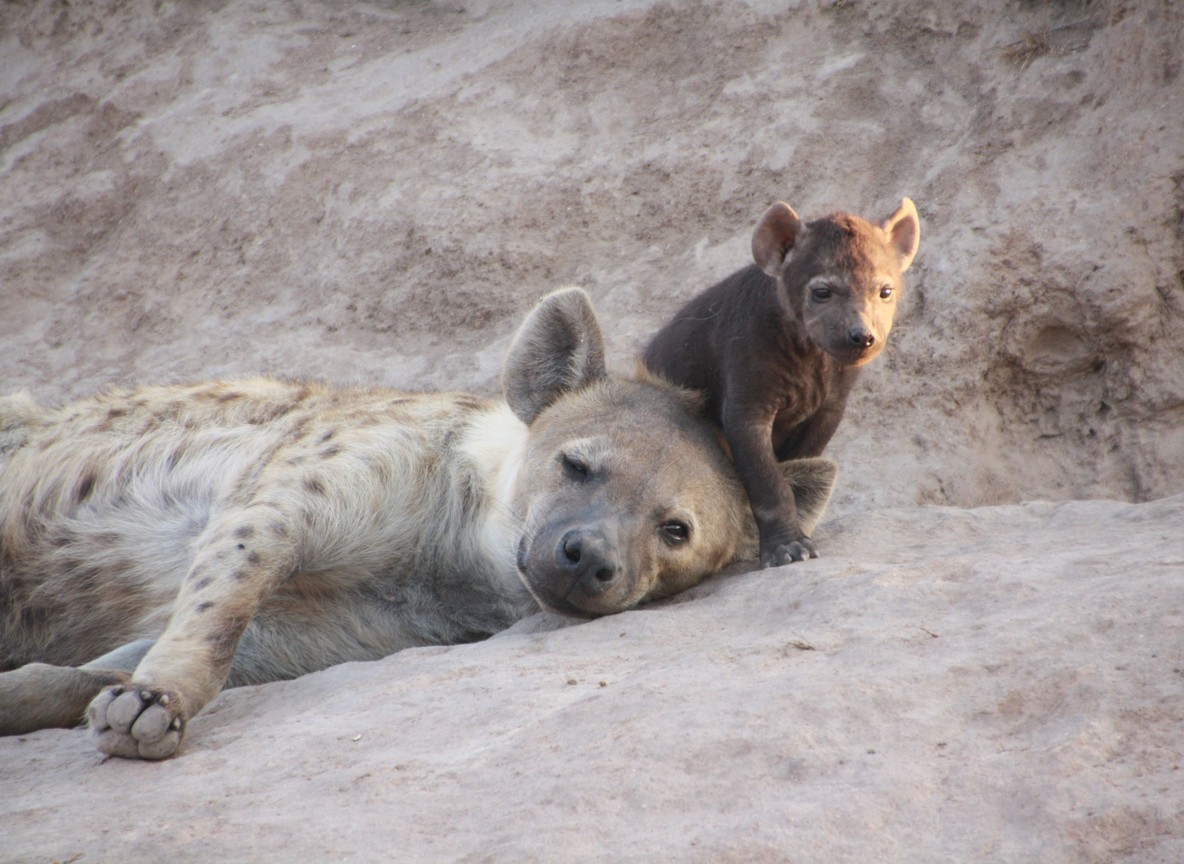
Guides who track hyena clans in the Mara Triangle say dawn and dusk give the best odds. Clans are most active moving between the den and a fresh kill site in those hours. Ask your guide to find an active den rather than just a lone hyena crossing the track. Den sightings show cub behavior, social grooming, and the matriarch hierarchy in action, which tells you far more about the species than a single animal loping past the vehicle. If you visit the Nairobi Animal Orphanage, go early on a weekday. Weekend crowds bunch around the big cat enclosures, and the quieter hyena and jackal sections get overlooked. Staff there are often willing to explain individual animals’ rescue stories if you ask directly.
FAQ
What happens to an orphaned hyena cub rescued by KWS? It goes to a stabilization unit first, in this case the KWS Canine Unit in Naivasha, for round-the-clock feeding and monitoring. Depending on how it recovers, it may later move to the Nairobi Animal Orphanage for longer rehabilitation.
Why was this hyena cub found alone near Naivasha? KWS has not confirmed a specific cause. Common reasons cubs get separated include a mother’s death, clan territory disputes, or a cub wandering from the den while the clan is away hunting.
Do rescued hyena cubs ever return to the wild? Some do, once they can hunt and avoid humans. Others move to permanent care if they cannot regain the skills needed to survive independently, particularly if the separation happened very young.
Where can I see hyenas on a Kenya safari without visiting a rescue center? The Maasai Mara National Reserve, Ol Pejeta Conservancy, and Amboseli National Park all have resident hyena clans and offer far better odds of an active den sighting than the roadside.
Are hyenas dangerous to encounter on safari? Wild hyenas generally avoid humans and vehicles. Guides manage sightings at a safe distance, and no additional permit beyond the standard park or conservancy entry fee is required to view them.
This Naivasha cub’s outcome will not make headlines either way. Most rescue stories end quietly, in a stabilization pen rather than a press release. If a Mara Triangle den search, an Ol Pejeta conservancy stay, or a Nairobi Animal Orphanage stop fits your itinerary, visit our Tour Packages page. Or ask a partner operator to build one of these stops into your Rift Valley or Mara leg.