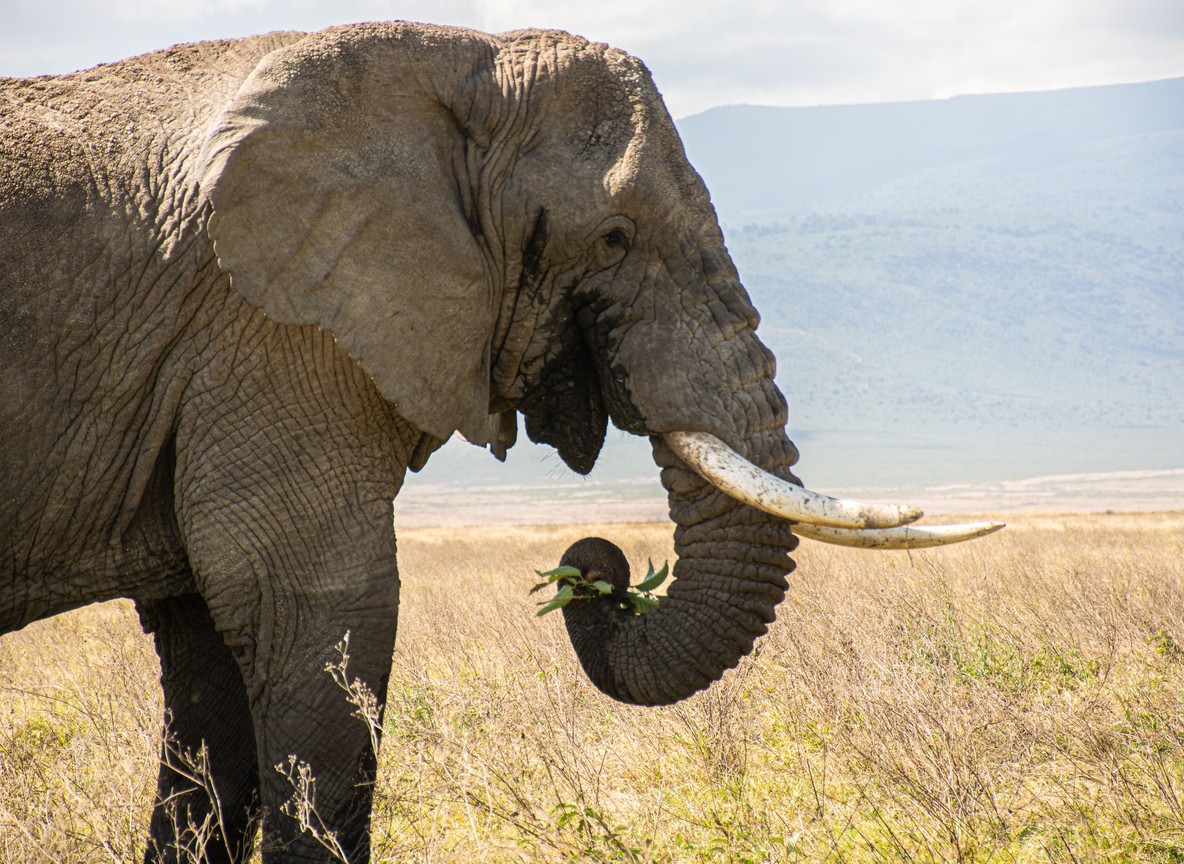
A herd walking through a school compound at night sounds like a rare event. Around Amboseli it is not. Elephants move between the park and the surrounding group ranches after dark. They follow old routes that now cross fields, water points, and classrooms. Solar-powered elephant fences are one of the more practical answers communities and conservation groups have found. They are changing how safe children feel walking to class. This guide covers how the fences work and where they sit in the Amboseli ecosystem. It also covers what travelers should know about the human-wildlife conflict story behind the postcard views.
The Problem: Elephants, Schools, and Night Raids
Amboseli National Park covers about 392 km². It is a modest core surrounded by a much larger ecosystem of group ranches and conservancies, including Kuku, Mbirikani, Eselenkei, and Kimana. Elephants do not recognize the park boundary. They range far beyond it, especially in the dry season. That is when they follow ancient corridors toward the swamps fed by underground rivers off Kilimanjaro.
Those corridors often run straight through settled land. Schools built near these routes report elephants pushing through fences, damaging water tanks, and trampling kitchen gardens overnight. Night raids near a compound are frightening for boarding students and staff. Repeated incidents have in the past forced some schools to shorten hours or add night guards families cannot always afford. Conservation groups working in the ecosystem, including WWF-Kenya and community-based partners, identified schools as a priority site for conflict mitigation. The safety risk touches children directly, not just crops or livestock.
How Solar Elephant Fences Work
The fences are simple by design. A single or double strand of galvanized wire runs around the school perimeter, mounted on wooden or metal posts roughly a meter apart. Solar panels charge a battery through the day. The battery then powers an energizer unit that sends a short, sharp pulse through the wire, typically every second or two. That shock is unpleasant enough to turn an elephant away without causing lasting harm. It also needs no connection to the grid, which matters in areas far from power lines.
Maintenance is the real test of whether a fence keeps working. Vegetation touching the wire drains the charge, so schools need someone checking the line regularly. That person clears grass and confirms the battery holds charge through cloudy stretches. Community scouts and school groundskeepers usually take on this role, often with basic training from the installing organization.
Design choices vary by site. Some schools get a single strand at trunk height, enough to turn away an adult elephant testing the perimeter. Others, especially compounds with a history of repeated raids, get a double-strand layout with wire set both low and high. Young elephants sometimes duck under a single line that stops adults. The extra wire adds cost and upkeep, so installers weigh that against how much conflict data a school has generated over recent seasons.
Where These Fences Are Going In
Installations cluster around schools sitting closest to elephant corridors. Most of this activity sits on the northern and eastern edges of the Amboseli ecosystem, in areas including Kimana, Isinet, Namelok, and parts of the Kuku and Mbirikani group ranches. These are the same communities that host conservancies travelers may already recognize, such as Kimana Sanctuary and Kitirua Conservancy. Both sit on wildlife dispersal areas bordering the park.
Placement follows conflict data rather than convenience. Organizations working with KWS and local conservancy scouts track which schools report the most frequent night incidents. They prioritize those first, since funding for fencing materials, energizers, and training is limited relative to the number of schools that could use one.
Solar Fences by the Numbers
| Detail | Figure |
|---|---|
| Amboseli National Park size | About 392 km² |
| Wider ecosystem (park plus group ranches/conservancies) | Several thousand km², spanning Kuku, Mbirikani, Eselenkei, and Kimana group ranches |
| Distance Nairobi to Amboseli main gate | About 240 km via Namanga road |
| Drive time Nairobi to Amboseli | Roughly 4 hours by road |
| Flight time Nairobi (Wilson Airport) to Amboseli airstrip | About 45 minutes |
| Amboseli park entry fee | Indicative USD 60 per adult non-resident per 24 hours |
| Typical solar energizer fence voltage | Indicative 6,000-9,000 volts pulsed, low-amperage, non-lethal |
| Community conservancy access fee (e.g. Kimana Sanctuary) | Indicative USD 20-30 per person, confirm locally |
Figures above are indicative planning numbers gathered from park and conservancy fee schedules and general solar-fence specifications. Confirm current park fees with KWS and conservancy fees directly before booking, since both change with policy updates.
Solar Fence vs Other Human-Elephant Conflict Tools
Schools and farms around Amboseli use more than one method to keep elephants out. Here is how the main options compare.
| Method | How It Works | Rough Setup Cost (indicative) | Maintenance Needed | Best Suited For |
|---|---|---|---|---|
| Solar electric fence | Low-voltage pulsed shock on wire perimeter | Moderate, materials plus energizer | Regular vegetation clearing, battery checks | Schools, homesteads, small farms |
| Beehive fence | Hanging hives connected by wire; elephants avoid bee stings | Moderate, hive and post materials | Beekeeping upkeep, hive replacement | Farm boundaries, added honey income |
| Chili-rope or chili-brick fence | Rope or bricks coated in chili oil deter elephants by smell | Low | Frequent reapplication of chili mix | Small plots, short-term use |
| Traditional thorn-branch boma | Cut branches piled around a compound | Low | Constant rebuilding, weak deterrent alone | Livestock bomas, temporary cover |
| Stone or concrete wall | Solid physical barrier | High | Low once built, but expensive upfront | Permanent structures with budget |
Cost figures are broad, labelled ranges for planning context, not fixed quotes. Actual costs depend on fence length, terrain, and whether labor is paid or community-contributed.
What This Means for Safari Travelers
None of this changes a standard Amboseli itinerary, but it explains something visitors often notice on the drive in. Fence lines around schools and homesteads near the park boundary are not decorative. They are working infrastructure. Many were funded partly through conservation fees and tourism revenue that flows back into the ecosystem. Guides based in Kimana or Mbirikani can usually point out a school fence and explain the corridor it protects. That context adds real value to a game drive that would otherwise stay focused only on the park itself.
Travelers who want to see this work directly can ask lodges and camps near Kimana, Eselenkei, or Kitirua whether they support school or conservancy fencing projects. Several conservancy fees already channel guest spending toward exactly this kind of community infrastructure. Understanding where the money goes is part of planning an informed trip.
It also reframes what a “conservation fee” line item on a booking actually buys. A fee paid at a conservancy gate is rarely just park upkeep. In ecosystems like Amboseli, that revenue can fund ranger patrols, water points for wildlife away from farmland, and the kind of fencing covered here. Asking a lodge manager or guide how local fees are allocated is a fair question. Most can answer it in specific terms rather than vague marketing language.
Explorer Notes
A few things are worth knowing beyond the drive-by view. First, ask your guide about corridor pressure on the eastern side of the ecosystem near Kimana and Isinet. That is where most recent fencing activity has concentrated. Second, visit during the dry season, roughly June through October, and expect more reports of elephants near settled areas. That is when herds range furthest from the swamps in search of forage. Third, some conservancies welcome short visits to community projects, including school fence sites, as an add-on to a standard game drive. Ask well before your trip, since these visits need coordination with the school and are not a standard stop.
Frequently Asked Questions
What is a solar elephant fence? A low-voltage electric fence powered by a solar panel and battery, built to give elephants an unpleasant but non-lethal shock so they avoid crossing into a protected area such as a school compound.
Why are schools near Amboseli a priority for fencing? Several schools sit close to elephant corridors linking Amboseli National Park to surrounding group ranches, and night raids on compounds pose a direct safety risk to boarding students and staff.
Do solar fences harm elephants? No. The pulse is designed to be sharp and startling but not injurious, similar in principle to livestock electric fencing used worldwide.
How far is Amboseli from Nairobi? About 240 km by road, roughly a 4-hour drive via Namanga, or about 45 minutes by scheduled flight from Wilson Airport to Amboseli airstrip.
Can visitors see these fences on a normal safari? Yes, fence lines are visible around several schools and homesteads near the park boundary, particularly around Kimana, Mbirikani, and Eselenkei. Ask your guide for context on the specific corridor involved.
Curious how conservancy fees around Amboseli support projects like this one? Visit our Tour Packages page to compare stays near Kimana and Kitirua, or ask a partner operator which community conservancies channel guest fees directly into local fencing and school safety work.
What to Read Next
- Planning your park budget? See our Amboseli park fees guide.
- Weighing where to stay near the action? Check our Amboseli camps near Kimana Gate guide.
- Curious how conservancy stays differ from park lodges? Read our community conservancy vs park lodge near Amboseli guide.
Further reading
More safari planning resources
- Map of Amboseli from Valley Safaris
- Amboseli National Park guide on Touring Insights
- Amboseli destination guide on FindMySafari
- Nairobi to Maasai Mara route guide from Valley Safaris
Related guides: Best Amboseli Lodges for Elephant Sightings.