Matira Camp occupies one of the more distinctive positions in the Masai Mara National Reserve — the junction where the Mara River and the Talek River meet. This confluence point is not just a scenic feature. It is a permanent water source that draws wildlife year-round, and during the Great Migration, it sits in one of the most active wildlife corridors in the ecosystem.
Location and Setting
The camp sits at the meeting point of the Mara and Talek Rivers, in the main Masai Mara National Reserve rather than in a private conservancy. This position has specific implications for travellers choosing between it and conservancy-based alternatives.
Inside the national reserve, game drives operate on designated tracks and vehicle numbers at sightings are not capped by conservancy rules. During peak migration season, this means you will share popular sightings with other vehicles. The trade-off is that the reserve’s wildlife density — particularly along the river systems — is among the highest in the Mara ecosystem.
The rivers themselves are the location’s defining feature. The Mara and Talek both support large hippo populations, Nile crocodile, and the resident fish-eating birds — kingfishers, herons, fish eagles — that draw wildlife photographers. During the wildebeest migration from July through October, the Mara River crossings happen upstream and downstream of the camp, and the sounds of the river and the movement of herds can be experienced from camp.
Camp Character and Accommodation Style
Matira Camp operates as a tented camp rather than a permanent lodge, with canvas accommodation that fits the classic safari aesthetic of the Masai Mara. Tented camps in this position in the reserve typically offer simple but functional accommodation: en-suite bathrooms, beds sized for two, and a shared dining and lounge area where meals follow the game drive schedule.
The camp’s size — typically modest in guest capacity — means the communal atmosphere is relatively intimate. Meals are structured around early departures and late returns, with bush breakfast options available for full-day game drive routes.
The rivers position the camp within earshot of hippo calls at night, which is both a genuine wildlife experience and something worth knowing about before booking if you are a light sleeper.
Wildlife Access from This Position
The junction position gives Matira Camp useful access to both river systems. Game drives can follow the Mara River corridor westward toward the main crossing points, or move east along the Talek River into areas that see good predator activity throughout the year.
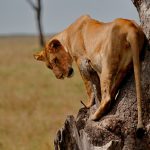
Along the Mara River: Lion prides that cover the river territories are encountered regularly. During migration season, wildebeest herds mass on the banks above and below the junction. Crocodile numbers at the confluence itself are high year-round.
Along the Talek River: The Talek is a quieter river than the Mara, with more riverine forest and dense bush that suits leopard activity. Elephants use the Talek corridor consistently. The Talek Gate — the reserve’s eastern entry point — is accessible from this direction.
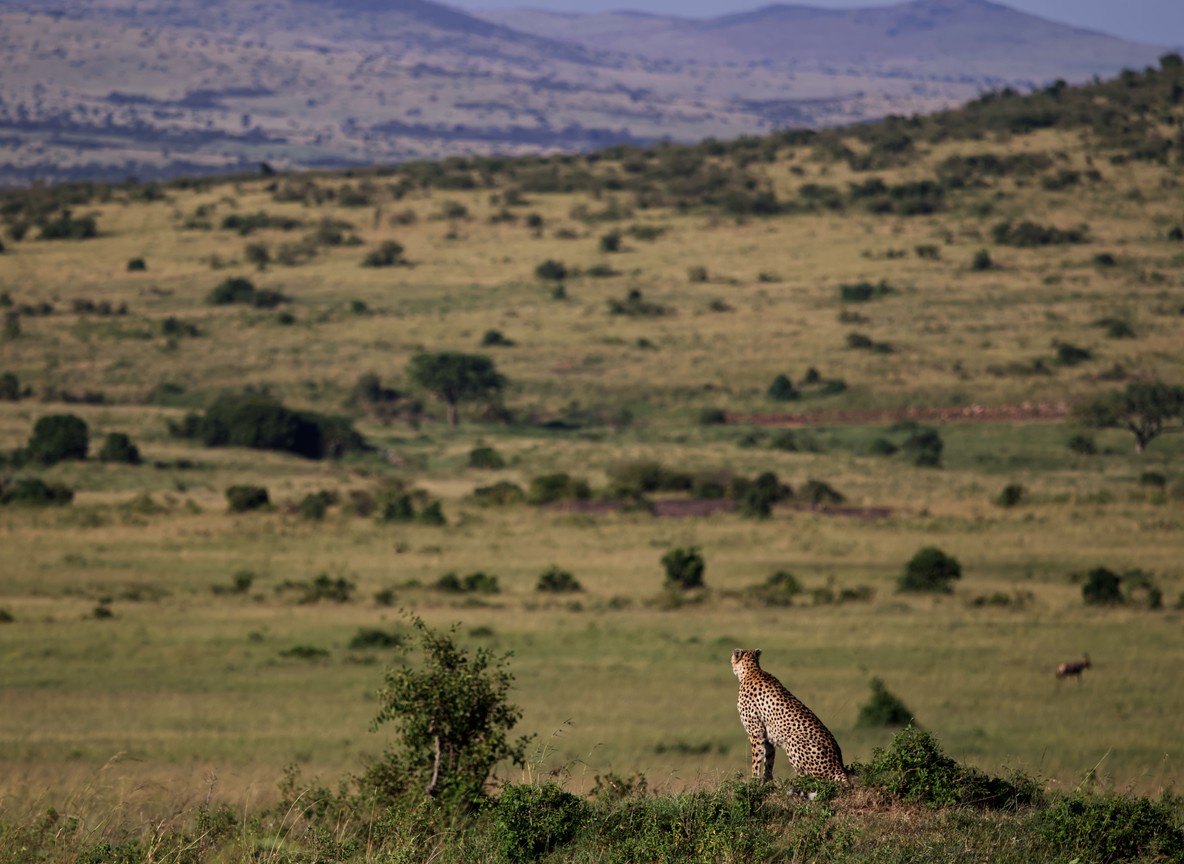
Open plains: Both rivers corridor back to open savannah grassland that covers the main reserve. Cheetah, topi, impala, zebra, and the seasonal presence of wildebeest are standard on drives away from the rivers.
Activities Available
Within the Masai Mara National Reserve, activities follow KWS regulations:
Game drives: The primary activity, available morning and afternoon. Full-day drives covering both river corridors and the open plains are the most productive for variety. The camp’s position allows access to the Mara Triangle (western side of the reserve, requiring crossing the river) by driving to a crossing point.
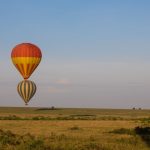
Balloon safaris: Hot-air balloon flights over the Mara operate from several launch points and provide a dawn perspective of the migration herds from above. These need to be booked in advance and are usually arranged through your camp.
Night drives and bush walks: These are not permitted within the national reserve. Travellers who want night drives or walking safaris need to stay in one of the private conservancies surrounding the reserve, where such activities are allowed under conservancy rules.
Seasons and Timing
The Matira Camp position is most directly relevant to the migration season, July through October. During this period, the Mara River crossing events — where wildebeest surge through the river between Tanzania and Kenya — happen within driving range of the camp, sometimes within direct view.
Outside the migration season:
- January to February: Resident wildlife, including predators, is active and reliable. Visitor numbers are lower.
- March to May: Long rains. Some tracks can become inaccessible. Lower rates.
- June: Migration building; good predator activity; tracks drying from the long rains.
- November: Short rains, reduced visitor pressure, migration departed southward.
- December: Short rains easing; festive season demand rising.
Who Matira Camp Suits
The camp’s position in the main reserve rather than a private conservancy defines who it works best for.
It suits travellers who want direct access to the Mara River for migration season, particularly those visiting in July through September when the crossing events are the main draw. The rivers junction position maximises proximity to crossing sites without requiring a conservancy surcharge.
It is less suited to travellers who prioritise:
- Night drives or guided bush walks (not permitted in the national reserve)
- Sightings with very few other vehicles
- Off-road driving (restricted in the reserve to designated tracks)
Travellers with those priorities should consider conservancy-based camps in Olare Motorogi, Mara North, Naboisho, or Ol Kinyei — where exclusive activities and vehicle limits apply.
Practical Details
Getting there: Matira Camp is accessible by road from Nairobi (approximately 5-6 hours via the Narok road) or by scheduled bush flight to the Mara airstrips (Keekorok or Ol Kiombo are the closest to the eastern reserve). The nearest gate for road access from Nairobi is Sekenani Gate or Talek Gate.
Park fees: Non-resident park fees for the Masai Mara National Reserve apply and are paid at the gate. Rates vary seasonally — check current KWS and Narok County rates before travel, as fee structures were updated in 2026.
Combining with conservancy camps: Many travellers split a Mara itinerary between a national reserve camp like Matira and a conservancy camp, combining river proximity for migration with the exclusive activities available in the conservancy zones.
Prefer a different route, budget, or travel style? This plan can be adapted to fit.
Customise Your Trip