First-time visitors to Kenya often assume the Masai Mara and the Great Rift Valley are separate trips entirely. They are not. The Mara sits inside the Rift Valley system, but the two names point to very different days out. One means open savanna and predator sightings. The other means volcanic lakes, flamingos, and an escarpment view that drops away beneath your feet.
If you have limited days and are choosing where to start, the decision comes down to timing and distance. It also comes down to what you actually want to see first. This guide breaks down both, with real numbers, so you can plan the order that fits your trip.
Masai Mara vs the Great Rift Valley: What’s Actually Different
The Great Rift Valley is a geological feature, a long fracture in the earth’s crust. It runs roughly north to south through Kenya, holding a lake chain: Naivasha, Nakuru, Elementaita, Bogoria, and Baringo. The Masai Mara National Reserve sits within this same rift system, in Kenya’s southwest, bordering Tanzania’s Serengeti.
Practically, that means a Rift Valley lakes trip and a Masai Mara safari deliver different content for your camera. The lakes region is about birdlife, boat rides, and dramatic escarpment views close to Nairobi. By contrast, the Mara is about big-cat sightings, wildebeest herds, and wide-open plains further from the capital. Neither replaces the other, which is why so many travelers eventually do both.
Best Time to Visit the Rift Valley Lakes in Kenya
The best time Rift Valley Kenya travelers should target is the dry season, from late June through October. A second, shorter window opens in January and February. Roads around Lake Nakuru and Lake Naivasha stay firmer, and skies are clearer for photography and boat trips.
Bird numbers at the lakes shift year to year with water levels. These levels have risen at several Rift Valley lakes over the past decade. Nakuru has trended toward fresher water. This shift has pushed some of its famous flamingo flocks toward Lake Bogoria and Lake Elementaita in recent seasons. If flamingos are the main draw, ask your camp or driver which lake is holding the largest flocks that month. Confirm before you commit to one stop.
April and May bring Kenya’s long rains. Lake trails get muddy and some viewpoints along the escarpment cloud over. The upside is that the landscape is at its greenest during these months.
Best Time to Visit the Masai Mara for Wildlife
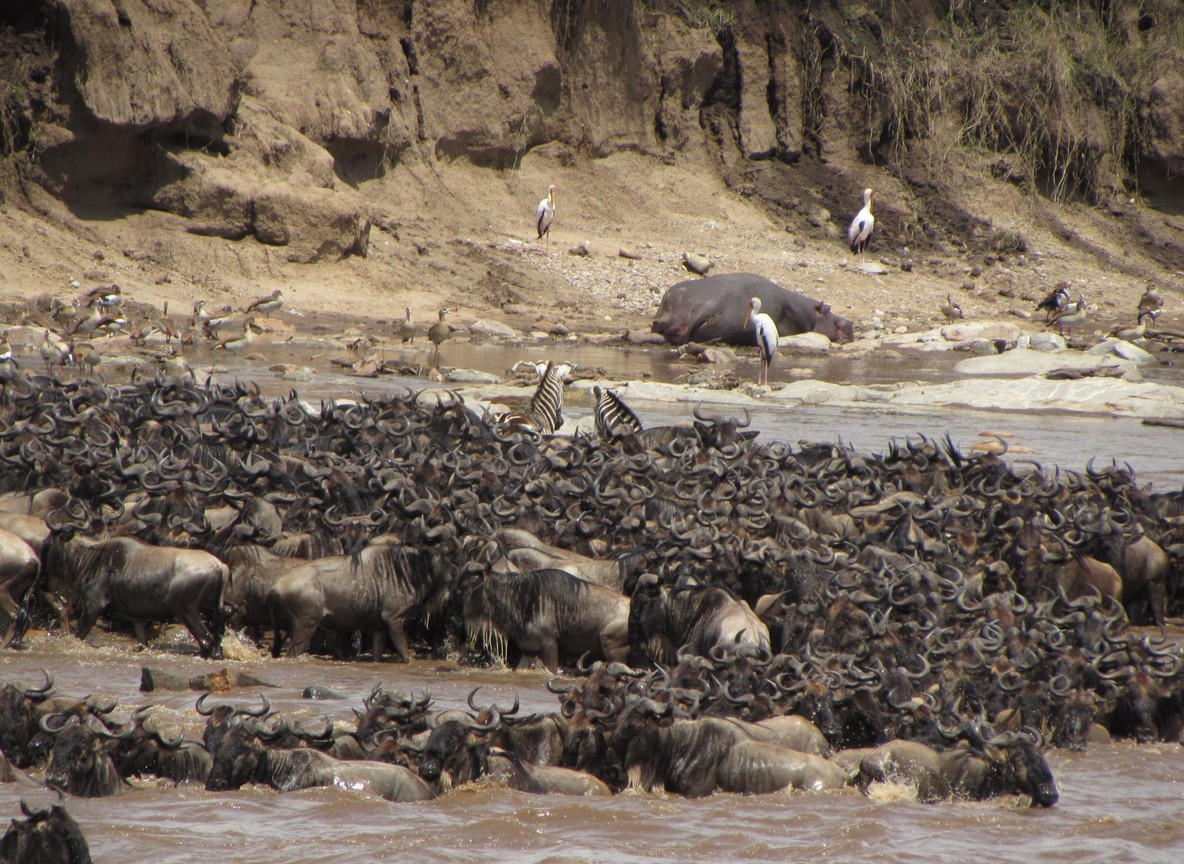
The Masai Mara runs on a different calendar. July through October is peak season, driven by the wildebeest migration’s river crossings at the Mara River. Popular crossing points include Lookout Hill and the Mara Triangle. Herds gather in huge numbers and predator activity picks up around the crossings.
January and February offer a quieter, shorter dry spell with good general game viewing and lower rates. The migration herds are usually further south in Tanzania’s Serengeti at that time. April and May are the low season across the Mara. Prices drop, but there is a real chance of rained-out game drives.
How Far Apart Are They? Distances and Drive Times
Both regions are reachable from Nairobi, but not from each other quickly. The table below covers the routes that matter most for sequencing a trip.
| Route | Distance | Typical Time | Mode |
|---|---|---|---|
| Nairobi to Lake Naivasha | 90 km | About 1.5 hours | Road (A104) |
| Nairobi to Lake Nakuru National Park (Nakuru Gate) | 160 km | 2.5-3 hours | Road (A104) |
| Great Rift Valley viewpoint near Mai Mahiu | 60 km | About 1 hour | Road (A104) |
| Nairobi (Wilson Airport) to Masai Mara airstrips | 250 km | 45 minutes | Air (Safarilink, AirKenya) |
| Nairobi to Masai Mara (Sekenani Gate) | 270 km | 5-6 hours | Road, partly unpaved past Narok |
| Lake Nakuru to Masai Mara (Sekenani Gate) | Roughly 270 km | 5-6 hours | Road via Narok |
The road link between the lakes and the Mara is the long stretch. Most itineraries fly between them instead. Others treat the Rift Valley lakes as a Nairobi-adjacent add-on rather than a midway stop.
What You’ll See in Each: Wildlife, Scenery, and Activities
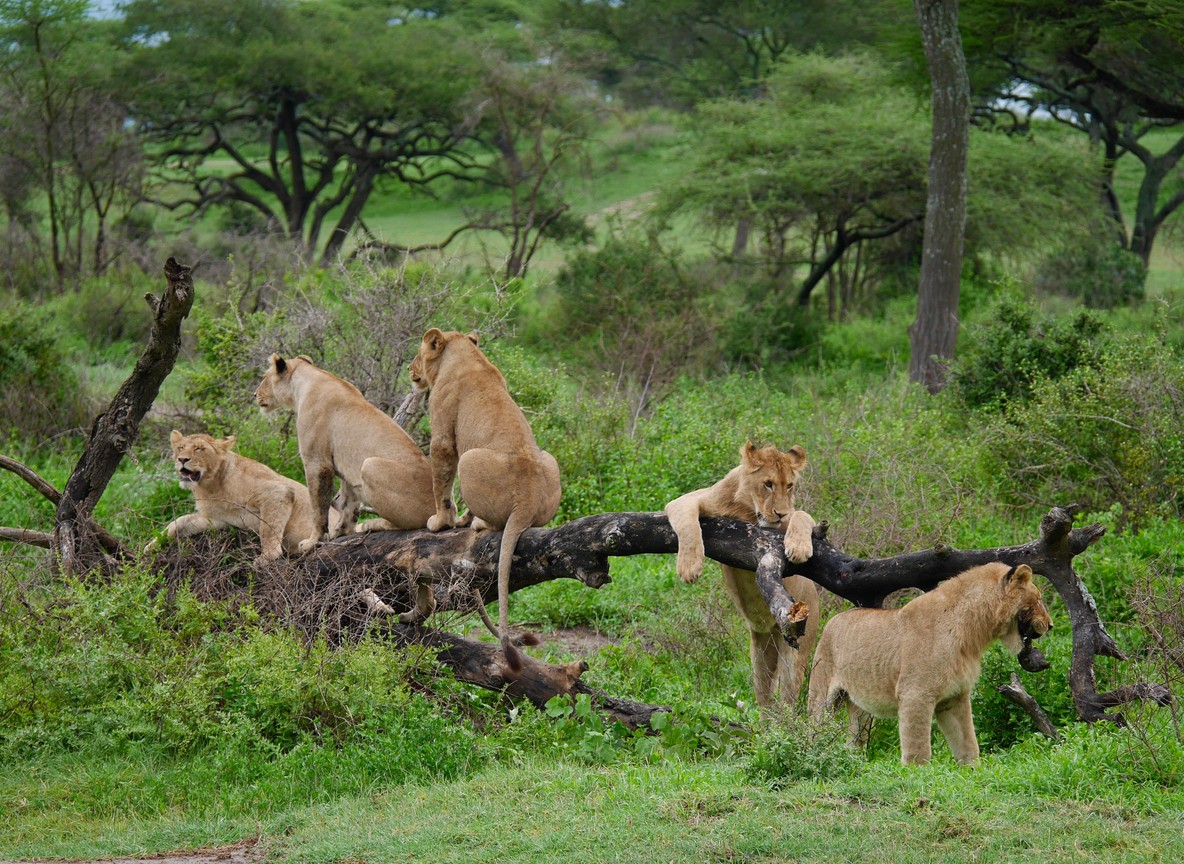
The Masai Mara is built around Big Five viewing, with lion, leopard, elephant, buffalo, and rhino all present. Wildebeest and zebra migration herds join from July onward. Activities center on game drives. Hot-air balloon flights and guided walks are available at select camps and conservancies bordering the reserve.
The Rift Valley lakes trade big cats for a different kind of wildlife. Lake Nakuru National Park is fenced and holds both black and white rhino alongside its birdlife. That combination makes it one of the few places in Kenya to pair a rhino sighting with a lake landscape. Lake Naivasha adds boat rides among hippos and fish eagles. Nearby Hell’s Gate National Park offers walking and cycling, known for its towering rock formations and gorge trail. The Rift Valley escarpment viewpoints sit along the road between Nairobi and Naivasha. They give a dramatic look down into the valley floor that the flat Mara plains cannot match.
Costs and Park Fees Compared
Park fees differ meaningfully between the two regions, and it is worth budgeting for both if your itinerary includes each.
| Park or Reserve | Non-Resident Daily Fee | Notes |
|---|---|---|
| Masai Mara National Reserve | $100/day (Jan-Jun), $200/day (Jul-Dec) | Ticket valid for a single 12-hour day, not 24 hours |
| Mara Triangle (Mara Conservancy) | Same band as the reserve | Separately managed western sector of the Mara |
| Lake Nakuru National Park | $90/day | Non-resident adult, KWS-managed |
Lake Naivasha itself has no single park entry fee. The lake and its shoreline lodges sit outside a gazetted park boundary. Boat rides and Hell’s Gate entry are booked and paid separately. Ask your camp for current rates before you arrive.
Which Should You Visit First on a Kenya Trip?
For most first-time visitors, the Rift Valley lakes work well as a gentle opening two or three days. They sit close to Nairobi and ease you into Kenyan road travel. Strong wildlife and scenery come without the long transfer the Mara requires. Landing jet-lagged and driving straight into a five-hour Mara transfer is a rough start for many travelers.
If wildlife density and the migration are the priority and your trip window is short, lead with the Mara instead. Treat the lakes as a shorter stop on the way back toward Nairobi. Or skip them if days are truly limited. There is no wrong order. It comes down to whether you would rather ease into Kenya or front-load the highlight.
Can You Combine Both in One Itinerary?
Yes, and it is a common route. A typical combined trip runs Nairobi to Lake Naivasha or Lake Nakuru for one or two nights. From there it’s back through Nairobi, then a flight to a Masai Mara airstrip for three or four nights. Flying the Nairobi-to-Mara leg avoids the long road transfer and protects game-drive time once you arrive.
Travelers with more flexibility sometimes drive the full loop. It runs Nairobi to Naivasha, on to Nakuru, then south to the Mara by road via Narok. From there, they fly back to Nairobi. That route covers more ground but adds a full day of driving compared with the fly-in option.
Explorer Notes
A few things that don’t show up on a map. The Mai Mahiu viewpoint on the road out of Nairobi gets crowded with tour vehicles by mid-morning. An early departure gets you a clearer view and less waiting for a photo spot. Approaching from the south? Ask your driver to enter Lake Nakuru through Nderit Gate rather than the main Nakuru Town gate. It usually means a shorter queue.
In the Mara, camps inside private conservancies bordering the main reserve include Naboisho and Olare Motorogi. These camps run their own separate conservancy fees on top of any reserve-side costs. They often permit night drives and off-road tracking, activities the reserve itself does not permit. If night game drives matter to your trip, ask about them when you book. This changes which side of the Mara makes sense for your stay.
What to Read Next
- Planning your Mara dates? See our best time to visit Masai Mara month-by-month guide.
- Choosing between the Rift Valley lakes themselves? Read Lake Nakuru vs Lake Naivasha: which Rift Valley lake should you visit.
- New to the reserve itself? Start with our Maasai Mara National Reserve guide.
FAQ
What is the best time Rift Valley Kenya travelers should plan around? Late June through October is the most reliable window, with a shorter secondary dry spell in January and February. Roads are firmer and lake-view days are clearer than during the April-May rains.
Is the Masai Mara part of the Great Rift Valley? Yes. The Masai Mara National Reserve sits within the Rift Valley system, in southwestern Kenya near the Tanzania border. It looks and functions very differently from the lake-studded central Rift Valley, though.
How far is it from the Rift Valley lakes to the Masai Mara? Roughly 270 km by road from Lake Nakuru to the Mara’s Sekenani Gate. The drive takes about 5-6 hours, including the stretch via Narok. Most travelers fly the Nairobi-to-Mara leg instead of driving the full distance.
Can I visit the Rift Valley lakes and the Masai Mara on the same trip? Yes, this is a common combined itinerary. A typical version spends one or two nights at Lake Naivasha or Lake Nakuru, then returns through Nairobi. From there it flies to a Masai Mara airstrip for the main safari days.
Do the Rift Valley lakes and the Masai Mara charge separate park fees? Yes. Lake Nakuru National Park charges non-resident adults $90 per day. The Masai Mara National Reserve charges $100 per day from January to June and $200 per day from July to December. Lake Naivasha itself has no single gazetted park fee.
Once you have settled on an order, the next step is matching it to actual camps and travel dates. Visit our Tour Packages page to compare itineraries that combine the Rift Valley lakes with a Masai Mara safari. Or see Valley Safaris’ Rift Valley lakes map for a closer look at the route.