Mara Maisha Camp sits 4.5 kilometres from Talek Gate in the Masai Mara Game Reserve. That specific position has practical implications for how each day of a safari runs from this base. Understanding what near-gate positioning means, in concrete terms, helps you decide whether Mara Maisha Camp is the right fit for your itinerary.
Location: Near Talek Gate and What It Gives You
The Near-Gate Advantage
Talek Gate is one of the eastern entry points into the Masai Mara National Reserve. A camp positioned 4.5 kilometres from the gate sits just inside or immediately adjacent to the reserve boundary, which means two things in practice.
First, the road transfer time from Nairobi is not extended by a long internal drive after gate entry. For guests arriving by road, clearing the gate and reaching camp is a short, simple process.
Second, for game drives, being close to the gate means guides can reposition to different circuits quickly. The eastern Masai Mara covers a large area from the Talek corridor in the north to the open plains in the south, and a well-positioned camp near the gate is a reasonable base for reaching multiple zone types without excessive dead driving.
Official reserve information is available from the Kenya Wildlife Service.
What Near-Gate Positioning Does Not Provide
A camp near Talek Gate is not the same as a camp deep inside the reserve near the Mara River or the open migration plains. If your primary wildlife goals involve being near the main wildebeest crossing points on the Mara River, or accessing the open Musiara and Bila Shaka circuits in the central and northern reserve, a near-gate camp requires longer morning drives to reach those zones.
This is not a disqualifying factor. It is a logistics variable worth understanding.
Practical Comfort and Booking Questions
What to Verify Before Committing
The practical camp details that most affect daily experience are consistent across Masai Mara properties at every price point:
- Room type and sleeping configuration: what is available for your group size?
- Hot water supply: is it solar-heated and available at set times, or continuous?
- Power and charging: most camps have limited generator hours
- Meals: what is included, and are bush breakfasts or packed lunches part of the standard program?
- Park fees: are gate entry fees bundled into the accommodation rate or charged separately?
Getting these confirmed in writing before payment removes the possibility of mismatched expectations once you are in the field.
Camp Category and What to Expect
Mara Maisha Camp is positioned within the standard to mid-range tier of Masai Mara accommodation. At this level, guests can reasonably expect clean, comfortable tented accommodation, meals organized around the game drive schedule, and a guide who knows the reserve circuits.
What mid-range camps typically do not provide is the very high staff-to-guest ratio, bespoke dining, or chef-quality cuisine of the luxury conservancy tier. The trade-off is significantly lower nightly rates for a wildlife experience that, with the right guide, competes meaningfully with more expensive options.
Wildlife Access and Game-Drive Planning
Eastern Reserve Game Circuits
From a near-Talek Gate position, morning game drive circuits typically work the eastern and central sections of the reserve. Key zones accessible from this base:
- The Talek River woodland corridor, which holds resident leopards and smaller predators year-round
- Open grassland plains to the south and west, productive for cheetah and lion sightings
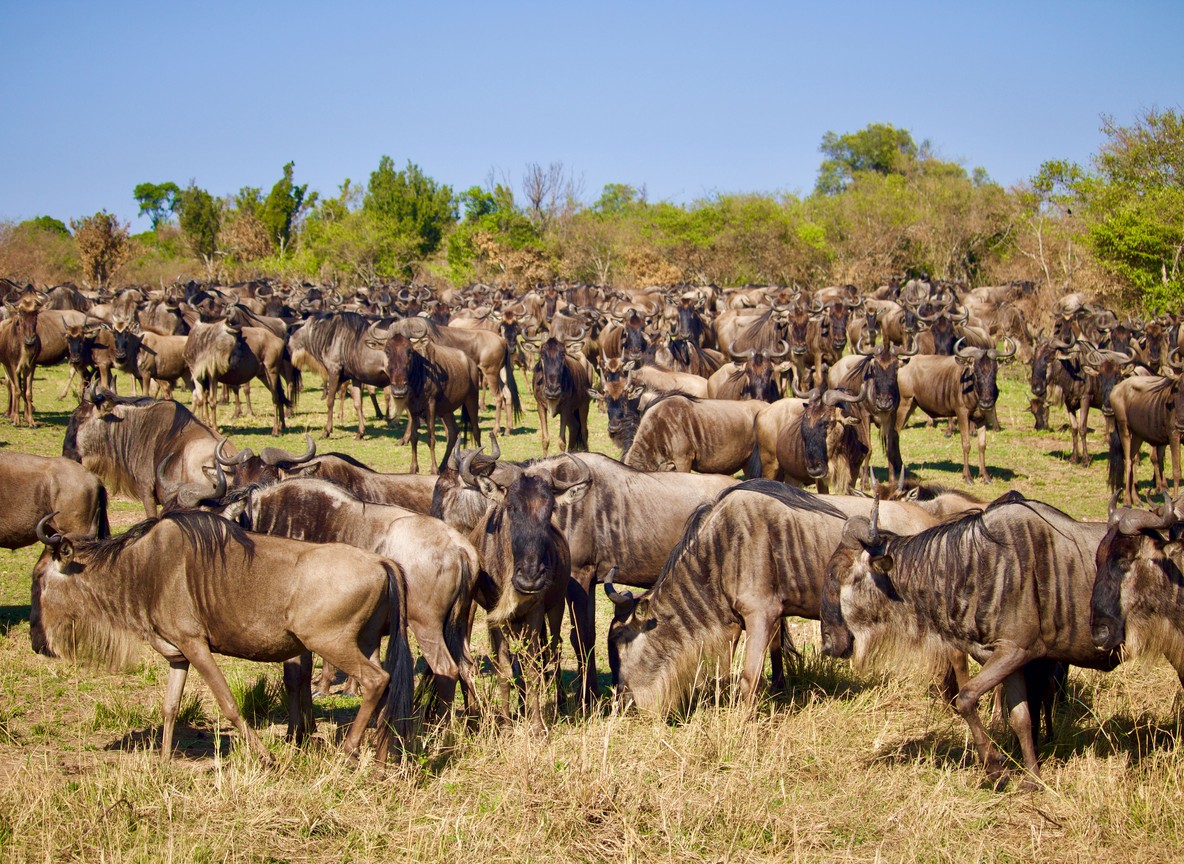
- The migration herd routes during July through October, though reaching the main Mara River crossing points requires a longer drive
Guides operating in this area use radio contact with other vehicles in the field to track active predators, recent kills, and unusual wildlife activity across a wide circuit.
Seasonal Adjustment
July through October is migration season and the busiest period. Vehicle numbers in the eastern reserve can be substantial near active crossings or kill sites. In green season (January, February) and the quieter months of the long rains (March to May), vehicle density drops considerably and sighting quality often improves because animals are undisturbed.
Who Mara Maisha Camp Suits Best
Strong Fit For:
- Road travelers from Nairobi who want simple, quick gate entry without deep internal transfers
- First-time Masai Mara visitors who want a clear, reliable base for standard daytime game drives
- Travelers on longer Kenya itineraries allocating budget across multiple parks
- Couples or small groups who want solid game drive access at a mid-range price point
Worth Considering Alternatives If:
- You want to be within close range of the Mara River crossing points for migration season
- Night drives or walking safaris are a priority, which require a private conservancy camp
- Very low vehicle density and complete exclusivity are important to your experience
Practical Planning Notes
Talek Gate is approximately five to six hours by road from Nairobi via Narok, or reachable by charter flight into Keekorok airstrip with a short road transfer. Confirm transfer logistics with the camp, particularly for fly-in guests who may need to arrange the gate-to-camp segment separately.
For migration season dates, book three to four months ahead. Rates and availability move faster than most travelers anticipate, and the best rooms at any camp in this zone fill well before the July migration arrival.
Keep Exploring
For a broader view of how near-gate positioning in the eastern Masai Mara compares to camps deeper in the reserve or in the northern conservancies, a zone-by-zone camp comparison is useful reading before finalizing your accommodation choice.
If this guide has you ready to travel, a safari specialist can handle the route, camps, and logistics end to end.
Want to Book a Tour With Us?Further reading
More safari planning resources
- Wildebeest migration route map from Valley Safaris
- Great Migration safari collection on FindMySafari
- Nairobi to Maasai Mara route guide from Valley Safaris
- Interactive Maasai Mara map from Valley Safaris
Related guides: Aruba Mara Camp: Budget Safari Base at Talek Gate, Maasai Mara.