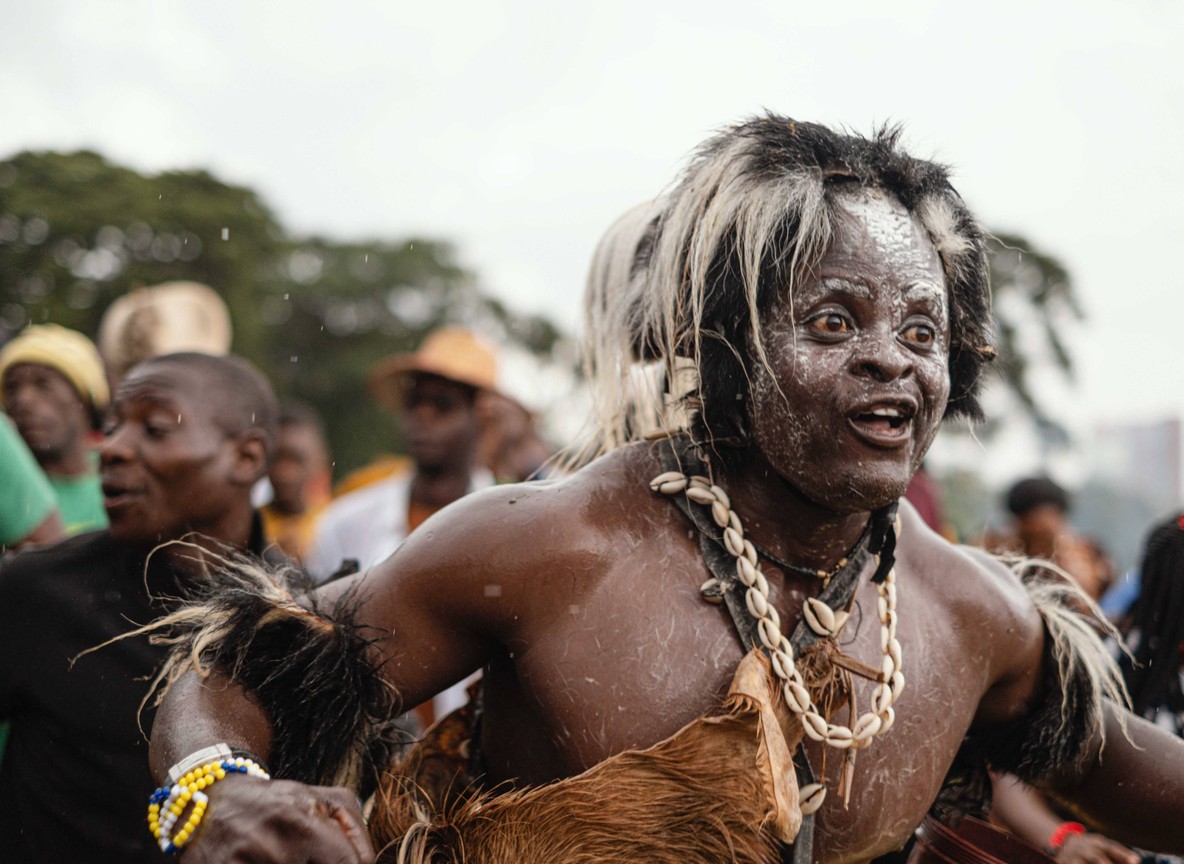
On July 12 and 13, 2026, drumming and craft stalls filled the shores of a lake most safari itineraries skip. County officials made a pitch that had nothing to do with lions or leopards. Lake Ol Bolossat, Nyandarua County’s only natural lake, hosted its Cultural and Tourism Festival. The event is part of a wider Kenyan strategy to sell heritage and community experience as hard as it sells the Big Five. Touring Insights breaks down what happened, where this lake sits, and what it signals for travelers who want a different side of Kenya.
The festival is small next to the Maasai Mara‘s crowds, but its purpose is large. Kenya wants 5 million visitors a year by 2027. Officials are betting that cultural events in overlooked counties can pull in travelers that game drives alone never will.
What Is the Lake Ol Bolossat Cultural and Tourism Festival?
The two-day festival brought together tourism officials, conservation agencies, local traders, and performers on the lake’s shoreline. Kenya Tourism Board (KTB) Chief Executive Officer June Chepkemei attended. So did Kenya Wildlife Service (KWS) Senior Assistant Director for the Mountain Conservation Area, Joseph Sarara, and Nyandarua County Director of Tourism Bernard Mwai. The program mixed traditional music and dance, indigenous food stalls, craft exhibitions, and guided talks on the lake’s wetland conservation work.
It is a young event on Kenya’s festival calendar. But it follows a pattern already working elsewhere in the country, where a single weekend gathering turns a little-known destination into a name travelers start searching for.
Where Is Lake Ol Bolossat? Getting There and Practical Facts
Lake Ol Bolossat sits in Nyandarua County, in Kenya’s central highlands. It is roughly 150 km from Nairobi by road, a drive of about 3 to 3.5 hours through Naivasha or Gilgil. The lake is Kenya’s only natural lake located entirely within the central highlands. It feeds into the Ewaso Narok River system and sits close to the western edge of the Aberdare Range.
The lake and its surrounding wetland are largely county and community land, not a national park or reserve. That means there is no KWS gate fee to view it. Nearby Aberdare National Park is different. It charges standard KWS non-resident park fees, indicative of roughly $52 USD per adult per day. Confirm the current rate directly with KWS before booking, since park fees change periodically.
| Reference point | Distance / detail | Why it matters |
|---|---|---|
| Nairobi to Lake Ol Bolossat | Approx. 150 km / 3-3.5 hr drive | Main access route for festival and lake visits |
| Nairobi to Naivasha | Approx. 90 km / 1.5 hr drive | Common stopover en route from the capital |
| Naivasha to Lake Ol Bolossat | Approx. 70 km | Final leg north into Nyandarua County |
| Jomo Kenyatta International Airport to Nairobi CBD | Approx. 18 km | Starting point for most visiting travelers |
| Aberdare National Park size | Approx. 766 km2 | Nearest major protected area, borders the lake’s highlands |
| Aberdare NP non-resident gate fee | Indicative ~$52 USD/adult/day, confirm with KWS | Add-on if combining the festival with a park visit |
Why Kenya Is Leaning on Cultural Festivals to Hit 5 Million Visitors
Kenya’s official target is 5 million international visitors a year by 2027. That is a sharp jump from current arrival numbers, which cluster around a handful of well-known parks. KTB’s Chepkemei has said publicly that festivals like the one at Lake Ol Bolossat help surface attractions that never make a first-time visitor’s itinerary. The logic is simple: safari demand alone will not double visitor numbers. A calendar of distinct, place-specific cultural events might spread that demand across more counties and more months of the year.
KTB has indicated plans to publish a national cultural festival calendar at the start of each year. That would give travelers advance notice to plan trips around specific dates, rather than discovering festivals after the fact through news coverage.
Inside the 2026 Festival: What Happened on the Ground
The economic ripple was immediate and local. Stephen Kamau, manager of the Express Hotel and Lounge near the lake, reported that sales roughly doubled during the festival weekend. Staffing rose from 200 to 250 employees to handle the volume. Transport operators, artisans, and food vendors across the area also saw a jump in business over the two days.
Conservation had a visible presence too. KWS and the Wildlife Research and Training Institute (WRTI) used the festival to highlight the lake’s hippo translocation program. Teams have been moving hippos out of the nearby Mukindu public dam after drought shrank the water body earlier in 2026. It is a reminder that the cultural festival and the conservation story share the same shrinking wetland, not two separate issues.
Lake Ol Bolossat Festival vs Kenya’s Other Cultural Festivals
Nyandarua’s event joins a growing list of county-level cultural festivals. Kenya is using them to diversify its tourism product beyond safari parks.
| Festival | Region | Primary draw |
|---|---|---|
| Lake Ol Bolossat Cultural and Tourism Festival | Nyandarua County | Wetland conservation, highland Kikuyu and mixed-community culture |
| Tobong’u Lore Festival | Lamu / coastal north | Swahili and Bajuni heritage, homecoming traditions |
| Lamu Cultural Festival | Lamu Old Town | Dhow racing, Swahili architecture and cuisine |
| Maa Festival | Maasai counties (Narok, Kajiado) | Maasai music, dress, and pastoralist traditions |
| Rusinga Island Festival | Lake Victoria, Homa Bay County | Luo heritage and lakeside community life |
Each festival is anchored to a specific place and community, not a generic “cultural day.” That is part of why KTB sees them as a scalable model rather than a one-off gimmick.
What This Means for Travelers Planning a Trip
Picture a traveler who has already done a Maasai Mara or Amboseli safari and wants something less scripted. For that traveler, Lake Ol Bolossat is a realistic add-on to a Nyandarua or Aberdare-region itinerary, not a standalone destination. The lake pairs naturally with a stop at Aberdare National Park, a short additional drive from the same highland corridor. It also pairs well with the wider Nyahururu area’s waterfalls and farmland scenery.
Festivals like this one are not yet fixtures on the international tour operator radar. That is part of the appeal. Travelers who show up get a genuinely local event, not a performance staged for tour buses. The tradeoff is limited accommodation near the lake compared to established safari circuits, so booking ahead matters more here than in the Mara.
Explorer Notes
A few things matter more on the ground than in a press release. First, Lake Ol Bolossat has no fixed festival date yet. The 2026 event ran July 12-13, but KTB has only said it plans to formalize a national festival calendar going forward. Confirm exact dates with Nyandarua County tourism offices before building a trip around it.
Second, the lake itself is a working wetland, surrounded by farms and grazing land rather than a fenced reserve. The wildlife you will see, including waterbirds and the occasional hippo, shares space with local communities day to day.
Third, road conditions on the final stretch from Naivasha can be rougher than the tarmac numbers suggest, especially after rain. A higher-clearance vehicle is worth arranging if you are self-driving.
Finally, ask locally about the hippo relocation site near Mukindu dam. Guides and county officers who worked the translocation are often willing to explain what shrank the dam in the first place. It adds real context to why this festival leans so heavily on conservation messaging.
What to Read Next
- Curious about the hippo story behind this festival’s conservation angle? Read our Mukindu Dam hippo relocation guide.
- Planning to pair this with a park visit? See our Aberdare National Park safari guide.
- Comparing highland options? Check our Aberdare vs Mount Kenya National Park guide.
FAQ
When is the Lake Ol Bolossat Cultural and Tourism Festival held? The 2026 edition ran July 12-13 in Nyandarua County. Kenya Tourism Board has indicated it plans to publish a fixed national festival calendar for future years, so confirm dates locally before traveling.
How far is Lake Ol Bolossat from Nairobi? Approximately 150 km, a drive of about 3 to 3.5 hours via Naivasha or Gilgil, depending on road conditions and route chosen.
Is there an entry fee to visit Lake Ol Bolossat? No KWS gate fee applies to the lake itself, since it sits on county and community land rather than inside a national park or reserve. Nearby Aberdare National Park does charge a standard non-resident gate fee.
Why is Kenya investing in cultural festivals like this one? Kenya Tourism Board is targeting 5 million visitors a year by 2027. It sees county-level cultural festivals, including Lake Ol Bolossat, Tobong’u Lore, and the Maa Festival, as a way to spread demand beyond established safari parks.
Can I combine a Lake Ol Bolossat visit with a safari trip? Yes. The lake sits close to the Aberdare region, so it works as a practical add-on to an Aberdare National Park itinerary rather than a standalone trip. Accommodation near the lake is limited compared to major safari circuits, so plan ahead.
Lake Ol Bolossat will not replace a Mara or Amboseli safari on anyone’s itinerary, and it is not trying to. What it offers is a look at how Kenya is quietly building a second tourism product around its counties, communities, and wetlands. If a highland detour like this fits your route, check our Tour Packages page. Or ask a partner operator whether an Aberdare-region itinerary can flex to include a stop at the lake.