Lake Nakuru National Park’s gate fees went up in 2026. The non-resident adult rate now sits at USD 90 per day, confirmed through Kenya Wildlife Service’s current fee guidance. That is a real jump from the roughly USD 80 rate travelers budgeted for in past years. If you already booked a Rift Valley circuit around the old number, your park budget line needs a second look. Touring Insights breaks down what changed, what each visitor category now pays, and how the new rate stacks up against nearby parks.
Why Lake Nakuru Raised Its Park Fees
Kenya Wildlife Service reviews park fees periodically across its full portfolio, not just at Lake Nakuru. Rising running costs sit behind most of these adjustments. Ranger patrols, road maintenance, and the rhino sanctuary fencing all cost more to maintain each year. Lake Nakuru also carries a heavier conservation load than many parks its size. It protects one of Kenya’s largest rhino sanctuaries alongside a lake ecosystem under real pollution pressure from Nakuru town. KWS has separately launched an infrastructure plan targeting that pollution, and a fee increase helps fund the ranger and monitoring work both efforts depend on. None of this is unique to Nakuru. Several Rift Valley parks are moving through similar fee reviews in 2026, and cashless payment through KWSPay is spreading alongside the new rates.
Lake Nakuru National Park Fees in 2026
The table below lists the current fee categories. Non-resident adult and East African citizen rates are confirmed from current KWS guidance. Other categories are indicative until KWS publishes a full updated rate card.
| Fee category | 2026 rate |
|---|---|
| Non-resident adult, per day | USD 90 (confirmed) |
| Non-resident child (age 3-18) | USD 45-50 (indicative) |
| East African citizen adult | KSh 1,500 (confirmed) |
| East African citizen child | KSh 750-1,000 (indicative) |
| Kenyan citizen adult | KSh 400-600 (indicative) |
| Kenyan citizen child | KSh 200-300 (indicative) |
| Vehicle entry fee | KSh 300-500 (indicative) |
Rates change with each KWS review cycle. Confirm the exact figure on the KWSPay app or with KWS directly before you fix a trip budget.
Is Lake Nakuru Going Cashless Too?
Cash is getting harder to use at Kenyan park gates. Hell’s Gate National Park near Naivasha moved to fully cashless entry through KWSPay earlier in 2026, and Lake Nakuru sits on a similar rollout timeline. That means visitors should expect to set up a KWSPay account and load their entry payment before arrival, rather than counting on paying dollars or shillings at the barrier. Mobile signal around Nakuru town is generally reliable, but a slow connection at the gate can hold up an entire group. Complete the KWSPay transaction from your camp or hotel the night before, not while queued at Main Gate.
Lake Nakuru Fees Against Nearby Rift Valley Parks
Travelers building a multi-park Rift Valley route often weigh Lake Nakuru’s cost against nearby options. Here is how the daily non-resident adult fee compares.
| Park | Non-resident adult fee (2026) | Distance from Nakuru town |
|---|---|---|
| Lake Nakuru National Park | USD 90 (confirmed) | approx. 4 km (Main Gate) |
| Hell’s Gate National Park | USD 50 (confirmed) | approx. 70 km |
| Aberdare National Park | USD 60-70 (indicative) | approx. 95 km |
| Mount Longonot National Park | USD 25-30 (indicative) | approx. 60 km |
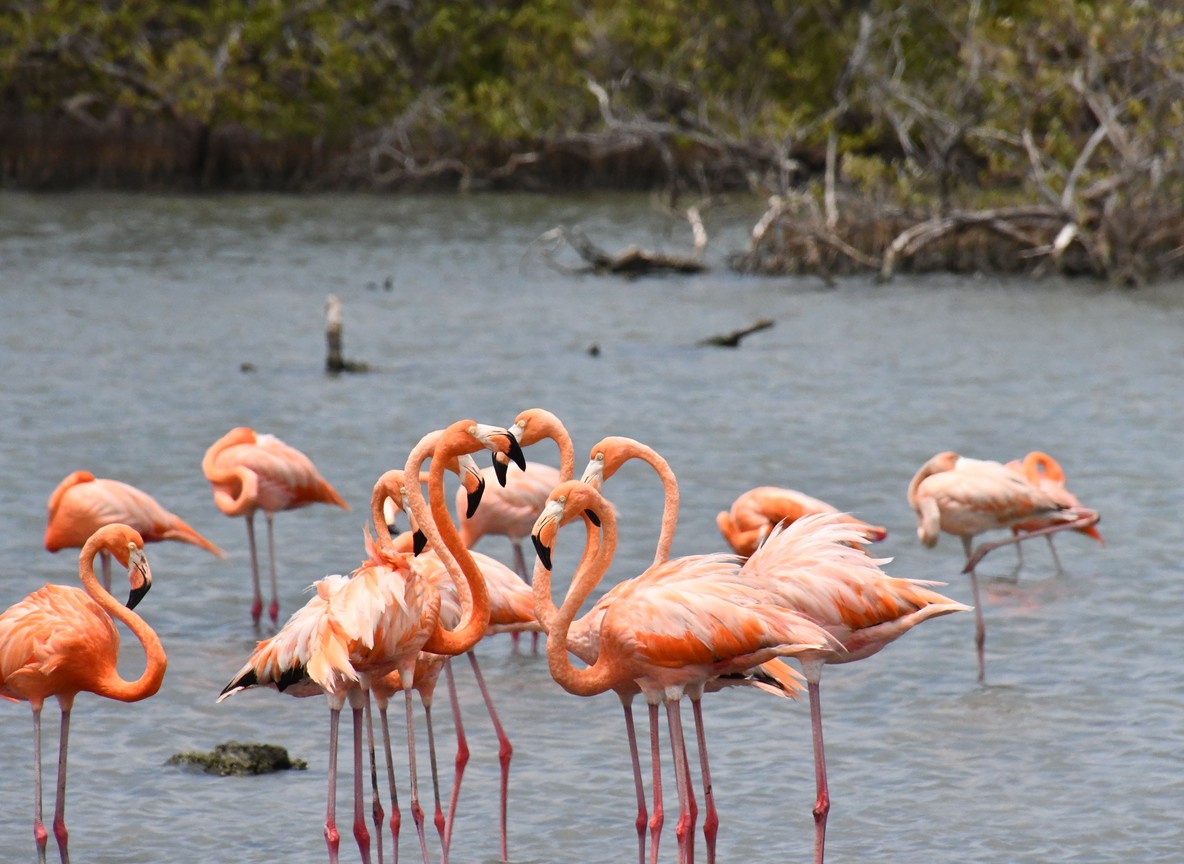
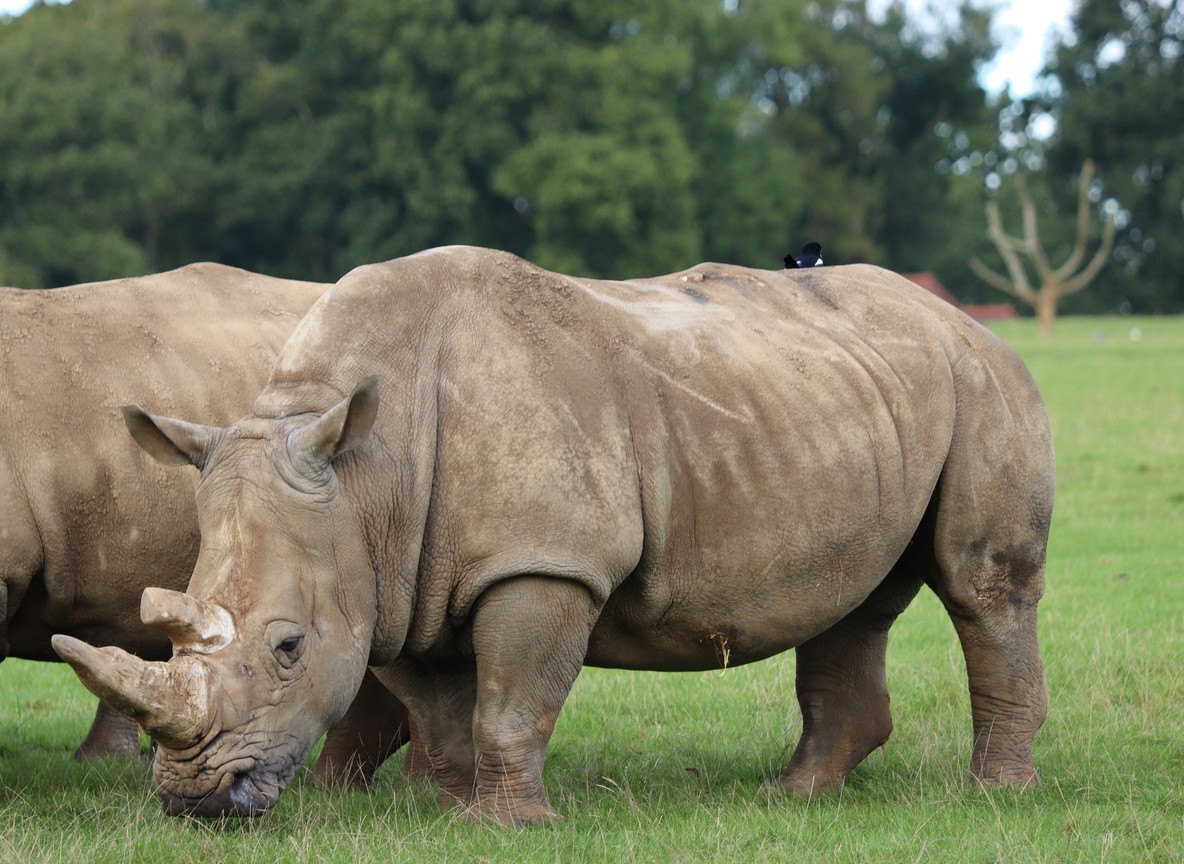
Lake Nakuru now sits at the higher end of that group. The rhino sanctuary and dense flamingo shoreline are the main reasons travelers still pick it over a cheaper stop nearby.
Getting to Lake Nakuru: Distances and Gates
Lake Nakuru National Park covers about 188 km2 of lake, grassland, and euphorbia forest. Most visitors drive in from Nairobi along the A104 highway.
| Detail | Figure |
|---|---|
| Park size | 188 km2 |
| Distance from Nairobi (via A104) | approx. 156 km, 3-3.5 hour drive |
| Main Gate from Nakuru town center | approx. 4 km |
| Other gates | Lanet Gate, Nderit Gate, Airstrip Gate |
| Rhino sanctuary population | 150+ rhinos (approx. 80% white, 20% black) |
| Nearest airstrip | Naishi Airstrip, inside the park |
Most self-drive visitors and tour vans use Main Gate, a short hop off the highway. Lanet Gate suits travelers coming from Nairobi who want to skip Nakuru town traffic entirely. The A104 drive from Nairobi runs through Naivasha and Gilgil before descending into the Rift Valley toward Nakuru. Road conditions on this stretch are generally good, though traffic through Nakuru town itself can slow the final few kilometers during weekday rush hour. Leaving Nairobi by 7am keeps most of that congestion out of your travel window.
What the Fee Actually Funds
Park fees at Lake Nakuru go toward more than gate staffing. A large share supports the rhino sanctuary, a fenced zone holding more than 150 rhinos that needs constant ranger patrols against poaching risk. Road grading inside the park depends on this budget too, especially after heavy rain turns the lakeshore tracks soft. Fee revenue also feeds into the water quality monitoring tied to KWS’s newer pollution infrastructure plan for the lake. That plan targets sewage and plastic waste entering from Nakuru town, work that runs alongside, not instead of, day-to-day park operations. A higher gate fee is the most direct way KWS keeps that combined workload funded without cutting ranger numbers.
Planning Your Visit Around the New Fees
Build the new USD 90 rate into your trip budget now, not on arrival day. If you are visiting as part of a longer Rift Valley circuit, ask your operator whether their quoted price already reflects the 2026 fee or the older rate. Some packages booked before the increase may need a small top-up. Set up your KWSPay account in advance if you are self-driving, since a first-time registration takes longer than the payment step itself. None of this changes what is inside the park. The rhino sanctuary, the lakeshore game drives, and the euphorbia forest circuit all run exactly as before.
Families traveling with children should also confirm the current child rate directly with KWS, since that category is not yet published with the same certainty as the adult fee. Groups mixing Kenyan citizens, East African residents, and non-resident visitors on one booking often find it easier to let a driver-guide handle each KWSPay transaction under the correct category, rather than sorting it out as separate individual payments at the gate.
Explorer Notes
Ask your camp or driver-guide to confirm the current gate rate before travel day, since KWS fee updates do not always reach every operator’s booking system at the same time. Rangers at Main Gate can process a KWSPay transaction on-site if you arrive without a ticket, but a coach group ahead of you will slow that down. Carry a small amount of Kenyan shilling cash anyway. Guide tips and the occasional roadside snack near Lanet Gate still run on cash, even with the park entry itself going cashless. Early morning entry, right at gate opening, gives the best light over the lakeshore for flamingo photography and avoids the midday queue at Main Gate. If your itinerary also includes the rhino sanctuary loop, budget a full half day rather than rushing it between other stops.
FAQ
How much is the Lake Nakuru National Park entry fee in 2026? The confirmed 2026 non-resident adult rate is USD 90 per day. East African citizens pay a confirmed KSh 1,500. Other visitor categories are indicative until KWS publishes a full updated rate card.
Why did Lake Nakuru National Park fees increase? KWS periodically reviews park fees to cover rising ranger, maintenance, and conservation costs. Lake Nakuru’s rhino sanctuary and its new pollution infrastructure monitoring both add to that funding need.
Can I pay cash at Lake Nakuru National Park? Cash is becoming harder to use at Kenyan park gates as KWSPay rolls out nationally. Lake Nakuru sits on a similar cashless timeline to Hell’s Gate, so set up a KWSPay account before you travel.
Is Lake Nakuru more expensive than Hell’s Gate National Park? Yes. Lake Nakuru’s confirmed USD 90 non-resident rate is well above Hell’s Gate’s confirmed USD 50 rate, reflecting the larger park and its rhino sanctuary.
Which gate should I use to enter Lake Nakuru National Park? Main Gate, about 4 km from Nakuru town, handles most self-drive and tour traffic. Lanet Gate is a better option if you are arriving from Nairobi and want to avoid town traffic.
This fee change does not affect what is worth seeing inside the park. The rhino sanctuary and lakeshore birdlife remain the draw, just at a higher gate price. Check the Tour Packages page for current Rift Valley itineraries that already account for the 2026 rate, or ask a partner operator directly to confirm their quote reflects the new fee before you book.
What to Read Next
- New to the park? Start with our Lake Nakuru flamingos and rhinos wildlife guide.
- Planning logistics beyond the fee? See our complete Lake Nakuru National Park safari guide.
- Curious about the park’s water quality work behind this fee rise? Read Lake Nakuru’s New Infrastructure Plan Tackles Pollution.
Further reading
More safari planning resources
- Kenya national parks map from SafariPure
- Rift Valley lakes map from Valley Safaris
- Best safaris in Kenya on Touring Insights
- Big Five safari collection on FindMySafari
Related guides: Amboseli Lodges Inside the Park: What Staying Inside Actually Means for Your Safari, What to Wear in Lake Nakuru National Park: A Safari Packing Guide.