Hell’s Gate National Park updated its fee structure for 2026. The bigger change sits at the gate itself. Cash is no longer accepted. Every entry now runs through KWSPay, the Kenya Wildlife Service’s digital payment platform. Visitors who show up expecting to pay in shillings or dollars will be turned back to sort out payment first. Touring Insights breaks down what the new fees cost, how the cashless system works, and what it means for a day at one of the few Kenyan parks you can explore on foot or by bike.
Why Hell’s Gate Went Cashless
Kenya Wildlife Service has been rolling out KWSPay across its parks in phases. Hell’s Gate moved to fully cashless entry as part of the 2026 push. The reason is straightforward. Cash handling at gates created reconciliation gaps. It also slowed down queues during peak weekend traffic from Nairobi. A digital ledger tied to each transaction closes both problems at once. For visitors, the fee is no longer negotiable or vague. The system logs the exact rate, the visitor category, and the payment reference. That makes refunds and disputes far easier to trace than an old cash receipt.
Other Rift Valley parks, including Lake Nakuru, sit on a similar rollout timeline. Travelers building a multi-park route should expect the same cashless rule to spread further through 2026. Getting comfortable with KWSPay now saves a repeat headache later in the same trip.
What Hell’s Gate Costs in 2026
The headline figure for 2026 is a non-resident adult entry fee of USD 50 per day. It is paid entirely through KWSPay. That is the confirmed rate from official KWS fee guidance for the year. Resident and child rates, plus vehicle and camping charges, are not yet published in the same detail. Treat the figures below as indicative until you confirm them on the KWSPay app or with KWS directly.
| Fee category | 2026 rate (indicative unless marked) |
|---|---|
| Non-resident adult, per day | USD 50 (confirmed) |
| Non-resident child (under 18) | USD 25-30 |
| Kenyan citizen adult | KES 300-500 |
| East African resident adult | USD 20-25 |
| Vehicle entry fee | KES 300-500 |
| Camping, per person per night (Naiburta or Endachata) | USD 15-25 |
| Bicycle hire at the gate | KES 500-1,000 per day |
Rates shift year to year. Always check the current published fee sheet on the KWSPay platform before you budget a trip.
How KWSPay Works at the Gate
KWSPay is a mobile-first payment platform. It lets visitors pay park fees before arrival or right at the gate using a smartphone. You create an account, select Hell’s Gate National Park, and enter your visitor category. Payment goes through mobile money or card. The system then generates a digital ticket with a QR code. A ranger at Elsa Gate or Ol Karia Gate scans that code on arrival. There is no physical ticket, no cash drawer, and no change to count.
The catch for first-time visitors is connectivity. Mobile data around Naivasha is generally reliable. Still, it is worth completing the KWSPay transaction before you leave your hotel or campsite. A weak signal at the barrier can hold up your whole group.

Getting to Hell’s Gate from Nairobi
Hell’s Gate sits close enough to Nairobi for a comfortable day trip. That is part of its appeal for travelers short on time. The table below covers the practical numbers for planning the drive.
| Detail | Figure |
|---|---|
| Distance from Nairobi CBD | approx. 90 km |
| Normal drive time | approx. 1.5-2 hours |
| Drive time during Rironi roadworks (7-10am) | add 30-45 minutes |
| Nearest town | Naivasha (approx. 8 km from Elsa Gate) |
| Main gates | Elsa Gate, Ol Karia Gate |
| Park size | approx. 68 km2 |
| Key landmarks inside | Fischer’s Tower, Ol Njorowa Gorge, Central Tower |
The Nairobi-Naivasha route currently runs through active road construction near Rironi. That stretch adds real delay during the morning commute. Leave Nairobi before 6:30am or after 10am to avoid the worst of it. The 7-10am band is when the delay is most consistent.
Hell’s Gate Fees Against Nearby Rift Valley Parks
Travelers often weigh Hell’s Gate against other parks close to Naivasha and Nakuru. Here is how the daily non-resident adult fee compares.
| Park | Non-resident adult fee (indicative) | Distance from Naivasha town |
|---|---|---|
| Hell’s Gate National Park | USD 50 (confirmed 2026 rate) | approx. 8 km |
| Lake Nakuru National Park | USD 60-80 | approx. 70 km |
| Aberdare National Park | USD 60-70 | approx. 100 km |
| Mount Longonot National Park | USD 25-30 | approx. 15 km |
Hell’s Gate sits at the lower end of that range. That is one reason it pairs well with a Nakuru or Naivasha lake circuit, rather than standing alone as a single-stop trip.
What the Fee Actually Funds
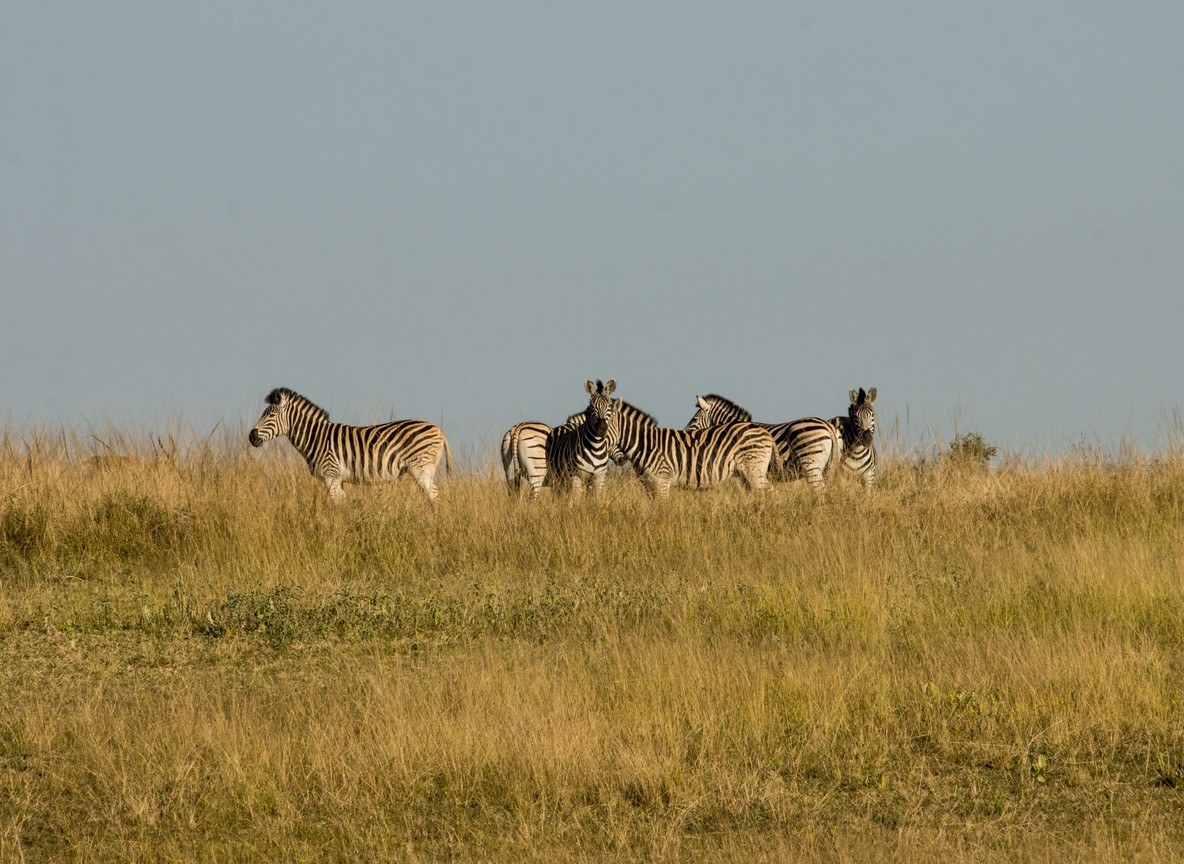
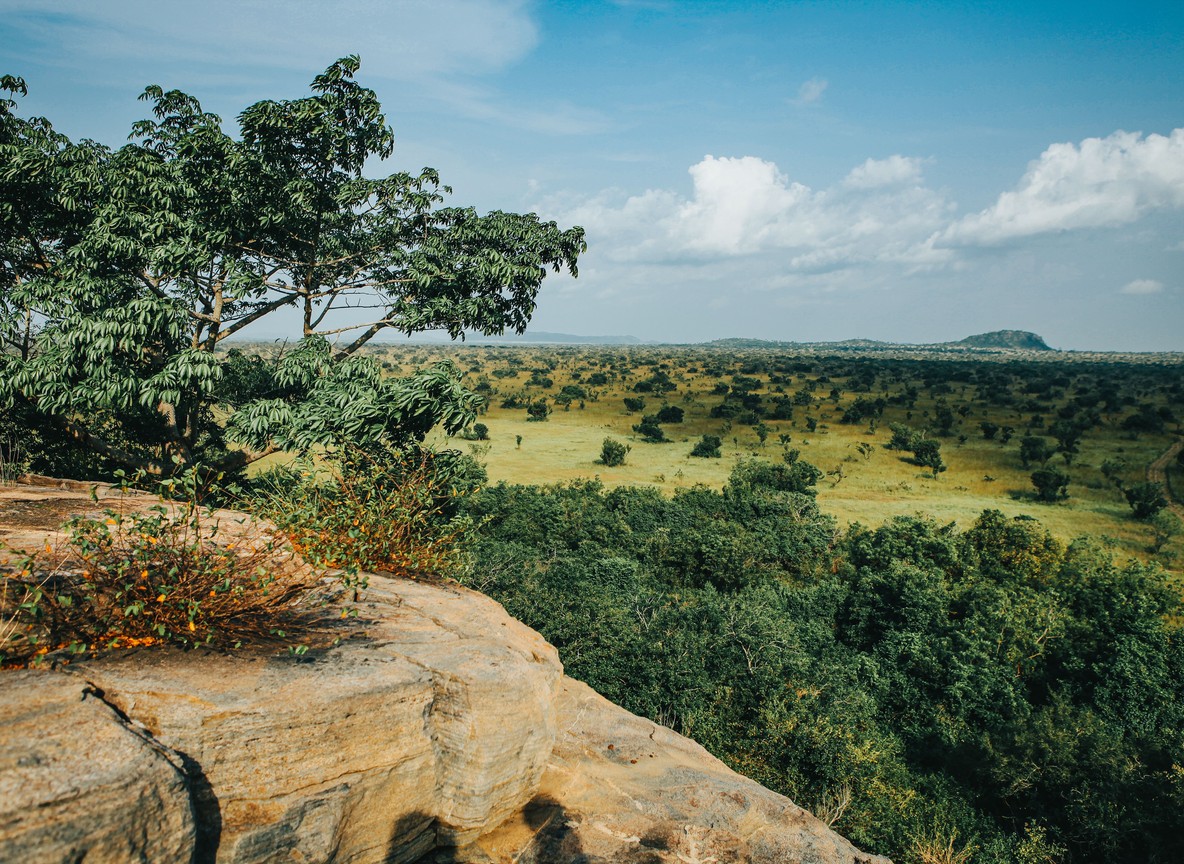
Entry fees at Hell’s Gate go toward ranger patrols, trail maintenance inside the gorge, and wildlife monitoring across the open plains. Zebra, giraffe, and buffalo roam those plains freely, without the predator risk that keeps most Kenyan parks vehicle-only. That freedom to walk or cycle among wildlife is what makes Hell’s Gate unusual. It depends on rangers keeping the trail network safe and clearly marked. A share of camping fees also supports the two designated campsites, Naiburta and Endachata. Both run with basic facilities rather than lodge-level comfort.
Compare that funding model to a private conservancy, where camp-level fees often go directly to a specific landowner group. At Hell’s Gate, KWSPay routes money into a national fund that covers ranger salaries and equipment across several KWS-managed parks, not just this one site. That wider pool is one reason the entry fee stays lower than a private conservancy rate, even with steady visitor numbers on weekends.
Planning Your Visit: Gates, Activities, and Timing
Most visitors enter through Elsa Gate, the main access point closest to Naivasha town. Ol Karia Gate, on the park’s southern side, gets less traffic and suits a quieter start. Cycling is the signature activity, with bikes available for hire at the gate. Walking is permitted on marked trails. A guide is required for the gorge itself, where narrow walls and flash-flood risk during heavy rain make an unguided walk unwise. Rock climbing on Fischer’s Tower is possible with a permit arranged in advance through KWS. Plan for three to four hours to cover the gorge walk and a short ride past the main plains. Give it a full day if you want to combine cycling with a gorge trek and lunch near Ol Njorowa.
Dry season months, from June to September and again in January to February, give the firmest trail conditions for cycling and the gorge walk. Heavy rain between March and May can close the gorge on short notice, since flash floods move through the narrow channel fast. Confirm gorge access with a ranger before you commit a full day to the walk during wetter months.
Explorer Notes
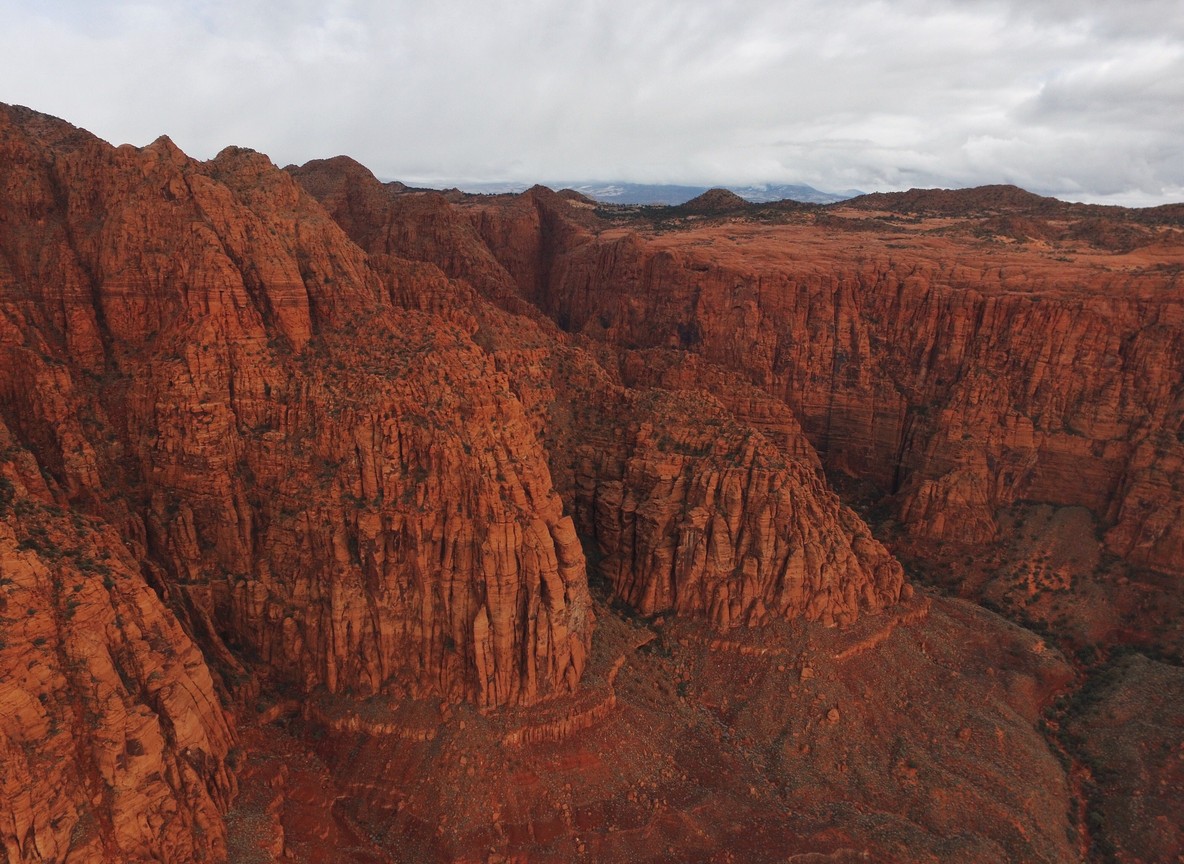
Download the KWSPay app and set up your account before you leave Nairobi. First-time registration takes longer than the payment itself. Rangers at Elsa Gate can process a KWSPay transaction on-site if you arrive without a ticket, but expect a short wait if a tour bus just pulled in ahead of you. The gorge guide fee is separate from park entry and is usually settled in cash with the individual guide, so carry small Kenyan shilling notes for that even though the gate itself is cashless. Early morning light on the red cliffs near Fischer’s Tower, around 7am, gives the best photography before the plains warm up and dust haze sets in. If you are cycling, take the loop past Ol Karia Gate. It carries far less vehicle traffic than the main road near Elsa Gate, and it suits anyone nervous about sharing a narrow track with safari vehicles.
Frequently Asked Questions
Can I still pay cash at Hell’s Gate National Park in 2026? No. Hell’s Gate moved to a fully cashless system through KWSPay. Gate staff cannot accept cash for park entry.
What is the current non-resident entry fee for Hell’s Gate? The confirmed 2026 rate is USD 50 per adult per day, paid through KWSPay before or at the gate.
Do I need a guide to walk through Hell’s Gate Gorge? Yes. A licensed guide is required for the gorge section due to narrow walls and flash-flood risk during rainy periods.
How long does it take to drive from Nairobi to Hell’s Gate? Normally 1.5 to 2 hours over 90 km. Ongoing Rironi roadworks add 30 to 45 minutes if you travel between 7am and 10am.
Is Hell’s Gate cheaper than Lake Nakuru National Park? Yes, in most fee comparisons. Hell’s Gate’s confirmed USD 50 non-resident rate sits below Lake Nakuru’s typical USD 60-80 range.
Hell’s Gate remains one of the few Kenyan parks where you can walk or cycle among wildlife on your own two wheels. The shift to KWSPay just means sorting out the fee before you arrive, not at the barrier. Check the Tour Packages page for Rift Valley itineraries that pair a Hell’s Gate cycling morning with a Lake Naivasha boat trip, or ask a partner operator directly about current gorge guide availability before you set a date.