When safari travelers ask which kenya safari parks for cheetah cubs give them a realistic chance, the honest answer starts in the Masai Mara ecosystem. Cub sightings are never guaranteed. Mothers hide young cubs, move den sites, and avoid exposed ground when lions and hyenas are active. This guide ranks Kenya locations by habitat, sighting quality, cub season, vehicle pressure, and guiding access.
Where Are the Best Kenya Safari Parks for Cheetah Cubs?
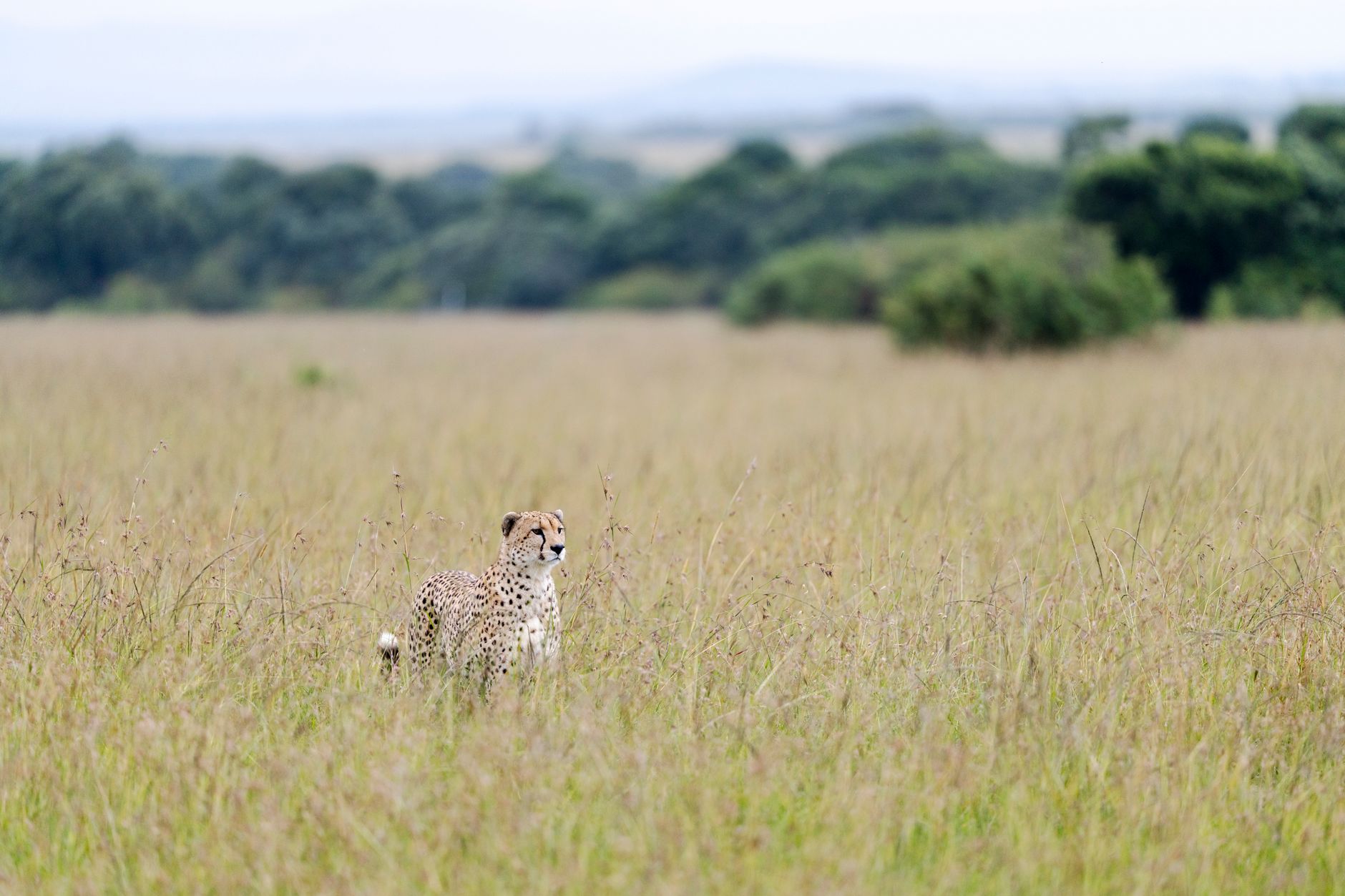
The Masai Mara ecosystem offers Kenya’s strongest chance of seeing cheetah cubs, especially in conservancies such as Naboisho, Mara North, Olare Motorogi, and Ol Kinyei. Open grassland makes animals easier to locate. Resident cheetahs and experienced guides improve the odds of finding a mother with mobile cubs old enough to follow her.
Those four conservancies sit next to the main Masai Mara guide area, but their vehicle limits and quieter tracks often create better conditions for watching a family. In Naboisho’s open plains, a mother may move cubs onto short grass after early morning, making the sighting visible from a greater distance. Olare Motorogi and Mara North offer similar advantages, plus regular cheetah monitoring by local guides.
The table below compares the main areas that travelers consider for cheetah families.
| Area | Best windows for cubs | Habitat and sighting quality | Vehicle pressure |
|---|---|---|---|
| Mara conservancies: Naboisho, Mara North, Olare Motorogi, Ol Kinyei | Jan-Mar and Jun-Oct | Open plains, higher cheetah density; cubs regularly seen, not guaranteed | Low. Indicative cap of roughly 2 to 5 vehicles per sighting, depending on local rules |
| Masai Mara National Reserve | Jan-Mar and Jun-Oct | Open plains, many cheetahs; sightings easier but busier | Medium to high near popular sightings |
| Amboseli | Jan-Mar and Jun-Oct | Open lake basin grasslands; sporadic cub sightings | Medium |
| Samburu and Buffalo Springs | Jun-Oct and Jan-Feb | Acacia bush, open river edges; present but less visible | Low |
| Ol Pejeta and Lewa-Borana | Drier months, often Jun-Oct and Jan-Mar | Open grassland pockets, fewer cheetahs, strong guiding | Low |
| Tsavo East | Jun-Oct | Vast open red plains; widely dispersed | Low, but long search times |
| Nairobi National Park | Jan-Mar | Open grass, occasional cheetahs; near city | Medium to high |
Cub sightings depend on a mother choosing visible ground, not on the park alone. No area on this list can promise cubs on a given drive.
What Is the Difference Between the Masai Mara Reserve and Private Conservancies for Cheetahs?
The main Masai Mara Reserve can produce excellent cheetah sightings, but its busiest areas may attract many vehicles around a mother and cubs. Private conservancies generally offer quieter encounters because vehicle numbers are restricted, and some allow off-road driving or longer observation.
The difference matters most when a family is already under pressure from lions or hyenas. A crowded sighting in the reserve can push a female to move her cubs early or abandon a resting spot. In conservancies, the same sighting is often limited to a few vehicles, and a guide may hold back rather than edge closer. This is the core argument in the private conservancy versus national reserve discussion.
That does not mean the main reserve is a poor choice. It has a strong cheetah population and suits a wider range of safari budgets. If your priority is adult cheetahs across the wider Mara ecosystem, the reserve can deliver. If it is a calmer, longer interaction with a mother and cubs, a conservancy usually fits better.
Which Other Kenya Safari Parks and Conservancies Have Cheetahs?
Amboseli, Samburu, Buffalo Springs, Ol Pejeta, Lewa-Borana, Tsavo East, and Nairobi National Park all support cheetahs, but sightings are usually less predictable than in the Mara. Amboseli offers open views, Laikipia offers strong guiding, and Tsavo requires patience since cheetahs are spread across a much larger landscape.
The Amboseli safari guide often highlights cheetahs on the open lake basin, where short grass and distant views can make a mother and larger cubs easier to spot. Amboseli’s swamps and woodland edges also provide cover where mothers hide young cubs from hyenas and lions. The result is less consistent than the Mara, but a family active on open ground can be a superb sighting.
Samburu and Buffalo Springs hold cheetahs in a broken, acacia-rich landscape, and sightings are less frequent because dense cover reduces line of sight and the local population is smaller. Ol Pejeta and Lewa-Borana in Laikipia suit travelers who care about conservation and guiding quality, though cheetahs there are less numerous. Tsavo East is a special case: huge open areas and a scattered population mean a sighting may take hours, but vehicle pressure stays low.
When Is the Best Time of Year to See Cheetah Cubs in Kenya?
The best practical windows are generally January to March and June to October, when visibility improves and prey is easier to find in many Kenyan cheetah habitats. Dry-season grass is shorter, but cub sightings still depend on births, den location, rainfall, and whether a mother chooses exposed ground or thick cover.
January to March suits the Mara well because the short grass plain is dry after the short rains, and many mothers have cubs at different stages of development. June to October is the long dry season, when grass across the Mara and parts of Laikipia stays lower. A heavy unseasonal shower can still grow grass quickly, and that flush of green reduces visibility just when cubs should be easier to see.
Do not plan a safari around an exact birth date. Cheetahs breed year-round in Kenya, cubs are often born in dense cover, and a mother may keep them hidden for weeks before they become visible on open ground.
How Do Cheetah Mothers and Cubs Behave?
Female cheetahs raise cubs alone and hide very young cubs in dense vegetation, moving them between den sites to reduce the risk from lions and hyenas. Older cubs become easier to see once they follow their mother, but families may travel widely, hunt at different times, or disappear for days.
A mother with cubs under about eight weeks old may leave them hidden while she hunts, then return later to move them. A tourist is unlikely to see cubs this young at all. Once cubs are old enough to follow their mother, sightings become more regular, though the family can still vanish into tall grass or cross into an area closed to vehicles.
Predator pressure shapes this behavior. Lions are a major cause of cheetah cub mortality, and hyenas kill cubs too when they find them. A mother often chooses den sites away from lion territories and moves cubs if a lion has been seen nearby, so an area with many lions can still hold cheetahs, just with less visible families.
Should You Choose a National Reserve or Private Conservancy for Cheetah Sightings?
Choose a Mara conservancy when low vehicle density, flexible guiding, and a calmer photographic encounter matter most. Choose the main reserve when wider access and large-scale wildlife viewing are priorities. Conservancies do not guarantee cubs, but their vehicle limits and resident guides make a family easier to locate and observe responsibly.
The same logic applies outside the Mara. In Amboseli, a bordering private conservancy such as Selenkay may offer fewer vehicles than the busier public areas. In Laikipia, private conservancies often use resident guides who know individual cheetahs by spot patterns or ear tears, which can shorten search time.
Travelers who dislike crowded sightings should read this guide on avoiding vehicle queues at a wildlife sighting. The reserve can still be excellent, but during July to September and December to January, the most famous cheetah families may draw many vehicles at once.
How Do You Plan a Cheetah-Focused Safari and Photography Trip?
Plan at least three or four nights in a strong cheetah area, prioritize early-morning and late-afternoon drives, and tell the guide that cheetah families are a main objective. Use a long lens, avoid demanding close approaches, and accept that a distant, relaxed mother and cubs is a better sighting than a crowded vehicle scene.
Morning drives are often best because cheetahs hunt during daylight and may be active before temperatures rise. A guide who knows individual cats can return to a known territory and listen for alarm calls from gazelles or birds. Mention cheetah cubs as a priority at the start of the trip, since different families roam different parts of a conservancy.
For photography, check the best Kenya safari parks for photography guide for light, roads, and lens choices. A 200mm to 500mm lens is generally useful, but a photograph showing the mother, cubs, and open plain around them can tell more of the story than a tight close-up.
What Is Being Done for Cheetah Conservation in Kenya?
Cheetah conservation in Kenya depends on protecting connected habitat, reducing conflict with livestock owners, monitoring individual animals, and maintaining safe corridors between reserves and conservancies. Responsible conservancy tourism helps fund land protection and ranger work, but guides and visitors should still avoid crowding, blocking, or pressuring mothers with cubs.
The Mara Cheetah Project has monitored individual cheetahs in the Mara ecosystem for years, recording births, deaths, and threats such as snaring, conflict, and cub predation. This long-term monitoring helps conservancies decide where to limit vehicle access and where to direct anti-poisoning or predator-conflict work.
Travelers can help by choosing operators that respect viewing distances, do not chase a moving cheetah, and do not block a mother’s route back to her cubs. Good guiding is conservation, and a short, quiet sighting beats a long, noisy encounter that forces the mother to move.
What Else Should You Know Before Booking a Cheetah Cub Safari?
Where is the best place to see cheetah cubs in Kenya?
The Masai Mara ecosystem is generally the best place. Conservancies such as Naboisho, Mara North, Olare Motorogi, and Ol Kinyei combine open grassland, a strong cheetah population, and lower vehicle density than the busiest parts of the main reserve.
What is the best time to see cheetah cubs in Kenya?
January to March and June to October are usually the most useful periods because grass is shorter and visibility improves. These months do not guarantee cubs, since mothers hide young cubs and move them between dens as conditions change.
Are cheetahs easier to see in the Mara conservancies?
Yes, generally. Vehicle limits reduce crowding and let guides spend more time with a sighting. The main reserve can still offer excellent viewing, but popular sightings attract more vehicles, especially during peak periods.
Can you see cheetahs at Ol Pejeta or Lewa Conservancy?
Yes. Ol Pejeta and Lewa-Borana support resident cheetahs, though populations are smaller and sightings are less frequent than in the Mara. Both suit travelers who also want rhino conservation and a broader Laikipia experience.
What time of day is best for seeing cheetahs on safari?
Early morning and late afternoon are usually best, since cheetahs are daytime hunters and temperatures are cooler. Behavior, weather, and where a family is denning matter more than any fixed timetable.
Where Can You Compare Safari Operators for Cheetah-Focused Trips?
No operator can guarantee a cheetah cub sighting, but the right itinerary and guide make a real difference. Compare safari operators running trips in the Mara conservancies, Amboseli, Samburu, and Laikipia by browsing packages at FindMySafari, Valley Safaris, or Trunktrails Safaris. Look for longer stays, conservancy camps, and guides who mention cheetah families by name.
Where Can You Find More Safari Planning Resources?
You can find more planning resources through park maps, wildlife tour listings, and specific safari packages from established operators.
- Kenya national parks map from SafariPure
- Kenya wildlife tours from Trunktrails Safaris
- Ol Pejeta and Sweetwaters safari package from Valley Safaris
- Masai Mara destination guide on FindMySafari