Every packing list repeats the same rule: wear khaki, avoid bright colors. Most travelers follow it without knowing why. Others ignore it because it sounds like marketing. Some of the advice is genuinely useful. Other parts are leftover folklore that no longer applies. This guide separates the two. It covers the specific colors that cause real problems, the ones that are just tradition, and the fabrics that matter more than color ever will.
Why Clothing Color Actually Matters on a Kenya Safari
Color affects three things on safari: insect attraction, how visible you are to wildlife and other guests, and how you show up in your own photos. It does not affect whether a lion notices you. Most animals you will see in Kenya, including lions, buffalo, and antelope, have limited color vision compared to humans. They respond far more to shape, movement, and scent than to whether your shirt is green or grey.
The real, measurable issue is insects, specifically tsetse flies. Research on tsetse behavior shows the flies are strongly attracted to dark blue and black fabric. That research is not folklore; it is the same science used for decades to design the blue-and-black cloth traps deployed across East Africa. Wildlife authorities use those traps to bait and monitor fly populations in Samburu, Meru, and parts of the Maasai Mara ecosystem.
The Tsetse Fly Problem: Which Colors to Avoid
Tsetse flies bite through thin fabric and deliver a sharp, persistent sting. In some areas they carry the parasite that causes African trypanosomiasis, a rare but serious risk. They are most common in wooded and riverine areas rather than open plains. That puts Samburu National Reserve, Meru National Park, and the denser tree lines along the Mara and Talek Rivers among the higher-risk zones.
Dark blue and black are the two colors to actively avoid. Navy fleeces, black daypacks, and dark denim all draw flies at a noticeably higher rate than lighter fabrics. Bright white has its own problem. It reflects heat, shows dust immediately, and stands out sharply against the bush. That matters more for your own comfort and photos than for the animals. Fluorescent colors, hot pink, neon orange, are the same story. Not dangerous, just impractical and visually jarring in group photos and on shared game drive vehicles.
Why Khaki, Olive and Neutral Tones Became the Standard
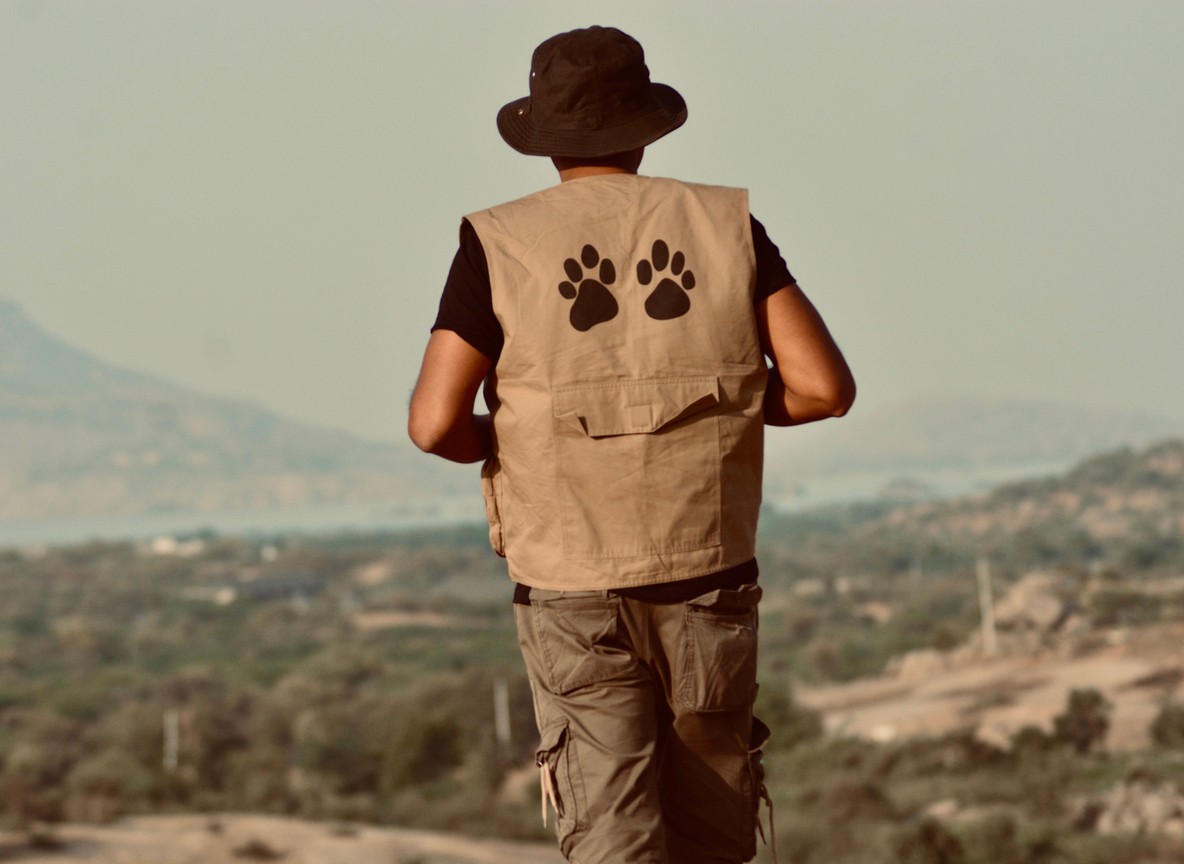
Khaki, olive, sand, and stone tones are not superstition. They do three practical jobs at once. First, they hide dust, which matters on the laterite roads of Tsavo East and Amboseli, where a red film settles on anything within an hour of driving. Second, these tones do not draw tsetse flies the way dark blue and black do. Third, they blend into a vehicle and landscape well enough that you are not the brightest thing in every photo you take.
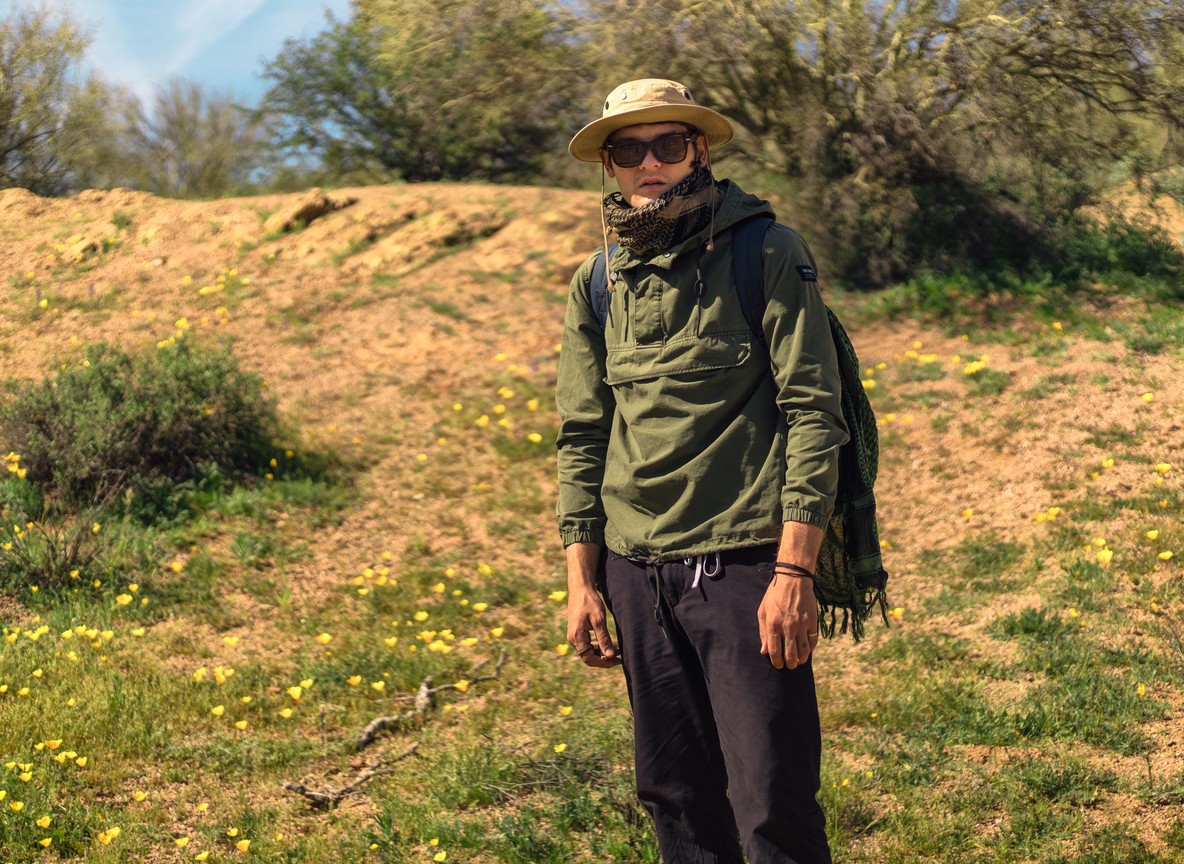
Green shirts and trousers work just as well as khaki for all three purposes. Grey and light brown are fine too. The exact shade matters far less than avoiding the two problem colors above. Five or six neutral pieces you can mix and re-wear cover the color question completely.
What Doesn’t Matter as Much as You Think
A few widely repeated rules deserve a second look.
Camouflage print is not banned for tourists in most of Kenya. But it is legally restricted for civilians in several East African countries, where it is reserved for military and police use. Airport or park staff can ask you to change or cover it. Skip it and avoid the hassle entirely.
Matching your outfit to your camp’s aesthetic does nothing for wildlife viewing. It is a personal style choice, not a safari requirement. The old idea that red provokes buffalo or elephants has no real evidence behind it in East Africa. It is a bullfighting myth that migrated into safari folklore. Comfort and practicality should drive that choice, not a color superstition.
Fabric Guide: What to Pack and Why
Fabric choice affects your trip more than color does. Kenya’s safari regions swing between hot, dusty midday drives and genuinely cold early mornings, especially at higher elevation.
| Fabric | Best for | Why it works | Avoid for safari because |
|---|---|---|---|
| Lightweight quick-dry synthetic (nylon/polyester blend) | Daytime shirts, trousers | Dries fast after dust or a sudden shower, packs small | Can feel clammy in humid coastal transfers |
| Merino wool | Base layers, dawn game drives | Warm even when damp, resists odor over multiple wears | Slower to dry if soaked |
| Cotton (mid-weight) | Casual camp evenings | Breathable, comfortable at rest | Slow to dry, heavy when wet on early drives |
| Denim | Not recommended | N/A | Heavy, slow-drying, restrictive for long vehicle days |
| Fleece (light, non-black) | Evening layer | Packs light, warm for camp fires and dinners | Skip black or navy fleece specifically |
| UPF-rated sun shirts | Midday exposure | Blocks UV without needing constant sunscreen reapplication | None; genuinely useful addition |
Layering for Kenya’s Temperature Swings
Elevation drives temperature more than season does, and it varies more across Kenya’s parks than most first-time visitors expect.
| Region | Typical elevation | Dawn game drive temp (dry season) | Midday temp (dry season) | Tsetse fly presence |
|---|---|---|---|---|
| Maasai Mara National Reserve | 1,500-2,170 m | 12-14°C | 27-29°C | Moderate, riverine areas |
| Samburu National Reserve | 800-1,200 m | 16-18°C | 32-34°C | Higher, wooded river zones |
| Amboseli National Park | approx. 1,150 m | 14-16°C | 29-31°C | Low |
| Tsavo East National Park | 200-1,000 m | 18-20°C | 33-35°C | Low to moderate |
| Lake Nakuru National Park | 1,750-2,073 m | 10-12°C | 24-26°C | Low |
These are typical dry-season ranges, not guarantees. Pack for both ends regardless of month. A base layer, a mid layer, and a windproof outer piece cover the swing from a 12°C dawn drive to a 30°C midday stop. You will not need to change bags between park zones.
Explorer Notes
Most light-aircraft charters into camps near Sekenani Gate, Musiara airstrip, or Samburu’s Kalama airstrip enforce a soft-bag-only limit. Expect around 15 kg checked weight plus 5 kg hand luggage. Hard-shell suitcases usually will not fit the cargo hold. Pack neutral fabrics in a soft duffel instead if any leg of your trip involves a bush flight.
Guides in Samburu and Meru specifically ask guests not to wear dark blue or black on game drive mornings. That is when tsetse activity peaks near riverine thickets. If you only own one navy jacket, save it for Nairobi or the flight home.
Buy your neutral pieces before you fly rather than at a lodge gift shop. Camp shops stock safari-branded clothing at a real premium, often two to three times a Nairobi retail price. Selection also narrows fast once you are deep in the bush.
Dust is the practical reason khaki wins, not fashion. A single 45-minute drive on the Amboseli-Namanga road leaves pale trousers visibly reddened. Darker khaki and olive tones simply hide it better between laundry days.
If you would rather have a full outfitting plan handled for you, our Tour Packages page can help. It connects you with partner operators who advise on gear for your exact route and season, before you pack a single bag.
Frequently Asked Questions
What color should you not wear on a Kenya safari? Avoid dark blue and black, which attract tsetse flies in wooded and riverine areas like Samburu and Meru. Bright white and neon colors are not dangerous but stand out and show dust quickly.
Does clothing color really affect animal sightings? No. Most safari animals respond to movement, shape, and scent more than color. Color choice affects insect attraction and your own visibility in photos, not whether wildlife notices you.
Is camouflage clothing allowed on safari in Kenya? It is legally restricted for civilians in several East African countries and reserved for military and police use. Pack neutral khaki or olive tones instead to avoid any issue at airports or gates.
What fabric is best for a Kenya safari? Lightweight quick-dry synthetics for daytime, merino wool for cold dawn drives, and a light non-black fleece for evenings cover most conditions. Skip denim, which stays heavy and slow-drying.
Do I need different clothing colors for different parks? Not different colors, but pack more layers for cooler high-elevation parks like the Maasai Mara and Lake Nakuru, and lighter fabrics for hotter low-elevation areas like Tsavo East and Samburu.
What to Read Next
- Building a full packing list from scratch? See our complete Kenya safari packing guide.
- Flying into a bush camp? Check what luggage weight limits actually mean for bush flights.
- Packing as part of a couple or family? Read our Kenya family safari packing list.