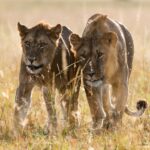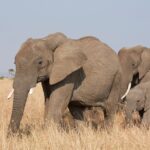
The Masai Mara hosts two distinct safaris, and they overlap only partly. From July through October, more than 1.5 million wildebeest cross from Tanzania into Kenya, turning the plains into one of the largest wildlife spectacles on the planet. The rest of the year, the wildebeest are gone, but the Mara’s permanent residents remain: lions, leopards, cheetahs, elephants, and hundreds of other species that hold their ground through every season.
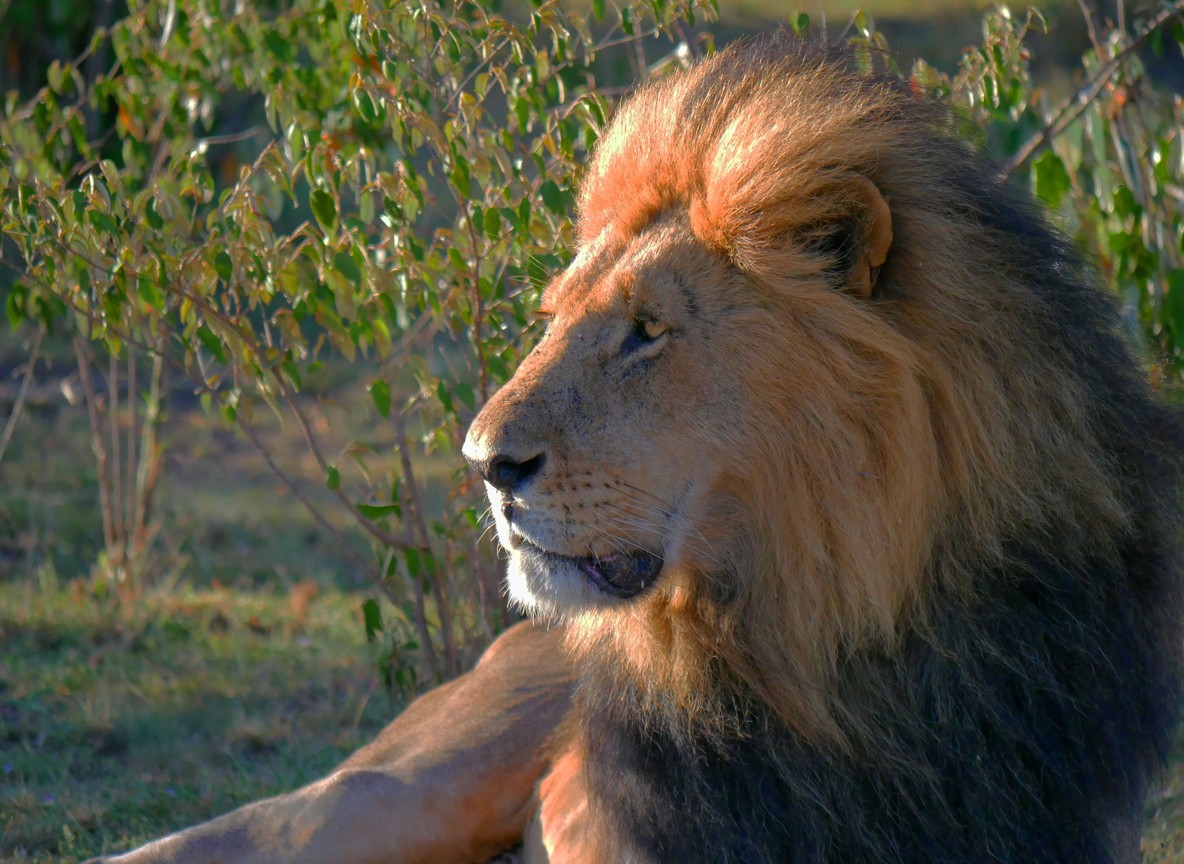
Understanding the great migration vs resident wildlife distinction shapes everything about your planning, from travel dates and budget to what you will actually see on each game drive.
What the Great Migration Is
The Great Migration is a year-round circular movement of wildebeest, zebra, and Thomson’s gazelle across the Mara-Serengeti ecosystem spanning Kenya and Tanzania. The Kenya chapter runs from July through October.
- July to August: The first herds cross from Tanzania into Kenya. Mara River crossings begin, with wildebeest plunging through water where Nile crocodiles hold their positions and wait.
- August to September: Peak season. Herds graze across the Mara plains and crossings are most frequent. Predator activity intensifies as lions and cheetahs work the concentration of prey.
- October to November: Short rains arrive, the herds reverse course, and the plains return to their permanent population.
The window when wildebeest fill the Mara runs to roughly four or five months. Outside that period, the migration story moves to Tanzania.
The Masai Mara’s Resident Wildlife
The Mara holds 95-plus mammal species and more than 450 bird species regardless of migration season. These are not consolation sightings.
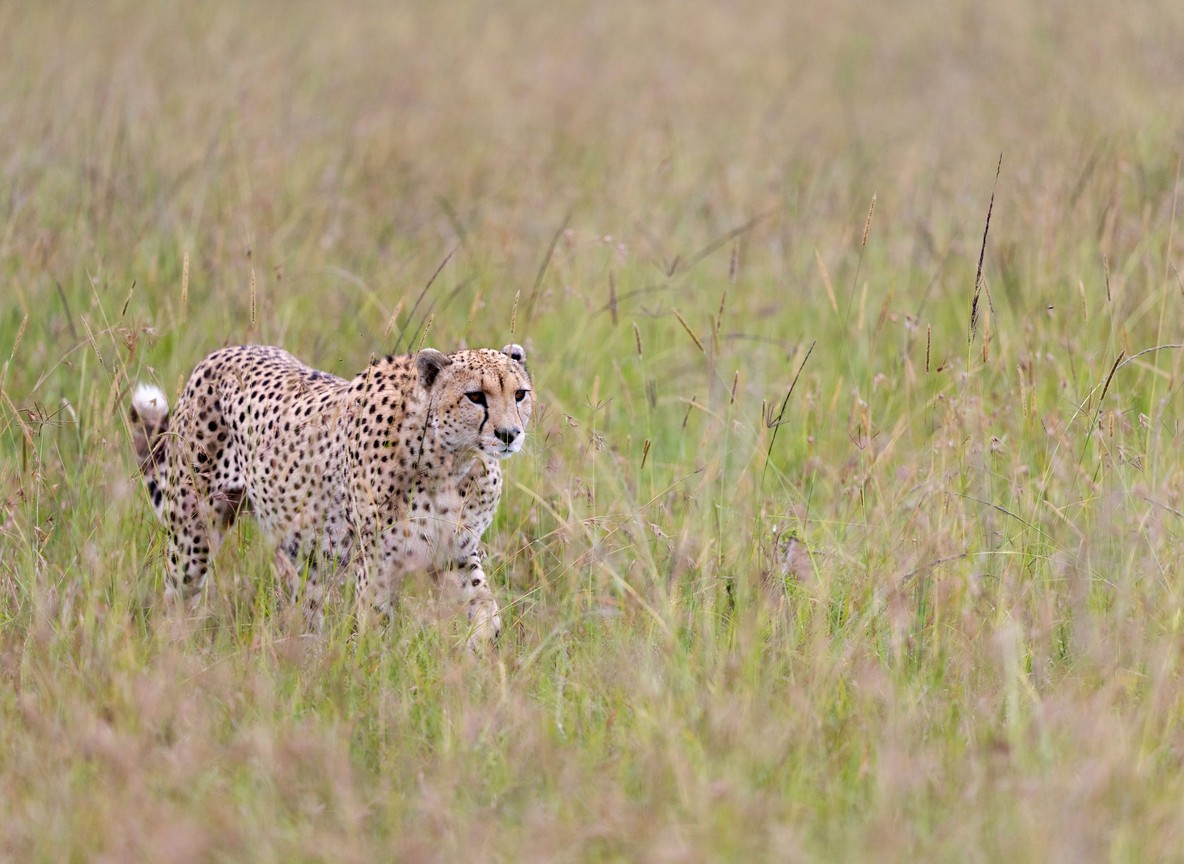
Big cats are the headline year-round. The Mara supports multiple resident lion prides, among the most studied populations on the continent. Leopards are consistently sighted along the riverine forests flanking the Mara and Talek rivers. Cheetahs favor the open plains; outside peak migration season, with fewer vehicles competing at sightings, extended uninterrupted viewings are common.
Other permanent residents include:
- African elephants in large herds, particularly along the Mara River and around the Oloololo Escarpment
- Cape buffalo in enormous concentrations on the plains
- Hippo at permanent pools along the Mara River
- Masai giraffe, warthog, baboon, and vervet monkey
- Spotted hyena, active at dawn and dusk
- Black-backed jackal, common throughout
Specialist sightings are possible but require patience. Caracal and serval are both year-round residents; caracal sightings are rare, serval more reliable at night inside conservancy areas. African wild dog passes through periodically but has no permanent territory in the Mara.
Great Migration vs Resident Wildlife: A Direct Comparison
| Factor | Migration Season (Jul-Oct) | Resident Wildlife (Year-Round) |
|---|---|---|
| Wildebeest herds | 1.5 million+ | Absent |
| Zebra | Migration and resident herds | Resident herds |
| Mara River crossings | Yes, peak Aug-Sep | No |
| Lions | Elevated activity, abundant prey | Excellent throughout |
| Cheetahs | Excellent | Excellent, fewer vehicles outside season |
| Leopards | Excellent | Excellent |
| Elephants | Excellent | Excellent |
| Predator drama | Maximum | Very good |
| Vehicle density at sightings | High | Calmer, more space |
| Accommodation rates | Peak season pricing | Substantially lower |
Is the Masai Mara Worth Visiting Without the Migration?
The straightforward answer is yes. A January or June safari in the Masai Mara still produces daily lion sightings across multiple prides, regular cheetah encounters with room to watch without a convoy of vehicles, consistent leopard sightings in the riverine forest, elephant herds at the river, hippo pools, buffalo by the thousand, and birdlife in the hundreds of species.
What you will not see is wildebeest crossing the Mara River. That absence matters to some travelers. For others, particularly those focused on big cats or photography, the quieter months deliver cleaner, longer sightings and a different texture of experience altogether.
Month-by-Month Wildlife Guide
- January and February: Calving season on the southern Serengeti plains just below the Kenya border. Intense predator activity follows the newborns. Resident wildlife is at peak dry-season visibility in the Mara itself. Among the best months for big cat encounters.
- March: Long rains begin. The landscape transitions from gold to green. Wildlife disperses into wider patterns. Good conditions, but transitional.
- April and May: Long rains. Roads in some areas become difficult. Sightings can be less consistent. Lower rates, significantly quieter camps.
- June: Rains ending. Vivid green landscape. Zebra herds arrive ahead of the wildebeest. Conditions building quickly toward peak.
- July: First wildebeest cross into Kenya. River crossings start. Migration season opens.
- August: Peak migration. Crossings most frequent. Maximum wildlife concentration on the plains.
- September: Migration continues. Crossings decrease. Herds spread across the grassland.
- October: Final crossings. Herds beginning the return south. Resident wildlife excellent.
- November: Short rains arrive. Wildebeest gone. Green landscape, low crowds, good sightings. One of the most underrated months to visit.
- December: Short dry season begins. Good conditions, moderate pricing.
Which Safari Fits Your Priorities?
Plan around the Great Migration if:
- A Mara River crossing is something you specifically want to witness
- You want the full wildebeest spectacle and predator-prey drama at scale
- This is your one visit to the Masai Mara and you want every element
- July through October fits your travel dates
Plan around resident wildlife if:
- Lions, leopards, or cheetahs are your primary focus
- Budget matters and you can take advantage of lower non-migration rates
- You prefer less crowded game drives with more uninterrupted time at sightings
- Your dates fall outside July through October
- You have visited before and want a quieter, different rhythm
The Mara is one of the few destinations where neither choice is a genuine compromise. The resident wildlife alone would place it among Africa’s top safari parks. The migration adds extraordinary scale. Knowing which story you are there to experience is the most useful piece of planning information you can carry into your booking process.
Explorer Notes
- River crossing sightings are not guaranteed during migration season. Crossings depend on herd movement and can happen twice in a single day or not at all for a week. Patience is part of the experience, not an exception to it.
- Conservancy areas adjacent to the Mara National Reserve, including Olare Motorogi, Naboisho, and Mara North, restrict vehicle numbers at sightings year-round. These areas are worth prioritizing in peak season if crowd density at sightings concerns you.
- Migration season accommodation rates are typically 30 to 50 percent higher than non-migration months. If you are working within a defined budget, the shoulder months of June and November offer strong game viewing at meaningfully lower prices.
- The calving season in January and February, south of the Kenya border and visible from Mara conservancy areas, draws some of the most intense predator activity of the year. Many first-time visitors overlook it entirely.
Conclusion
The Masai Mara delivers a world-class safari regardless of the season you choose. Migration season offers a spectacle of scale that few wildlife destinations can match anywhere on the continent. Outside that window, the permanent residents, particularly the big cat populations, make the Mara one of the most reliable and rewarding game-viewing areas in Africa. The choice is not between good and better. It is between two different kinds of extraordinary.
If this guide has you ready to travel, a safari specialist can handle the route, camps, and logistics end to end.
Want to Book a Tour With Us?Further reading
More safari planning resources
- Wildebeest migration route map from Valley Safaris
- Great Migration safari collection on FindMySafari
- Best time to visit Kenya month-by-month map from Valley Safaris
- Interactive Maasai Mara map from Valley Safaris
Related guides: Predator Kills vs Casual Wildlife on Safari: Two Dimensions Worth Understanding.