

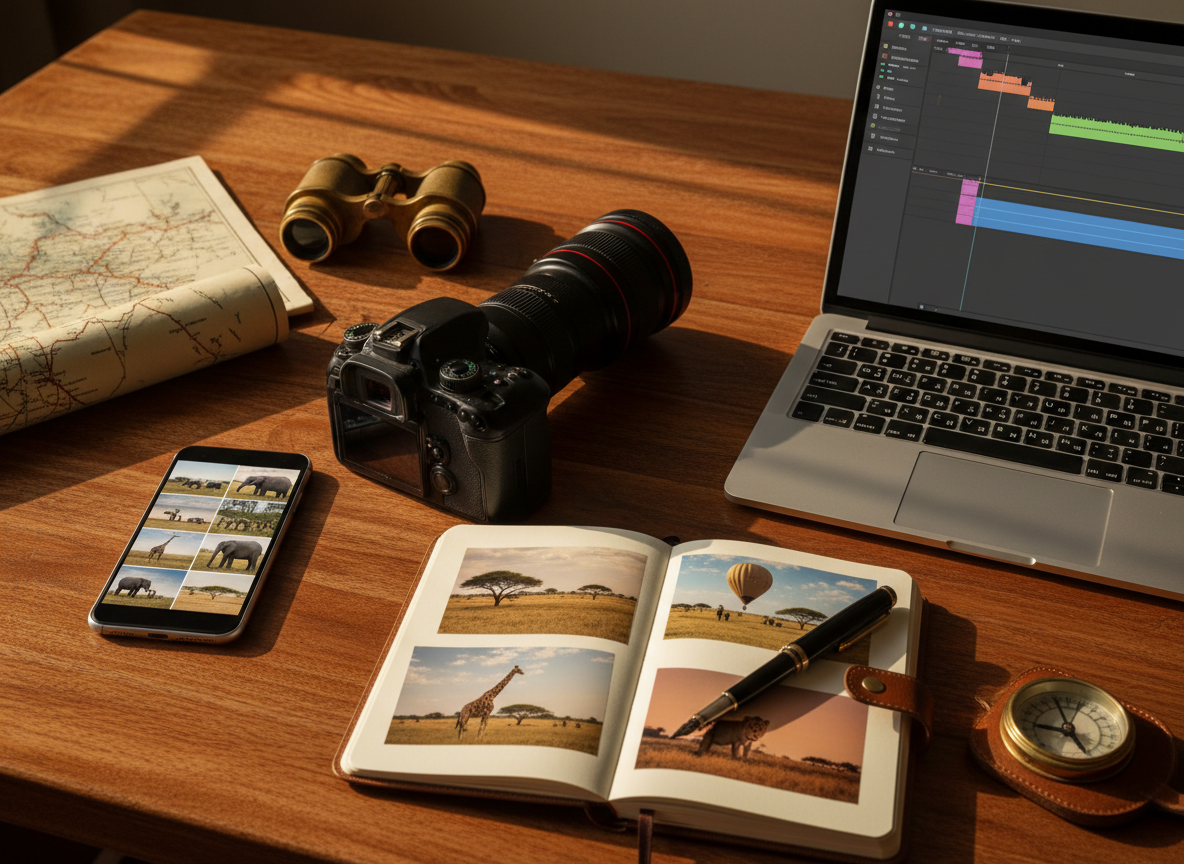
A Kenya safari generates content. Thousands of photographs, hours of video, and a depth of experience that demands to be shared with someone. The three platforms most commonly used by safari travelers to share their experience are Instagram, YouTube, and a personal travel blog. Each suits a different type of storyteller and a different content format.
This guide from Trunktrails Safaris compares all three platforms for post-safari content sharing: helping you choose the format that matches your content, your audience, and how much time you want to invest.
Quick Comparison: Instagram vs YouTube vs Blog
| Factor | YouTube | Blog | |
| Primary Format | Photos and short video (Reels) | Long-form video | Written narrative with photos |
| Ideal Content Length | Captions 150 to 2,000 characters | 5 to 30 minute videos | 800 to 3,000+ words per post |
| Audience Discovery | Hashtags; Explore page | Search; YouTube algorithm | Google search (SEO) |
| Speed to Post | Fast: single image with caption | Slow: filming, editing, rendering | Moderate: writing and photo selection |
| Shelf Life | Short: posts age quickly in feeds | Long: YouTube videos rank for years | Long: blog posts searchable indefinitely |
| Equipment Needed | Smartphone minimum | Camera, microphone, editing software | Computer; writing skill |
| Engagement Type | Likes, comments, DMs | Views, comments, subscriptions | Comments; social shares |
| Best For | Real-time sharing; visual impact; community | Video storytelling; vlogging; education | Detailed narrative; SEO reach; personal record |
| Revenue Potential | Brand partnerships; affiliate | AdSense; sponsorships | Affiliate marketing; advertising |
Instagram: Visual Immediacy
Why Instagram Works for Safari Content
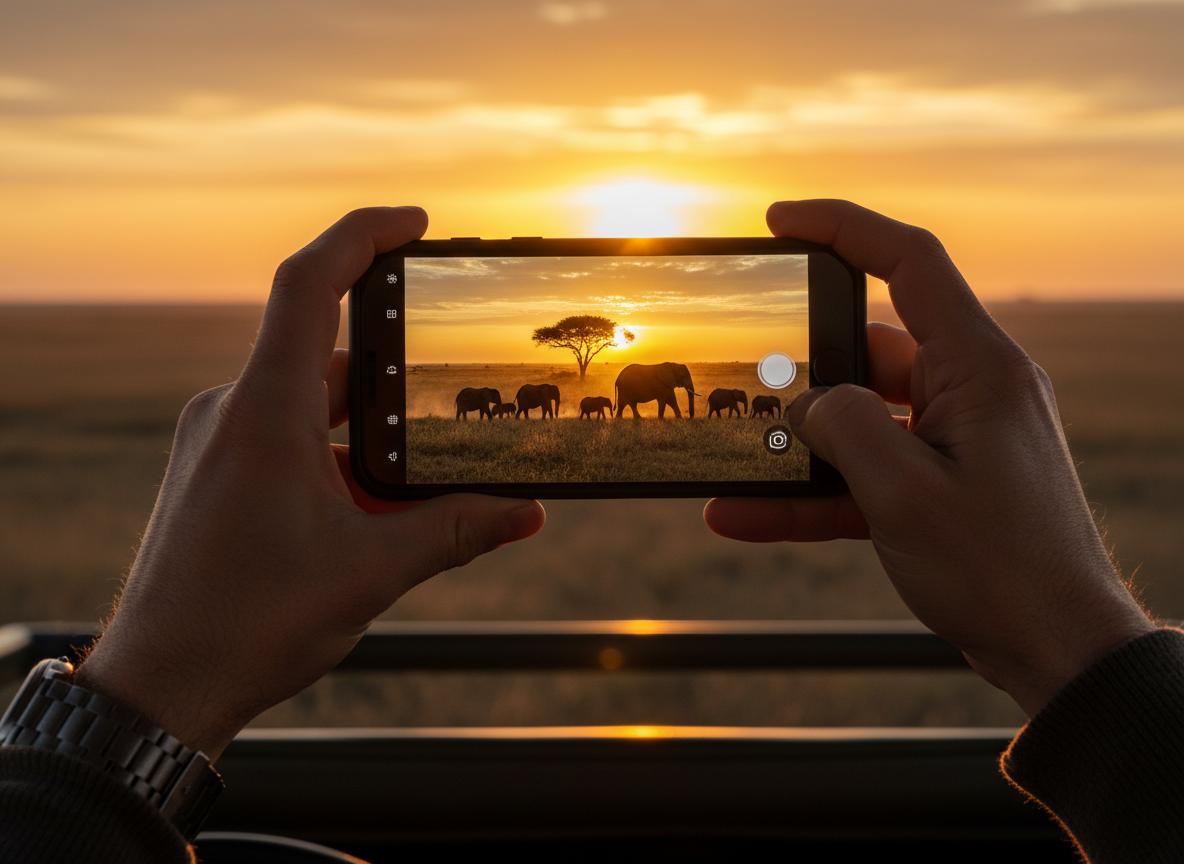
Instagram is built for photography: and a Kenya safari produces spectacular photographs. The combination of golden light, dramatic wildlife behavior, and extraordinary landscape gives the Masai Mara an almost unfair advantage as Instagram content. Even a modestly capable phone photographer returns from a Kenyan safari with images that stop a scroll.
Instagram Reels (short video format, 15 to 90 seconds) allow brief video moments: a wildebeest crossing, a cheetah sprint, a lion cub playing: to be shared as complete, engaging narratives without the production investment of a YouTube video.
How to Share Safari Content on Instagram
- Posting timing: Many safari travelers post in real time during their trip (if WiFi permits) or in a structured batch post-trip
- Hashtags: Use a combination of general safari hashtags (#safari, #masaimara, #africawildlife) and specific location tags to reach wildlife photography communities
- Stories: Behind-the-scenes camp life, game drive departures, and candid moments often perform well in Stories format
- Caption depth: Instagram algorithms reward engagement: captions that ask questions or share a story often generate more comments than pure image-only posts
Instagram Limitations
Instagram content ages quickly. A post from your safari six months ago receives minimal traffic unless it is specifically reshared. Instagram is excellent for real-time sharing and community engagement but does not build long-term searchable content.
YouTube: Safari Video Storytelling
Why YouTube Works for Safari Content
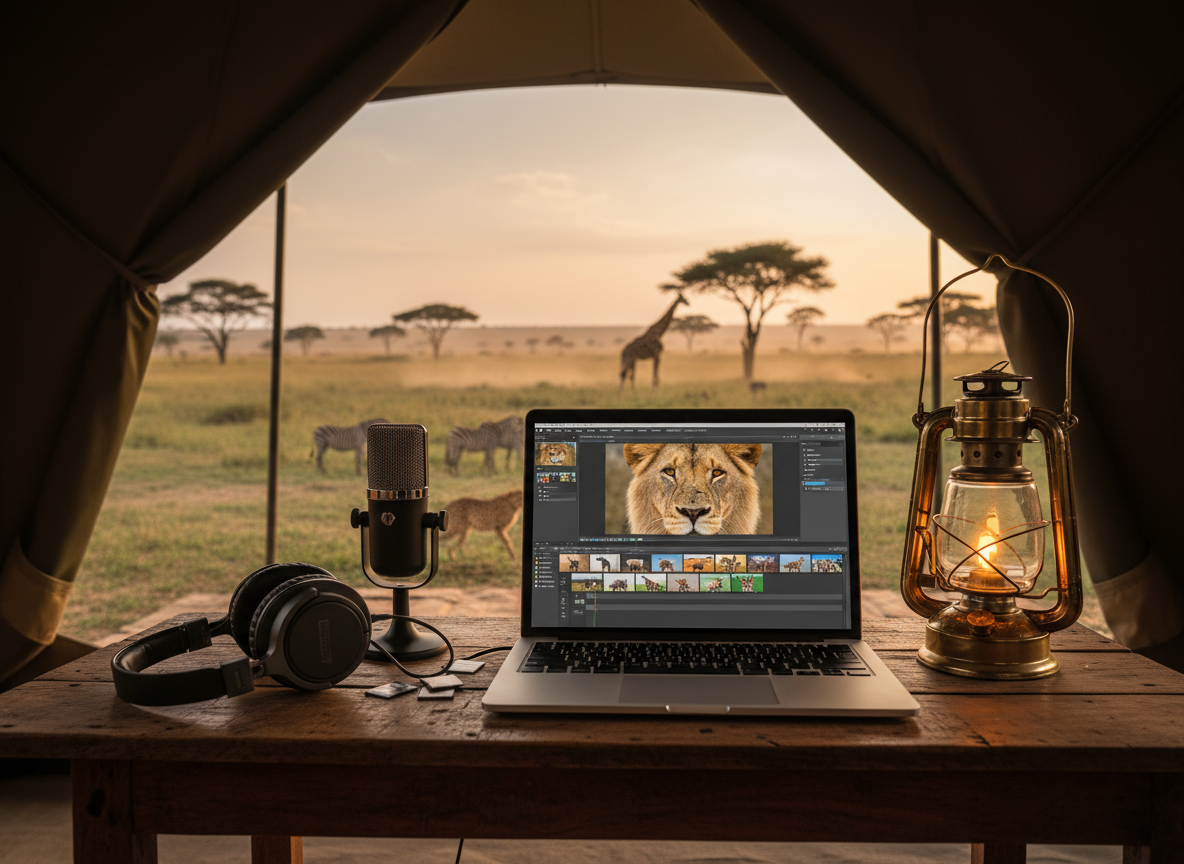
The Kenya safari is a visual and auditory experience: the dawn chorus, the sound of a lion call at 3am, the thundering of wildebeest hooves at the Mara River crossing. These are not adequately represented in photographs. YouTube’s long-form video format allows the full sensory story to be told.
Safari vlogs: 10 to 30 minute videos following a day or a specific experience: have a dedicated audience on YouTube. Wildlife footage from the Masai Mara, drone shots across the Mara plains, and candid guide interactions all perform well on the platform.
The Production Reality
YouTube requires significantly more production effort than Instagram. You need:
- A camera capable of quality video (mirrorless or DSLR; some phones work well)
- A quality external microphone for clean sound
- Video editing software (DaVinci Resolve is free and capable; Adobe Premiere is professional standard)
- Time: a 15-minute safari vlog may take 5 to 15 hours to edit and render
For travelers who enjoy the creative process, YouTube is deeply satisfying. For those who want to share their experience quickly without production work, Instagram is more practical.
YouTube’s Longevity Advantage
Unlike Instagram, a YouTube video about the Masai Mara Great Migration can receive thousands of views for years after posting. YouTube is the world’s second largest search engine: well-optimized safari content continues to find new audiences indefinitely.
Blog: Depth, Narrative, and Search
Why Blogging Works for Safari Content

A travel blog allows the depth of a Kenya safari experience to be communicated in a way that neither Instagram nor YouTube can fully achieve. The cultural context of Maasai land tenure, the ecological explanation of why the Great Migration happens, the personal narrative of watching a lion stalk prey at dawn: these require words.
Blogs indexed by Google also build long-term searchable traffic. A detailed post about the Masai Mara in July, written thoughtfully and with SEO awareness, can receive organic search traffic for 3 to 5 years after publication.
Blog Limitations
Blogging requires a consistent commitment to writing. A single Kenya safari can generate 5 to 15 quality blog posts: if you have the writing discipline to produce them. Many travelers begin blogs after a major trip and abandon them after 2 to 3 posts.
The audience for a personal travel blog is smaller and harder to grow than Instagram or YouTube: unless you invest in SEO, social promotion, and consistent publishing over years.
Which Should You Choose?
Choose Instagram If You:
- Want to share safari experiences in real time or shortly after returning
- Have strong photography skills or a smartphone capable of quality images
- Want community engagement and a social media-based following
- Do not want to invest in video editing or long-form writing
Choose YouTube If You:
- Love video and have some comfort with filming and editing
- Want to tell the full sensory story of a Kenya safari with sound and movement
- Are willing to invest production time for a platform with strong long-term reach
- Have multiple trips planned and want to build a travel video channel
Choose a Blog If You:
- Enjoy writing and want to document your experience in narrative depth
- Are interested in SEO and building long-term search traffic for your content
- Want a permanent personal record of your travel experience in searchable format
- Have writing skills and enjoy the research dimension of explaining wildlife ecology and culture
Use All Three If:
- You create content professionally or semi-professionally
- You have the time and equipment investment for multi-platform publishing
- You want maximum reach across different audience types
Share Your Kenya Safari with the World and Tag Trunktrails Safaris
If Trunktrails Safaris helped plan your Kenya safari, we would love to see your content across any platform. Tag us, share your sightings, and show the world what the Masai Mara looks like through your eyes.
Trunktrails Safaris:
Plan the safari first. Then share it everywhere.