

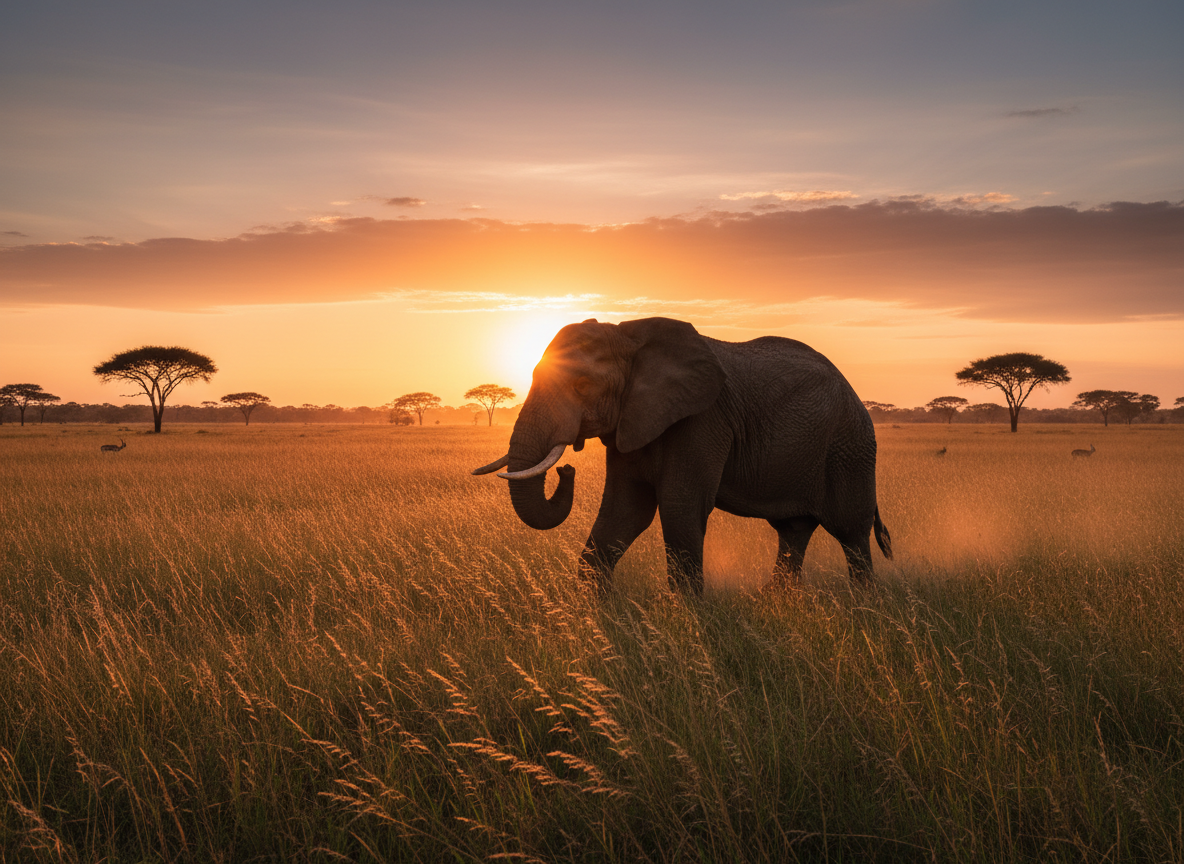
A safari isn’t just a vacation. It’s a soul-stirring connection with the wild. But here’s the truth: not all safaris are created equal. Some tours damage the very ecosystems they claim to celebrate. At Trunktrails Safaris, we believe ethical safari tourism is the future of responsible travel in East Africa. Every journey should protect wildlife, empower communities, and leave the land better than you found it.
This is what ethical safari tourism means. This is what we stand for.
What Is Ethical Safari Tourism?
Ethical safari tourism goes beyond ticking off a Big Five checklist. It’s a commitment to responsible tourism practices that respect wildlife, support local communities, and preserve ecosystems for generations to come.
True ethical safari tourism includes:
- Wildlife protection: Guides maintain safe distances, follow park regulations, and never stress animals for photos
- Community benefit: Revenue directly supports local guides, drivers, and families in safari regions
- Conservation funding: Tour operators invest in anti-poaching efforts, habitat restoration, and wildlife research
- Sustainable practices: Minimizing waste, using eco-friendly transportation, and respecting cultural traditions
- Transparency: Operators openly share how they operate and where your money goes
At Trunktrails Safaris, ethical safari tourism isn’t a marketing angle. It’s embedded in every decision we make. From guide training to community partnerships, we’ve built our entire operation around conservation-focused safaris that create real impact.
Why Conservation Matters in East Africa
East Africa is a global treasure. The Masai Mara, Amboseli, Tsavo, and Lake Nakuru are home to some of Earth’s most iconic wildlife. Yet these ecosystems face unprecedented pressure.
Poaching remains a critical threat. Habitat loss accelerates as human populations grow. Climate change disrupts migration patterns and water availability. Without intervention, the Africa we know risks disappearing.
This is where responsible tourism practices become essential. When travelers choose ethical safari tourism, they fund conservation directly. Every booking supports anti-poaching rangers, wildlife research, and habitat protection. Tourism becomes a tool for survival, not exploitation.
Trunktrails Safaris channels revenue into these efforts. We partner with conservation organizations. We employ local guides who become wildlife advocates. We ensure that tourism and conservation work together, not against each other.
The Impact of Irresponsible Tourism
Irresponsible tours and safaris leave scars. Drivers chase lions for photos. Guides harass animals to create “perfect moments.” Waste accumulates in pristine landscapes. Communities see little benefit while their land transforms into a commodity.
The damage is real:
- Wildlife stress: Constant pursuit disrupts feeding, breeding, and rest cycles
- Habitat degradation: Off-road driving compacts soil and damages vegetation
- Cultural erosion: Inauthentic performances replace genuine community engagement
- Economic leakage: Money flows to foreign companies, not local people
- Conservation setback: Locals lose incentive to protect wildlife when tourism brings no benefit
Irresponsible tours and safaris create a vicious cycle. Animals avoid areas with heavy tourism. Communities resent visitors. Ecosystems deteriorate. Everyone loses.
The solution is clear: choose ethical safari tourism. Choose operators who prioritize conservation over convenience. Choose guides who respect wildlife. Choose tours and safaris that leave the land better than they found it.
How Trunktrails Safaris Leads the Way
Trunktrails Safaris was built on a different model. We’re a native Kenyan operation, not a foreign middleman. We know these lands. We live here. We’re invested in their future.
Our approach to conservation-focused safaris includes:
Guide Excellence: Every Trunktrails guide undergoes rigorous training in wildlife behavior, conservation ethics, and sustainable practices. They’re not just drivers. They’re educators, protectors, and storytellers who connect you to the land’s soul.
Direct Operations: We own our vehicles and manage our safaris directly. No middlemen. No markup. Your investment goes straight to conservation and community benefit.
Community Partnerships: We work with Maasai communities, conservation organizations, and local initiatives. Revenue supports education, healthcare, and wildlife protection in the regions we operate.
Responsible Itineraries: Our conservation-focused safaris are designed with wildlife welfare in mind. We maintain ethical distances. We respect park regulations. We prioritize animal behavior over photo ops.
24/7 Support: From pre-trip planning to post-safari follow-up, we’re here. We customize every journey to your interests, pace, and values. Ethical safari tourism means treating you like family, not a transaction.
Your Role in Protecting Wildlife
You have power. Every booking decision matters. Every dollar spent shapes the future of East African wildlife.
When you choose ethical safari tourism, you:
- Fund conservation: Your investment directly supports anti-poaching efforts and habitat protection
- Empower communities: Local guides, drivers, and families benefit from your presence
- Protect wildlife: Responsible tourism practices minimize stress on animals
- Preserve ecosystems: Sustainable practices protect the land for future generations
- Send a message: You tell the tourism industry that ethics matter
This is the power of responsible tourism practices. This is why your choice of tour operator matters deeply.
Trunktrails Safaris invites you to be part of the solution. Join us on conservation-focused safaris where every moment serves a greater purpose. Your adventure becomes their survival story.
The Trunktrails Advantage
What sets Trunktrails Safaris apart? It’s simple: we put conservation first.
Ethical Foundation: Every safari we offer is built on conservation principles. We maintain wildlife welfare standards. We invest in community development. We measure success not just by bookings, but by conservation impact.
Direct Operator Model: We don’t work through middlemen. We manage our own vehicles, guides, and itineraries. This means transparency, quality control, and maximum benefit to local communities.
Customization & Flexibility: Your safari is yours alone. Want to focus on photography? We’ll arrange it. Interested in cultural immersion? We’ll connect you authentically. Passionate about conservation? We’ll show you the work happening on the ground.
24/7 Support: Before your trip, during your adventure, and after you return home, we’re available. Questions? Concerns? Special requests? We respond immediately via WhatsApp, email, or phone.
All Budgets Welcome: Ethical safari tourism shouldn’t be exclusive. Whether you’re seeking budget-friendly tours and safaris or luxury experiences, we’ve got options. Conservation doesn’t require a five-star price tag.
Ready to Make a Difference?
Ethical safari tourism is more than a trend. It’s a movement toward responsible travel that protects what matters most.
The question isn’t whether you can afford a safari. It’s whether you can afford not to choose one that matters.
Trunktrails Safaris is ready to show you East Africa the right way. Let’s create an adventure that feeds your soul and protects the wild. Let’s prove that tourism and conservation can thrive together.
Ready to book your ethical safari? Reach out today.
WhatsApp us at +254 113 208888 or email info@trunktrailssafaris.com to start planning your conservation-focused adventure. Visit https://touringinsights.com/ to explore our tours and safaris.
Your journey begins here. The wild is waiting.