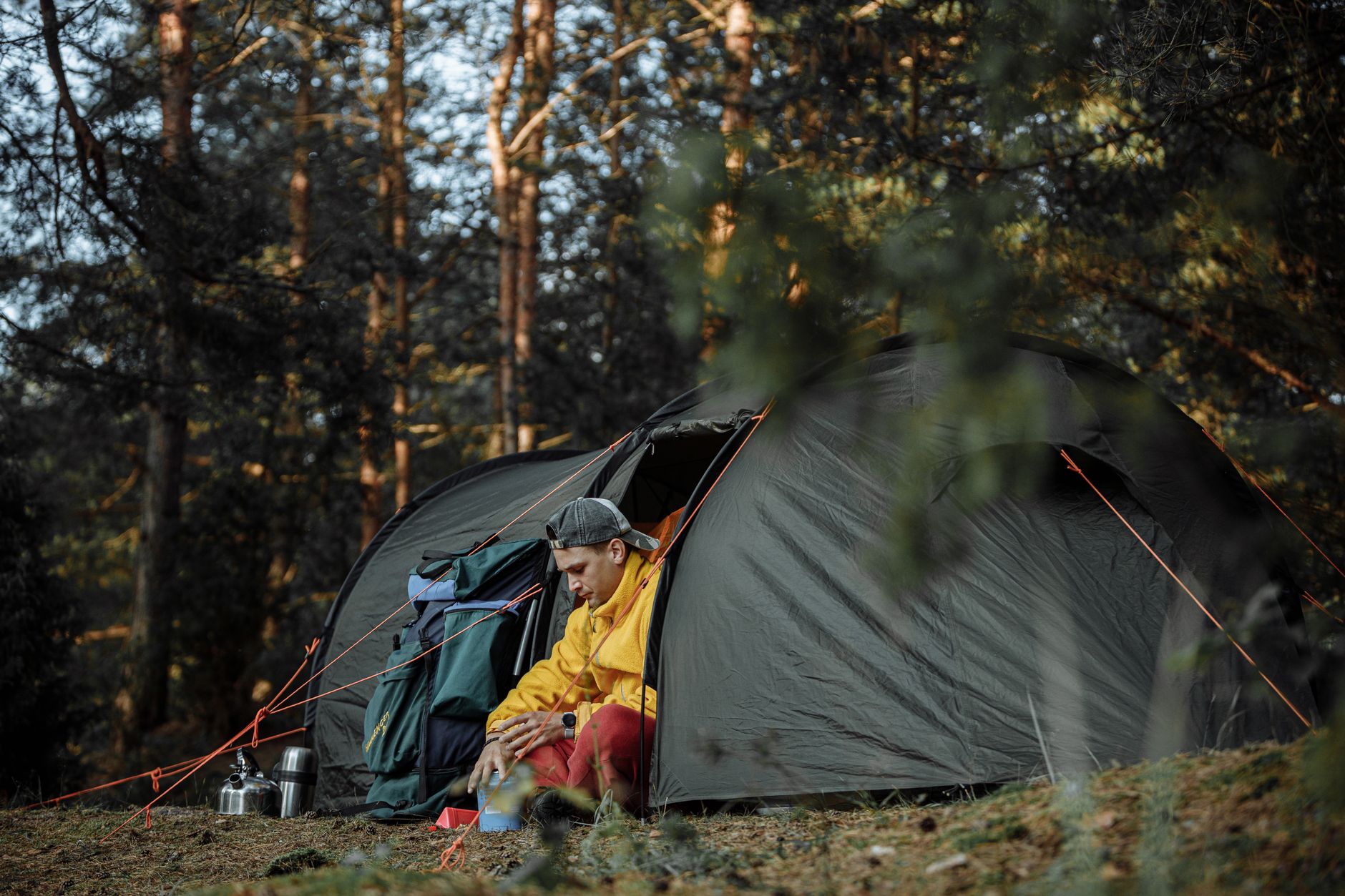
Every evening in a Kenyan safari camp, the same quiet ritual happens. A staff member or askari walks you back to your tent after dinner, checks the zips, and makes sure the entrance is closed. On a honeymoon, that escort can feel like a gentle end to a perfect day. In practical terms, it is also the answer to why do safari camps lock tents. They are closing a barrier between you and the bush, not a prison door.
Why Do Safari Camps Lock Tents at Night?
Safari camps ask guests to close or lock tent entrances to keep mosquitoes, flies, rain, dust, cold air and curious small animals outside. The zipper is primarily a sealed barrier, not a fortress. It also prevents monkeys and other opportunistic animals from entering when guests leave belongings or food visible inside.
Think of the zip as camp routine, not a high-security vault. Here is what the nightly close actually does:
- Keeps insects and weather out. Mosquito netting and the outer canvas stop bugs, dust and rain. In hot weather, it is tempting to leave a flap open, but the small gap invites trouble.
- Stops small animals. Monkeys, baboons and mongooses can open an unzipped flap, especially if they smell food. A closed tent removes the chance.
- Gives privacy. A closed tent signals that no one should walk in without knocking. That matters in busy camps as much as in wild ones.
Most safari tent safety comes from habits, not hardware. The zipper only works when you use it.
Are Safari Tents Safe from Lions?
A fully closed tent reduces wildlife encounters by removing easy access, food smells and visible human movement, but it is not an animal-proof wall. Lions, elephants and hippos may pass through an unfenced camp, so guests must stay zipped inside, avoid food and never approach or investigate an animal outside.
In the Masai Mara and the private conservancies of Mara North and Naboisho, camps are usually unfenced. Animals can move right through the camp at night. Parts of Amboseli and Tsavo have permanent camps with fenced grounds, but that fence is not a zoo wall. A fence can keep an elephant out of the dining area, but it does not make canvas unbreakable.
In an unfenced safari camp, the safest place is inside a fully closed tent. Follow these habits:
- Stay zipped in. If you hear footsteps or breathing outside, stay still and quiet.
- Never unzip the flap to look. Your curiosity can put you face to face with an animal.
- Keep food and scented items out of the tent. Lions and hyenas follow smell, not sound.
The wow moment of a safari should happen from a vehicle, not from your tent flap at midnight.
Why Do Staff Escorts Matter More Than a Padlock?
The main night-time protection is camp procedure, not the padlock on a zipper. In Kenya’s unfenced camps, staff or askari escorts accompany guests between tents and shared areas after dark. Patrols, radios, lighting and knowledge of local animal movements reduce risk more effectively than canvas locks alone.
A safari camp night escort is not a luxury. It is a core safety habit. Camp layout also helps. Dining tents sit apart from sleeping tents, and paths stay clear so escorts can see movement.
Here is what to do after dark:
- Call for an escort. Most camps provide a bell, radio or phone. Use it when you need to reach the dining tent or bathroom.
- Do not walk alone. Even a short walk can cross paths with a grazing buffalo or a resting lion.
- If you hear an animal near your tent, stay quiet inside and call staff. Do not investigate.
What Should You Do Before Sleeping or Leaving a Tent?
Before bed, close both the mesh and outer canvas, remove food and scented toiletries, keep a torch and communication method within reach, and confirm the emergency exit. After dark, call camp staff rather than walking alone. If an animal is nearby, stay quiet inside and never unzip the flap to look.
Work through this checklist every night:
- Close both layers. The mesh keeps insects out. The outer canvas keeps rain and curious animals away.
- Remove food and scented toiletries. Toothpaste, lotion and snacks all carry smell. If you feel ill and need health advice, read our when to rest and follow camp safety advice page before your trip.
- Keep a torch and headlamp within reach. A headlamp belongs on any what to pack for a safari list.
- Know your emergency exit. Some tents have a second opening. Know how it works before you need it.
- Ask about the camp radio or phone. Keep it where you can reach it without getting out of bed.
If something crawls in anyway, stay calm. Read what to do if insects get into your safari tent and call the camp if you need help.
Are Safari Tent Locks Secure Against Theft?
A tent zipper lock can deter casual access, but it cannot match a hotel-room door. Reinforced canvas can be cut, and many camps rely on staff supervision, reception lockboxes or safes instead. Keep passports, excess cash, jewellery and electronics in the camp safe or lockbox, and ask about arrangements before arrival.
Theft in a safari tent is rare, but do not invite it. Follow this list:
- Use the camp safe. Passports, cash and jewellery should stay there unless you need them.
- Do not leave valuables visible. A phone or camera near the window is an invitation.
- Ask before using your own padlock. Some tents have lockable zipper pulls, and some do not. A lock can slow down emergency exit, so get the camp’s advice first.
Your Next Step Is to Ask Better Questions Before You Book
Choose a camp that matches your comfort level. Ask whether it is fenced, whether escorts are provided at night, and where you should keep valuables. Then browse packages from FindMySafari or Valley Safaris, and mention that a safe night routine matters to you. The right camp will treat your night safety as seriously as your daytime adventure.
More safari planning resources
- Maasai Mara interactive map from SafariPure
- Best time to visit Kenya month-by-month map from Valley Safaris
- Big Five safari collection on FindMySafari