Can safari vehicles fit large cameras? Yes, in most Kenya safari vehicles, a professional camera body with a large telephoto lens can travel safely. The bigger question is space: where the lens waits, how much room it takes from other passengers, and what kind of vehicle you book. Each park changes how close you can get, so gear planning starts before you fly.
Can Safari Vehicles Fit Large Cameras?
Yes. A Kenya safari vehicle can usually carry a professional camera body attached to a 400mm, 500mm or 600mm telephoto lens, especially when the lens stays ready beside the passenger. The constraint is not whether the gear fits at all, but whether other passengers still have safe legroom, seat access and unobstructed viewing space.
The practical question is whether you can move, shoot and stay comfortable. In a fully occupied shared vehicle, a 600mm lens resting on your lap can crowd the passenger beside you. In a private pop-top Land Cruiser, the same lens sits ready on the doorsill with room to spare. Vehicle layout decides this, not just lens size.
Which Kenya Safari Vehicle Is Best for Large Cameras?
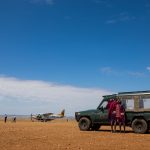
A private, spacious pop-top Land Cruiser is usually a strong Kenya option for large cameras because it offers roof-hatch access, window ledges and more freedom to change lenses. Standard shared vehicles can work, but confirm the row layout first. Dedicated photographic vehicles provide the most room, especially in private conservancies.
Most operators use pop-top Land Cruisers or enclosed 4x4s. A pop-top lets you stand for overhead shots. Window ledges are useful from your seat. Enclosed vehicles often provide better dust protection, but you may lose the roof-hatch option. If you shoot with a large setup, ask the operator before booking whether the row layout gives you a window seat with space to turn.
Read the Masai Mara guide for details on vehicle types and conservancy access. In the open plains of Amboseli, a 600mm helps you separate a distant tusker from the haze. In Samburu, animals often appear closer along the river, so a shorter lens may be fine.
How Much Camera-Bag Space Is Available in a Shared Safari Vehicle?
Shared safari vehicles have limited personal storage, particularly when two or three guests share a row. Bring only the equipment needed for that drive in a compact shoulder bag or small backpack, and keep the large lens beside you rather than on the floor. Full-size backpacks can be awkward between passengers.
Your main luggage rides in the rear, usually out of reach during a game drive. That is fine for extra clothes, but not for camera gear. Keep a small bag in your row with the body, the lens you plan to use, spare batteries, memory cards and cleaning supplies. At the start of each drive, decide which lens matters and leave the rest behind. For a fuller list, see what to pack for a Kenya safari.
Amboseli is a good example of how planning changes with the season. If your dates are flexible, you can compare Amboseli safari prices in the rainy season before you lock in a vehicle.
What Camera Support Works With a Large Lens on Safari?
A partially filled beanbag is the most practical support for a large lens in most safari vehicles because it rests on a doorsill, window frame or roof rail and allows quick horizontal panning. A monopod suits photographers standing through a roof hatch. A full tripod is generally impractical during a moving game drive.
A camera beanbag is light, easy to pack, and fits most Kenya vehicles. Fill it loosely so it molds around the lens, then wedge it on the window ledge, door edge or roof rail. A monopod helps when you stand through the pop-top, but keep your feet wide for balance on rough tracks. A tripod earns its space at camp for night skies or landscapes, not on a moving vehicle. If you use a very heavy lens, ask the guide whether the vehicle has a clamp mount.
How Should Photographers Pack and Protect Large Camera Gear?
Pack the camera and long lens in a dust-resistant case or compact bag that fits with the body attached, then carry spare batteries, cleaning equipment and weather protection. Keep the camera strap secured, avoid rigidly mounting the lens while the vehicle moves over rough tracks, and store unused gear away from dust and sudden rain.
Dust is the real enemy on Kenya’s roads. Tracks can be rough, especially in Samburu or parts of Tsavo. Keep a lens cloth and a small air blower in reach. Change lenses with your back to the wind when you can. Rain arrives quickly in the green season, so keep a thin weather cover handy.
Season also affects lens choice. In the dry months, animals gather around water and a 400mm or 500mm often works. In green season, grass grows high and animals may stay farther away, so a 600mm earns its place. For timing help, see the best time to visit Masai Mara.
When Is a Private Safari Vehicle Worth the Extra Cost?
A private vehicle is worth the cost when you need to change lenses often, keep a heavy lens bag within reach, or position the car without negotiating with a full row. It also helps in private conservancies, where vehicle limits create quieter, more flexible photography conditions.
Private conservancies around the Masai Mara tend to have fewer vehicles than national parks, and some also support Kenya rhino conservation work. Guides can often adjust position more freely when only your group is in the car. You pay more, but you gain time and working space. If your lens collection is large, this trade-off can make sense.
Before you compare costs, check the Kenya safari cost guide to see how private vehicle upgrades fit your budget. In Lake Nakuru, rhino and flamingo views can be close enough that a shorter lens and a shared vehicle may be fine. In the wide Mara plains, a 600mm and a private car often make the difference.
Picture Your Next Shot Before You Book
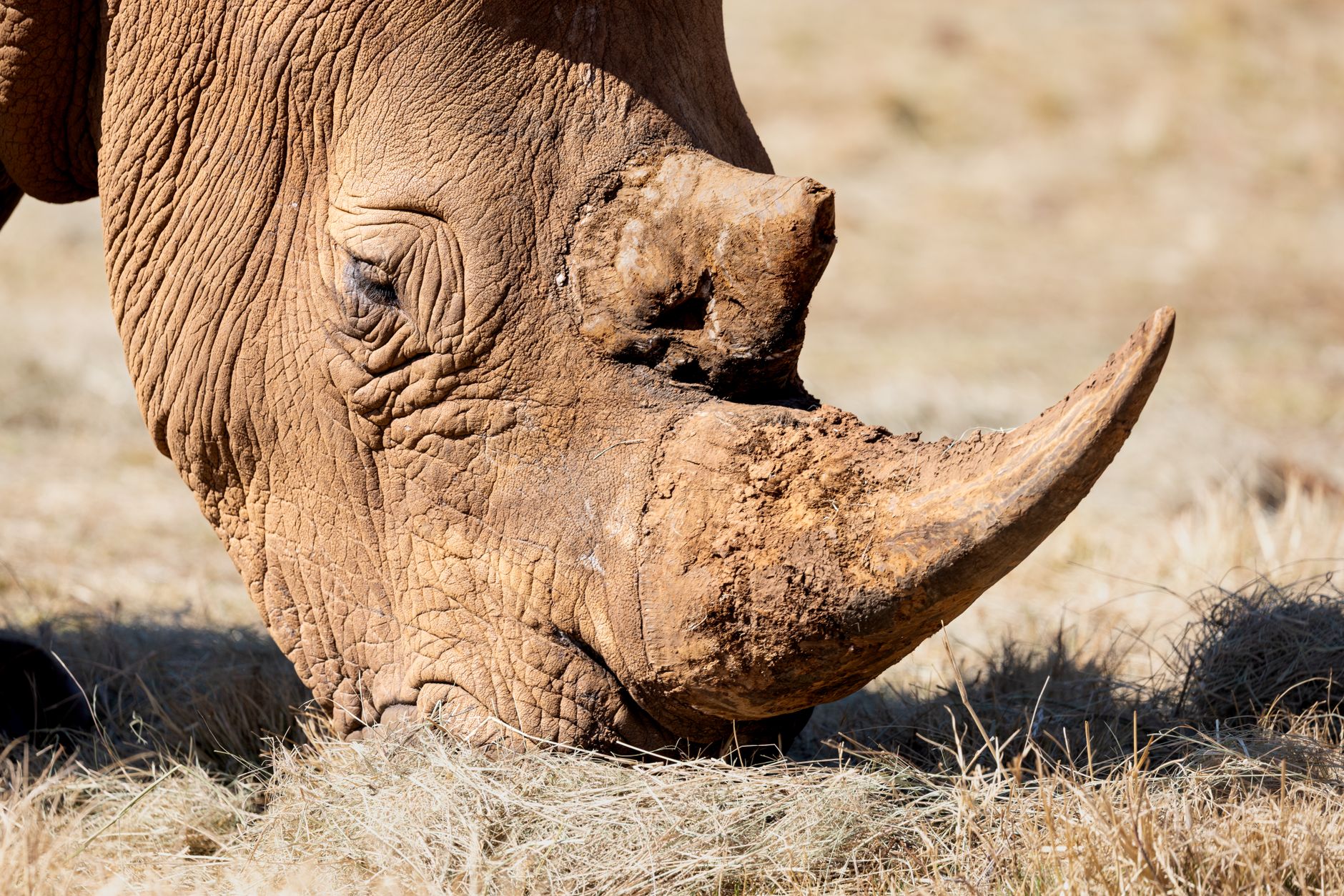
Think about the image you want to bring home. A lioness resting near the Mara River, a tusker dusting in Amboseli, a rhino grazing near an Ol Pejeta waterhole. Each scene asks something different from your camera support and your vehicle.
Once you know your gear, compare safari operators at FindMySafari, Valley Safaris, or Trunktrails Safaris, or browse packages that give your lens room to work.
More Safari Planning Resources
- Best time to visit Kenya map from SafariPure
- Best time to visit Kenya from Trunktrails Safaris
- Best time to visit Kenya month-by-month map from Valley Safaris
- Camera advice for your first safari, on FindMySafari