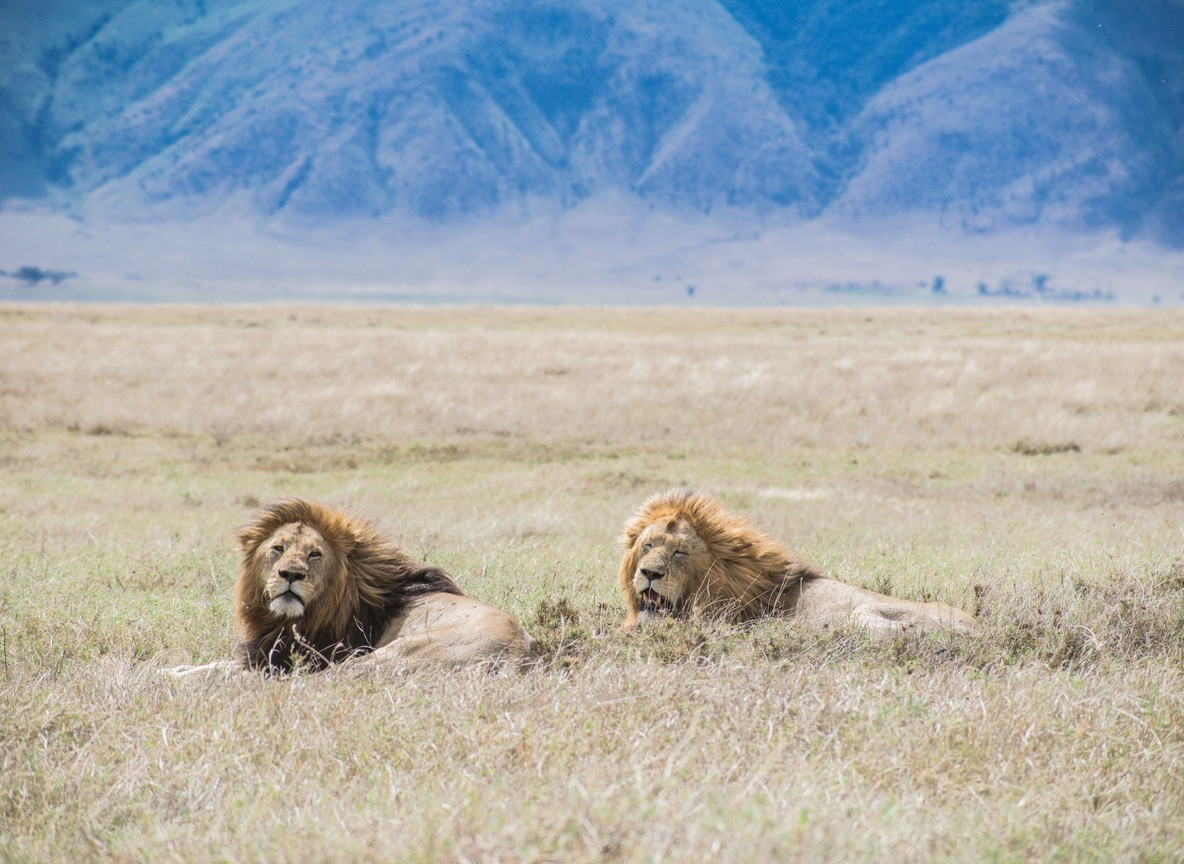
Tsavo West does not hand you lions the way the Mara does during migration season. The bush is thicker, the lava rock breaks up sightlines, and the park is bigger than some small countries. But the lions are there, and they are some of the most talked-about in Kenya. Touring Insights breaks down where they actually turn up, how big the population is, and what a realistic sighting plan looks like.
This guide focuses on Tsavo West specifically, not the wider Tsavo Conservation Area, since the two halves of Tsavo sit on different terrain and reward different sighting strategies. If you want the full split between the two parks, our Tsavo East vs Tsavo West comparison linked below covers that ground.
How Many Lions Live in Tsavo West Today
Kenya’s most recent national carnivore census, run by the Kenya Wildlife Service in 2021, counted roughly 2,589 lions across the country. The Tsavo Conservation Area, which links Tsavo West, Tsavo East, and the Chyulu Hills into one 22,812 km2 block, held the single largest population in that count, at close to 675 lions. That makes greater Tsavo the country’s biggest lion stronghold, ahead of the Maasai Mara ecosystem.
Researchers are still refining that number for Tsavo West specifically. In mid-2026, the Wildlife Research and Training Institute, Tsavo Trust, and the Tsavo Simba Project began a three-month camera and spoor survey across southern Tsavo, backed by the Lion Recovery Fund, to get a sharper read on density in this exact landscape. Until that data lands, treat 675 as a conservation-area estimate, not a Tsavo West-only figure, and expect it to shift once the new survey publishes.
Why Tsavo West Lions Look Different
Tsavo’s lions carry a reputation before you even spot one. Many of the resident males grow thin manes or none at all, a trait linked to the heat, the thorny scrub that snags mane hair, and testosterone levels in this population. Researchers have studied the pattern for decades, and it is one reason wildlife photographers travel here specifically, rather than settling for Mara sightings.
The other reputation is older and darker. Tsavo’s man-eaters of 1898 killed dozens of railway workers building the Kenya-Uganda line near the Tsavo River, an episode now covered in books and film. Modern Tsavo lions show no unusual pattern of human conflict. That old story matters mainly for context on why this park’s lions get outsized attention.
Best Places to See Lions in Tsavo West
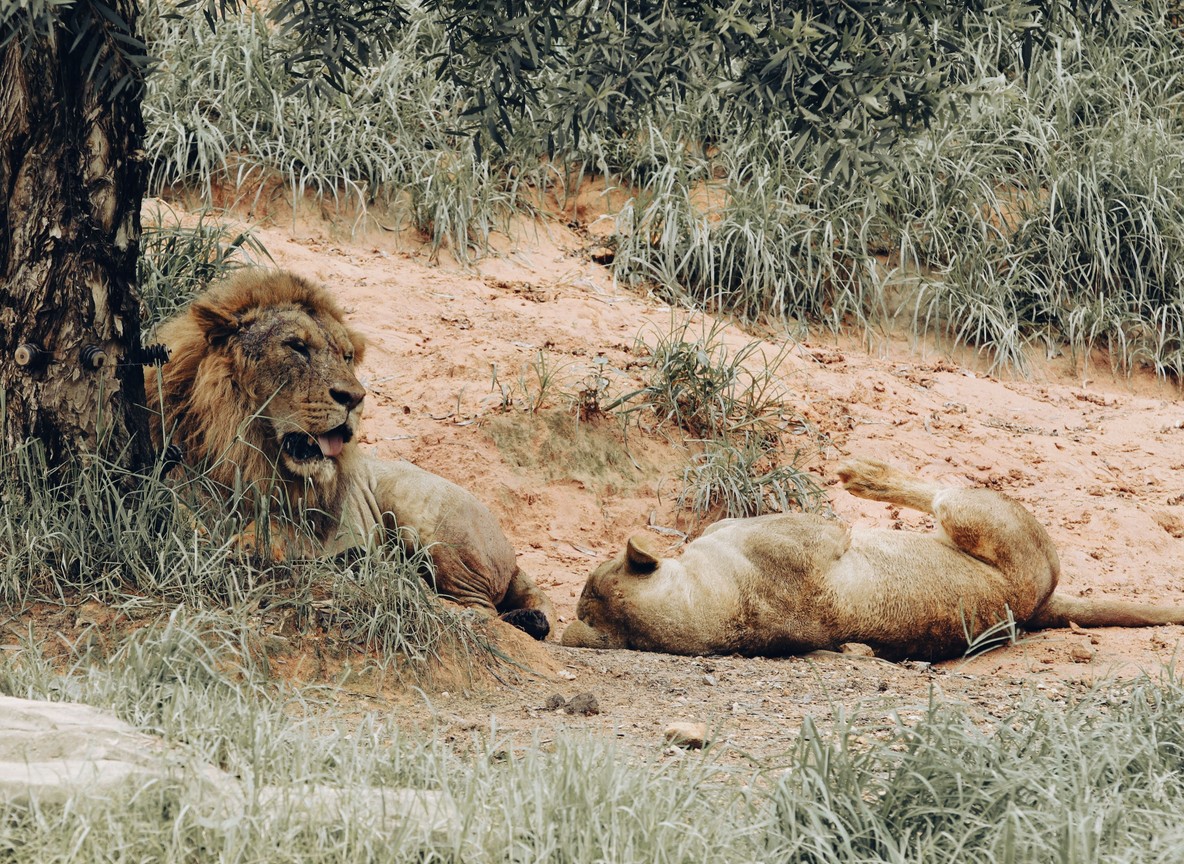
Sightings cluster around three zones: the Kilaguni plains near the park’s main waterholes, the Ngulia Hills bordering the rhino sanctuary, and the quieter Ziwani and Lake Jipe corridor to the southwest. Each has a different terrain, crowd level, and access point.
| Area | Distance from Mtito Andei Gate | Terrain | Lion sighting pattern | Nearby camp |
|---|---|---|---|---|
| Kilaguni plains | ~15 km | Open grassland, waterhole-fed | Frequent, especially early morning | Kilaguni Serena Safari Lodge |
| Ngulia Hills / Rhino Sanctuary edge | ~45 km | Rocky hills bordering a fenced sanctuary | Regular along the boundary fence line | Ngulia Safari Lodge |
| Mzima Springs / Roaring Rocks | ~48 km | Volcanic rock and riverine scrub | Occasional, more reliable for other cats | Severin Safari Camp |
| Ziwani / Lake Jipe corridor | ~75-90 km | Swampy lake edge, remote track network | Less frequent but far fewer vehicles | Voyager Ziwani |
Distances are approximate road distances from Mtito Andei Gate on unpaved park tracks; confirm current conditions with your camp before setting an itinerary.
Kilaguni Plains and the Waterhole Circuit
The grassland in front of Kilaguni Serena Safari Lodge is Tsavo West’s most reliable general game-viewing area, and lions follow the same waterholes that draw zebra, buffalo, and elephant herds. Guides here work a loop connecting several seasonal pans, checking each one at dawn when prides are still moving after a night hunt. This is also the busiest corner of the park, so expect other vehicles at a good sighting.
Ngulia Hills and the Rhino Sanctuary Edge
The Ngulia Rhino Sanctuary is a fenced 90 km2 block built to protect black rhino, but the boundary fence line itself is a strong lion corridor. Prides patrol the edge where sanctuary and open park meet, likely drawn by the same prey base the fence protects. Ngulia Safari Lodge overlooks a floodlit waterhole, and night sightings from the lodge deck are common even without a game drive.
Best Time of Day and Season for Lion Sightings
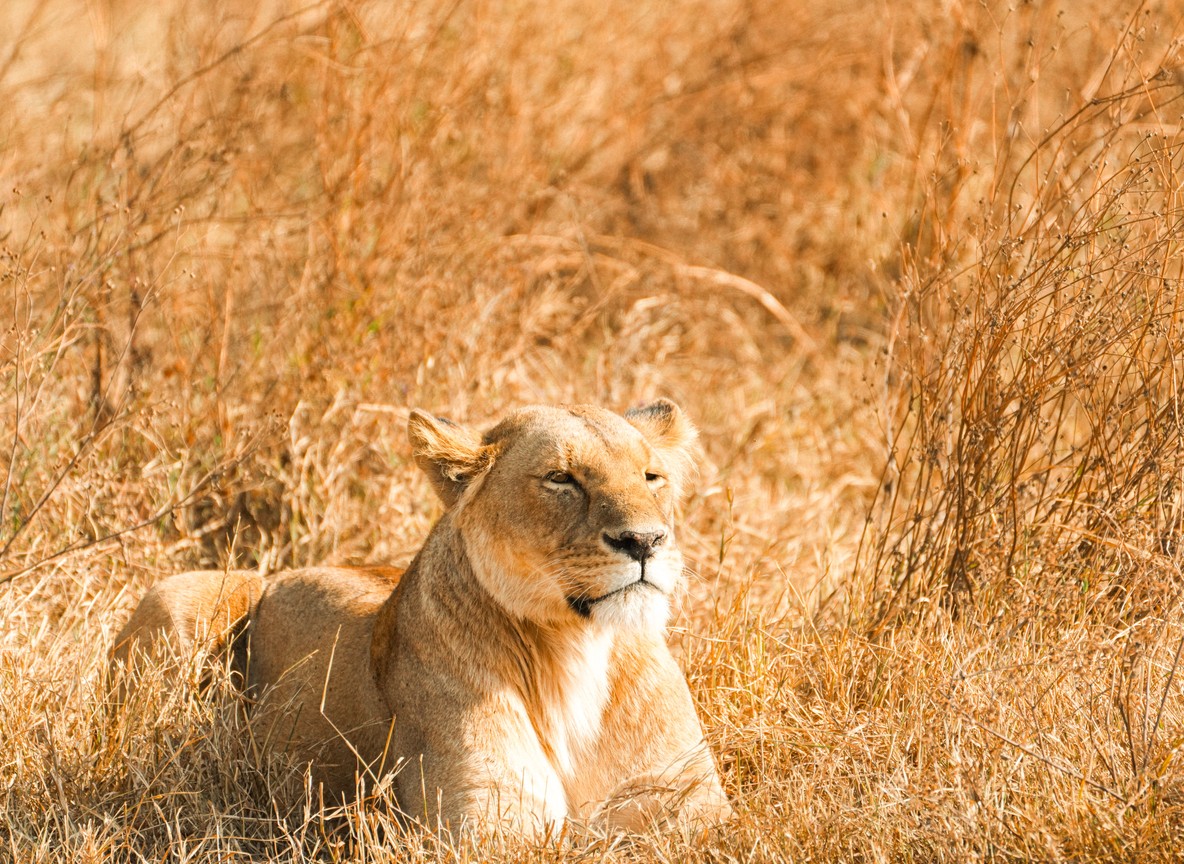
Early morning, in the first two hours after gate opening, is the strongest window across all three zones. Lions hunt through the night and are often still active or resting in the open before the heat pushes them into shade by mid-morning.
Seasonally, the June to October dry season concentrates wildlife, and lions, around permanent water at Mzima Springs and the Kilaguni waterholes, since the smaller seasonal pans dry up. The short rains in November and the long rains from March to May green up the bush fast, which helps prey numbers but makes lions harder to spot in taller grass.
Guides also read tracks and alarm calls to close in on a pride. Fresh paw prints on a dusty track, a warthog barking from cover, or impala standing stiff and staring in one direction all signal a cat nearby. Ask your guide to explain what they are reading as you drive. It turns a quiet stretch between sightings into part of the experience rather than dead time.
Getting to Tsavo West
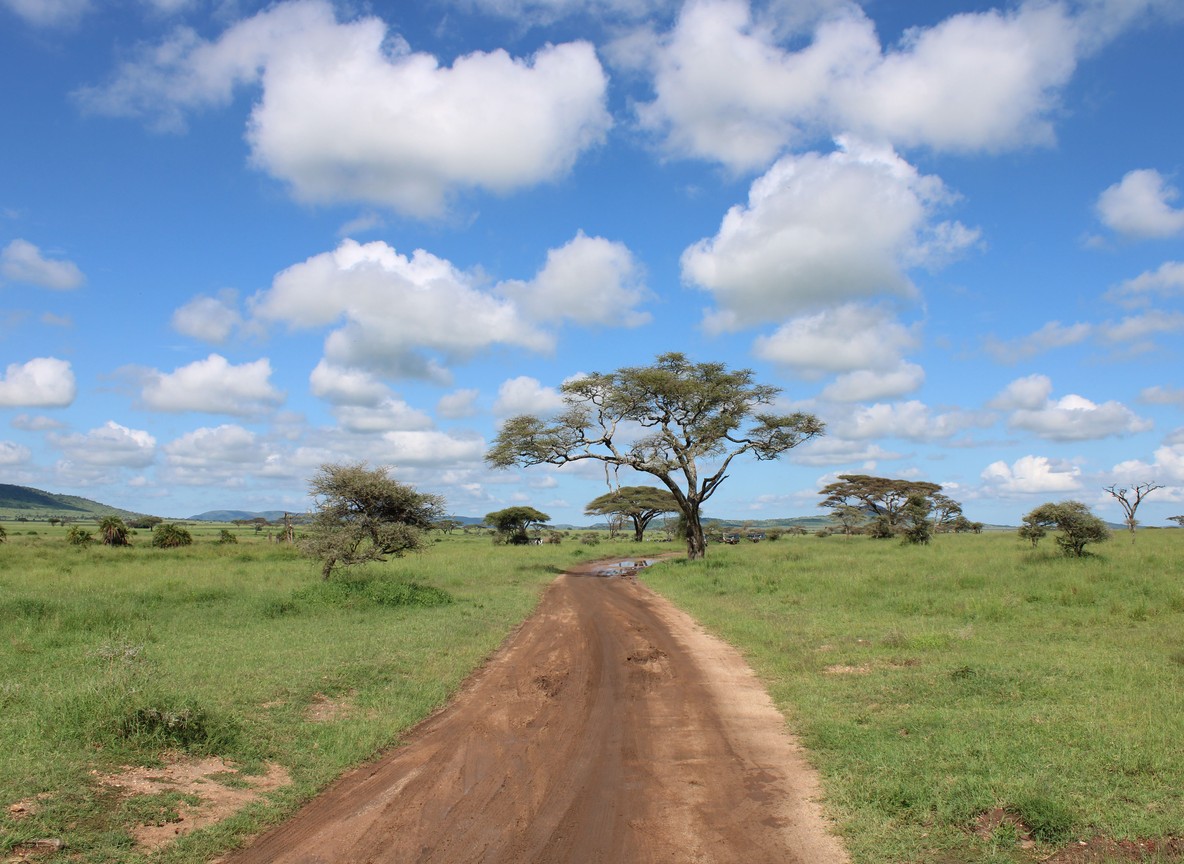
Tsavo West sits directly off the Nairobi-Mombasa highway, which makes it one of the more accessible parks for a self-drive or short charter trip.
| Detail | Figure |
|---|---|
| Park size | 9,065 km2 |
| Distance, Nairobi to Mtito Andei Gate | ~230 km, roughly 4 hours by road |
| Distance, Mombasa to Chyulu Gate | ~200 km, roughly 3.5 hours by road |
| Main gates | Mtito Andei, Tsavo, Chyulu, Maktau, Ziwani, Jipe |
| Airstrips | Kilaguni, Ngulia |
| Non-resident adult park fee | Indicative USD 52 per 24 hours, confirm current KWS rate before travel |
Fly-in visitors typically land at Kilaguni airstrip, a short transfer from both Kilaguni Serena Safari Lodge and the plains circuit. Self-drivers usually enter through Mtito Andei, the closest gate to the Nairobi-Mombasa road. A private charter from Nairobi’s Wilson Airport to Kilaguni takes roughly 45 minutes, against a 4 to 5 hour road transfer, which matters if lion tracking time is the priority over budget.
Explorer Notes
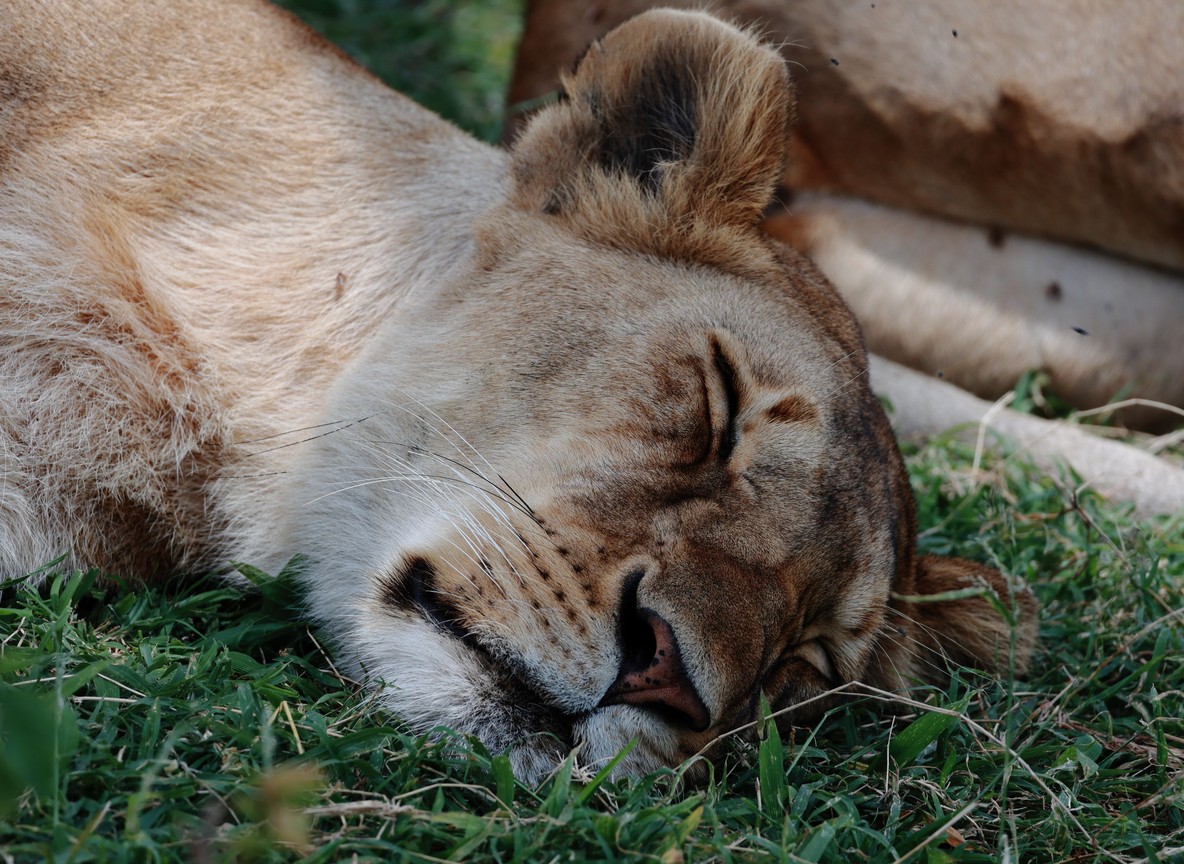
A few things that do not show up in a standard park brochure. Guides at Ngulia track lions partly by watching vulture activity over the rhino sanctuary fence line at dawn, since a fresh kill draws birds long before you see the pride. The floodlit waterhole at Ngulia Safari Lodge is worth a full evening even if you skip a game drive that day; several repeat lodge guests report lion visits there more nights than not during the dry season. If you are chasing photographs of the maneless males specifically, ask your guide about the Kamboyo and Rhino Valley territories by name, since prides here hold fairly stable ranges and repeat operators track them season to season. Bring a beanbag or bean-filled camera rest for the lava-rock stretches near Roaring Rocks; the terrain is too rough for a handheld long lens from a moving vehicle.
FAQ
How many lions live in Tsavo West National Park? KWS’s 2021 national census put the combined Tsavo Conservation Area, which includes Tsavo West, Tsavo East, and Chyulu Hills, at close to 675 lions, the country’s largest single population. A dedicated Tsavo West figure was not broken out separately, and a 2026 regional survey is working to refine that number.
Why do Tsavo lions have no manes? Heat, dense thorn scrub that snags mane hair, and hormonal factors specific to this population are the leading explanations researchers point to. The trait is well documented but still studied.
What is the best time of day to see lions in Tsavo West? The first two hours after gate opening in the early morning give the best odds, when prides are still active or resting in open ground before the day heats up.
Is Tsavo West or Tsavo East better for lion sightings? Both hold resident prides, but Tsavo West’s waterhole clusters at Kilaguni and Ngulia concentrate sightings into a smaller, more predictable area than Tsavo East’s wider open plains.
Which camp gives the best chance of seeing lions without a game drive? Ngulia Safari Lodge’s floodlit waterhole is the strongest option, with regular lion visits reported after dark during the dry season.
What to Read Next
- Comparing the two halves of Tsavo? Read our Tsavo East vs Tsavo West guide.
- Planning a full visit? Start with our Tsavo West National Park safari guide.
- Timing your trip? Check seasons in Tsavo West.
Tsavo West rewards patience more than speed, and a guide who knows which fence line or waterhole a pride is working this month makes the difference between driving past lions and actually finding them. Visit our Tour Packages page to compare camps at Kilaguni and Ngulia, or ask a partner operator which properties currently have the most active pride sightings.
Further reading
More safari planning resources
- Map of Tsavo from Valley Safaris
- Tsavo complete guide on Touring Insights
- Tsavo destination guide on FindMySafari
- Big Five safari collection on FindMySafari
Related guides: 3-Day Safari from Diani Beach to Tsavo East and West.