A Tsavo versus Samburu safari is the kind of choice that shapes a Kenya itinerary. Samburu sits in the northern drylands. Tsavo spreads across the southeast. They look different, feel different, and reward different travelers. This guide compares wildlife, routes, seasons, and costs so you can decide with confidence.
Tsavo versus Samburu safari: which is best for you?
Choose Samburu for rare northern species, compact game viewing, dry river scenery, and a more focused two- or three-night safari. Choose Tsavo for elephants, vast wilderness, varied landscapes, and an itinerary that can connect Nairobi with the Kenyan coast. Tsavo is broader. Samburu is more distinctive per game drive.
The two parks are not interchangeable. Samburu National Reserve is a compact reserve built around the Ewaso Ng’iro River. Tsavo East and Tsavo West together form one of the largest protected areas in Kenya. If you want to meet the Samburu Special Five, Samburu is the clear pick. If you want huge elephant herds and open space, Tsavo wins. For a route-level look at the same decision, see our Samburu versus Tsavo wildlife and routes.
What wildlife can you see in Samburu but not Tsavo?
Samburu is the stronger choice for reticulated giraffe, Grevy’s zebra, gerenuk, Beisa oryx, and Somali ostrich, collectively known as the Samburu Special Five. Tsavo is better for large elephant herds, red-dust elephants, buffalo, lions, and broad wildlife scenes. Samburu’s open river corridor often suits close wildlife portraits, while Tsavo rewards patience and scale.
These northern specialists are the main reason many travelers choose Samburu. Grevy’s zebra and reticulated giraffe are not typical Tsavo sightings. The Ewaso Ng’iro River creates a wildlife corridor, so game gathers along the water. Tsavo’s elephants often look red because they dust themselves in the iron-rich soil. The two parks share species such as elephant, lion, leopard, and buffalo, but the viewing style differs. If you are weighing other safari regions, the Masai Mara versus Samburu wildlife comparison is also useful.
Which park has easier wildlife sightings and game drives?
Samburu’s smaller area makes it easier to build repeat sightings around the river and known wildlife corridors, while Tsavo’s enormous scale spreads animals over much larger distances. Tsavo can deliver exceptional encounters, especially near water, but sightings may require longer drives. Samburu generally feels more concentrated. Tsavo offers greater unpredictability and space.
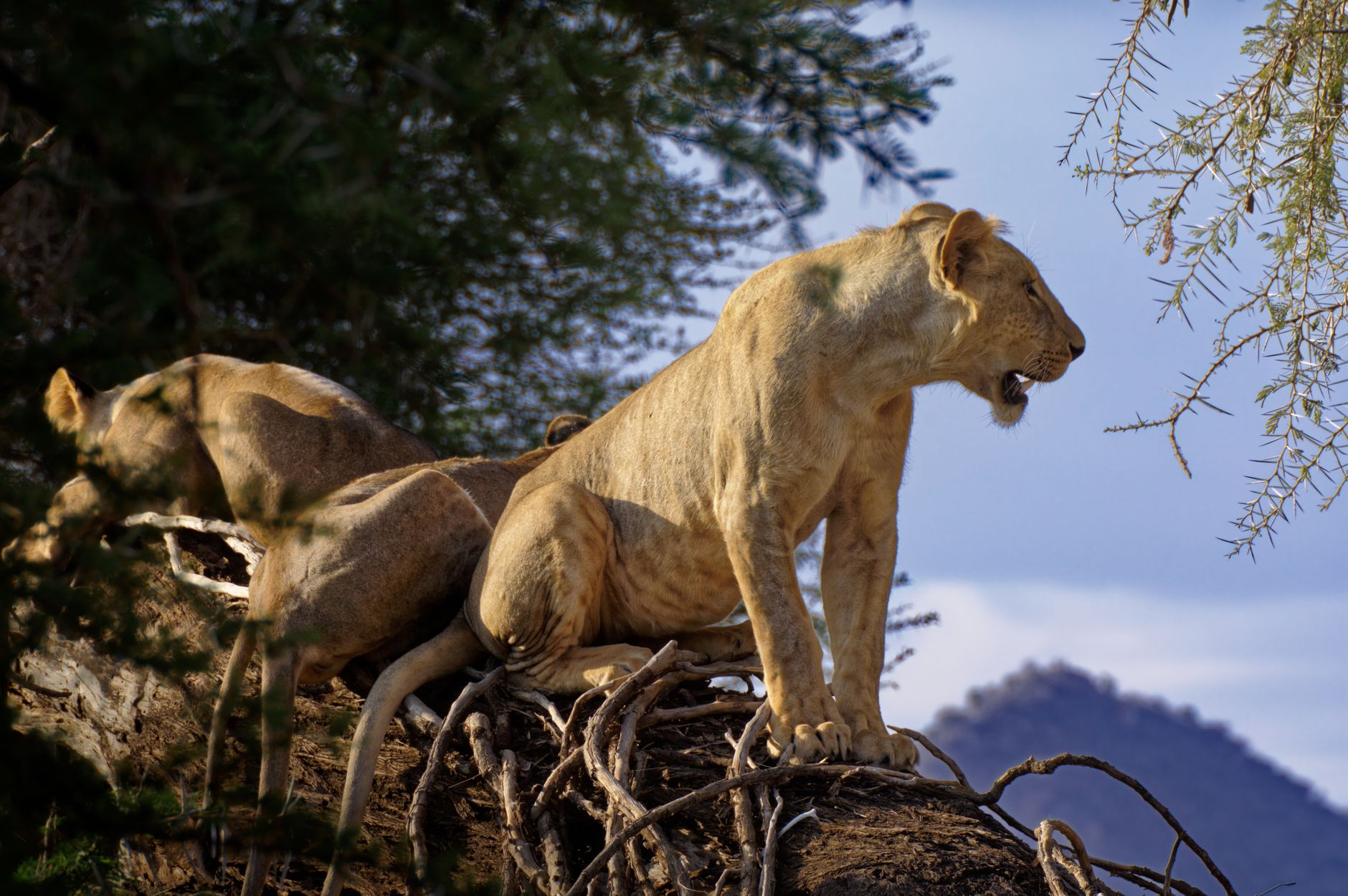
In Samburu, a morning and afternoon game drive can cover much of the reserve. In Tsavo, you may drive for an hour before seeing elephants, especially in the dry season. Tsavo East has the Galana River and Aruba Dam. Tsavo West has Mzima Springs and Ngulia. These water sources concentrate wildlife. For a first-time safari, Samburu feels more contained. For travelers who love wilderness and wide horizons, Tsavo offers a different kind of reward.
How do the landscapes and safari experiences compare?
Samburu feels intimate, arid, and visually concentrated around the Ewaso Ng’iro River, rocky hills, and dryland plains. Tsavo feels wilder and more expansive, with open savannah, bush, lava fields, volcanic hills, and springs. Pick Samburu for distinctive northern atmosphere. Pick Tsavo for solitude, dramatic space, and a stronger sense of wilderness.
Samburu’s landscape is smaller in scale but distinctive. Red earth, doum palms, and acacia woodland line the river. Tsavo combines many environments. Tsavo East is flatter and more open, with red-dust roads and baobab trees. Tsavo West adds rolling hills, volcanic rock, and the clear water of Mzima Springs. If you want variety within one safari, Tsavo East and Tsavo West together deliver it.
How far apart are Tsavo and Samburu, and can you combine them?
Samburu usually requires roughly six to seven hours by road from Nairobi or a short scheduled flight. Tsavo East suits Nairobi-Mombasa routes, while Tsavo West adds volcanic scenery and Mzima Springs. Combining both parks is possible, but the northern and southeastern locations create substantial transfer time, so flights or a longer itinerary improve the experience.
A Samburu trip starts with a climb out of Nairobi, then drops into the Laikipia and northern plains. Tsavo sits east and south, near the main road to Mombasa. Driving between Samburu and Tsavo can take most of a day, depending on stops. A scheduled flight through Nairobi can save time but adds cost. For most travelers, combining the two requires at least six nights. If you have less time, choose one park and pair it with something nearby. Tsavo pairs well with Amboseli or the Kenyan coast. Samburu pairs well with Ol Pejeta Conservancy or northern private conservancies.
Which safari is cheaper, Tsavo or Samburu?
The cheaper choice depends less on the park name than on lodge category, transport, season, and whether the itinerary uses private guiding or shared drives. Tsavo can offer strong value on Nairobi-coast routes, while Samburu’s remote logistics can raise accommodation and transport costs. Compare the full quotation, including park fees, transfers, meals, and activities.
The table below shows indicative ranges, not fixed prices. Park entry fees are set separately by Kenya Wildlife Service and vary by residency and season.
| Destination | Park area (approx) | Ideal nights | Signature wildlife | Indicative cost per person per night, mid-range, high season |
|---|---|---|---|---|
| Samburu National Reserve | 165 km2 | 2-3 nights | Samburu Special Five, including reticulated giraffe and Grevy’s zebra | USD 250-450 |
| Tsavo East National Park | 13,700 km2 | 2-4 nights | Red elephants, lions, buffalo, dry plains | USD 200-400 |
| Tsavo West National Park | 9,000 km2 | 2-3 nights | Mzima Springs, elephants, volcanic scenery | USD 220-420 |
| Tsavo East and West combined | About 22,800 km2 | 3-5 nights | Classic Tsavo mix plus landscape variety | USD 200-450 |
Quoted prices change with season, transport choices, and lodge level. Ask for a breakdown of what is included before you compare.
What is the best time to visit Tsavo and Samburu?
Both destinations can be visited year-round, but dry periods usually make wildlife easier to locate because animals concentrate near dependable water. In Samburu, the Ewaso Ng’iro River is especially important during dry months. In Tsavo, waterholes and springs can focus sightings. Green-season travel can improve landscapes and value but may make animals harder to find.
The classic dry months are roughly June to October and January to February. The long rains fall from roughly March to May, and the short rains from November to December. Samburu can be hot through the dry season, but the river keeps some wildlife close. Tsavo can be very hot, so early morning and late afternoon drives matter. For price, greener scenery, and smaller crowds, shoulder months around the rains are worth a look. Our Kenya safari shoulder-season timing explains the trade-offs in detail.
Which park should you choose for your next safari?
Samburu is the better single choice for travelers who prioritize rare species, northern Kenya, compact game viewing, and photography. Tsavo is better for elephant-focused safaris, expansive scenery, flexible Nairobi-coast routing, and travelers who value wilderness over constant sightings. If time allows, combining Samburu with Tsavo creates contrast, but it requires enough nights to justify the transfers.
For a first safari with only three nights, I would usually point you to Samburu. It is concentrated, distinctive, and easy to enjoy on a short stay. For a longer itinerary that includes the coast or Amboseli, Tsavo slots into the route more naturally. When you compare a Tsavo versus Samburu safari, think about your priorities rather than which park has the longer checklist. The best park is the one that matches your travel style.
What Do Travelers Ask About Tsavo and Samburu?
The most common questions compare wildlife, park size, routes, and cost. Travelers want to know which park delivers rare species, how many nights to set aside, and whether the two parks work in one itinerary. The short answers below cover the decisions that matter most for planning.
Is Tsavo or Samburu better for safari?
Samburu is better for rare northern species such as Grevy’s zebra, reticulated giraffe, and gerenuk, while Tsavo is better for elephants, expansive landscapes, and coastal-route convenience. Choose Samburu for concentrated, distinctive wildlife viewing and Tsavo for a larger, wilder safari experience.
Which is better, Tsavo East or Samburu?
Samburu is usually the stronger choice for unique species and a compact two- or three-night safari. Tsavo East is better for large landscapes, elephant herds, red-dust scenery, and travelers moving between Nairobi and Mombasa. The better park depends on whether wildlife uniqueness or scale matters more.
What animals can you see in Samburu but not Tsavo?
Samburu is known for the Samburu Special Five: Grevy’s zebra, reticulated giraffe, gerenuk, Beisa oryx, and Somali ostrich. These northern species are the main reason to choose Samburu over Tsavo. Sightings are still wild and seasonal, so no animal is guaranteed on every drive.
How many days do you need in Tsavo and Samburu?
Allow two to three nights in Samburu for focused game drives and two to four nights in Tsavo, depending on whether you visit East, West, or both. A combined itinerary usually needs at least six nights once transfers are included. Otherwise, too much of the trip may be spent on the road.
Can you combine Samburu and Tsavo in one safari?
Yes, but the parks are far apart. Combining them works best in a longer itinerary with a domestic flight or a carefully planned overland route. Samburu pairs naturally with northern or central Kenya, while Tsavo pairs efficiently with Amboseli, Nairobi, or the coast. Short trips are usually better focused on one park.
Where Can I Compare Tsavo and Samburu Safari Operators?
The easiest way to compare Tsavo and Samburu safari operators is to browse packages from multiple companies. FindMySafari, Valley Safaris, and Trunktrails Safaris all list safari itineraries for these regions. Start with your dates, budget, and preferred number of nights, then compare what each operator includes.
Use those platforms to compare packages side by side. A good operator will tell you exactly what is included: park fees, transfers, meals, activities, and vehicle type. For more route detail, see our Tsavo safari guide or Samburu safari guide. Then you can choose the park that fits the way you want to travel.
Where Can You Find More Safari Planning Resources?
- Tsavo East and West map from SafariPure
- Samburu National Reserve guide from Trunktrails Safaris
- Map of Tsavo from Valley Safaris
- Tsavo destination guide on FindMySafari